Published: 22 October 2026. The English Chronicle Desk. The English Chronicle Online
In a dramatic, highly coordinated, and devastating escalation of the ongoing military conflict in Eastern Europe, Russian armed forces executed a massive ballistic missile bombardment against the Ukrainian capital of Kyiv, striking critical civilian infrastructure, residential housing blocks, and vital urban transport corridors. This aggressive wave of morning strikes occurred mere hours after Russian President Vladimir Putin publicly announced his formal agreement in principle to resume trilateral diplomatic negotiations involving Washington, Kyiv, and Moscow following discussions with United States special envoy Steve Witkoff. The pointed timing and destructive nature of the aerial barrage have triggered immediate international condemnation, with Ukrainian leadership, European diplomats, and international defense experts arguing that Moscow’s actions demonstrate a total absence of genuine intent for peace and a calculated, cynical strategy to dismantle Ukraine’s energy grid before the onset of winter.

The violent overnight assault involved multiple waves of advanced ballistic missiles targeting several key strategic locations across Kyiv and surrounding administrative regions. Ukrainian emergency service officials confirmed that at least two individuals tragically lost their lives during the bombardments, while twenty-two others sustained varying degrees of physical injury, including four young children. The destructive strikes targeted vital municipal infrastructure, severely damaging the key southern bridge spanning the Dnipro River, an operational emergency ambulance station, commercial office complexes, private apartment buildings, and a historic monastery site. Ukrainian President Volodymyr Zelenskyy confirmed during a morning briefing that material damage was extensive and widespread, extending far beyond the capital city to encompass twelve administrative regions across the nation. Among the heavily impacted locations was the strategic southern port city of Odesa, where maritime port facilities sustained substantial operational damage from Russian aerial munitions.
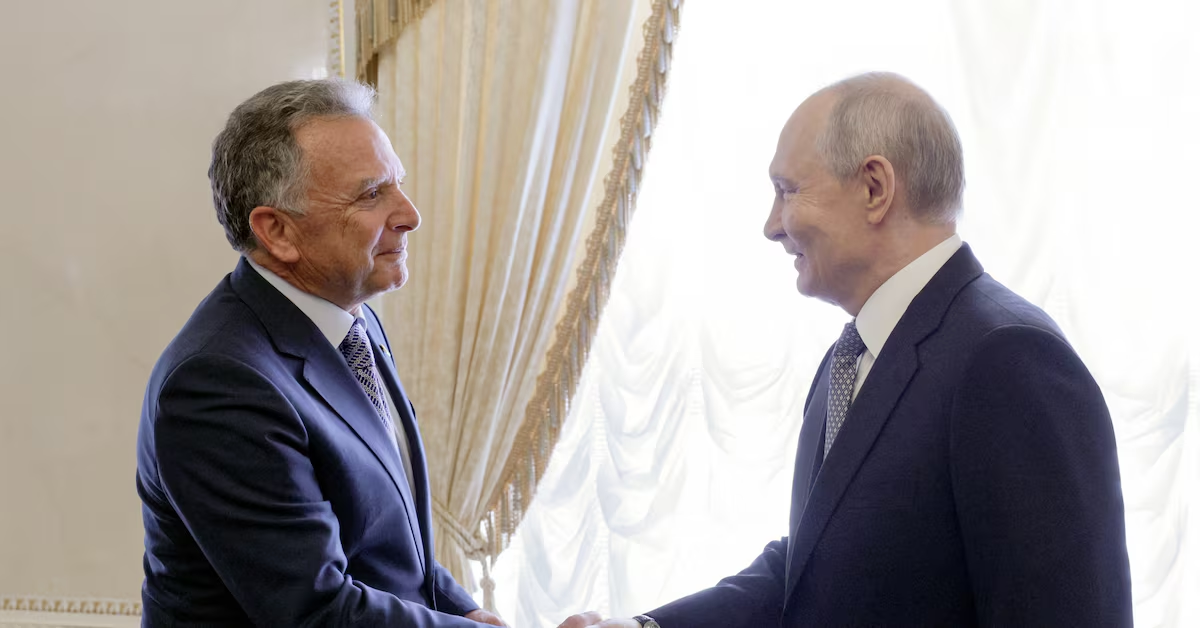
The violent bombardment came immediately on the heels of high-stakes diplomatic meetings held in St Petersburg between Russian leadership and United States special envoy Steve Witkoff. During the discussions, Kremlin foreign affairs adviser Yuri Ushakov signaled that President Putin had agreed in principle to resume formal three-way peace negotiations after November 10, following the conclusion of the American midterm elections. However, public comments made during the meeting ignited profound international controversy when Envoy Witkoff offered lavish praise to the Russian president. In recorded remarks, the American diplomat lauded Putin as a humanitarian, expressing personal admiration and publicly saluting his leadership during the closed-door diplomatic exchange.
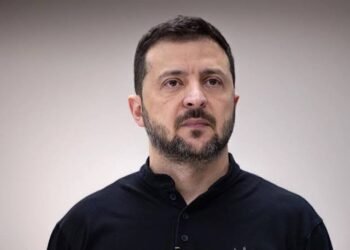
President Zelenskyy responded to both the diplomatic rhetoric and the subsequent missile strike with sharp disdain, issuing a public statement that characterized the attack as a demonstrative display of Russia’s true strategic intentions. Zelenskyy noted ironically that three distinct waves of ballistic missiles were launched against innocent civilians in Kyiv by these self-proclaimed humanitarians within hours of the diplomatic meeting concluding. He emphasized that the immediate launch of twenty-one high-speed missiles demonstrates that Russia’s fundamental attitude toward the war remains entirely unchanged despite superficial diplomatic dialogue. Ukrainian Foreign Minister Andrii Sybiha echoed these sentiments, publicly warning that policies of political appeasement, subservience, and unearned flattery would prove completely ineffective in halting Russian military aggression.
Defense analysts and Ukrainian intelligence officials assess that the underlying objective of Moscow’s renewed air campaign is the systematic, deliberate destruction of Ukraine’s energy generation and distribution network. With temperatures dropping across the region, targeted strikes against power stations and municipal infrastructure aim to leave millions of Ukrainian citizens without heat, electricity, or clean running water throughout the harsh winter months. In response to the growing operational threat, Ukrainian authorities called on Western allies to immediately bolster the nation’s air defense capabilities, specifically requesting additional Patriot interceptor missile systems capable of neutralizing high-speed ballistic threats.
The geopolitical escalation occurs amid complex global shifts and reported frictions in intelligence and technical sharing between Washington and Kyiv. While the United States government recently resumed providing critical early-warning intelligence regarding incoming Russian missile trajectories, technical restrictions on satellite communication systems have reportedly complicated Ukrainian military operations. The temporary slowdown of Starshield—the specialized military variant of Elon Musk’s Starlink satellite internet network—has reportedly hindered Ukraine’s ability to coordinate long-range aerial strikes and intercept Russian offensive drones in frontline combat zones. Military reports indicate that during recent operational interruptions, numerous armed Ukrainian reconnaissance and attack drones lost connection over enemy territory, causing video streams to fail and drones to fall before reaching their targets.
Despite the heavy bombardment of its cities and logistical challenges on the home front, Ukrainian forces continue to execute daring tactical operations along the front line. Details recently emerged regarding a complex subterranean counteroffensive in the partly occupied northeastern city of Kupiansk. Codenamed Operation Veles, the specialized Khartia corps executed what defense experts consider the world’s first major underground counteroffensive, advancing fifteen kilometers behind enemy lines through subterranean gas pipelines and service tunnels. Ukrainian commanders explained that after observing Russian forces utilizing underground routes to infiltrate frontline positions, Ukrainian engineers developed specialized underground navigation and life-support equipment to launch a surprise attack from beneath enemy positions.
The underground maneuver reportedly resulted in the neutralization of approximately one hundred enemy troops and the capture of thirty prisoners of war, allowing Ukrainian forces to disrupt Russian rear operations significantly. Concurrently, Russian defense officials claimed to have intercepted and shot down hundreds of Ukrainian drones over border districts, reporting localized casualties in the Belgorod region following aerial strikes. As both sides trade heavy blows across the strategic landscape, the stark contrast between diplomatic gestures in St Petersburg and devastating ballistic missile impacts over Kyiv underscores the deep skepticism surrounding immediate prospects for a negotiated peace.

The violent overnight assault involved multiple waves of advanced ballistic missiles targeting several key strategic locations across Kyiv and surrounding administrative regions. Ukrainian emergency service officials confirmed that at least two individuals tragically lost their lives during the bombardments, while twenty-two others sustained varying degrees of physical injury, including four young children. The destructive strikes targeted vital municipal infrastructure, severely damaging the key southern bridge spanning the Dnipro River, an operational emergency ambulance station, commercial office complexes, private apartment buildings, and a historic monastery site. Ukrainian President Volodymyr Zelenskyy confirmed during a morning briefing that material damage was extensive and widespread, extending far beyond the capital city to encompass twelve administrative regions across the nation. Among the heavily impacted locations was the strategic southern port city of Odesa, where maritime port facilities sustained substantial operational damage from Russian aerial munitions.
Related News:
 UN expert urges UK to rethink Israel policy
 EU Divisions Deepen Over Israel Policy
 Israeli Strike in Southern Lebanon Kills Seven
 Miliband Rejects Chief Rabbi’s West Bank Warning
 Israel Accused of Undermining Palestinian Life
 Saudi Pact Raises Risk of Pakistan Entering War
 Japan PM Backs International Criminal Court
 King Refers Jamaica Slavery Petition to Privy Council
 Latin America women fear rollback of rights
 Israel Promotes Film Challenging Controversial Gaza Documentary
 Navi Pillay Wins Nobel Peace Prize for Justice
 Zelenskyy Accuses US of Delaying Ukraine Missile Supplies
 Files Link Andrew to Epstein Dinner After Prison Release
 Emails Show Epstein Funded Mandelson’s Husband After Jail
 Cartel crackdown raises fears of fresh violence
 Judge halts deportation of Yemeni refugees in US
 Activists allege abuse after Gaza flotilla seizure
 Trump Announces 3-Day Russia–Ukraine Ceasefire Deal
 US judge dismisses Kilmar Abrego Garcia indictment
 China mine blast death toll rises to 90
 Ebola outbreak in DRC overwhelms health system as cases surge
 Former ICC prosecutor condemns US sanctions
 Gunman Killed After White House Security Shootout
 Irish Gangland Figure Fails in Dublin Election Bid
 New Footage Revives Peter Falconio Mystery
 Ukraine Creates Long-Range Strike Command
 Dreyfus Statue Finally Gets Permanent Paris Home
 Taliban global ties grow as rights fears mount
 US immigration arrests hit record high in July
 Ukraine Villagers Demand Answers After Deadly Arms Depot Strike
 Argentina Orders Return of Nazi-Looted Painting
 Texas Transfers Raise Fears for Migrant Children
 French Student Protests Escalate Into Violent Clashes
 Russia Escalates Ukraine Energy Attacks as Winter Nears
 New Maps Reveal Gaza’s Vast Destruction
 French School Protests Escalate as 400 Schools Close
 Iran Nobel Laureate Reveals Prison Torture and Fears
 Israeli Settlers Assault Palestinian Photographer
 Tanker Attacked Near Qatar as Hormuz Tensions Escalate
 US Execution Livestream Plan Sparks Global Outrage
 Three Convicted in Mexico Surfing Trip Murders
 Iranian Woman Faces Death Sentence Over Social Media Post
 Trump Administration Threatens California Election Officials
 Macron Condemns Violence as France Faces 2,400 Arrests
 Marseille Activist Defies France’s Powerful Drug Gangs
 Zelenskyy Says US Failed to Warn Kyiv of Russian Strikes
 Helen Haines Loses Both Legs After Alleged Attack
 Omar Claims US Raid on Residence Was Meant to Intimidate
 Aung San Suu Kyi Speaks to Son After Five Years
 French Taxi Driver Cleared in David Lammy Theft Case After Fare Dispute
 Greene Pushes Epstein Files Amid Trump Fallout
 Trump Deploys DHS to Charlotte in Major Arrest Operation
 Thousands Protest ICE Operations in Nationwide US Day of Action
 Report Says Pezzullo Acted ‘Recklessly’ in Dealings
 Suspected Plot Targets Pipeline Before Hungary Vote
 Ben Roberts-Smith Denies War Crime Allegations in First Statement
 Learner Driver Charged After Expo Tragedy
 Houthis Strike Saudi Arabia as Middle East Tensions Rise
 Abusive ex used Tesla to control and harass former partner
 Royal Crown Branded Enslaved Africans in Britain’s Slave Trade
 Mahmood Warns Far Right Over Asylum Protests
 Harrods Faces Dispute Over Fayed Abuse Compensation
 British Columbia Sues OpenAI Over School Shooting
 US Networks Suspend Trump White House Pool Coverage
 Democrat Says ICE Restricted Detention Camp Oversight
 Republican Senator Questions Trump Ad Spending
 Burnham Opens Door to Possible UK Return to EU
 Yemen government launches offensive against Houthis
 Gosport Protesters Clash With Police Over Migrant Rescue
 Palace Rejects Funding Andrew’s Police Legal Challenge
 Christa Pike Awake After Failed Tennessee Execution
 Okinawa US Troops Face Curfew After Murder Case
 Israel Marks Three Years Since October 7 Attack
 Trump Says He Deserves Nobel Peace Prize
 South Africa Withdraws Directive on Asylum Applications
 Trump Rules Out Iran Attack Before US Elections
 Brazil Court Scandal Threatens Lula as Bolsonaros Rise
 India’s Voter Roll Crisis Sparks Nationwide Protests
 Senegal LGBTQ+ Crackdown Drives People Into Hiding
 UK Bill Faces Warning Over Fayed Trafficking Victims