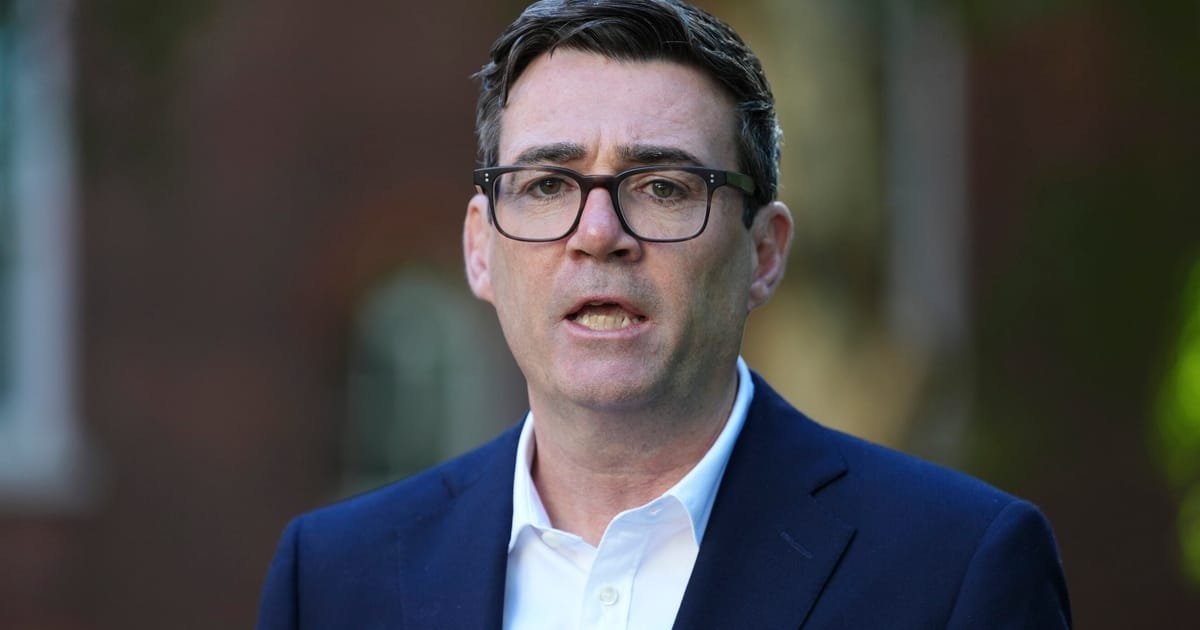
UK Prime Minister Andy Burnham is set to deliver one of his strongest criticisms of Brexit yet, declaring that the country has lost more than it gained from leaving the European Union and promising to pursue a new agreement with the bloc. His remarks, expected at the Lord Mayor’s Banquet in the City of London on Monday, signal a renewed effort by the government to reshape Britain’s relationship with Europe while remaining within the political commitments and negotiating limits set out by Labour.
Burnham’s comments come ahead of a summit with European leaders this week, where he is expected to seek agreements covering food and farming, emissions trading and a youth mobility scheme. According to the prime minister, the proposed arrangements could increase the UK’s gross domestic product by 0.4 per cent, equivalent to approximately £17 billion. The government is presenting the negotiations as an opportunity to improve economic cooperation, reduce unnecessary barriers and deliver practical benefits without formally reversing the decision to leave the EU.

The prime minister has increasingly questioned the economic and political consequences of Brexit in recent public appearances. Addressing the Welsh Labour conference on Saturday, he said the UK had “lost more than we gained” through its departure from the European Union. His planned speech on Monday is expected to develop that argument, focusing on the gap between the promises made during the 2016 referendum campaign and the arrangements that ultimately followed.
Burnham is expected to argue that the promise of taking back control, strongly promoted by former prime minister Boris Johnson, did not produce the results voters had been led to expect. Instead, he is likely to describe the UK’s departure as a needlessly hard Brexit that created additional difficulties for businesses and weakened the country’s economic potential.
In the speech, Burnham is expected to use the metaphor of the Emperor’s New Clothes to challenge what he sees as a reluctance among politicians to acknowledge the shortcomings of the Brexit settlement. “It’s like the Emperor’s New Clothes – where no one is prepared to say the obvious truth. Well, I say it as I see it. And to be frank, the emperor has nothing on,” he is expected to say. He will then deliver his central assessment: “The Brexit we were given has not worked. We have lost more than we gained.”
The language represents a significant political statement from a prime minister seeking to reopen discussion about the UK’s relationship with its largest neighbouring economic and political bloc. Rather than presenting a return to EU membership as the immediate objective, Burnham is expected to make the case for improving the existing arrangements through a negotiated agreement. His approach appears designed to address some of the economic consequences of Brexit while avoiding a direct confrontation over the referendum result itself.
The prime minister is expected to set out three conditions for any agreement with Brussels. First, it must remain consistent with Labour’s election manifesto and the government’s established negotiating red lines. Second, it must improve the existing Brexit settlement and bring the relationship closer to what voters believed they were supporting in 2016. Third, it must pass what Burnham calls the “Makerfield test”, meaning that any agreement should produce visible and practical improvements in people’s everyday lives.
The Makerfield test is intended to give the government’s European policy a practical measure of success. Rather than judging an agreement solely through diplomatic announcements or political statements, the government would need to demonstrate that it makes a meaningful difference to households, workers and businesses. That could include reducing administrative difficulties, improving opportunities for younger people and making trade in food and agricultural products more straightforward.
Burnham is expected to describe the proposed agreement as a “win-win” and argue that cooperation with European partners offers a more constructive approach than the confrontational relationship that has characterised parts of the post-Brexit period. He will emphasise that Britain and the EU share challenges that cannot always be addressed effectively through separate policies, including economic pressures, environmental concerns and the need for stable trade arrangements.
“This is a win-win,” he is expected to say. “It illustrates our new approach. Not adversarial. No longer burning bridges – but being constructive and positive, showing that we can come together to confront shared challenges.”
Food and farming are expected to be among the most important areas of negotiation. Since Brexit, arrangements governing the movement of food and agricultural products between Britain and the EU have become an important part of the wider debate about trade and border procedures. A closer agreement in this area could help simplify some of the arrangements affecting businesses, although the precise details and practical consequences would depend on the terms eventually negotiated.
Emissions trading is another key issue. Cooperation in this area could help align aspects of the UK’s approach to carbon pricing with the EU system, potentially reducing complications for businesses operating across both markets. Climate policy has increasingly become an economic issue as well as an environmental one, particularly for companies facing investment decisions, regulatory requirements and the costs associated with reducing emissions.
The proposed youth mobility scheme could also become an important part of the negotiations. Such an arrangement would create opportunities for younger people from Britain and EU countries to travel, work or gain experience across borders under agreed conditions. However, the final design of any scheme would depend on negotiations over eligibility, duration and other restrictions. The proposal could attract political attention because migration and freedom of movement remain sensitive subjects in the UK’s post-Brexit debate.
Despite Burnham’s positive assessment of the potential benefits, the negotiations are unlikely to be without complications. EU relations minister Hamish Falconer told the BBC on Sunday that Britain could have a “voice in the room” under a new agreement with the bloc but would not receive a vote on EU food policies. His comments highlight a central difficulty in seeking closer alignment: Britain may be able to participate in discussions and benefit from shared arrangements, but it would not necessarily regain the decision-making powers associated with EU membership.
Falconer also indicated that a future agreement could include an exit clause. Such a provision would allow the arrangement to be reconsidered if a future British government decided to reverse the closer alignment. He explained that the EU was concerned about the possibility of a future Reform or Conservative government abandoning the agreement after it had been implemented.
The concern is understood to be linked partly to the financial and administrative consequences of changing the arrangements again. Following Brexit, facilities and procedures were introduced for food safety checks at borders. If Britain and the EU agreed to closer cooperation, businesses and authorities could have to make further adjustments. The EU is reportedly concerned that a future reversal could require costly changes to facilities and systems that had already been reorganised.
An exit clause could therefore become an important part of negotiations, as Brussels seeks reassurance that any new agreement will provide a degree of stability. For the UK government, however, such a condition could raise questions about how much flexibility a future administration would retain. The final balance between long-term certainty and national policy independence may prove one of the most challenging aspects of the proposed deal.
Boris Johnson, the former Conservative prime minister who resigned in 2022 following the Partygate controversy, has strongly criticised Burnham’s approach. Johnson has argued that Britain would vote for Brexit again if the country were given another opportunity to decide the issue. He warned that making Brexit a political priority could damage Burnham and the Labour Party.
Speaking to the Telegraph, Johnson described the idea of escalating the Brexit issue as a political priority as “madness”. He argued that Burnham would harm himself and his party by pursuing the matter, insisting that the public would not support another attempt to reopen the issue.
Johnson’s intervention reflects the continuing division over Brexit within British politics. Supporters of the original decision to leave the EU have frequently argued that closer alignment could undermine the independence promised during the referendum campaign. Critics, meanwhile, point to trade difficulties, additional administrative requirements and lost economic opportunities as reasons to improve the relationship with Brussels.
For Burnham, the challenge will be to demonstrate that a closer relationship can deliver measurable economic gains without appearing to disregard the referendum result or Labour’s political commitments. His proposed approach seeks to distinguish between reversing Brexit and improving the arrangements that followed it. Whether that distinction will satisfy voters on different sides of the debate remains uncertain.

The expected summit this week will therefore be an important test of the government’s ambitions. The potential £17 billion boost to GDP provides a clear economic argument for pursuing an agreement, but the projected benefits will depend on the final terms, their implementation and the response of businesses and consumers.
Ultimately, Burnham’s message is that Britain should move away from confrontation and toward practical cooperation with its European neighbours. His declaration that Brexit has not worked marks a significant moment in the continuing debate over the country’s economic future. The success of his approach, however, will depend not only on what is agreed with European leaders but also on whether those agreements produce visible improvements in everyday life.
Related News:
 UK Pushes for New EU Goods Trade Deal
 Reeves Fights to Keep Treasury Role Amid Labour Turmoil
 Green Leader Targets Starmer’s Former Seat
 Argentina to file criminal charges over Falklands oil drilling
 UK plans tougher Israel stance with settlement trade ban
 Burnham Leaves Door Open to Future Brexit Reversal
 Tony Blair Calls for Britain to Rejoin EU Within a Decade
 Burnham Opens Door to Possible UK Return to EU
 Report Urges UK to Rethink Overseas Military Spending
 France Urges UK to Consider Returning to EU
 UK Urges Interpol to Reject Argentina’s Falklands Arrest Requests
 UK Rejects EU Pressure to Impose Tariffs on China
 UK Could Rejoin EU Through a Switzerland Plus Deal
 Brexit Debate Returns as UK Voters Reconsider EU Exit
 UK Aid Set to Fall Short of Reduced 2027 Target
 Brexit Deal Not Good Enough for Britain, Burnham Says
 Denmark Seeks EU-Wide Ban on Fast-Growing Turbo Chickens
 Australia Reviews UK Visa Rules Amid Worker Influx
 UK Parliament Faces Risk of Notre Dame-Style Fire
 Burnham’s Christmas Homelessness Pledge Faces Uncertainty
 Argentina Threatens UK Oil Boss with Jail Over Falklands
 Trump’s UK Ambassador Urges North Sea Drilling to Strengthen US Ties
 Millionaires group urge Reeves to introduce wealth tax to ‘lift kids out of poverty’
 Canada Passes Carney’s First Budget in Tight Parliamentary Vote
 Starmer Says Labour’s Economic Plan Needs Years to Deliver
 UK Government Borrowing Drops to £11.6bn in December
 Starmer Condemns ‘Depraved’ Russian Strikes on Ukraine
 UK shelves £110m border project amid trade strain
 Trump Tariffs Threat Spark UK and EU Alarm
 Reeves Must Back Defence Plan or Face Dismissal, Says Unite Chief
 Gordon Brown urges court for crimes against children
 Trump to Deploy “God Squad” Over Gulf Wildlife Protections
 Army Probes Apache Flyover at Kid Rock’s Nashville Estate
 Relationship with Trump may be beyond repair, Starmer warned
 UK Stands Firm on Falklands Amid US Rift
 Oil Prices Surge Above $120 Amid Iran Blockade Fears
 Silent Tracks: Rail Line Without Passengers
 Trump approval plunges amid Iran war fears
 US Awaits Iran Reply on New Ceasefire Proposal
 Farage and Reform UK Reshape British Politics
 Starmer Leadership Under Pressure After Setbacks
 New South Wales Premier Chris Minns Signals Tough Road Ahead for Labor
 Ukraine Creates Long-Range Strike Command
 Burnham unveils £65m drought aid for farmers
 Unions Warn Labour Over Zero-Hours Contract Reforms
 Former Diplomats Urge UK and France to Act on Palestine
 Trump Hardens Canada Trade Stance as Talks Stall
 Bayeux Tapestry Revives Franco-British Ties
 Trump Calls Iran War ‘Small Potatoes’ Despite US Deaths
 Swedish Mining Push Puts Sami Land Rights Under Pressure
 Europe’s democracies face a growing far-right threat
 Iceland to Open First UK High Street Store in Falklands
 Trump Threatens EU With Tariffs Over Canada Proposal
 Tom Watson Takes Senior Role at Palantir
 MPs Defend UK Economic Watchdog Against Critics
 Xi urges Trump to avoid US-China military conflict
 The Tests Awaiting Andy Burnham After Labour Conference
 Badenoch Raises Prospect of 2027 UK Election
 UK Diesel Reaches £2 as Inflation Surges Across Europe
 South Korea Probes Fuel Shipments to Russia
 UK Mission in East Jerusalem to Remain Open
 Houthi Missile Claim Sparks Riyadh Airport Disruption
 Trump’s Russian Diesel Deal Sparks Ukraine Fury
 Brazil Court Scandal Threatens Lula as Bolsonaros Rise
 UK Borrowing Hits £24.5bn Ahead of Healey’s Budget
 Middleton Revitalisation Blueprint for UK Towns
 Labour MPs Urge Burnham to Lead UK Reindustrialisation
 UK Land Registry Plan Faces Opposition From Landowners
 Trump’s Global Policies Put Republicans at Risk
 King Charles Faces Reparations Protests at Antigua Summit
 Australia Raises Interest Rates to 18-Year High
 James Talarico Makes History with Texas Senate Victory
 Paraguay President Quits After Major Bank Collapse
 UK Employers to Be Forced to Publish Job Salaries
 EU Citizens Sue Home Office Over UK Residency Rights
 Labor Minister Defends Chalmers Amid Budget Tensions
 US Treasury Chief Moves to Military Base Over Iran Threat
 Zelenskyy Sees Peace Opportunity as US Envoys Meet Putin
 Ilse Aigner Set to Make German History as First Female President
 Canada May Turn to Chinese Automakers if US Talks Fail