Rising sea temperatures around the United Kingdom and across the north-east Atlantic could fundamentally transform marine ecosystems, disrupt the natural balance of ocean food chains and threaten future food security, according to a major scientific study. Researchers have warned that climate change is likely to produce significant differences in the distribution of marine species by 2050, with some groups potentially increasing in diversity while others, particularly those at the bottom of the food chain, face substantial declines.
The findings come from a four-year research project examining how climate change could affect marine biodiversity in British waters and neighbouring parts of the north-east Atlantic. Scientists involved in the study have cautioned that the consequences may be more complicated than previously expected, challenging the assumption that warmer temperatures would generally increase marine biodiversity in regions situated at middle latitudes, including the United Kingdom.
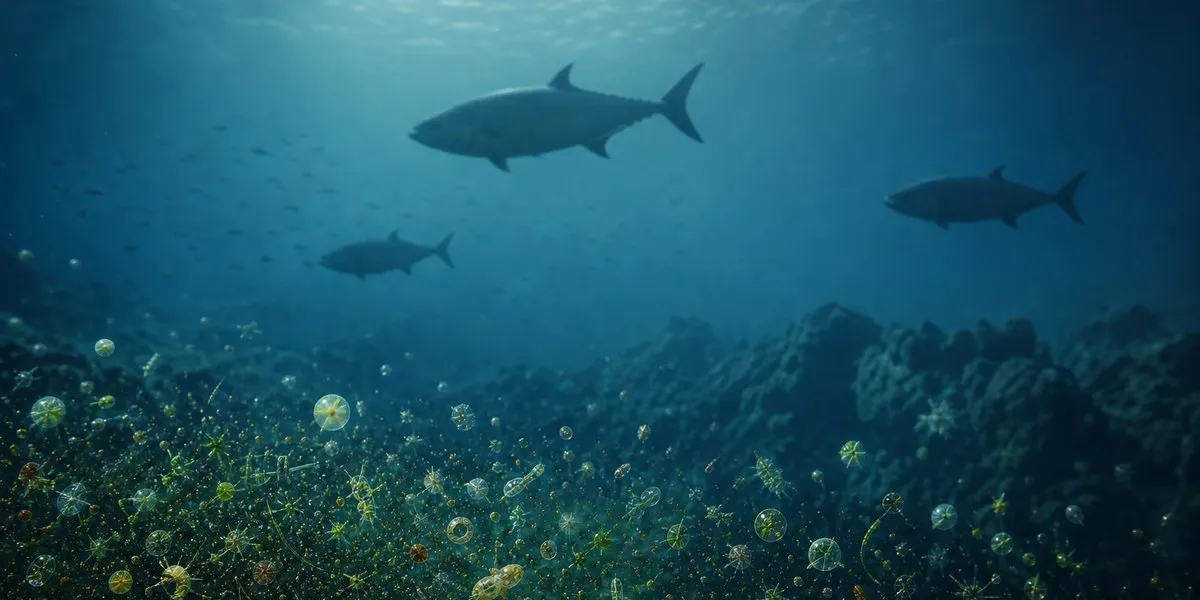
The research suggests that warming oceans could create an imbalance between predators and their prey. Although certain fish species and seabed-dwelling invertebrates may benefit from changing environmental conditions, essential plankton populations could decline. Such changes could weaken the interconnected relationships that support marine ecosystems, potentially affecting fish populations, commercial fisheries and the long-term availability of seafood.

The seas surrounding the British Isles have already experienced significant warming. The southern North Sea, in particular, has been identified as one of the world’s marine climate hotspots, reflecting the rapid increase in ocean temperatures over recent decades. These developments have raised concerns among scientists about the ability of marine species to adapt to changing environmental conditions and maintain stable ecosystems.
The new study examined the potential consequences of a climate scenario involving approximately 3 degrees Celsius of global warming by 2100. Its projections indicate that the effects will not be evenly distributed across different groups of marine organisms. By the middle of this century, fish and seabed invertebrate diversity could increase by approximately 12 per cent. However, phytoplankton diversity could decline by around 3 per cent, while zooplankton diversity could fall by approximately 7 per cent.
These findings are particularly important because plankton form the foundation of many marine food webs. Phytoplankton, microscopic plant-like organisms that use sunlight to produce energy, contribute significantly to marine productivity and help support the global carbon cycle. Zooplankton, which include tiny drifting animals, feed on phytoplankton and serve as an essential food source for numerous fish species and other marine organisms.
A decline in these populations could therefore create consequences extending throughout the ocean ecosystem. Smaller organisms provide nourishment for larger species, while fish and other predators depend on the availability of suitable prey to survive and reproduce. If the diversity of predators increases while the diversity of their food sources decreases, the resulting imbalance could place additional pressure on marine populations.
Marine ecologists involved in the research have emphasised that increasing biodiversity in one section of the food chain does not automatically indicate an improvement in the overall health of an ecosystem. A greater variety of fish species, for example, may appear positive, but that development could conceal declining populations of organisms that sustain the wider marine environment.
Elena Couce, a marine ecologist at the Centre for Environment, Fisheries and Aquaculture Science, said the research revealed an unexpected pattern in how warming temperatures could influence biodiversity. Rather than increasing or decreasing the number of species uniformly, climate change could produce different outcomes depending on the position of organisms within the marine food chain.
Scientists had initially expected middle-latitude regions such as the United Kingdom to experience an overall increase in marine biodiversity. As ocean temperatures rise, species from warmer southern waters are expected to move towards northern regions, while some cold-water species may shift further north or experience declining suitable habitats. This movement could introduce new species into British waters, potentially increasing the number of species found in certain areas.
However, the latest projections suggest that this process will not benefit every group of marine organisms. Some species may expand their geographical distribution, while others could struggle to survive under changing conditions. The researchers believe this uneven response could alter the structure and functioning of marine ecosystems in ways that are difficult to predict through traditional biodiversity assessments.
Earlier research by Cefas had already identified potential winners and losers among commercially important fish species in north-western European waters. Warmer conditions could create more favourable habitats for species such as anchovies, seabass and sardines. In contrast, traditional cold-water species, including Atlantic cod, haddock and coley, could face increasingly challenging environmental conditions.
Such changes could have important implications for the fishing industry. The movement of commercially valuable fish towards new areas may require adjustments to fishing practices, management strategies and conservation policies. Communities that depend heavily on established fishing grounds could face economic uncertainty if familiar fish populations decline or move beyond their traditional locations.
The potential decline in plankton populations presents an additional concern because it could affect the availability of food for commercially important fish. Even if certain fish species initially benefit from warmer temperatures, the long-term sustainability of their populations may become uncertain if the organisms supporting their diets decline.
Lily Greig, another marine ecologist at Cefas and co-leader of the research, said the findings demonstrated how climate change could redistribute biodiversity unevenly throughout marine food webs. She highlighted the possibility that rising predator diversity alongside declining prey diversity could destabilise ecological relationships and weaken the resilience of ocean ecosystems.
The research was conducted by an international team led by Cefas, with contributions from scientists at the University of East Anglia, the Marine Biological Association, UiT The Arctic University of Norway, the Royal Netherlands Institute for Sea Research and the Technical University of Denmark. The findings were published in the scientific journal Science Advances.
To develop their projections, researchers examined multiple long-term environmental and biodiversity datasets and applied advanced machine-learning techniques. These methods helped them identify relationships between changing environmental conditions and the distribution of marine species. Using the resulting models, the scientists were able to estimate potential biodiversity changes across the region through to 2100.
The researchers believe their findings could serve as an early-warning system for identifying marine ecosystems facing the greatest risks from climate change. By highlighting areas where biodiversity is changing rapidly and identifying vulnerable groups of organisms, the research could help policymakers develop more effective conservation and fisheries management strategies.
The findings have already been submitted for consideration in the UK government’s review of marine protected areas. The review is examining how existing conservation arrangements and fisheries management measures can contribute to environmental protection and national biodiversity objectives.
Scientists have stressed that future marine protection policies must account for climate-driven changes rather than relying exclusively on historical patterns of species distribution. Areas that currently support particular marine populations may not provide the same ecological conditions several decades from now. Conservation strategies may therefore need to become more flexible, allowing management decisions to respond to shifting habitats and changing species populations.
The research also raises broader questions about the relationship between climate change, ocean health and global food security. Millions of people worldwide depend on marine resources for food, employment and economic activity. Although the immediate effects of changing biodiversity may vary between regions, disruptions to marine food webs could eventually influence fish availability, fisheries productivity and the livelihoods of coastal communities.
As ocean temperatures continue to rise, scientists warn that protecting marine biodiversity will require a better understanding of how individual species interact within complex ecosystems. The challenge will not simply be to preserve the number of species found in British waters, but to maintain the ecological relationships that allow marine environments to function effectively.

The researchers believe early action could help reduce future risks by improving marine monitoring, strengthening protected areas and incorporating climate projections into fisheries management. Without such measures, the changing balance between predators and prey could undermine the resilience of marine ecosystems and create lasting challenges for the fishing industry.
The findings underline the importance of treating ocean warming as more than a problem involving rising temperatures. It is also transforming the biological relationships that sustain marine life. By 2050, the waters surrounding the United Kingdom could support a significantly different mix of species, but a greater variety of fish and seabed organisms may not necessarily mean healthier oceans. The long-term stability of marine ecosystems will depend on whether the smallest organisms at the foundation of the food chain can continue supporting the larger species and communities that depend on them.
Related News:
 Battery Fires Cost UK Recycling Industry £1bn
 UN Warns Record El Niño Could Supercharge Global Heat
 Europe Faces Climate Reckoning After Extreme Summer
 Super El Niño Threatens Hundreds of Thousands of Lives
 Norfolk Broads Housing Levy Faces Environmental Criticism
 Swiss Glaciers Lose Nearly One-Fifth of Ice in Five Years
 Edinburgh Glasshouses Reopen After Major Restoration
 Drax Datacentre Faces Major Carbon Emissions Concerns
 Britons Demand Greater Honesty on Climate Crisis
 UK Shoppers Urged to Avoid Hake and Coley
 UN Warns World Must Cut Emissions by 18% by 2030
 UK New Car Discounts Near £6,000 as Prices Are Slashed
 Scotland’s Climate Plans Face Scrutiny Over ‘Science Fiction’ Targets
 Ocean Warming Drives Massive Marine Life Loss, Study Warns
 Musk’s xAI Permit Sparks Fury Over Power Plant Expansion
 UK Records Earliest Spring as Nature Awakens Fast
 Heavier SUVs Accelerate Britain’s Pothole Crisis
 Chornobyl Still at Risk 40 Years After Disaster
 Capitalism ‘Suicidal’, Warns Petro at Climate Summit
 Record May Heat to Cold Front in Eastern Australia
 Doomsday Clock Nears Midnight Amid Global Crises
 UK Faces Mass Water Shortages by 2055, Lords Warn
 UK rejects EV charging VAT cut amid Treasury clash
 UN Issues Urgent Warning: Imminent Return of El Niño
 UK Seas Face Extreme Heatwave as Global Temperatures Surge
 Three-Quarters of England’s Riverbanks Still Off Limits
 London’s 2026 ‘Great Stink’ Raises Sewer Concerns
 Wildfires rage across Europe as hundreds arrested in France
 Turkmenistan Begins Fixing Major Methane Mega-Leaks
 Daughter Finds Bones in Parents’ Burned-Out Car
 Nepal seeks $20m climate compensation after deadly floods
 Australia gives users control over social media algorithms
 Heathrow Expansion Faces New Climate Conditions Over CO₂
 Tropics May Wait Longest for Net-Zero Climate Benefits
 UK Plans New Centre to Counter Information Warfare
 Nepal PM calls deadly flood a global climate warning
 Thai downpours shift north-westwards after Bangkok floods
 UN Warns of Narrowing Window to Restore Forests
 Berlin App Helps Residents Protect City Trees
 Polanski Says Leadership Not Tied to By-election Result
 Bangkok Floods Push City to Breaking Point
 Argentina Protesters Resist Milei’s Land Sale Drive
 New Zealand Faces Rising Climate Threats as Glaciers Shrink
 Tech-Optimist Scientists Less Likely to Take Climate Action
 Norway Fjord Faces Fresh Mine Waste Dumping
 Bendy Elm Named UK Tree of the Year
 UK Water Firms Earn Millions From Industrial Wastewater
 Panama Hit by Powerful 7.7-Magnitude Earthquake
 Indonesia Tests Dry Ice as Toxic Haze Spreads Across Asia
 Climate Change Makes Tap Water Unsafe in Arctic Norway
 Magnitude-7 Earthquake Strikes Tibet, Killing at Least 16
 Melting Dolomites Glaciers Reveal 250 WWI Explosives
 UK Weighs Tougher Firework Rules Over Animal Welfare
 UK Ministers Warned Over Lobbying by Indian Mega-Zoo
 Denmark Seeks EU-Wide Ban on Fast-Growing Turbo Chickens
 UK Warned Over Dangerous Dependence on China for Minerals
 UK Bans Fake Numbers: Scammers Lose Their Trick
 Patients to Test Health at Home to Ease NHS Winter Pressure
 Britain deploys RAF specialists to assist Belgium with drone threats
 ‘Extinct’ Antelope Returns to Sahara, Bringing Hope
 Judi Dench Champions Fight to Save London’s Green Spaces
 Gordon Brown urges court for crimes against children
 The Kill Line: A Shifting Vision of the American Dream
 ‘Drinking from a Fetid Pond’: Superbug Genes in Lough Neagh
 Extreme Weather: Europe Shivers as Cyclone Narelle Hits
 Relationship with Trump may be beyond repair, Starmer warned
 Artemis II Returns After Historic Moon Flyby
 RFU Backs Borthwick Despite England’s Poor Six Nations
 Britain’s Crowning Butterfly Takes the Nation by Storm
 Olympus Awaits Unesco Heritage Recognition
 Powerful 7.7-Magnitude Earthquake Hits Eastern Indonesia
 Bayeux Tapestry Revives Franco-British Ties
 Tom Watson Takes Senior Role at Palantir
 British Columbia Sues OpenAI Over School Shooting
 Trump gives Xi red-carpet welcome as trade truce extends
 London Facial Recognition Trial Ends With False Alert
 Tories Plan Major Overhaul of UK Environmental Rules
 UK Visa Refusal Threatens Baby’s Family Christmas
 UK Land Registry Plan Faces Opposition From Landowners
 UK Chancellor Moves to Scrap Gas Standing Charges