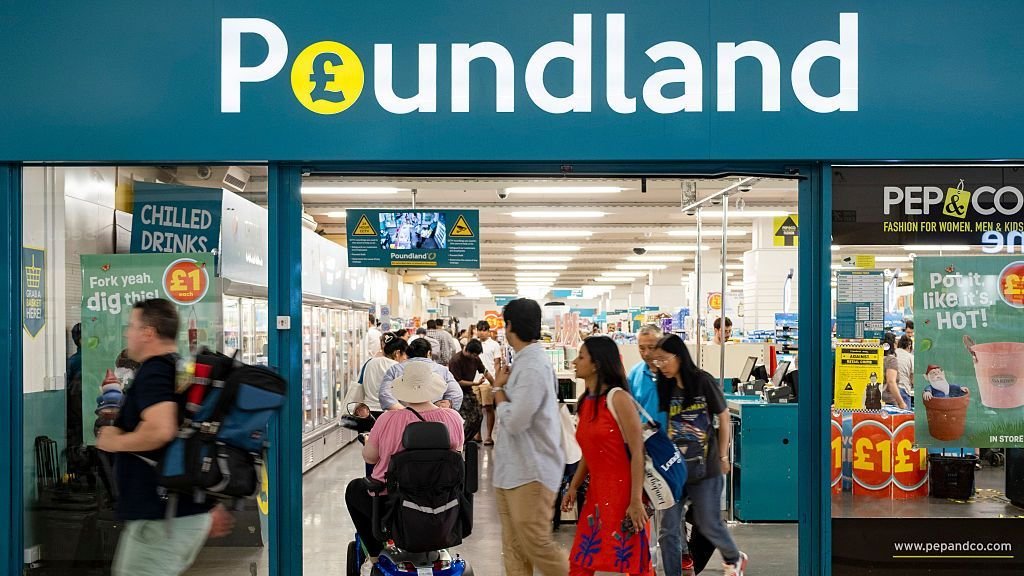
The future of British discount retailer Poundland remains uncertain as its American owner, Gordon Brothers, continues discussions with potential buyers following growing concerns over the company’s financial position and the threat of administration. Despite ongoing efforts to secure a rescue agreement, the investment firm has acknowledged that the retailer remains vulnerable, placing approximately 12,000 jobs and hundreds of high street stores under serious pressure.
The latest development comes after representatives of Gordon Brothers and Poundland separately held discussions with government ministers about the struggling retailer’s future. The meetings have intensified pressure on the US-based owner to find a practical solution that could prevent the collapse of the well-known discount chain and protect the livelihoods of thousands of employees across the United Kingdom.
Gordon Brothers said on Thursday that discussions with interested parties were continuing and that it was exploring every available option to secure the best possible outcome. The company maintained that its priority throughout the sale process had been to protect as many jobs as possible while preserving the value of the business for employees, creditors, suppliers and local communities.

In a statement, a spokesperson for Gordon Brothers said the company was actively engaging with potential buyers and considering offers as part of an ongoing effort to find a sustainable solution. The firm said the process was progressing quickly, although it did not provide a specific timetable for completing a transaction or confirm whether a final agreement was close.
The owner also defended its involvement in Poundland, arguing that the retailer was already experiencing significant financial difficulties when it acquired the business. Gordon Brothers said the company had required a substantial restructuring programme, urgent operational improvements and considerable financial support to maintain its trading activities.
The American investment firm acquired Poundland last year for just £1, taking control of a business that was already facing considerable financial pressure. Since then, it has attempted to restructure operations and improve the retailer’s commercial position. However, despite these efforts and the work undertaken by Poundland’s management, the company has continued to experience difficulties.
Gordon Brothers acknowledged that Poundland remained exposed to potential declines in future trading, suggesting that its financial recovery was far from secure. The statement described the retailer as challenged and vulnerable, raising further questions about whether the business could continue operating successfully without a new owner or additional financial backing.
The situation became increasingly serious last week when Poundland filed a notice of intention to appoint administrators. The legal procedure provides a business with temporary protection from certain creditor actions, giving it time to explore rescue arrangements before potentially entering formal insolvency proceedings.
The notice has created a limited window for the retailer to secure a buyer or agree on another financial solution. Under the relevant process, the company receives 10 working days of breathing space from creditors, although an extension may be possible under certain circumstances. Without a successful rescue arrangement, Poundland could face administration, potentially resulting in store closures, job losses and financial damage to suppliers.
The retailer’s board has appointed advisory firm AlixPartners to oversee the process. The move followed Gordon Brothers’ decision to stop providing funding to the business, increasing the urgency of finding an alternative financial arrangement.
A sale process had already begun at the start of September, with advisers approaching interested parties about purchasing the business. Discussions have involved potential buyers interested in acquiring the Poundland brand and a substantial number of its stores. However, the retailer’s financial difficulties have complicated negotiations and raised questions about how much of the existing business could be preserved.
The possibility of a collapse has attracted considerable attention from the British government, particularly because Poundland plays an important role in many communities. Its stores provide affordable household products, food, cleaning supplies, personal care items and everyday essentials to millions of customers, including households facing pressure from the rising cost of living.
Prime Minister Andy Burnham has urged the American owner to focus on employees and find a workable agreement that keeps viable stores operating. He stressed that Poundland’s presence on British high streets was important not only for workers but also for local residents and communities that rely on its affordable products.
Speaking about the company’s future, Burnham called on executives to prioritise the people employed by the retailer and work with the government to identify a practical solution. He argued that many of the stores represented viable businesses and should not automatically face closure because of the wider financial problems affecting the company.
The prime minister also indicated that the government was prepared to explore possible forms of assistance within its available powers. His comments reflect growing political concern about the consequences of allowing a major discount retailer to collapse, particularly at a time when many British high streets are already struggling with declining footfall, rising operating costs and changing consumer behaviour.
However, any government involvement will depend on the financial circumstances of the business and the availability of realistic options to preserve operations. Securing a buyer willing to invest in the retailer is likely to remain central to the rescue effort.
The potential collapse of Poundland could also create significant difficulties for its suppliers. Businesses that provide products and services to the retailer face the possibility of substantial unpaid invoices and financial losses if the chain enters administration.
Several suppliers are reportedly concerned about millions of pounds in potential losses. For smaller companies that depend heavily on large retail customers, the loss of payments from Poundland could create serious cash-flow problems and threaten their own operations.
Suppliers have argued that Gordon Brothers should not be allowed to prioritise maximising its financial return at the expense of businesses that have continued supplying the retailer. They believe the rescue process should consider the wider economic consequences of a potential collapse, including the impact on manufacturers, distributors and other commercial partners.
The concerns highlight how the financial difficulties of a major retailer can spread beyond its own workforce and stores. A collapse could affect thousands of employees directly while also placing pressure on suppliers, landlords, transport companies and other businesses connected to its operations.
Poundland’s position also reflects wider challenges facing discount retailers in the United Kingdom. Although consumers increasingly seek affordable alternatives during periods of economic uncertainty, operating a large retail network has become more complicated because of higher wages, energy expenses, transportation costs and other business overheads.
Competition within the discount retail market has also intensified. Retailers must balance low prices with sufficient profit margins while responding to changing customer expectations and rising operating expenses. For businesses with limited financial flexibility, even relatively small changes in sales or costs can create significant pressure.
Poundland’s established position on British high streets gives it considerable brand recognition and a large customer base. Nevertheless, maintaining an extensive network of stores requires consistent investment, effective supply chains and a sustainable financial structure. Without those foundations, even a familiar retailer can face serious difficulties.
The current negotiations therefore represent a critical moment for the company. Potential buyers must assess whether Poundland can return to sustainable trading, how many stores can remain commercially viable and what level of investment would be necessary to support a successful turnaround.
For the retailer’s approximately 12,000 employees, the uncertainty has created understandable concerns about job security and the future of their workplaces. Many workers have built their careers around the business, while stores also provide employment opportunities in towns where alternative jobs may be limited.
Local communities could face additional consequences if stores close. Poundland outlets often serve as accessible shopping destinations for residents seeking low-cost essentials, particularly in areas where household budgets are under pressure. Their disappearance could reduce shopping choices and further weaken already struggling high streets.

Gordon Brothers has reiterated that it intends to pursue all available opportunities to protect jobs and preserve value. However, the company’s acknowledgement that Poundland remains vulnerable demonstrates the scale of the challenge facing the retailer.
As discussions with potential buyers continue, the coming days could prove decisive in determining whether Poundland secures a rescue agreement or moves closer to formal insolvency. The outcome will have consequences extending well beyond the company’s ownership, affecting employees, suppliers, customers and communities across Britain.
For now, the government is pressing for a solution, advisers are continuing negotiations and potential investors are assessing the business. Whether those efforts can deliver a sustainable future for one of Britain’s best-known discount retailers remains uncertain.
Related News:
 Oil nears $100 as Saudi attacks shake markets
 John Lewis Losses Widen to £124m as Confidence Falls
 Thames Water Revises Oxfordshire Mega-Reservoir Plan
 UK Trade Losses Grow Without EU Product Deal
 AO Acquires Jessops in Camera Retail Expansion
 Beaverbrooks Boss Calls for Relief on Business Costs
 Poundland Rescue Bid Could Protect 11,000 Jobs
 UK Diesel Reaches £2 as Inflation Surges Across Europe
 Minister Rejects Fears of UK Diesel Shortage
 BT Agrees £400m TalkTalk Rescue Deal
 Informa Agrees £2.24bn Deal to Buy Clarion
 Healey Plans £1bn Online Marketplace Tax Crackdown
 Labour MPs Urge Burnham to Lead UK Reindustrialisation
 Lloyds Warns Against Extending Higher Bank Tax
 BP Profits Surge as Middle East Conflict Lifts Margins
 Wealthy Britons Flee Gulf War but Avoid UK Taxes
 BBC News Faces Deep Cuts in 2,000 Job Plan
 Reeves Fights to Keep Treasury Role Amid Labour Turmoil
 UK rejects EV charging VAT cut amid Treasury clash
 UK Households Could Save £173 on Fixed Energy Deals
 Burnham Faces Mounting Budget Challenges
 Spire Healthcare Agrees £1bn Takeover by Toscafund
 UK House Prices Fall as Mortgage Rates Rise
 Billionaire Chris Rokos poised to leave UK
 JPMorgan Boss Warns Against UK Bank Tax Rise
 UK Retailers Accused of Breaking Refund Laws
 Entain Plans 400 Job Cuts After Profit Update
 Next Raises Profit Forecast After Strong Summer Sales
 UK Productivity Improves as Bank Weighs Interest Rates
 Barclays Staff Push Back Against Office Return Plan
 UK Retail Sales Rebound as Consumers Spend More
 UK Rent Gap Puts Low-Income Families Under Pressure
 Calls Grow to Expand UK National Wealth Fund
 MPs Defend UK Economic Watchdog Against Critics
 Chinese Hybrid Car Surge Raises EU Auto Industry Concerns
 Tony Blair Calls for Britain to Rejoin EU Within a Decade
 TalkTalk Races to Sell Arms as Administration Looms
 Should Savers Lock Into 5.25% Fixed Rates?
 UK Diesel Prices Hit Record High Amid Iran Conflict
 New UK Homes in Flood Zones Face Insurance Risk
 Bank Chief Calls for Power to Intervene in AI
 Healey urged to act as UK energy bills rise 4%
 UK house price growth slows as mortgage rates rise
 UK borrowing costs surge as global bond sell-off deepens
 UK Bookmakers Linked to Offshore Casino Deal
 Boots Sale Nears as Weston Family Eyes $9bn Deal
 BBC Three and Scotland Face Online-Only Future
 UK Assures Public Over Diesel Supply
 UK Faces Calls to Review Bank Failure Bets
 UK Weighs Chinese Car Tariffs Amid EU Trade Push
 Asos Investigates Hack Claims After Customer Alerts
 EU-China Talks Target Surge in Hybrid Car Imports
 Google Maps Brings Live Fuel Prices to UK Drivers
 Tesco Raises Profit Forecast as Consumer Confidence Holds
 Ministers Push ATO to Reconsider Credit Card Ban
 Australia Delays Tax Credit Card Payment Ban After Backlash
 Labour Fears Budget Will Fail to Lift Living Standards
 IFS Warns UK Budget Faces £35bn Spending Gap
 UK Van Drivers Face £2.5bn Diesel Cost Surge
 EU Caps Chinese Hybrid Car Imports at 350,000
 IMF Warns Global Economy Is Nearing Its Limits
IMF Raises UK Growth Forecast Ahead of Healey’s Budget
 UK Water Firms Face £107m Bill Reduction Penalties
 Iran War Pushes UK Corporate Profit Warnings to Two-Year High
 UK Unemployment Falls to 4.7% as Vacancies Decline
UK Borrowing Hits £24.5bn Ahead of Healey’s Budget
 Sainsbury’s Warns of Tough Christmas Ahead
 Tax Online Sales to Save High Street, Burnham Urged
 UK Consumer Confidence Plunges at Fastest Rate Since Brexit Vote
 China’s AI Ambitions Hit $2.4 Trillion Market Setback
 Healey Set to Scrap Planned Cut to Cash ISA Allowance
 UK Budget Leaves Households Facing Higher Energy Bills
 UK Side-Hustle Tax-Free Limit to Rise to £3,000
 London Luxury Homes Face Deeper Price Declines
 Avanti West Coast Faces £70m Refund Bill
 Australia Faces Deeper Economic Slowdown
 UK Mortgage Holders Face Fresh Payment Shock
 Ryanair Weighs Pay Freezes as Fuel Costs Surge
 Virgin Media O2 Plans Thousands of Job Cuts
 David Jones Faces Administration After Talks Collapse