
Published: 01 October 2026. The English Chronicle Desk. The English Chronicle Online
Hundreds of prisoners in England and Wales are being released early from custody from Thursday, amid growing concern among probation officers that a shortage of suitable accommodation could leave some former prisoners without a stable place to live. The warning comes as the government begins implementing a new release framework designed to ease severe pressure on the prison system, with thousands of prisoners expected to leave custody earlier than under previous arrangements.
The immediate concern is not simply the number of people being released, but whether the probation and community-support system has enough accommodation, staff and monitoring capacity to manage those individuals after they leave prison. Probation officers and their representatives have warned that some areas are already struggling to find hostel or approved accommodation places, raising the possibility that some people could be released directly into homelessness.
The first phase of the expanded release programme begins on 1 October, with several hundred prisoners expected to leave custody. Government estimates indicate that releases under the new progression model will continue in stages from October 2026 through June 2027 as the authorities attempt to manage prison capacity. The policy forms part of a wider response to the continuing pressure on the prison estate.

The government has argued that the changes are necessary because the prison system has been operating under intense capacity pressures. Under the Sentencing Act 2026, which takes effect for the relevant release provisions from October, many prisoners serving standard determinate sentences will become eligible for release after serving at least one-third of their sentence. For prisoners serving sentences for more serious offences covered by the relevant provisions, the minimum custodial period is generally half of the sentence, while certain categories remain subject to different arrangements.
The changes mean that prisoners released early will normally spend the remainder of their sentences in the community under licence and supervision. This places additional responsibility on the Probation Service, local authorities and community organisations to ensure that people leaving prison have somewhere safe to stay and can comply with the conditions imposed on them.
Accommodation has therefore become one of the most pressing issues surrounding the release programme. Probation representatives have warned that existing hostel and supported accommodation capacity is already stretched in some towns and cities. Where appropriate accommodation cannot be secured, officials may face difficult decisions over how people are housed immediately after release.
The issue is particularly significant because stable accommodation is widely regarded as an important part of rehabilitation after imprisonment. Someone leaving custody without a fixed address can face difficulties accessing benefits, healthcare, employment and other essential services. Homelessness can also make it harder for probation officers to maintain regular contact and ensure that licence conditions are being followed.
Enver Solomon, chief executive of the social justice organisation Nacro, has warned that leaving prison without accommodation can contribute to a cycle in which people return to custody. He has called for prisons, probation services, councils and community organisations to work together so that people leaving custody have access to suitable housing.
The pressure is not limited to accommodation. Probation officers have also raised concerns about staff shortages and workloads. The union representing probation officers has warned that practitioners are already dealing with demanding caseloads and that the additional number of people entering community supervision could place further strain on the service.
Electronic monitoring is another area attracting attention. The government has announced a major expansion of electronic tagging, with the intention that more offenders released from prison will be monitored electronically. However, a recent inspection report highlighted problems with the timely fitting of monitoring devices. According to findings reported this week, only 55% of GPS and radio-frequency tags were fitted on time, while the corresponding figure for alcohol monitoring tags was 60%. Some individuals were reportedly waiting for months before equipment was installed.
That creates a practical challenge for a system increasingly dependent on electronic monitoring as part of community supervision. A tag can provide authorities with information about an individual’s location or compliance with specified conditions, but it cannot replace accommodation, probation contact or other forms of rehabilitation and support.
The government’s wider strategy is intended to address the prison-capacity problem while increasing supervision outside prison. The Ministry of Justice has said it is building 14,000 additional prison places and working with councils and charities to reduce homelessness among people leaving prison. It has also committed £700 million to probation and community services.
Official statistics demonstrate the scale of the wider prison and probation system. The prison population of England and Wales stood at 87,342 at the end of March 2026, according to Ministry of Justice figures, while more than 248,000 people were under probation supervision at the end of December 2025. The probation caseload had increased compared with the previous year, illustrating the significant number of people already being managed in the community.
The early release programme has also developed amid continuing political and public debate over how the government should respond to prison overcrowding. Ministers have argued that the existing capacity problem was allowed to develop over a number of years, while opponents have questioned whether the probation system is sufficiently prepared to deal with the consequences of releasing prisoners earlier.
The government has introduced exclusions intended to prevent some of the most serious offenders from benefiting from the changes. The new release arrangements do not apply in the same way to certain categories of prisoners, including some offenders serving sentences for serious sexual and other specified offences. The precise release arrangements depend on the offence, sentence and statutory provisions applying to the individual case.
For victims of crime, the timing and conditions of an offender’s release can be particularly important. The Ministry of Justice has issued guidance explaining changes to release arrangements and how victims can receive information about changes to release dates and licence conditions. The government says the new system is intended to combine earlier release with stronger supervision in the community.
The debate therefore extends beyond the question of whether prisoners should leave custody earlier. The practical challenge is whether the services responsible for supervising them can provide the housing, monitoring and support required once they are outside prison. If accommodation is unavailable, probation officers may have fewer options for managing individuals who require close supervision.

For people leaving prison, the first days and weeks after release can be especially important. Finding somewhere to sleep, reconnecting with family, accessing employment or benefits and complying with licence conditions can determine whether the transition back into the community is stable or chaotic. A lack of accommodation can complicate each of these steps.
The government’s prison-building programme may eventually ease pressure on the prison estate, but the immediate release programme is placing a significant responsibility on services operating outside prison. Probation officers, councils and charities are now expected to manage additional demand while dealing with existing shortages.
As the first group of prisoners leaves custody under the expanded arrangements, attention is likely to remain focused on whether sufficient accommodation can be secured and whether probation services have the resources required to supervise those released. The coming months will provide an important test of whether the government’s approach can reduce pressure on overcrowded prisons without transferring an equally difficult burden to already stretched community services.
Related News:
 Undercover officer deceived women with ‘grotesque and cruel’ lies, spycops inquiry told
 Barrister Criticises Trial After Suicide Case Verdict
 Victim says non-custodial rape sentence ‘rock in my face’
 Westminster Council Threatens Charing Cross Soup Kitchen
 BBC Warned About Missing Clothes of Murder Victim
 Cambridge Professor Jason Arday Found Dead at Home
 Ministers Condemn Far-Right Unrest in Portsmouth
 Councils spend £125m on illegal children’s care
 Patriot Platform Raises Concern Across Britain
 Mahmood Warns Far Right Over Asylum Protests
 Briton Faces Cyprus Court Over Son’s Fatal Fall
 UK Reviews Hague Child Abduction Cases Involving Abuse
 King Refers Jamaica Slavery Petition to Privy Council
 Far-Right Activist Arrested After Channel Dinghy Incident
 Portadown protest ends after tense Orange Order standoff
 Fayed Survivors Demand Inquiry Into Medical Regulator
 London Facial Recognition Trial Ends With False Alert
 It’s time to come clean on the China spy case
 Five More Prisoners Freed by Mistake in Essex Week
 Nearly 48,000 Zombie Knives Removed from UK Streets in a Year
 Afghan man charged with murder after west London knife attack
 Man Charged Over Cambridgeshire Train Stabbing
 French Taxi Driver Cleared in David Lammy Theft Case After Fare Dispute
 Just Stop Oil Protesters Convicted Amid Climate Defence Row
 Lammy ‘misinformed’ over Wandsworth prisoner releases
 Met Police Culture Makes Racial Harm ‘Inevitable’
 British Grandmother to Return Home After Death Sentence in Bali
 Remaining rebel Labour MPs have whip restored
 Bar Council urges legal aid for all domestic abuse family cases
 ‘Fake Admiral’ Sparks Outrage at Remembrance Event
 Paralegal Fired After Exposé on Illegal Worker Scam
 Dan Wootton Rejects Catfishing Allegation in Court
 Serial Rapist and Former Cop Found Guilty Again
 Gardener Guilty of Brutal Attack on Teacher Partner
 Twelve Prisoners Released in Error, Two Still Missing
 Woman Jailed for Life After Killing E-Bike Rider in Tragic Mistaken Identity Case
 Prevent Failings Exposed After Southport Attack
 Mass Arrests at London Palestine Protest Spark Debate
 Synagogue Arson Attempt Sparks Security Fears
 NHS Safety Fears as Nurses Cover Doctor Gaps
 Walsall Rapist Jailed After Hate-Filled Online Trail
 Two Children Die in Wolverhampton House Fire Tragedy
 Police Suspect Help in Missing Alice Springs Girl Case
 UK may ban protests amid rising antisemitism fears
 Greens Face Internal Row Over Antisemitism Claims
 Cornwall Van Dwellers Face Eviction in Housing Crisis
 Murder Probe Continues After Arrest Release
 Teen Charged After Layla Jeffery Found Dead
 Internal Exclusions Surge in England’s Schools
 Masked Protesters Bring Dover Port Traffic to Standstill
 UN expert urges UK to rethink Israel policy
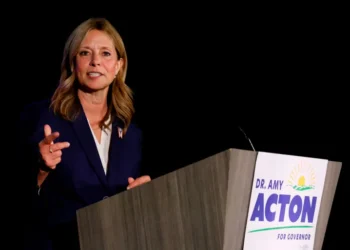 Armed Suspect Attacks Ohio Governor Candidate
 Miliband Rejects Chief Rabbi’s West Bank Warning
 Reform UK Receives Record £36m Donation From Crypto Billionaire
 Election Candidate Abuse Raises Alarm in England
 UK Urged to Probe US Diplomat Case
 UK Retailers Accused of Breaking Refund Laws
 Lisa Nandy Calls for Tougher Action on Social Media Doxxing
 Piddington Votes for Symbolic Independence Over Asylum Plan
 Texas Transfers Raise Fears for Migrant Children
 Disabled Travellers Seek Fairer UK Care Rules
 NHS Breast Care Review Finds Serious Patient Harm
 Harrods Faces Dispute Over Fayed Abuse Compensation
 Patrick Clancy speaks publicly about children’s deaths
 Clancy Defense Seeks Inquiry Into Lone Juror
 Democrat Says ICE Restricted Detention Camp Oversight
 Far-Right Activist Slashes Dinghy in Channel
 Court Says Judge Should Not Have Heard Case From Bed
 Paris child pickpocketing gang leader jailed for eight years
 Free Speech Emerges as Key UK Election Issue
 Three Die in Channel Crossing Attempt Near France
 Tennessee Set to Execute Woman After Clemency Denied
 Cornell Fraternity Assault Investigation Reopened
 Pelicot Trial Play Comes to London for One Night
 French Student Protests Escalate Into Violent Clashes
 Israel-bound Plane Lands in Saudi Arabia After Cockpit Fight
 UK University Strikes Spread as Financial Pressure Grows
 Burnham Opens Door to Possible UK Return to EU
 Drumcree Talks Falter as Legal Challenge Deepens
 UK-France Returns Deal Faces Expiry as Talks Stall