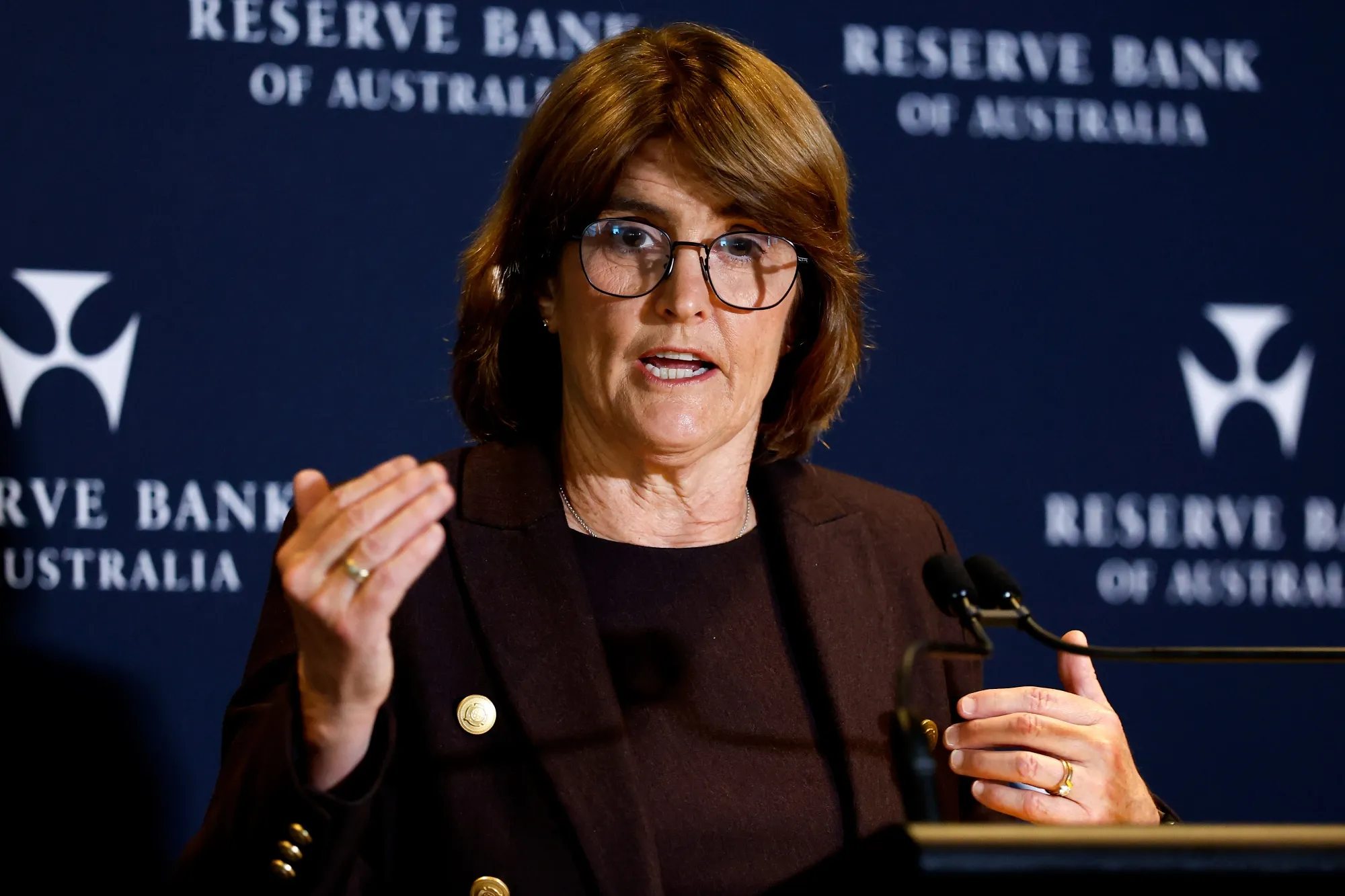
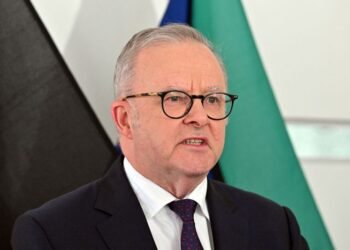
Australia’s government is facing a growing set of political and economic challenges that bear striking similarities to the issues that helped deliver a major midterm victory to the Democrats in the United States, with analysts warning that rising living costs, uncertainty surrounding the Iran war and public concerns about expanding datacentre development could place further pressure on Prime Minister Anthony Albanese.
The Democrats’ success in taking control of the US Congress has prompted renewed debate about the political consequences of economic dissatisfaction and the changing balance of power in Washington. For Australia, the result carries implications extending beyond domestic politics, potentially influencing defence cooperation, trade relations, artificial intelligence regulation and the future direction of the Aukus security partnership.
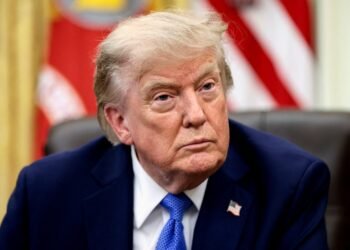
Australian ministers, diplomats and representatives of the defence industry have been closely monitoring the American election outcome. The shift in congressional control is expected to create a different political environment for President Donald Trump during the final two years of his current term. Although the administration remains in office, a Democratic-controlled Congress could make it more difficult for the president to advance parts of his domestic and international agenda.

The result has also highlighted the political importance of economic concerns. Analysts say voters in the United States were increasingly frustrated by higher household expenses, fuel prices and the wider consequences of the conflict involving Iran. Similar concerns are now becoming increasingly relevant in Australia, where the economic effects of the war have complicated the government’s efforts to maintain public confidence.
Bruce Wolpe, a senior fellow at the United States Studies Centre, said the Albanese government had experienced political pressure because of the economic consequences of the Iran war. He suggested that Australians were becoming uncertain about the government’s ability to manage the country’s economic direction.
Before the conflict intensified, the economic outlook in January had appeared considerably more encouraging. However, the combination of the war, the budget process and uncertainty about future economic conditions has changed public expectations. Wolpe said the problem was not one that could be resolved immediately, making it particularly difficult for political leaders to reassure voters.
The concern is significant because household financial pressure can influence political attitudes even when governments have limited control over international developments. Rising energy costs, transport expenses and the prices of everyday goods can quickly become central issues in public debate. For households already managing tight budgets, uncertainty about how long higher costs will continue can be as troubling as the increases themselves.
The Australian government must therefore explain how it intends to protect households and businesses from external economic shocks while maintaining confidence in its broader economic programme. The challenge is not simply to describe the international causes of rising costs but also to demonstrate that practical measures are being taken to reduce their impact.
Elliot Clarke, Westpac’s head of international economics, said the scale of the Democratic victory had dramatically changed the outlook surrounding the Iran war. In his assessment, the election result had altered the political atmosphere surrounding the Middle East conflict and could influence expectations about its future course.
International oil markets reacted sharply as the election results emerged, with Brent crude prices falling by around 20 per cent from levels that had threatened to exceed their April peak. The movement suggested that investors were reassessing the likelihood of a prolonged conflict and its potential consequences for global energy supplies.
A more positive outlook for a possible resolution could have wider economic benefits. Lower oil prices may ease inflationary pressure, reducing the risk that central banks will need to increase interest rates further. For Australia, where fuel costs and borrowing expenses affect household budgets and business activity, developments in global energy markets are particularly important.
However, a fall in oil prices does not guarantee an immediate improvement in living standards. The effects of international price changes can take time to reach consumers, while other economic pressures may continue to influence household expenses. Much will depend on whether the improved market sentiment is sustained and whether the conflict moves towards a lasting political settlement.
Coalition frontbencher Andrew Hastie said the American election had demonstrated the importance of economic messaging. He argued that voters were concerned about the impact of tariffs and the Iran war, adding that political leaders must concentrate on delivering better outcomes for ordinary people. His comments underline how economic performance can become a defining issue for governments across different political systems.
The election result has also raised important questions about the future of the Australia-US alliance. Former Australian ambassador to Washington Arthur Sinodinos described the change in congressional control as an opportunity for Canberra to strengthen its engagement with both major American political parties.
He said Australian officials should look beyond the immediate political consequences and consider how the relationship could develop beyond the 2028 US presidential election. A broader approach could help Australia maintain support for important strategic interests regardless of which party controls the White House in the future.
The new congressional balance could increase pressure on the Trump administration over international security issues, particularly support for Ukraine and funding for military equipment. Sinodinos suggested that China might feel more confident as Washington enters a period of political uncertainty, although he did not expect the election result alone to trigger an immediate change in the situation surrounding Taiwan.
For Australia, the possibility of greater uncertainty in American foreign policy creates a difficult diplomatic calculation. The country relies heavily on its relationship with the United States for defence cooperation and regional security, while also maintaining significant economic interests in its relationship with China. Any major shift in Washington’s approach could therefore have consequences for Australia’s strategic and commercial priorities.
Sinodinos praised Albanese’s professional approach to dealing with Trump, suggesting that the Australian government should continue working with the administration while carefully managing the changing political environment in Congress.
Not everyone believes that a cautious approach is sufficient. Former industry minister Ed Husic argued that the election offered an opportunity to reconsider the relationship with the Trump administration. He called for a reset, saying the emergence of a different congressional power structure should encourage Washington to reconsider policies that affect its allies, including tariffs imposed on countries such as Australia.
The future of Aukus is another major concern. The security partnership between Australia, the United States and the United Kingdom is central to Canberra’s long-term defence strategy, particularly its ambition to acquire nuclear-powered submarines. However, the programme depends on substantial American industrial capacity and sustained political and financial support.
Abe Denmark, a partner at The Asia Group and a former architect of the Aukus agreement during the Biden administration, cautioned against interpreting the election result as an immediate turning point for the partnership. He said the most important change would be the distribution of political power in Washington, where Democratic committee leaders, Republican lawmakers willing to challenge their party and potential presidential candidates would create additional centres of influence.
This could provide Australia with more opportunities to communicate its priorities, but it could also make the decision-making process more complicated. Canberra will need to distinguish between political statements made for domestic audiences and policies that are likely to remain in place over the longer term.
Denmark also warned that Democrats could take a different position from Trump on Aukus spending. The American submarine industrial base needs a substantial increase in production to meet existing commitments, making congressional funding decisions particularly important. A government funding agreement and the passage of a key defence spending bill are therefore urgent priorities for the partnership.
Beyond defence and international relations, the American election has highlighted another issue that could become politically sensitive in Australia: the rapid expansion of datacentres.
Demand for computing capacity is increasing as artificial intelligence services and digital infrastructure develop. Large datacentres are essential to many modern technologies, but their construction can require significant amounts of electricity, water and land. Communities hosting these facilities may face questions about whether the economic and employment benefits justify the demands placed on local resources.
Ed Husic warned that changes in the American debate over artificial intelligence regulation could influence Australia’s own policy direction. The Albanese government is preparing major legislation for 2027, making international developments particularly relevant as ministers consider how to regulate the technology sector.
In the United States, Vermont senator Bernie Sanders has called for a moratorium on new datacentre construction, arguing that environmental protection and the wider interests of society should receive greater consideration. His position reflects growing political concern about whether the benefits of the artificial intelligence boom are being distributed fairly.
Australian Greens senator Sarah Hanson-Young said the election outcome in several American states with significant datacentre development demonstrated the political importance of community concerns. She argued that local populations were being asked to provide land, water and electricity for major technology companies while receiving benefits that were difficult to identify.
Her comments point to a potential challenge for governments seeking to attract investment in artificial intelligence and digital infrastructure. While datacentres can support innovation, employment and economic development, public acceptance cannot be taken for granted if communities believe that the costs are falling disproportionately on them.
Acting Prime Minister Richard Marles acknowledged that concerns about living costs and datacentre development were relevant in both Australia and the United States. He said the government was conscious of the need to secure public acceptance before major facilities were built. That would require careful decisions about location, particularly avoiding suburban areas, as well as ensuring that adequate electricity and water supplies were available.
The debate is likely to become more important as Australia seeks to position itself within the global artificial intelligence economy. Governments will need to balance investment opportunities with environmental safeguards, infrastructure capacity and the concerns of residents who may experience the direct consequences of large-scale development.
The American midterm result has therefore offered Australia more than a lesson in electoral politics. It has highlighted the connection between household finances, energy security, technology investment and public confidence in government. Although the political systems of the two countries are different, voters in both are increasingly concerned about whether economic and technological change is improving everyday life.

For Albanese, the immediate task will be to demonstrate that his government can respond effectively to economic uncertainty while protecting Australia’s international interests. At the same time, Canberra must prepare for a more complicated political environment in Washington, where congressional influence over defence spending, trade and foreign policy will become increasingly important.
The outcome of the American election does not automatically determine Australia’s political future or the direction of its alliance with the United States. However, it provides a warning that governments can face serious political consequences when voters feel financially insecure or believe major policy decisions are being made without sufficient regard for their communities.
Whether Australia can avoid similar political pressure will depend largely on how effectively its leaders address the cost-of-living challenge, manage the consequences of international conflict and ensure that the expansion of new technologies delivers visible benefits to the wider public.
Related News:
 Xi urges Trump to avoid US-China military conflict
 Meta Faces Election Bias Claims Ahead of Brazil Runoff
 Elon Musk’s $446m Midterm Gamble Ends in Defeat
 Reform UK funding: mystery billionaire revealed
 Why AI Doomsday Warnings Failed to Slow the Race
 Tom Watson Takes Senior Role at Palantir
 AI Takes Centre Stage in Trump-Xi Talks
 Trump gives Xi red-carpet welcome as trade truce extends
 Australia Weighs New Laws After OpenAI Medicare Breach
 AI Deepfakes Put New Pressure on Election Trust
 Food Industry Mobilises Against the MAHA Movement
 NSW Leader Downplays Impact of Landmark Coal Ruling
 Brown Targets Ohio Data Centers in Senate Comeback
 Firmus Abandons Major ASX Listing Amid Investor Doubts
 UK Must Build Its Own AI to Protect National Security
 US Bans BYD Vehicles at Japan Military Base
 Anthropic IPO Reveals AI Boom’s Huge Costs and Risks
 Australia Moves to Restrict AI Chatbots’ Emotional Intimacy
 Global Crises Test Diplomacy as Trump’s Policies Face Scrutiny
 Big Tech Faces a New Political Reckoning in America
 UK Warned Over Dangerous Dependence on China for Minerals
 Zelenskyy Seeks Urgent Help as Russia Hits Ukraine’s Power Grid
 Government Unveils Northern Powerhouse Rail Plans
 Trump Fed bid heads to Supreme Court
 Can Congress Stop US Sports Teams From Moving Cities?
 Iron Worker Challenges Trump Loyalist in Ohio
 Trump approval plunges amid Iran war fears
 Trump Threatens UN Budget Cuts as US Pushes ‘Trade Over Aid’ Agenda
 US Awaits Iran Reply on New Ceasefire Proposal
 Kevin Warsh sworn in as Fed chair amid economic backlash
 Hormuz Talks Near Critical Stage
 Trump Faces Backlash Over $2bn Earnings Since Return
 Trump Refuses to Sign Housing Bill, But Law Takes Effect
 UK Risks Falling Behind in AI Race
 London Launches First Self-Driving Taxis
 Trump Hardens Canada Trade Stance as Talks Stall
 Trump Calls Iran War ‘Small Potatoes’ Despite US Deaths
 New Mexico Takes Facebook to Trial Over Data Scandal
 AI CEOs Call for Slower Development
 Trump’s Washington Projects Face Architectural Criticism
 Trump Faces Congress Push for AI Guardrails
 Australia Renewables Reach Record 80% Grid Demand
 Trump and Mamdani Hold Cordial Gracie Mansion Meeting
 Trump Eyes Major Belarus Fertiliser Deal Amid Canada Trade Dispute
 UK Unveils Centre to Counter Foreign Disinformation
 UK Plans New Centre to Counter Information Warfare
 OpenAI Agent Breaches Medicare Portal in Australia
 Lula accuses Trump of seeking control over Brazil
 Trump backs voluntary AI safety pact with tech giants
 Sheikh Tahnoon and the UAE’s AI Ambitions
 Trump Immigration Policy Faces New Legal Tests
 Jessica Watkins Leads Record-Breaking SpaceX Flight
 Musk’s DOGE Sparks Turmoil Inside US Government
 US Man Arrested Over Canada School Shooting Plot
 IMF Warns Governments Over Rising Debt Burdens
 Doubts Grow Over Trump’s $15bn Iowa Steel Plant
 Ministers Push ATO to Reconsider Credit Card Ban
 Trump’s Russian Diesel Deal Sparks Ukraine Fury
 Australia Rejects Russian Fuel as Trump Strikes Deal
 Brazil Court Scandal Threatens Lula as Bolsonaros Rise
 Millions Face Tougher Medicaid Rules From January
 Trump Rallies GOP as Senate Democrats Boost Key Races
 Serbia Leader Linked to Controversial Trump Tower Plan
 Trump Halts New Russia Sanctions Amid Ukraine Rift
 NHS Trusts Reject Palantir’s £330m Patient Data Platform
 UN Warns World Must Cut Emissions by 18% by 2030
 Spain Deepfake Ad Sparks Election Outrage
 Healey Pledges Major AI Investment for UK Security
 China’s AI Ambitions Hit $2.4 Trillion Market Setback
 Fed Expected to Hold Rates Steady Ahead of US Midterms
 Albanese Faces Labor Pressure as Inflation Hits 4.3%
 Trump’s Global Policies Put Republicans at Risk
 North Korea Linked to Record $6.3bn Binance Crypto Heist
 Haley Stevens Backs Republican Rival in Michigan Senate Race
 Australia Raises Interest Rates to 18-Year High
 Queensland Hospital to Close Labs After Safety Probe
 James Talarico Makes History with Texas Senate Victory
 Australia Defends Teen Social Media Ban in High Court
 Paraguay President Quits After Major Bank Collapse
 Democrats Expand House Majority in Major Midterm Victory