Democrats have strengthened their control of the United States Congress after flipping additional Republican-held House seats in the 2026 midterm elections, delivering a significant political setback to President Donald Trump and his Republican Party. A series of closely watched victories across several states has expanded the Democrats’ advantage in the House of Representatives, while the party is also competing in two unresolved Senate contests that could further strengthen its position in Washington.
The latest results represent a substantial shift in the American political landscape. According to the latest figures reported in the election coverage, Democrats are leading Republicans by 253 seats to 157 in the House, with 25 races still awaiting final decisions. The party has secured a 106-seat majority as the counting process continues, reflecting the scale of the electoral gains made by Democratic candidates across the country.
The results have raised fresh questions about Republican leadership, Trump’s political influence and the direction of the administration during the remaining period before the next presidential election. Several Republican candidates who had previously benefited from the president’s political support struggled to retain their seats, while Democratic challengers gained momentum in districts that had been considered important battlegrounds.

Among the notable Democratic victories was Cait Conley’s defeat of Republican incumbent Mike Lawler in New York’s Hudson Valley. Her victory handed Democrats another important House seat and added to the growing list of Republican losses during the election cycle. Zack Mullock also flipped a Republican-held district along the New Jersey shore, while Richard Ojeda secured a Democratic victory in North Carolina.
The gains continued as Democrats captured six additional House seats in another round of reported results, bringing their advantage close to 100 seats before further victories expanded the overall margin. The outcomes demonstrated that Democratic candidates had managed to translate dissatisfaction with the Republican administration into electoral support across multiple regions.
However, Republicans also managed to defend some constituencies. Mike Kennedy secured re-election in Utah’s fourth congressional district, while Amanda McKinney won Washington’s fourth congressional district, replacing retiring Republican representative Dan Newhouse. Tennessee’s ninth congressional district also remained in Republican hands following a redistricting process.
Despite those victories, the broader national outcome represented a serious challenge for the Republican Party. The scale of the Democratic gains suggests that voters in several constituencies were increasingly willing to support candidates promising a different political direction.
Attention has also focused on the Senate, where the Mississippi contest has emerged as one of the closest races of the election cycle. Democratic candidate Scott Colom has established a narrow lead over Republican incumbent Cindy Hyde-Smith as election officials continue counting provisional and affidavit ballots.
Colom’s advantage expanded to 1,813 votes as additional ballots were included in the count. However, thousands of outstanding votes remain, including mail ballots and affidavit ballots that were initially set aside because of technical problems. Some voters have until the following Tuesday to correct issues involving identification documents or address information.
The remaining ballots could prove decisive in determining whether Democrats can capture another Senate seat. Colom has expressed confidence that the outstanding votes will strengthen his position, arguing that provisional and affidavit ballots have historically benefited Democratic candidates in the state.
He has also urged election officials to ensure that every eligible vote is counted. His campaign has emphasised the importance of protecting voting rights and maintaining public confidence in the electoral process.
Republican officials, meanwhile, have maintained that Hyde-Smith remains capable of winning once all legally valid ballots are counted. Mississippi Republican Party chairman Mike Hurst said his party believed the incumbent could secure re-election if election laws were followed properly. He also stated that Republicans would accept the final result if the counting process demonstrated a Democratic victory.
Colom’s campaign has attracted attention partly because of its unconventional advertising strategy. The Democratic candidate argued that national party organisations had largely abandoned Mississippi in previous election cycles, despite the presence of a substantial Democratic voting population.
He maintained that his campaign succeeded by engaging directly with communities and addressing concerns that voters felt had been neglected. His message focused on healthcare access, rising consumer costs, agricultural difficulties, small businesses and voting rights.
Several campaign advertisements gained widespread attention on social media. One particularly successful advertisement highlighted a controversial comment by Hyde-Smith about rising beef prices. When asked about the cost of beef, the Republican senator had responded by referring to the availability of alternative protein sources.
Colom’s campaign used the remark to create a humorous advertisement featuring Mississippi residents expressing frustration with the senator’s response. The video reportedly attracted more than 20 million views across social media platforms, helping the challenger reach voters beyond traditional campaign audiences.
Another advertisement used a Halloween-themed parody, while a more serious campaign video highlighted the legacy of civil rights activist Medgar Evers. Filmed at the house where Evers was murdered in 1963 after working to register Black voters, the advertisement connected the right to vote with Mississippi’s history of racial discrimination and civil rights activism.
The Senate contest remains politically important because a final Democratic victory would strengthen the party’s influence over legislation, congressional investigations and confirmation proceedings.
Meanwhile, the election results have already triggered changes within the federal administration. Harmeet Dhillon, a prominent ally of Trump who led the Justice Department’s Civil Rights Division, resigned from her position. Attorney General Todd Blanche confirmed that he had accepted her resignation.
Her departure represents one of the first major personnel changes involving a senior Justice Department official following the Republican electoral setback. Democrats are expected to use their congressional majority to increase scrutiny of federal agencies, including the Justice Department, potentially bringing additional political pressure on the administration.
The political uncertainty has also raised questions about Defence Secretary Pete Hegseth’s future. Republican Congressman Thomas Massie indicated that he could introduce an impeachment resolution against Hegseth as early as Monday, potentially setting up a House vote during the following week.
Massie has argued that the administration should consider replacing controversial officials while it still has an opportunity to secure Senate approval for their successors. He also suggested that his proposed impeachment resolution was less severe than the investigations and proceedings Democrats could pursue after taking control of Congress.
Hegseth responded to the growing pressure through a combative social media video. Members of his family also publicly expressed support, highlighting the political challenges facing the Pentagon chief as calls for greater accountability intensify.
The Republican defeat has prompted criticism from senior figures within the party. Texas Senator Ted Cruz described the election outcome as a major rejection of Republican leadership, comparing the scale of the setback to the political consequences of the Watergate scandal.
Former Republican House Speaker Newt Gingrich also criticised the party’s performance, describing the election as a failed performance. Their comments reflect growing concern among Republicans about the administration’s political strategy and the party’s ability to maintain public support.
The election has also created uncertainty within the technology industry. The Nasdaq recorded its worst trading day in 19 months after falling 5.5% on Thursday. Investors were increasingly concerned that the new political balance in Washington could lead to stronger regulation of artificial intelligence companies and other major technology businesses.
The possibility of additional congressional oversight has raised questions about the future of AI development, corporate investment and the regulatory environment facing major technology firms. With Democrats preparing to exercise greater influence over legislative priorities, technology companies may face increased pressure to address concerns involving competition, consumer protection and the wider social consequences of artificial intelligence.
Another significant development involved Los Angeles, where progressive urban planner Nithya Raman defeated incumbent Karen Bass to become the city’s next mayor. Raman, who has served on the Los Angeles City Council since 2020, secured a narrow victory in a contest reflecting growing dissatisfaction among voters with the city’s direction.
Her success represents an important local political shift and demonstrates that the midterm cycle has influenced elections beyond congressional contests. Housing affordability, public services, urban development and local governance are likely to remain central issues as the new administration prepares to take office.
In California, Democratic Governor Gavin Newsom announced a major decision concerning the state’s death penalty system. He commuted the death sentences of 548 prisoners, including 529 men and 19 women, converting their sentences to life imprisonment without the possibility of parole.
Newsom said the decision reflected his belief that state-sanctioned executions were incompatible with California’s values and the principles of justice and human dignity. He had previously imposed a moratorium on executions in 2019 and maintained his opposition to capital punishment throughout his governorship.
The announcement represents one of the largest mass commutations of death sentences in modern American history and adds another significant policy development to an election cycle dominated by political change.
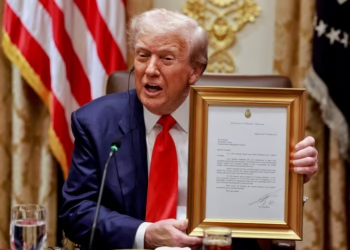
Trump, meanwhile, turned attention towards preserving the decorative changes he has made to the White House. In his first official action following the Republican electoral defeat, he signed a proclamation designating the Oval Office and Cabinet Room as national monuments.
The president said the rooms should not be destroyed or significantly altered by future administrations. However, he acknowledged that a future president could still make changes to the decorations, provided those changes were handled carefully.
His plans for a much larger memorial arch in Washington also encountered significant legal and political obstacles. The National Capital Planning Commission approved the proposed 250-foot structure by an eight-to-four vote following a lengthy public hearing. The project has attracted opposition from individuals and organisations concerned about its purpose, legality and proximity to Arlington National Cemetery.

Shortly after the approval, federal district judge Tanya Chutkan issued a temporary 14-day restraining order preventing construction from beginning. The decision followed legal challenges seeking to halt the project, including cases involving the District of Columbia and Virginia.
The proposed monument has become another controversial issue surrounding Trump’s vision for reshaping the American capital. Opponents have questioned whether the administration has sufficient legal authority to proceed and warned that the structure could undermine the solemn character of the nearby cemetery.
Taken together, the midterm results have exposed a difficult political environment for the Republican administration. Democrats have strengthened their congressional position, several Republican figures are facing renewed criticism, and important policy disputes are emerging over federal oversight, technology regulation and presidential authority.
Although several election contests remain unresolved, the scale of the Democratic gains has already changed the balance of political power in Washington. The coming months are likely to bring more congressional investigations, legislative confrontations and debates over the administration’s priorities as Democrats prepare to exercise their expanded influence over the federal government.
Related News:
 Trump Ads Trigger Fight Over Taxpayer Money
 Tanker Attacked Near Qatar as Hormuz Tensions Escalate
 Brazil Court Scandal Threatens Lula as Bolsonaros Rise
 Trump Targets Arizona and Montana Amid GOP Election Worries
 Brazil Cuts Working Week to 40 Hours in Lula Election Boost
 Trump Rallies GOP as Senate Democrats Boost Key Races
 Serbia Leader Linked to Controversial Trump Tower Plan
 Trump Falsely Questions Ossoff’s Election Legitimacy
 Meta Faces Election Bias Claims Ahead of Brazil Runoff
 Global Crises Test Diplomacy as Trump’s Policies Face Scrutiny
 US Midterms Put Trump’s Presidency to the Test
 Thousands Protest ICE Operations in Nationwide US Day of Action
 US Court Ruling Reshapes Voting Rights Landscape
 US states redraw maps after voting rights ruling
 Judge halts deportation of Yemeni refugees in US
 Trump approval plunges amid Iran war fears
 Trump Threatens UN Budget Cuts as US Pushes ‘Trade Over Aid’ Agenda
 Trump warns Iran as Middle East tensions surge again
 US Awaits Iran Reply on New Ceasefire Proposal
 Hormuz Talks Near Critical Stage
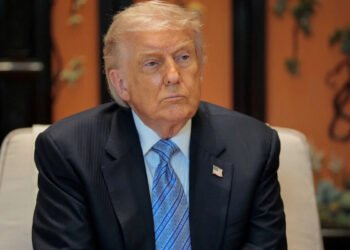 Trump’s Revenge Drive Deepens GOP Divide
 Former ICC prosecutor condemns US sanctions
 Gunman Killed After White House Security Shootout
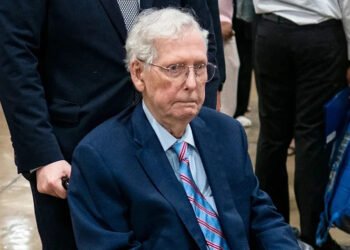 Mystery Grows Over Mitch McConnell’s Health
 Trump Refuses to Sign Housing Bill, But Law Takes Effect
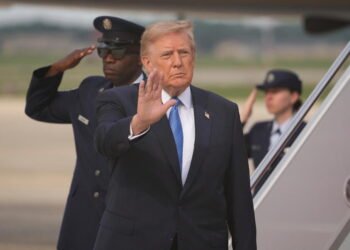 Trump announces major US oil deal with Venezuela
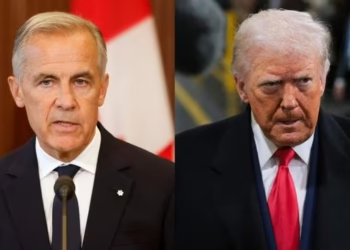 Trump Hardens Canada Trade Stance as Talks Stall
 Trump Calls Iran War ‘Small Potatoes’ Despite US Deaths
 UK plans tougher Israel stance with settlement trade ban
 Trump Pledges $5,000 if Republicans Win Midterms
 US House Passes Russia Sanctions Bill Amid Debate
 Trump Media Ban Triggers First Amendment Clash
 Macron and Carney deepen France-Canada ties
 US Networks Suspend Trump White House Pool Coverage
 Trump and Mamdani Hold Cordial Gracie Mansion Meeting
 Trump Eyes Major Belarus Fertiliser Deal Amid Canada Trade Dispute
 Xi urges Trump to avoid US-China military conflict
 Lula accuses Trump of seeking control over Brazil
 Republican Senator Questions Trump Ad Spending
 Burnham Opens Door to Possible UK Return to EU
 Trump Immigration Policy Faces New Legal Tests
 Latin America women fear rollback of rights
 Lithuania Offers to Fund Permanent US Military Base
 Trump Rally Faces Protests as Texas Race Tightens
 Trump Says He Deserves Nobel Peace Prize
 US Senate Debates Turn Bitter as Midterms Near
 Trump’s Russian Diesel Deal Sparks Ukraine Fury
 Trump Attacks Norway After Nobel Peace Prize Snub
 Ten US Midterm Races That Could Defy Expectations
 Millions Face Tougher Medicaid Rules From January
 Ohio Airports Become Key Hubs for ICE Deportation Flights
 UK Urges Interpol to Reject Argentina’s Falklands Arrest Requests
 Judge Blocks Trump White House Media Ban
 Trump Warns Alaska Voters Over Rival Dan Sullivans
 Talarico Faces Tough Voter Test in Texas Senate Race
 Trump’s Ambassador Picks Face Growing Controversy
 UK Could Rejoin EU Through a Switzerland Plus Deal
Trump Halts New Russia Sanctions Amid Ukraine Rift
 Trump Administration Threatens California Election Officials
 Alberta Referendum Exposes Deep Divisions Over Independence
 Obama Warns Against Threat to Ilhan Omar’s Citizenship
 Trump Fears Shock Democratic Senate Win in Kansas
 Alberta Voters Reject Push for Canadian Independence
 Trump Pledges $400m to Boost Republicans in Midterms
 Omar Claims US Raid on Residence Was Meant to Intimidate
 US Midterms Could Reshape Trump’s Second Term
Trump’s Midterm Campaign Faces Racism and Political Backlash
 Flávio Bolsonaro Reportedly Leaves Brazil After Election Defeat
 Fed Expected to Hold Rates Steady Ahead of US Midterms
 Trump’s Global Policies Put Republicans at Risk
 G20 Photo Cancelled as Russia Deepens Western Rift
 Haley Stevens Backs Republican Rival in Michigan Senate Race
 US Strikes Iran Island as Vance Signals Hope for Peace
 Democrats Seize Senate Control in Major Trump Setback
 Democrats Retake US House in Major Trump Backlash
 James Talarico Makes History with Texas Senate Victory
 Hegseth Faces Growing Pressure After GOP Election Defeat
 Trump-Backed Republicans Suffer Major Midterm Defeats
 Paraguay President Quits After Major Bank Collapse
 Zelenskyy Seeks Urgent Help as Russia Hits Ukraine’s Power Grid