Published: 24 October 2026. The English Chronicle Desk. The English Chronicle Online
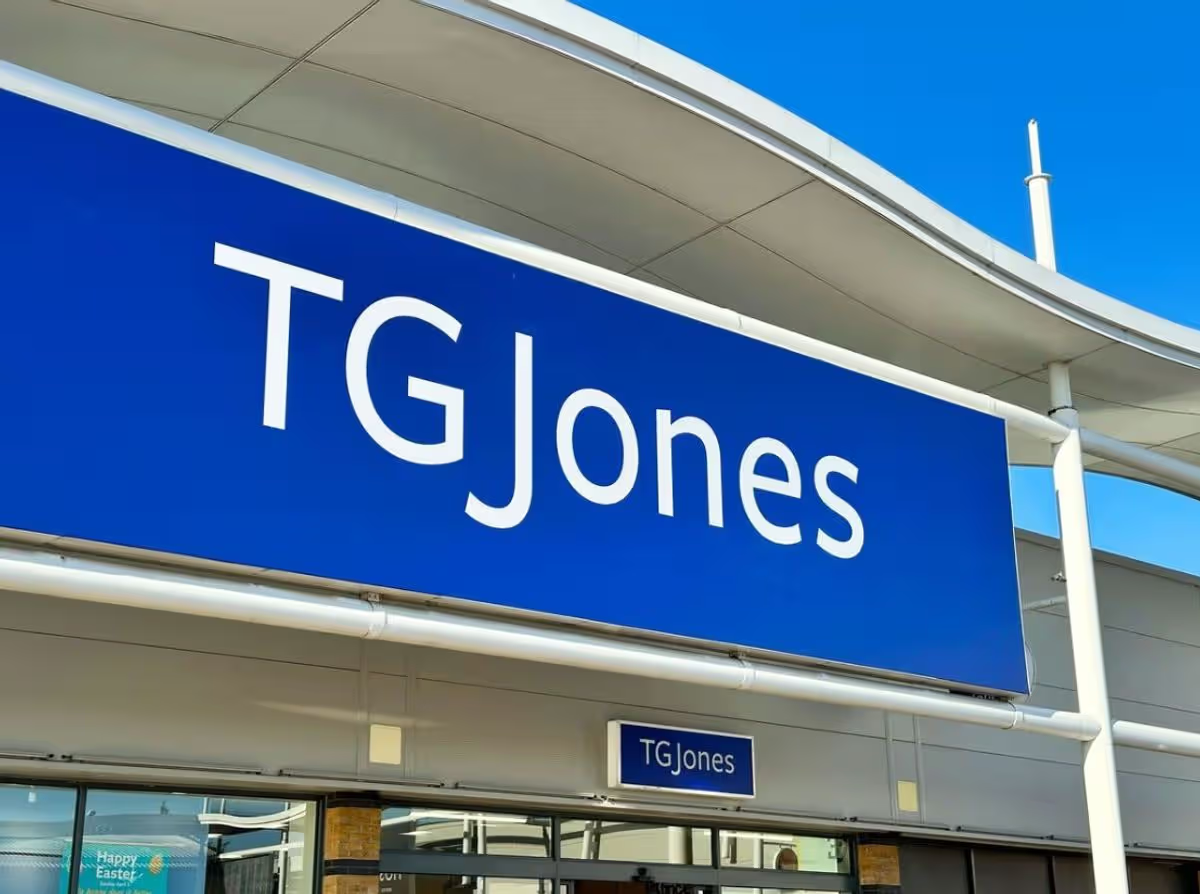
More than a third of the post offices operating inside the troubled TG Jones high street chain are expected to close by early 2027, raising concerns that communities across Britain could be left without convenient access to essential postal and financial services.
The closures are part of a wider restructuring of the retail chain, which was formerly associated with WH Smith before being acquired and renamed by Modella. Post Office records indicate that dozens of branches operating inside TG Jones stores have already closed during 2026, while many more are scheduled to disappear over the coming months.
The scale of the closures has intensified concerns about the future of postal services in British town centres. In several communities, the affected branch is not simply another retail outlet but an important point of access for older residents, small businesses and people who depend on face-to-face services.

According to Post Office records, 36 branches inside TG Jones stores have already closed this year, while a further 34 are expected to shut by early 2027. Before the company’s restructuring was approved, TG Jones operated around 180 post offices, and there had already been concerns that a significant proportion could be lost as the retailer attempted to reduce its costs and reshape its store network.
The wider restructuring of TG Jones is expected to affect a much larger number of retail outlets. Modella acquired hundreds of stores and has indicated that a substantial number will close. Around 65 stores have already ceased trading, while dozens more are expected to shut early next year.
The impact on postal services is particularly significant because many of the affected branches were established as replacements for traditional Crown post offices. Those directly operated branches once provided a broad range of services, including identity checks, passport-related services, driving licence operations and banking facilities. Over time, most of that directly operated network has disappeared, leaving communities increasingly dependent on branches run through retail partners.
The latest closures therefore raise a wider question about whether the country’s remaining postal network can continue to meet the needs of communities as high streets themselves face growing financial pressure.
Several towns and cities are expected to lose multiple branches within a relatively short period. Stevenage in Hertfordshire, Bracknell in Berkshire and Orpington in Greater London are among the places facing the loss of two post offices. Hull and York are also experiencing significant reductions, while Telford is due to lose its final post office early next year.
The regional impact is uneven. Essex has been particularly affected, with six branches inside TG Jones stores scheduled to disappear. Closures have already taken place in Basildon, Southend-on-Sea, Harlow and East Ham, while branches in Clacton-on-Sea and Brentwood are expected to close in January.
The West Midlands is also facing several closures, while Wales is expected to lose a number of branches. Suffolk and Hertfordshire are among other areas where the reduction in services has generated concern.
For communities already struggling with the decline of traditional high street services, the disappearance of a post office can have consequences that go beyond the loss of somewhere to send letters or parcels.
Post offices continue to play an important role in supporting small businesses. Many firms use local branches regularly to send parcels, manage postal correspondence and access financial services. For some small businesses, particularly those without the resources to maintain sophisticated delivery arrangements of their own, proximity to a post office can be an important part of day-to-day operations.
The Post Office has itself highlighted the importance of the network to Britain’s small and medium-sized businesses. A significant proportion of businesses use their local post office regularly, while many rely on the wider network each month.
The concern is particularly acute because the decline of post offices has taken place alongside the closure of thousands of bank branches across Britain. As traditional banking infrastructure has disappeared from many communities, post offices have increasingly become important alternative locations for basic financial transactions.
The development of banking hubs has partly addressed this problem. Post office operators already manage hundreds of banking hubs around the country, bringing together services from multiple banking providers in communities that have lost conventional branches.
But campaigners argue that banking hubs cannot fully replace the broader range of services traditionally offered by local post offices. A community without either a bank or a post office may find itself increasingly dependent on digital services, which can be particularly difficult for older people, people with disabilities and those who are not confident using online systems.
The Communication Workers Union has warned that the TG Jones closures could create what it describes as “postal deserts”, where communities have very limited access to essential services.
The union has criticised what it sees as a long-term reduction in the postal network, arguing that decisions based primarily on commercial pressures risk overlooking the social importance of local branches.
For residents, the issue is not simply about convenience. A local post office can provide a familiar physical location where people can obtain assistance with postal services, payments and other transactions. In some areas, it is also one of the few remaining places where residents regularly interact with staff and other members of their community.
The Post Office has said it recognises the difficult trading environment facing TG Jones and other high street retailers. The organisation has also stressed that it is actively seeking alternative operators for affected branches rather than accepting permanent closures.
According to the Post Office, potential operators have expressed interest in taking over every location where a closure has been confirmed. In some cases, the organisation says, dozens of existing postmasters have applied to operate replacement branches because of the customer traffic that a post office can generate for a retail business.
The Post Office has pledged to replace every branch inside a TG Jones store that closes and says it is working to process applications as quickly as possible.
However, replacing a branch is not always straightforward. Finding a suitable retailer, securing premises, obtaining the necessary approvals and establishing the service can take time. The gap between the closure of an existing branch and the opening of a replacement can leave residents temporarily without convenient access.
There have already been examples of this transition. Stirling has reportedly secured a reopened service following the closure of its TG Jones branch, while a permanent replacement in Ipswich is expected to begin operating later in the year. Temporary arrangements are also planned in Maidenhead and Uxbridge.
The ability to replace branches will be crucial in determining whether the current wave of closures becomes a permanent reduction in Britain’s postal network or simply a period of disruption during a major restructuring of the high street.
The wider situation also highlights the increasingly complicated relationship between Britain’s retail sector and essential public-facing services. As traditional retailers struggle with changing shopping habits, higher costs and reduced footfall, businesses are reconsidering the role of services such as post offices within their stores.
The restructuring of TG Jones comes at a particularly sensitive time for the Post Office itself. The organisation continues to face the consequences of the Horizon IT scandal, one of the most damaging corporate and institutional controversies in modern British history. It has also previously announced major branch closures as part of efforts to reduce costs and respond to changing patterns of customer demand.
Meanwhile, the original WH Smith business continues to operate travel stores in locations such as railway stations, airports and hospitals. Those outlets were not included in the Modella acquisition and remain under the ownership of the listed company.
The latest closures therefore represent another stage in a much broader transformation of Britain’s high streets. The traditional model in which a town centre provided residents with easy access to banks, post offices, department stores and other essential services is steadily disappearing.
For some communities, the loss of a post office may be absorbed if a replacement opens quickly nearby. For others, particularly smaller towns and areas already affected by repeated service reductions, another closure could mark a significant deterioration in local infrastructure.
The challenge now is to ensure that commercial restructuring does not leave communities behind. If replacement operators can be found quickly, the disruption may ultimately be limited. If they cannot, the country could see more areas where essential postal services are technically available but increasingly difficult to reach.

As dozens of TG Jones stores prepare to close, the debate is therefore moving beyond the future of one troubled retail chain. It is becoming a question about what Britain’s town centres should provide, who should be responsible for maintaining access to essential services and whether the country’s remaining postal network can continue to serve communities as effectively as it once did.
For residents watching their local branches disappear, the answer will be measured not in corporate restructuring plans but in whether there is still a reliable place nearby where they can send a parcel, access financial services or simply receive help from a member of staff.
The coming year will show whether the promised replacement programme can keep pace with the closures. Until then, fears of Britain’s high streets becoming “postal deserts” are likely to remain at the centre of the debate over the future of local services.
Related News:
 UK retailers plan 100,000 placements for young people
 Thames Water Revises Oxfordshire Mega-Reservoir Plan
 UK Retailers Accused of Breaking Refund Laws
 Dale Vince Plans New London-Wide News Operation
 Poundland Rescue Bid Could Protect 11,000 Jobs
 Feeld Founders Receive Record Dividend as Sales Rise
 BT Broadband Pauses Raise Digital Switchover Concerns
 UK Water Firms Earn Millions From Industrial Wastewater
 UK Water Firms Face £107m Bill Reduction Penalties
 Rising Costs Force Families to Rethink Days Out
 Reform UK funding: mystery billionaire revealed
 Public Confidence in University Degrees Plummets in the UK
 Burnham unveils £65m drought aid for farmers
 Pubs and Hotels Face Business Rates Reform Review
 UK Risks Falling Behind in AI Race
 UK Households Could Save £173 on Fixed Energy Deals
 Green Leader Targets Starmer’s Former Seat
 UK Subsidence Claims Surge After Record-Breaking Summer
 Ukraine Moves to Seize Water Company
 UK House Prices Fall as Mortgage Rates Rise
 Billionaire Chris Rokos poised to leave UK
 Councils spend £125m on illegal children’s care
 Oil nears $100 as Saudi attacks shake markets
 McLaren to Create 1,000 UK Jobs in £450m Investment
 Nats Boss Summoned as UK Flight Chaos Continues
 JPMorgan Boss Warns Against UK Bank Tax Rise
 Iceland to Open First UK High Street Store in Falklands
 John Lewis Losses Widen to £124m as Confidence Falls
 Fashion Firms Urge UK-Made NHS and Army Uniforms
 Mayors Could Gain New Powers Over UK Water Firms
 Mayors Could Gain Greater Powers Over Water Firms
 Entain Plans 400 Job Cuts After Profit Update
 Lords Call for Tobacco-Style Gambling Ad Ban
 Barclays Staff Push Back Against Office Return Plan
 UK Rent Gap Puts Low-Income Families Under Pressure
 Labour Apprenticeship Scheme Faces Slow Start
 Thinktank Calls for Abolition of UK State Pension
 UK Trade Losses Grow Without EU Product Deal
 AO Acquires Jessops in Camera Retail Expansion
 Frome Community Loses Bid for Major Regeneration Site
 TalkTalk Races to Sell Arms as Administration Looms
 Avanti West Coast Set for Public Ownership in March
 Beaverbrooks Boss Calls for Relief on Business Costs
 New UK Homes in Flood Zones Face Insurance Risk
 UK University Strikes Spread as Financial Pressure Grows
 Burnham Opens Door to Possible UK Return to EU
 Bank Chief Calls for Power to Intervene in AI
 Healey urged to act as UK energy bills rise 4%
 UK Bookmakers Linked to Offshore Casino Deal
 Boots Sale Nears as Weston Family Eyes $9bn Deal
 BBC Three and Scotland Face Online-Only Future
 Royal Nursing Union Ends Partnership With Teva UK
 Palantir Lobbyist Had Role in Burnham Campaign
 Badenoch Raises Prospect of 2027 UK Election
 UK Diesel Reaches £2 as Inflation Surges Across Europe
 Minister Rejects Fears of UK Diesel Shortage
 UK Faces Calls to Review Bank Failure Bets
 UK Weighs Chinese Car Tariffs Amid EU Trade Push
 BT Agrees £400m TalkTalk Rescue Deal
 Informa Agrees £2.24bn Deal to Buy Clarion
 Asos Investigates Hack Claims After Customer Alerts
 Jaguar Unveils Bold Electric EV for US Buyers
 Royal Mail Plans Up to 2,500 Job Cuts
 UK Pharmacy Body Drops Teva After Ethical Concerns
 Trader Wins Unfair Dismissal Case After Overseas Work
 Labour MP Urges Billions for Affordable Homes
 Milburn Proposes Pre-Apprenticeship Route for Young People
 UK Savers Face Uncertainty as Rates Rise Above 5%
 Labour Fears Budget Will Fail to Lift Living Standards
 Bedbug Infestation Grounds Qantas Plane in Rome
 Cyber-Attack Puts Hobbs and Whistles Customer Data at Risk
 UK Rejects EU Pressure to Impose Tariffs on China
 Healey Plans £1bn Online Marketplace Tax Crackdown
 UK Family Linked to Offshore Gambling Licence Controversy
 Bradford Rail Hub Promises Faster Northern Connections
 Middleton Revitalisation Blueprint for UK Towns
 ScottishPower Tops List of Worst UK Energy Suppliers
 EU Slashes Steel Quotas But Grants UK Favourable Rates
 Unions Warn Labour Over Zero-Hours Contract Reforms
 British Museum Faces Questions Over Peter Thiel’s Private Bayeux Viewing