Published: 7 May 2026. The English Chronicle Desk. The English Chronicle Online
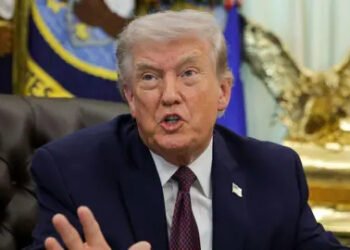
In a “clinical” and high-stakes pivot for the Epic Fury campaign, Tehran has confirmed it is officially reviewing a 14-point “memorandum of understanding” from the United States aimed at ending the two-month-old war. The development comes as President Donald Trump, speaking from the Oval Office, predicted a “swift end” to the conflict, asserting that “very good talks” have taken place over the last 24 hours and that the war will be “over quickly.”

However, the “golden tone” of the negotiations is shadowed by a “nasty and mischievous” ultimatum: Trump has warned that if Iran rejects the proposal, the US will launch a new wave of bombing at a “much higher level and intensity” than before, potentially threatening to send the nation back to the “Stone Age.”
The proposal, reportedly a one-page document brokered through Pakistani mediators, seeks to bypass the “bottleneck” of the ongoing naval blockade.
The 30-Day Clock: If both sides sign the preliminary memorandum, it would trigger a 30-day “clinical” period for detailed negotiations to finalize a full treaty.
The “Hormuz” Unblocking: A primary “milestone” of the deal would be the reopening of the Strait of Hormuz, which has been a “bottleneck” for 20% of the world’s oil, to all commercial shipping.
The Nuclear Caveat: While the initial agreement focuses on ending hostilities, Trump has insisted that under any final deal, Tehran must “export” its entire stockpile of highly enriched uranium to the US—a “sacred” red line that Iranian hardliners have already labeled an “American wish-list.”
The news of a possible deal has hit the global markets at a “160 MPH clip,” causing a dramatic “recalibration” of the energy sector.
Oil Price Plunge: Benchmark Brent crude futures plummeted 11% on Wednesday, falling to approximately $98 a barrel as the “national security emergency” of energy shortages appeared to ease.
The “Project Freedom” Pause: Trump has temporarily halted the US naval mission to forcibly reopen the Strait, citing “Great Progress” in the Islamabad talks. “We are giving them a short window to see if they can give what has been agreed to,” he posted.
The Blockade Continues: Despite the “golden tone” of diplomacy, the US military disabled an Iranian tanker on Wednesday as it tried to breach the ongoing blockade. “As long as there is a blockade from both sides, real talks remain difficult,” a Pakistani official warned.
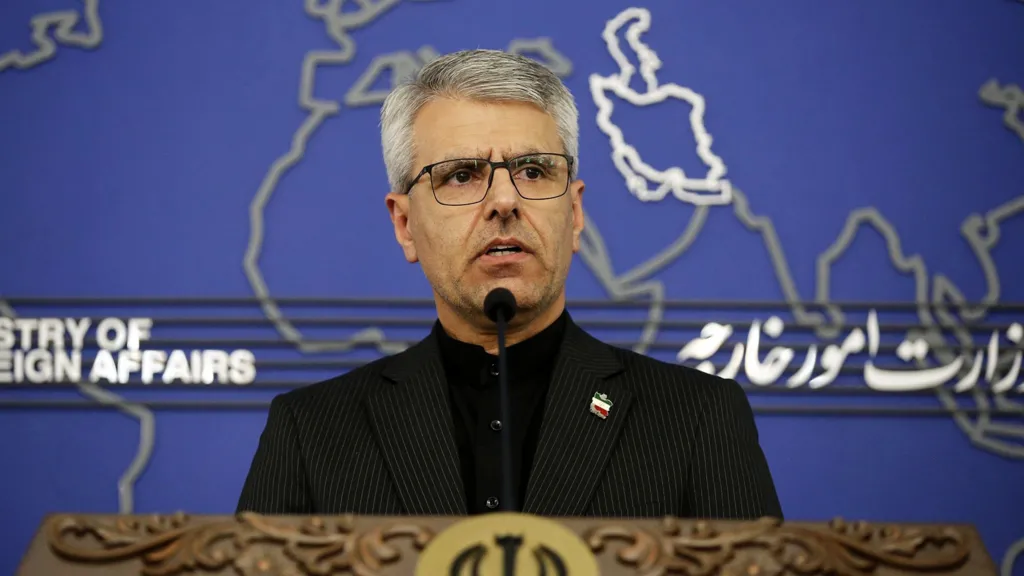
The Iranian regime is currently facing an “asymmetric” internal debate over whether to accept the “clinical” terms of the US proposal.
The “Wish-List” Dismissal: Ebrahim Rezaei, a spokesperson for Iran’s national security committee, described the 14 points as “more of a wish-list than a reality,” suggesting a “resilience deficit” still exists between the two capitals.
The “Stone Age” Threat: Trump’s rhetoric has been unyielding. “If they don’t agree, the bombing starts,” he posted, emphasizing that the US is prepared to “obliterate” the country’s power grid if the “accountability rot” of Iranian delays continues.
The “China” Factor: With Trump due to visit Beijing next week, there is a “clinical” push to reach a “milestone” agreement that China could potentially guarantee.

As the RHS Wisley wisteria reaches its peak and the Southbank Centre celebrates 75 years of endurance, the “Iran War” stands at its most “divergent” crossroads yet.
“Justice has no expiry date, and we want a durable peace,” a White House official noted. Whether the “14-point memorandum” becomes a “milestone” for global stability or just another “bottleneck” in a “nasty and mischievous” conflict remains to be seen. For now, the world watches the “160 MPH clip” of events in Islamabad, hoping the “golden tone” of peace finally silences the “clinical” hum of the bombers.
Related News:
 Cooper: Joining US Strikes on Iran ‘Not in Britain’s Interest’
 Trump’s Iran Endgame Unclear After Mixed Messaging on War Aims
 Israel Launches Fresh Strikes on Tehran & Beirut; US Warns “Hardest Hits” Ahead
 Global order shifts amid Trump-era turmoil
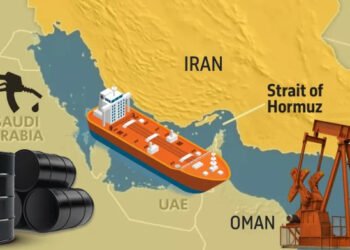 Middle East Crisis Escalates as Oil Routes Shake Markets
 “The Pakistan Paradox”: Trump’s Peace Hopes Clouded by Blockades and ‘Red Line’ Caveats
 Shock US Raid: Maduro Pleads Not Guilty in Manhattan Court
 Israel Dossier Sparks Australian Political Interference Concern
 Machado Trump medal gesture reshapes Venezuela power struggle
 Trump Receives Machado’s Nobel Medal in White House Meeting
 Iran unrest slows under brutal crackdown and global tensions
 US Considers Asylum for British Jews Amid Rising Antisemitism
 Russia Strikes Kyiv and Kharkiv as Peace Talks Enter Day Two
 Emails Show Epstein Funded Mandelson’s Husband After Jail
 Thousands Protest ICE Operations in Nationwide US Day of Action
 Epstein Files Reveal Trump Officials’ Emails with Financier
 Thousands Protest ICE in New York Against Trump Deportation Campaign
 Fears of New Arms Race as US-Russia Nuclear Weapons Treaty Expires
 Iran Says ‘Guiding Principles’ Agreed With US at Nuclear Talks
 Britain’s Reliance on China Makes Us ‘Weak Link in the West’, Warn MPs
 US Urges Iran to Make Deal as Military Presence Rises
 Trump’s Foreign Policy Dilemma Laid Bare by Iran Tensions
 UK Has Not Given US Permission to Use RAF Bases for Iran Strikes
 Blackouts and Emergency Aid: Why the Cuban Revolution Faces Its Biggest Threat Yet
 Middle East Flights Halted After Iran Strikes
 Iran’s Regime Still Intact — Coming Days Will Test Its Survival
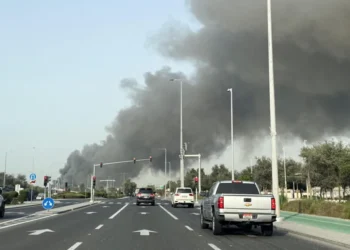 Allies of US in the Gulf Bear Brunt of Iran Attacks
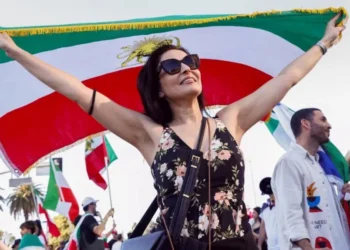 Hopes and Fears as US Iranians Take to Streets After Toppling of Supreme Leader
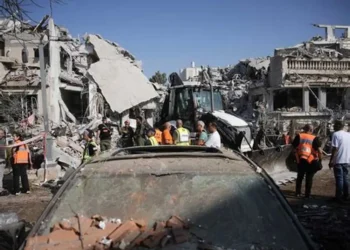 Retaliations Continue on Day Two of US-Israel Attacks on Iran
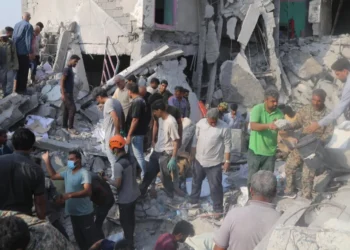 At Least 153 Dead After Reported Strike on School, Iran Says
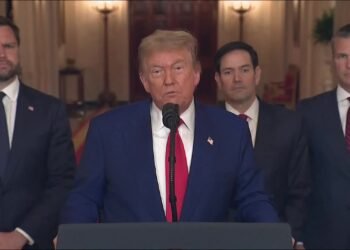 At Least 153 Dead After Reported Strike on School, Iran Says
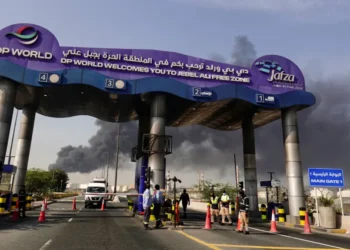 ‘It’s Eerie’ – Dubai on Edge as City Comes Under Attack
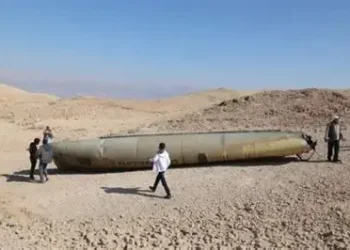 BBC Reports from Beit Shemesh After Deadly Iranian Missile Strike
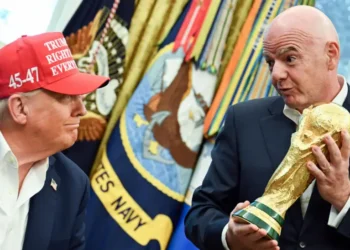 Iran, the US, and a World Cup That Starts in Three Months
 Months of Planning Behind US‑Israeli Mission to Target Iran’s Supreme Leader
 UK Will Allow US to Use Bases to Strike Iranian Missile Sites, PM Says
 What Khamenei’s Death Means for Russia and China
 Melania Trump Chairs UN Security Council Meeting on Children in Conflict Amid Iran Strikes
 Rubio Responds to Reported Strike on Iranian School
 Why the US and Israel attacked Iran
 Three Days In, This War’s End Is Still Unclear
 US Has ‘Enough Weapons for Forever War,’ Trump Says
 Israel Strikes Lebanon After Hezbollah Rocket Fire as Iran Conflict Widens
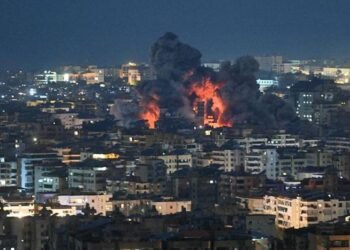 Israel’s New Airstrikes on Tehran & Beirut After US Embassy in Riyadh Is Hit
 Israel Launches Ground Invasion of Lebanon Amid Widening Middle East War
 Iranian Rockets Are Testing the Resolve of Dubai’s Instagram Stars
 US Embassy in Riyadh Hit by Iranian Drones as Israeli Troops Enter Southern Lebanon
 US Senate Backs Trump War Powers Amid Iran Missile Barrage
 Global Order Is ‘Breaking Down’, Carney Tells Australian Parliament
 Spain’s Sánchez Hits Back at Trump Threat to Sever Trade, Says ‘No to War’
 Macron Finds ‘Freedom Fries’ Redemption in Iran Crisis
 UK Prepares Aircraft Carrier for Middle East Crisis
 Mojtaba Khamenei Chosen as Iran’s New Supreme Leader
 Who Is Mojtaba Khamenei, Iran’s New Supreme Leader?
 Nine Days of Strikes Reshape the Middle East
 Putin Orders Evacuation at Iran Nuclear Plant Amid ‘Catastrophe’ Fears
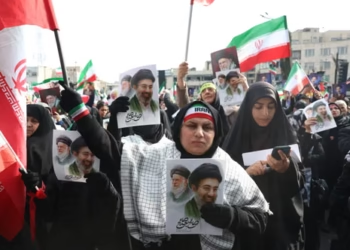 Mojtaba Khamenei Supporters Rally as Iranians Fear Repression
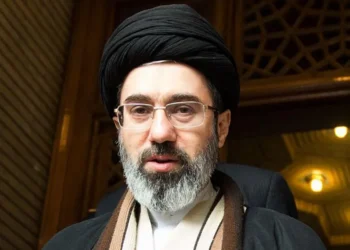 Iran’s New Leader Faces Existential Test
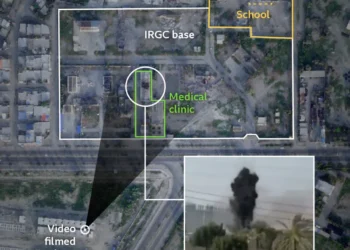 Video Analysis Suggests US Missile Hit Base Near Iran School
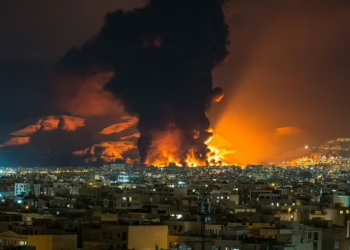 Iran Rejects Ceasefire, Warns Trump With Chilling Message
 Iran Defiance Grows Amid US-Israel War Pressure
 Iranian Exile Factions Seek US Backing for Iran’s Future
 Injured Mojtaba Khamenei Elevated as Iran Leader
 Yvette Cooper: UK Must Follow Principles, Not US Pressure
 Trump Iran War Stance Hardens as Conflict Widens
 Wary Allies Signal No Easy Path in Iran Crisis
 Israel Announces ‘Limited’ Ground Operations in Lebanon
 Israel Says Iran Security Chief Larijani ‘Killed’
 Trump Seeks to Delay Meeting With Xi
 Ghalibaf Iran: Survivor Emerges in Shifting Power Game
 Saudi Arabia Urging US to Keep Up Iran Attacks
 Iran Says Intelligence Chief Killed in US-Israeli Strike as Trump Threatens ‘Hell’ Without Deal
 Netanyahu Vows Continued Lebanon Strikes Amid Peace Talks
 Iran Crisis Tests Trump’s Global Leadership
 US and Iran Pursue Extension of Ceasefire via Pakistan
 US Calls Australia Media Law “Foreign Extortion”
 Trump orders US troop pullout from Germany
 Trump likens US Navy actions to ‘pirates’
 “The Silence of the Victor”: Why Iranians Fear a More Ruthless, Entrenched Regime Post-War
 Australia pushes Pacific security pact amid China tension