Published: 13 July 2026 | The English Chronicle Desk | The English Chronicle Online
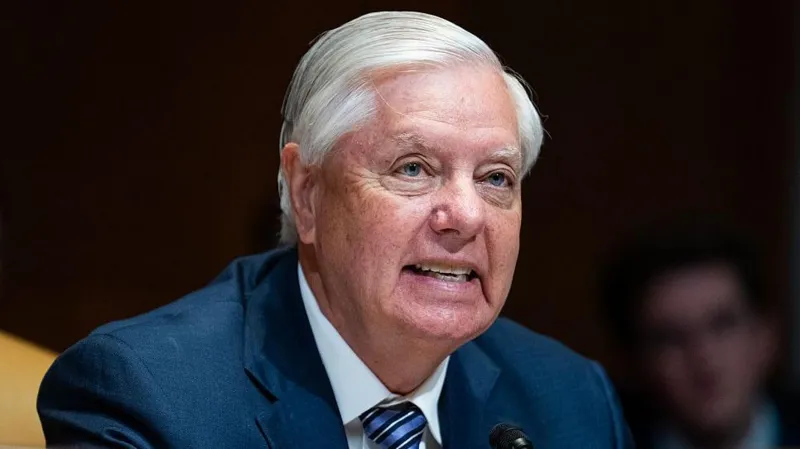
Veteran Republican Senator Lindsey Graham, one of President Donald Trump’s closest allies in Congress and one of the most influential voices in American foreign policy over the past two decades, has died at the age of 71 following what his office described as a “brief and sudden illness.”
The South Carolina lawmaker’s death marks the end of a political career that spanned more than three decades and leaves a significant gap within the Republican Party at a time of closely contested politics in Washington. Graham was widely regarded as one of the Senate’s most recognisable figures, known for his outspoken views on national security, judicial appointments and international affairs.
His office announced that Graham passed away on Saturday evening, asking for privacy on behalf of his family while thanking supporters for their prayers and condolences. Preliminary findings from the District of Columbia’s medical examiner later indicated that he died from an aortic dissection associated with arteriosclerotic cardiovascular disease, although officials noted that further examinations were continuing.
Tributes quickly poured in from political leaders across the United States and abroad.
President Donald Trump described Graham as one of the greatest senators he had ever known, praising his patriotism, loyalty and commitment to public service. Other Republican leaders remembered him as a tireless advocate for conservative principles and one of the party’s most experienced lawmakers. International leaders, including those from countries with which Graham had worked closely on foreign policy, also expressed condolences following news of his death.

Graham’s political journey was notable for its dramatic evolution.
Born in Central, South Carolina, he entered public life after serving in the United States Air Force as a lawyer. He was elected to the US House of Representatives in 1994 before winning a Senate seat in 2002, where he would remain for more than two decades.
Throughout his congressional career, Graham built a reputation as a leading voice on defence, national security and judicial issues. His legal background and experience in military service shaped much of his legislative work, particularly on matters involving foreign affairs and constitutional law.
Although Graham was initially one of Donald Trump’s sharpest Republican critics during the 2016 presidential campaign, their relationship changed significantly after Trump entered the White House.
Over time, Graham became one of the president’s closest allies in the Senate, frequently defending administration policies and playing an influential role in advancing Republican priorities. Their political partnership became one of the defining relationships within the modern Republican Party, even though they occasionally disagreed on specific issues, including aspects of foreign policy and the handling of the January 6 Capitol riot.
As chairman of the Senate Judiciary Committee during part of Trump’s first presidency, Graham oversaw several of the administration’s most consequential judicial confirmation hearings.
He strongly supported the confirmation of conservative judges to the federal courts and played a prominent role during the confirmation process of Supreme Court Justice Brett Kavanaugh.
Supporters viewed his leadership as instrumental in reshaping the American judiciary, while critics often accused him of placing partisan interests ahead of institutional traditions.
Beyond domestic politics, Graham was one of Congress’s most prominent advocates for an assertive American foreign policy.
He consistently supported strong military alliances, increased defence spending and a robust US role in international security.
His positions often placed him among the Senate’s leading voices on issues involving NATO, the Middle East and Ukraine.
Following Russia’s full-scale invasion of Ukraine, Graham became one of Kyiv’s most vocal supporters in Washington. He travelled to Ukraine numerous times, meeting President Volodymyr Zelenskyy and advocating continued military assistance and stronger sanctions against Russia.
His final overseas trip took place only days before his death, when he again visited Kyiv for discussions on security cooperation and international support.
Israeli leaders also paid tribute to Graham, recognising his longstanding support for Israel and his consistent backing of close US-Israeli relations throughout his Senate career.
At the time of his death, Graham had recently secured the Republican nomination and was campaigning for another Senate term.
His sudden passing creates both a personal loss for colleagues and a significant political challenge for Republicans in the Senate.
South Carolina law provides for the governor to appoint a temporary replacement until a special election is held to fill the vacancy. The appointment will temporarily maintain the state’s representation while voters prepare to elect a successor.
Political analysts say Graham’s absence may also influence debates over foreign policy within the Republican Party.
He frequently advocated continued American engagement abroad at a time when sections of the party increasingly questioned long-standing international commitments.
His voice often served as a bridge between traditional Republican foreign policy and the priorities of the Trump administration.
Throughout his career, Graham cultivated relationships across party lines despite often engaging in fierce political disagreements.
Many Democratic senators who opposed his policy positions nevertheless acknowledged his willingness to negotiate and his deep understanding of Senate procedure.
Outside politics, Graham remained one of Washington’s most familiar public figures.
He never married and had no children, often describing the Senate and public service as central to his life.

His visibility on television news programmes and Sunday political talk shows made him one of the country’s best-known lawmakers.
His death has prompted widespread reflection on a career that mirrored many of the transformations within American politics over the past 30 years.
From his early reputation as a conservative reformer to his emergence as one of Donald Trump’s most trusted congressional allies, Graham remained a dominant figure in debates over defence, the judiciary and foreign affairs.
Whether admired or criticised, few disputed his influence on modern Republican politics.
As tributes continue from colleagues, world leaders and political opponents alike, Lindsey Graham’s legacy is likely to be measured not only by the legislation he supported but also by the pivotal role he played during one of the most consequential periods in recent American political history.
Related News:
 Thousands Protest ICE Operations in Nationwide US Day of Action
 Inside Kyiv’s resolve as conflict nears five‑year mark
 US Partially Evacuates Beirut Embassy Amid Rising Iran Tensions
 US Senate Vote Fails to Rein in Trump War Powers on Iran
 Trump Removes Kristi Noem From Homeland Security Role
 US Court Ruling Reshapes Voting Rights Landscape
 US states redraw maps after voting rights ruling
 Judge halts deportation of Yemeni refugees in US
 Trump warns Iran as Middle East tensions surge again
 US Court Restores Abortion Pill Access Temporarily
 Trump’s Revenge Drive Deepens GOP Divide
 Former ICC prosecutor condemns US sanctions
 Gunman Killed After White House Security Shootout
 Trump-Netanyahu Call Fuels Iran Talk Crisis
 Zelensky Invites Putin to Direct Peace Talks
 Republicans Defy Trump on Ukraine Aid Bill
 Mystery Grows Over Mitch McConnell’s Health
 Trump Administration Dismisses 17 Immigration Judges, Sparking Debate Over Judicial Independence
 Johnson Approved China’s London ‘Super-Embassy’ in 2018
 Trump Urges Herzog to Grant Netanyahu Full Pardon
 US Justice Department Files Lawsuit Against California Over Partisan Voting Maps
 Trump Deploys DHS to Charlotte in Major Arrest Operation
 US National Guard Member Killed in DC Shooting
 Russia losses Ukraine war peace talks intensify amid rising deaths
 Trump Escalates Minnesota Immigration Surge Amid Rising Tensions
 Trump Threatens Strong Action If Iran Executes Protesters
 EU Says US Ties Have Suffered ‘Big Blow’ After Greenland Crisis
 Trump Praises ‘Terrific’ Petro After White House Talks
 Fears of New Arms Race as US-Russia Nuclear Weapons Treaty Expires
 Stephen Colbert Says CBS Spiked Interview With Democrat Over FCC Fears
 Nine Arrested in France Over Death of Far‑Right Student
 How Much Could Andrew’s Arrest Hurt the Royal Family?
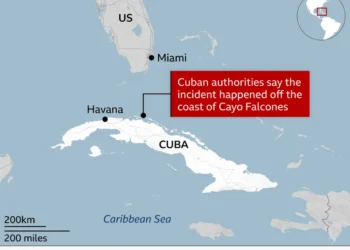 American Citizen Killed in Cuba Boat Shooting, U.S. Officials Say
 Hillary Clinton Tells House Panel She Had No Idea of Epstein’s Crimes
 Iran, the US, and a World Cup That Starts in Three Months
 Trump Faces Questions Over Iran Conflict Plan
 US Senate Backs Trump War Powers Amid Iran Missile Barrage
 UK Prepares Aircraft Carrier for Middle East Crisis
 Pete Hegseth Iran War Remarks Spark Alarm
 Iran War Puts Trump at Political Risk Amid Rising Prices
 Queensland Protest Laws Spark Free Speech Backlash
 Trump’s Confidence Undimmed — But Every Iran Option Carries Risk
 Israel Enacts Death Penalty Law for Palestinians Following 12-Hour Debate
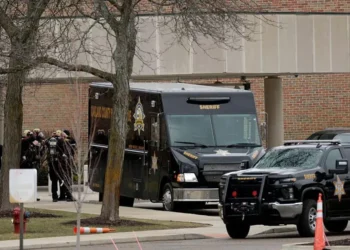 ‘In Our Backyard’: FBI Labels Michigan Synagogue Attack as Hezbollah-Inspired Terrorism
 The “Protective Shield”: Who is Todd Blanche, the New Acting U.S. Attorney General?
 Report Says Pezzullo Acted ‘Recklessly’ in Dealings
 The Bench Strikes Back: Lower Court Judges Emerging as Main Obstacle to Trump’s Executive Pivot
 The Moral Crisis Looming Within the American Chain of Command
 National Icon in Custody: Ben Roberts-Smith Arrested Over Alleged War Crimes in Afghanistan
 The $100 Billion Peace: Trump’s ‘Grand Bargain’ Ends Iran Conflict at a Staggering Cost
 The Changing Face of Georgia: Trump-Backed Clay Fuller Wins Election
 Capitol Hill Showdown: Bill Gates to Testify in Expanding Epstein Inquiry
 The Prediction Prohibition: White House Staff Barred from Betting on Political Markets
 The Frozen Frontier: Why Frostbite is the Least of Concerns for Canada’s Arctic Forces
 The Masked Frontier: Allegations of Greek Police Using Proxies for ‘Seismic’ Border Pushbacks
 Judicial Whiplash: Virginia Court Pauses Redistricting 24 Hours After Public Vote
 Trump at Press Dinner Sparks Tension
 Return of the “Skiffs”: Threat Level Raised as Somali Pirates Seize Second Vessel in a Week
 US Court Weighs Fate of TPS for Migrants
 Cartel crackdown raises fears of fresh violence
 Trump Threatens UN Budget Cuts as US Pushes ‘Trade Over Aid’ Agenda
 “The Cost of Conviction”: Palestine Action Activists Found Guilty Over ‘Clinical’ Factory Damage
 Tensions Emerge in Netanyahu-Trump Alliance
 US Awaits Iran Reply on New Ceasefire Proposal
 Immigration Judges Fear Pressure in Trump Era
 “The Fault Line Widens”: Republican Dissent Grows Over Administration’s Secretive $1.77 Billion Compensation Fund
 “The Eagle’s Catch”: Fugitive Former Power Minister Saleh Mamman Apprehended in Pre-Dawn Raid
 US green card applicants must apply from abroad, DHS says
 Tulsi Gabbard exits after turbulent intelligence tenure
 Hormuz Talks Near Critical Stage
 Prosecutor Proposes Law to Combat Election Deceit
 UK Faces Most Dangerous Era, Military Chief Warns
 Israel Strikes Iran After Missile Attack
 Son Urges Iran Prisoner Exchange for Jailed British Pair
 Le Pen Appeal Verdict Could Reshape France’s Political Future
 Trump Helps Clear Balogun for Belgium World Cup Clash
 Trump’s Major Recruitment Drive Targets Border Patrol Growth
 Trump’s New Vision for 250 Years of US Expansion
 Le Pen’s Popularity Holds Despite Conviction
 Trump Refuses to Sign Housing Bill, But Law Takes Effect