Published: 24 May 2026. The English Chronicle Desk. The English Chronicle Online.
Britain’s vital supply chains are currently alarmingly unprepared for the prospect of major global shocks, such as an escalation of war with Russia, according to a stark new report. The research, conducted by the National Preparedness Commission (NPC), argues that the UK must urgently adopt “worst-case scenario” planning to keep pace with proactive European states. This warning comes as the nation faces a shifting geopolitical landscape, with the report specifically highlighting that the “America First” transformation of US politics has rendered a previously trusted ally significantly less reliable, a factor that must now be integrated into all domestic strategic planning.
The NPC, which oversees a panel of senior figures from the NHS, emergency services, and experts in national security, insists that the UK’s current approach to resilience is insufficient. The report, titled Future-proofing Security of Supply in a Contested World, serves as a blunt reminder that catastrophic events are not merely theoretical possibilities but impending threats. The authors point to a “drumbeat of wake-up calls,” including the ongoing war in Ukraine, the COVID-19 pandemic, and, most recently, the disruptions following the March 2026 conflict between the US-Israel coalition and Iran, which severely impacted the strait of Hormuz and regional air traffic.
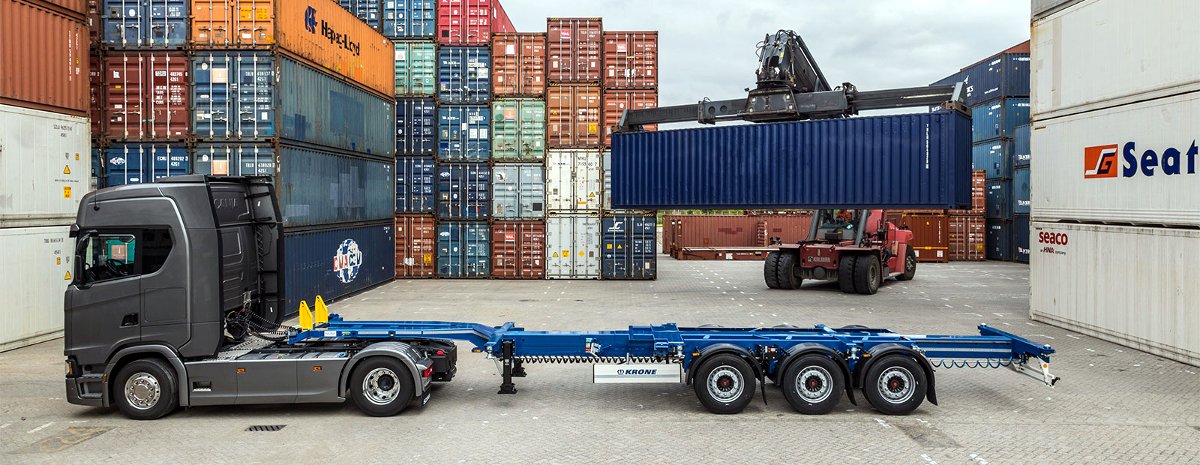
A primary concern raised by the commission is the UK’s comparative lack of strategic stockpiling. While the government has previously resisted large-scale intervention in supply chains, the report argues that the conversation must shift from questioning why the country should stockpile to determining exactly how and where it can be done most effectively. In the health sector, the disparity between the UK and its neighbors is notable. While many EU nations mandate that pharmaceutical companies hold buffer stocks of critical medicines for periods ranging from one to six months, the UK lacks a comprehensive strategic stockpile of medical equipment or medicines, aside from provisions for military personnel facing chemical, biological, radiological, or nuclear threats.
The vulnerability extends to food security, where the UK stands as one of the least self-sufficient nations in Europe. The government currently maintains no strategic food stockpile, nor does it compel major wholesalers to hold emergency reserves. This stands in sharp contrast to countries like Norway and Sweden, which have already begun rebuilding extensive grain and food reserves to ensure stability during crises. Furthermore, some European governments have moved to proactively encourage their citizens to maintain several days’ worth of food and water in their homes, a concept that remains largely absent from official UK guidance.
The report also highlights the economic pressure of being “squeezed” by competing global powers. It describes a challenging landscape defined by the “hard-nosed nationalism” of the United States, the collaborative economic strategies of European Union states, the dominant manufacturing power of China, and the increasingly isolated war economy footing of Russia. Richard Smith-Bingham, a strategic adviser on risk and resilience and the author of the report, warned that the UK currently risks falling significantly behind in its ability to secure the long-term supply of critical materials and components.
This analysis follows nearly a year of government initiatives aimed at strengthening national security, including efforts to prioritize British suppliers for critical contracts and Prime Minister Keir Starmer’s calls for a “whole-of-society” approach to resilience. However, critics argue that the issue has struggled to maintain political focus amidst competing distractions. The Commons defence committee noted late last year that the desired “national conversation” on security had yet to truly begin, pointing to a lack of clear central direction and minimal public engagement.

In response to the report, a government spokesperson maintained that the nation’s supply chains remain strong and resilient, stating that the government actively monitors for potential risks. As an example of their responsiveness, the spokesperson cited recent interventions to protect supplies, such as the reopening of a carbon dioxide plant in the north-east to bolster domestic production. Nevertheless, the NPC report concludes that the UK must make hard choices and take bolder actions to reduce its vulnerability to international coercion, arguing that relying on reactive measures is insufficient for the sustained crises that may lie ahead.
Related News:
 Tories Push to Dilute Labour’s Workers’ Rights Bill
 Trump’s UK Ambassador Urges North Sea Drilling to Strengthen US Ties
 Rachel Reeves Set to Break Labour Pledge and Raise Income Tax
 Thinktanks Urge Rachel Reeves to Reform UK Tax System
 Company linked to Michelle Mone owes £39m in tax
MPs Press Rachel Reeves to Hike Gambling Taxes
Company linked to Michelle Mone owes £39m in tax
MPs Press Rachel Reeves to Hike Gambling Taxes
 Cuts to home insulation funding threaten UK climate goals
 Millionaires group urge Reeves to introduce wealth tax to ‘lift kids out of poverty’
 PM Highlights UK Business at G20 in South Africa
 English Mayors Set to Introduce Tourist Taxes
 Starmer Says Labour’s Economic Plan Needs Years to Deliver
BBC bosses ‘right to stick by their guns’ against Trump, says minister
Starmer Says Labour’s Economic Plan Needs Years to Deliver
BBC bosses ‘right to stick by their guns’ against Trump, says minister
 China Dependence Threatens UK Energy Supply Chains and Jobs
 MPs warn AI financial risks threaten UK stability
 MPs warn AI financial risks threaten UK stability
 UK Government Borrowing Drops to £11.6bn in December
 Labour Must Revive High Streets to Avoid Election Collapse
 Barclays drops Global Counsel after Mandelson link scrutiny
 Unsustainable gaps in franchise policing, MPs warn
 UK shelves £110m border project amid trade strain
 UK Sees Record £30.4bn Budget Surplus, Boosting Reeves’ Position
 Ministers Urged to Ban Crypto Political Donations
 Reeves Must Back Defence Plan or Face Dismissal, Says Unite Chief
 OBR Reform Row Deepens Before Spring Forecast
 UK Doubles Steel Tariffs to 50% to Protect Domestic Plants
 Starmer Adviser Urges New Profit Cap on Energy Firms
 Fuel Duty Relief Plea Amid Middle East Oil Crisis
 OpenAI Halts Stargate UK Project Amid Energy Crisis
 Reform UK funding: mystery billionaire revealed
 BBC News Faces Deep Cuts in 2,000 Job Plan
 Silent Tracks: Rail Line Without Passengers
 Labour Faces Internal Pressure for Bold Economic Shift
 Labour Factions Propose Bold Tax Cuts Amid Leadership Storm
 Thames Water Rescue Package Hit by Downing Street Chaos
 UK Pushes for New EU Goods Trade Deal
 Reeves Fights to Keep Treasury Role Amid Labour Turmoil
 UK Urged to Build EU Rejoin Consensus, Says Miliband
 Hospitality Traders to Exploit Summer VAT Cut Loophole
 Andy Burnham Enlists Economic Heavyweights for Leadership Bid
 Great Britain Faces £90bn Electricity Grid Rewire Bill
 Burnham Promises Relief on Cost of Living Crisis
 Burnham unveils £65m drought aid for farmers
 Kemi Badenoch Unveils ‘Golden Rule’ to Halve Spending Cuts for Deficit Reduction at Tory Conference
 Reeves Faces Setback as Labour May Miss Homes Target
M&S Profits More Than Halve After Cyber-Attack
Reeves Faces Setback as Labour May Miss Homes Target
M&S Profits More Than Halve After Cyber-Attack
 Reeves rejects £1bn plea for NHS redundancy payouts
 PM Condemns Leaks, Vows Loyalty to Ministers and Stability
 Starmer Faces Parliamentary Battles Over UK-EU ‘Reset’ Plan
 ScottishPower Tops List of Worst UK Energy Suppliers
 Trump Fed bid heads to Supreme Court
 Artificial intelligence will cost jobs, admits Liz Kendall
 Mandelson Faces Police Inquiry Over Epstein Leak
 Morgan McSweeney downfall shocks Labour leadership
 UK Unemployment Rate Climbs to 5.2% Peak
 Farage Unveils Reform UK Frontbench Team
 Wales Approves Assisted Dying Bill Consent
 Corbyn Leads Your Party in Coordinated Left-Flank Strategy
 Asylum Seekers to Work After Year-Long Wait
 Starmer Row as Greens Demand Apology
 Gordon Brown urges court for crimes against children
 Inquiry into HMRC child benefit errors launched by NAO
 Farage Faces Backlash Over Crypto Cameo Endorsements
 Rising Costs Force Families to Rethink Days Out
 Relationship with Trump may be beyond repair, Starmer warned
 Unions Raise Concerns Over Doctors’ Pay Dispute
 UK Government Poised to Revive Stalled Hillsborough Law
 UK Staycations Rise as Travel Fears Grow
 Welsh Labour Faces Potential Historic Election Defeat
 Major test for Labour as polls open in Great Britain
 Keir Starmer Struggles to Secure His Grip on Downing Street
 Farage Faces Standards Probe Over Cash Property Purchase
 Secret Role of UK Security Services in Troubles Amnesty Law
 Tube Strike Brings Capital to a Standstill Over Shift Disputes
 BP Stands Firm on Amanda Blanc Amid Boardroom Storm
 UK House Prices Drop For Third Month Due To War Fears
 The Hidden Crisis Eroding Trust in British Communities
 Deepfake Abuse on X Sparks Safety Concerns for Dissidents
 Sainsbury’s Boss Optimistic As Grocery Inflation Eases
 Farage Warns Sky News Following Financial Inquiry
 Ann Widdecombe, Formidable Political Figure, Dies at 78