Published: 12 May 2026. The English Chronicle Desk. The English Chronicle Online.
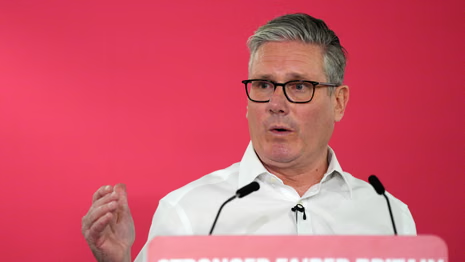
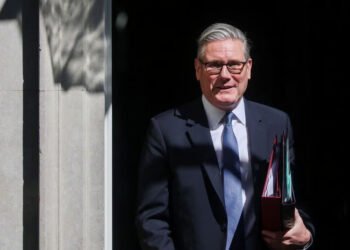
The political atmosphere in Westminster reached a boiling point on Monday as Prime Minister Keir Starmer faced a monumental challenge to his authority. His once firm grip on the reins of power appeared to be slipping away during a day of high drama. Several senior cabinet ministers reportedly urged the prime minister to establish a clear timetable for his eventual departure from office. This internal pressure follows a series of crushing election defeats that have severely shaken the confidence of the party. More than seventy Labour members of parliament have now publicly called for him to stand down immediately.
The prime minister remained defiant in the face of this growing rebellion within his own political ranks. He warned that the British public would never forgive the party for entering a period of chaos. Starmer argued that plunging the country into a leadership election would be a profound mistake for the nation. He expressed a firm intention to prove his doubters wrong and maintain his position at the helm today. The prime minister believes he can still navigate the current political storm and restore order to his government. However, the sheer volume of dissent suggests that his path forward is becoming increasingly narrow and difficult.
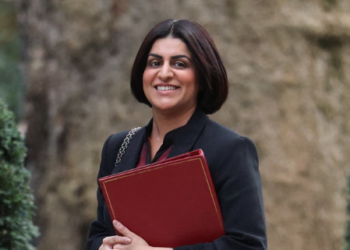
The Guardian reports that two major figures in the cabinet have already voiced their serious private concerns. Foreign Secretary Yvette Cooper and Home Secretary Shabana Mahmood reportedly told Starmer to oversee an orderly power transition. They believe that a managed exit is necessary to protect the long-term interests of the Labour movement now. These high-level discussions indicate a significant shift in the internal dynamics of the current British government cabinet. Such influential voices calling for change make it much harder for the prime minister to ignore the situation. The pressure is mounting as more colleagues begin to question the viability of his continued leadership this week.
Other senior figures such as John Healey and David Lammy have also engaged in these sensitive leadership discussions. They reportedly discussed how to take a responsible and dignified approach to the inevitable transition of power ahead. Their focus remains on ensuring that any change in leadership does not further damage the standing of Britain. This suggests that even his most experienced allies are preparing for a future without Starmer at the top. The move toward an orderly exit is seen as a way to avoid a messy public confrontation. These ministers want to ensure the party remains a credible force for the upcoming general election cycle.
Despite the surge of opposition, some members of the cabinet have chosen to remain loyal to the leader. Figures like Richard Hermer and Steve Reed were notably defiant and urged the prime minister to fight on. They believe that abandoning the leader now would signal weakness to the opposition and the general public. This split within the top tier of the government highlights the deep divisions currently facing the party. The loyalists argue that stability is the most important factor for a governing party during difficult times. Their support provides a small buffer for Starmer as he considers his next move in this crisis.
One cabinet minister noted that the prime minister has finally started listening to the concerns of his peers. There are clear differences of opinion regarding what course of action best serves the party and country. Starmer will have to make a difficult decision before the scheduled cabinet meeting takes place on Tuesday morning. The eyes of the entire political establishment are fixed on Downing Street as the deadline fast approaches. Everyone is waiting to see if he will choose to fight or signal his intent to resign. This moment represents the most significant test of his political career since he took office years ago.
Chief Whip Jonathan Reynolds spent much of Monday inside Number Ten conveying the sour mood of the backbenchers. He acted as a bridge between the angry members of parliament and the prime minister’s core operation team. Many MPs have not yet gone public but are privately expressing their deep dissatisfaction with the current leadership. The role of the Chief Whip is vital in assessing whether the government can still function effectively. His reports likely painted a grim picture of a party that is rapidly losing faith in its leader. This internal feedback is often the final factor that forces a prime minister to reconsider their position.
Outside of the cabinet, the calls for resignation have become even louder and more organized among the rank. Close allies of Health Secretary Wes Streeting have urged Starmer to set out a swift and clear timetable. This move appeared to be an orchestrated attempt to force the prime minister into a corner on Monday. However, friends of the health secretary suggested he has no personal plans to destroy the government from within. Streeting remains a popular figure who many believe could be a potential successor in a future contest. His influence among the younger generation of MPs makes his position particularly important in this ongoing struggle.
Supporters of Andy Burnham also published letters calling for the prime minister to leave his post quite soon. Sources on the National Executive Committee suggested they might take a different course regarding the Manchester mayor now. There are hints that previous blocks on Burnham standing for parliament could be reconsidered in the near future. The mayor has long been seen as a formidable rival to the current leadership within the party. His popularity in the north of England remains a powerful asset that many members want to utilize. If he returns to Westminster, he would almost certainly be a frontrunner for the top job himself.
The atmosphere has turned increasingly bitter as cabinet ministers express anger toward both Burnham and also Wes Streeting. Some believe these two figures have intentionally precipitated the current crisis by allowing their allies to speak out. Accusations of betrayal and tactical maneuvering are flying behind the scenes of the Labour party headquarters right now. One source claimed that these potential candidates have their hands all over the current push for a change. This internal warfare threatens to leave lasting scars on the party regardless of who eventually leads the group. The sense of unity that brought them to power is now under severe and constant strain.
Angela Rayner appears to have thrown her support behind the idea of Andy Burnham returning to the national stage. She argued that blocking him was a mistake and that he should be allowed to return to parliament. Rayner’s own chances of running for leader are currently stalled due to ongoing questions about her personal taxes. Her standing as a potential successor has fallen slightly in recent weeks as other candidates gain more momentum. However, she remains a vital player who could form part of a new leadership team in the future. Her support for Burnham suggests a shifting alliance that could redefine the future direction of the party.
Starmer and his allies are struggling to launch a successful rearguard action to shore up his failing leadership. This situation differs from previous threats where the cabinet came out in force to support the prime minister publicly. The lack of a united front has made the current rebellion feel much more dangerous and potentially terminal. Even though some immediate threats were paused, the underlying dissatisfaction continues to grow among the many backbenchers. The prime minister is finding it harder to convince his colleagues that he can lead them to victory. The momentum seems to have shifted toward those who believe a fresh start is now totally necessary.
Catherine West had initially emerged as a potential stalking-horse candidate but later decided to change her current tactical course. She is now reportedly gathering names of MPs who support a managed and orderly transition of power instead. This change in strategy indicates a move toward a more collective and less confrontational form of internal protest. More than seventy MPs, representing a quarter of the backbenchers, have signed on to this particular cause today. They come from across the various wings of the party, showing that the discontent is not limited here. This broad base of opposition makes it very difficult for Starmer to claim he still has support.
In a public speech on Monday, Starmer reiterated that he would not resign and would fight any challenge. He insisted that he takes full responsibility for not walking away and plunging the country into total chaos. The prime minister referenced the previous Conservative governments as a warning of what happens during leadership turmoil within. He acknowledged that people are frustrated with the state of politics and his own performance as the leader. Starmer promised to prove his doubters wrong and show that he is the right person for the job. His words were intended to project strength, but many felt they lacked the necessary political impact today.
Energy Secretary Ed Miliband reportedly urged the prime minister to consider a departure timetable over a week ago now. This suggests that the pressure has been building behind closed doors for much longer than previously thought. Miliband is seen as a senior statesman who understands the internal mechanics of a leadership crisis very well. His intervention is significant because he represents a more moderate and experienced wing of the Labour party hierarchy. Some believe he might even run for the leadership again to prevent a shift to the right. The involvement of such high-profile figures shows how serious the situation has become for the current government.
One ally of the prime minister urged fellow members of parliament to take a deep breath and stay calm. They argued that decapitating a leader only twenty months into a term is a form of political madness. This perspective emphasizes the need for stability if the party wants to be seen as a credible force. However, these calls for patience seem to be falling on deaf ears as the statements continue to flow. Many MPs believe that the damage has already been done and that waiting will only make things worse. The tension between the need for stability and the desire for change is tearing the party apart.
By Monday afternoon, Chris Curtis of the Labour Growth Group also declared that it was time for new leadership. He stated that the prime minister could no longer deliver the specific changes that the country desperately needs. Curtis was once considered a loyalist, making his public defection a particularly painful blow for the Downing Street. He called for an orderly process where the party can discuss its future vision for the entire country. This sentiment is being echoed by an increasing number of junior frontbenchers and ministerial aides this week. The loss of support from the middle ranks of the party is often a fatal sign.
Four junior frontbenchers resigned from their positions on Monday to call for a change at the very top. These individuals included Tom Rutland and Melanie Ward, who felt they could no longer support the current prime minister. Their resignations forced Downing Street to quickly announce a new raft of appointments to fill the vacant roles. However, replacing these aides does little to address the underlying reasons for their departure from the government. The steady stream of resignations creates a sense of a government that is slowly collapsing from the inside. Each new departure adds to the narrative that Starmer’s time in office is coming to an end.
A large number of the new 2024 intake of MPs have also joined the calls for a resignation. These fresh faces were supposed to represent the future of the party under Starmer’s leadership and personal vision. Their decision to turn against him so early in their careers is a stunning indictment of his authority. They believe that the current trajectory will lead to a certain defeat at the next general election cycle. These MPs are joined by more experienced former ministers who also feel that a change is required now. The breadth of the rebellion covers almost every level and generation within the current parliamentary party.
Not everyone is convinced that a change in leadership is the right path forward for the country today. Some MPs expressed fear that a leadership contest would only help Nigel Farage and his political movement grow. They worry that internal fighting makes the party look weak and out of touch with regular British voters. Natasha Irons warned her colleagues that changing leaders because of external pressure is a move they cannot survive. This fear of the populist right remains a powerful motivating factor for those who want to stay. They believe that the party must stand firm and focus on governing rather than fighting itself.
The mood in the party WhatsApp groups has been described as incredibly tense and full of internal bickering. Some members have used strong language to describe the current state of the potential leadership candidates available now. There is a sense of frustration that none of the possible successors are truly ready to take over. One MP lamented that everyone seems to be failing or avoiding the responsibility of leading the nation forward. This lack of a clear and undisputed successor makes the prospect of a leadership contest even more daunting. The party finds itself caught between a leader who is failing and a future that is uncertain.
Related News:
 Green Party Surges Past Labour in Latest UK Poll
 Trump’s UK Ambassador Urges North Sea Drilling to Strengthen US Ties
 French Taxi Driver Cleared in David Lammy Theft Case After Fare Dispute
 Millionaires group urge Reeves to introduce wealth tax to ‘lift kids out of poverty’
 Starmer Faces Growing Dissent as Labour MPs Weigh Leadership Challenge
 Reeves rejects £1bn plea for NHS redundancy payouts
 PM Condemns Leaks, Vows Loyalty to Ministers and Stability
 Major Rent Reform Ends No-Fault Evictions in England
 Peers Flood Assisted Dying Bill with 942 Amendments
 Most Tories Expect to Support a Farage-Led Government
 Labour MP claims devolution bill is ‘blatant discrimination’ against Cornwall
 Millions Face Higher Taxes Under Reeves New Budget
 Starmer Says Labour’s Economic Plan Needs Years to Deliver
 Culture secretary to review Telegraph takeover by Daily Mail owner
 UK Government Borrowing Drops to £11.6bn in December
 Labour Blocks Burnham as Party Rift Deepens Ahead of Polls
 Andy Burnham and the Labour Rift Over Power and Leadership
 Huge mistake: Labour blocks Burnham from byelection bid
 Artificial intelligence will cost jobs, admits Liz Kendall
 Labour targets Greens on drugs in Gorton Denton byelection
 Greens nominate Hannah Spencer for Gorton and Denton byelection
 Mandelson Faces Police Inquiry Over Epstein Leak
 Starmer Condemns ‘Depraved’ Russian Strikes on Ukraine
 Labour Thinktank Row Deepens Over Journalist Probe Claims
 Morgan McSweeney downfall shocks Labour leadership
 Labour Lord Doyle Apologises Over Paedophile Ties in Political Storm
 Cabinet Secretary Shake-Up Triggers Due Diligence Warning
 Starmer Faces Inquiry Calls Over Thinktank Probe
 Royal Mail Delivery Crisis Deepens Amid Weather Chaos
 UK shelves £110m border project amid trade strain
 Farage Unveils Reform UK Frontbench Team
 California Democrats Vow Trump Reckoning
 Trump Tariffs Threat Spark UK and EU Alarm
 Wales Approves Assisted Dying Bill Consent
 UK EU Trade Reset Gains Public Backing
 Your Party leadership fight nears dramatic end
 NHS Maternity Units Cover Up Harmful Childbirth Errors
 Green Party Stuns Labour in Gorton and Denton Byelection
 Corbyn Leads Your Party in Coordinated Left-Flank Strategy
 Labour Together scandal sparks clean break vow
 Asylum Seekers to Work After Year-Long Wait
 Starmer Row as Greens Demand Apology
 Proposed Law Leaves Gap for Children of Convicted Paedophiles
 Gordon Brown urges court for crimes against children
 Starmer Praised for Stance on Trump and Iran Conflict
 Inquiry into HMRC child benefit errors launched by NAO
 NHS Plans to Cut Overseas Workers Labeled Overambitious
 Farage Faces Backlash Over Crypto Cameo Endorsements
 Army Probes Apache Flyover at Kid Rock’s Nashville Estate
 Relationship with Trump may be beyond repair, Starmer warned
 Unions Raise Concerns Over Doctors’ Pay Dispute
 UK Government Poised to Revive Stalled Hillsborough Law
 UK Stands Firm on Falklands Amid US Rift
 Welsh Labour Faces Potential Historic Election Defeat
 Starmer Survives Mandelson Rebellion
 Silent Tracks: Rail Line Without Passengers
 Major test for Labour as polls open in Great Britain
 Labour Members Doubt Starmer Future as Burnham Leads Poll
 Reform UK Faces Crisis as Newly Elected Councillors Resign
 Farage Faces New Questions Over Private Helicopter Use
 NHS Drug Deal Faces Legal Threat Over US Trade Agreement
 Green Party Makerfield Candidate Resigns Over Posts
 UK Welfare: Focus on Jobs Over Benefit Cuts, Says JRF
 Secret Role of UK Security Services in Troubles Amnesty Law
 Starmer Leadership Under Pressure After Setbacks
 The Hidden Crisis Eroding Trust in British Communities
 Deepfake Abuse on X Sparks Safety Concerns for Dissidents
 Modernising the Military: Carns Demands Urgent Procurement Reform
 UK Ministers Lobby Trump Over Under-16s Social Media Ban
 Starmer Resolves to Fight Burnham in Leadership Battle
 Starmer Resigns as Prime Minister Amid Internal Pressure
 MP Warning: Northern Rail Risks Repeating HS2 Failures
 Hollie Ridley to Step Down as Labour General Secretary
 New South Wales Premier Chris Minns Signals Tough Road Ahead for Labor
 Jarvis Urges Burnham to Secure 3.5% Defence Spending
 Farage Warns Sky News Following Financial Inquiry
 Reform UK Finances Face Deep NCA Probe
 Ann Widdecombe, Formidable Political Figure, Dies at 78
 Treasury Reform Urged After Tragic Loss
 Sadiq Khan Backs Call for Maximum UK Work Heat Limit