Published: 3 July 2026
The English Chronicle Desk
The English Chronicle Online
Keeping up with the week’s biggest headlines has become something of a challenge in today’s fast-moving news cycle. From politics and sport to science, entertainment and the Royal Family, stories emerge daily that capture public attention before quickly giving way to the next major event.
Weekly news quizzes have become increasingly popular because they offer readers an opportunity to test their knowledge while revisiting the stories that shaped the past seven days. They also encourage people to look beyond headlines and better understand the context behind major events.
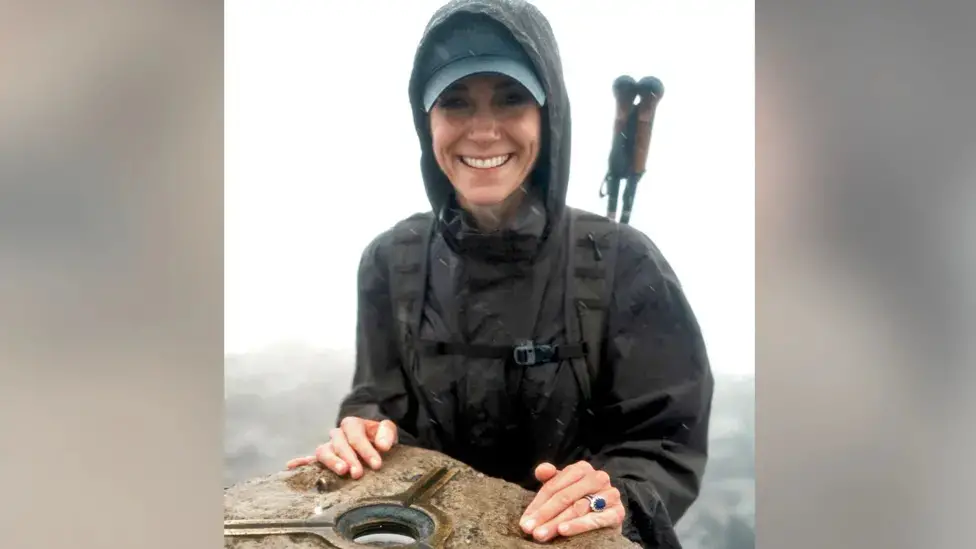
One of this week’s standout questions asks why a princess climbed the United Kingdom’s three highest mountains—a remarkable challenge that attracted attention across Britain.
The feat, often referred to as the “Three Peaks Challenge,” involves climbing Ben Nevis in Scotland, Scafell Pike in England and Yr Wyddfa (Snowdon) in Wales. Together, the mountains represent the highest summits in each of the three nations.

Although the challenge is commonly undertaken by endurance athletes and outdoor enthusiasts, it is also frequently used to raise money for charitable causes or increase awareness of important campaigns.
The royal participation in such an expedition naturally generated public interest, with many readers keen to discover the motivation behind the demanding climb.
Royal engagements have increasingly focused on supporting charitable organisations, promoting mental health, encouraging young people and highlighting environmental issues.
Physical challenges often provide an opportunity to raise significant sums for charities while drawing national attention to causes that might otherwise receive less publicity.
The question featured in this week’s quiz encourages readers not simply to remember the event itself but also to consider the broader purpose behind public fundraising initiatives.
The royal story was just one of many major events making headlines during the week.
Politics continued to dominate public discussion as governments debated spending priorities, public services and economic challenges.
Defence funding, healthcare reforms and taxation remained among the topics generating extensive debate across Westminster and beyond.
Meanwhile, environmental issues also featured prominently.
Warm weather, drought concerns and water conservation measures affected several parts of the UK, reminding residents of the growing challenges posed by changing climate patterns.
Transport disruption, infrastructure investment and local government decisions also attracted widespread attention as communities dealt with the practical consequences of policy decisions and unexpected events.
Sport once again provided many of the week’s most talked-about moments.
Football supporters followed international tournaments closely, while tennis enthusiasts looked ahead to major summer competitions.
Cricket, athletics and motorsport also featured heavily in sports coverage, producing memorable performances and dramatic contests.
Weekly quizzes frequently include sporting questions because they test not only knowledge of results but also awareness of wider stories involving athletes, coaches and competitions.
For many readers, these questions provide a welcome opportunity to relive some of the week’s biggest sporting moments.
Music, film and television continued to generate headlines throughout the week.
Major concerts, celebrity appearances and cultural events remained popular discussion topics, reflecting the entertainment industry’s enduring influence on public conversation.
Royal engagements also occupy a unique place within this landscape, combining public service with widespread media interest.
Stories involving members of the Royal Family often attract attention because they connect charitable work, national traditions and contemporary public life.
Although quizzes are designed to entertain, they also serve an educational purpose.
Remembering facts, recognising names and recalling significant events helps readers stay informed about issues that affect society.
News literacy experts argue that regularly engaging with current affairs improves understanding of politics, economics, science and international relations.
Rather than simply reading headlines, quizzes encourage participants to think about why events matter and how different stories connect.
They also highlight topics that readers may have missed during particularly busy news weeks.
Many quiz questions require more than simple factual recall.
Understanding why someone undertook a particular challenge, why a government introduced a new policy or why an international event became significant often requires broader knowledge of the issues involved.
The question concerning the princess’s climb is a good example.
Knowing that the challenge took place is only part of the answer.
Understanding its charitable purpose, the physical demands involved and the wider message being promoted provides a much fuller picture of the story.
Journalists increasingly emphasise context because it allows readers to understand developments rather than merely consume isolated headlines.
Interactive news formats such as quizzes have grown in popularity as publishers seek new ways to engage audiences.
Readers often enjoy testing themselves before comparing their answers with friends or family members.
Some schools and workplaces even use weekly news quizzes to encourage discussion about current affairs.
Educators argue that they provide an accessible way of developing critical thinking while encouraging people to follow reliable journalism regularly.
The combination of entertainment and education has helped quizzes become a familiar feature across newspapers, broadcasters and digital platforms.
Each week brings hundreds of stories competing for public attention.
Some quickly fade from view, while others continue shaping political decisions, public debate or international events for months or even years.
Weekly quizzes offer an opportunity to pause, reflect and consider which developments proved most significant.
They remind readers that today’s headlines often become tomorrow’s history.
Whether covering royal charity challenges, sporting achievements, scientific discoveries or government decisions, the stories selected for weekly quizzes collectively provide a snapshot of life at a particular moment in time.
News quizzes have existed for decades, evolving alongside newspapers, radio, television and digital media.
While formats have changed, their underlying purpose remains the same: encouraging curiosity about the world.

For regular news followers, they offer a satisfying test of memory.
For occasional readers, they provide an enjoyable way to catch up on the week’s biggest events.
As another busy week draws to a close, readers once again have the opportunity to see how closely they have followed developments across the UK and around the world.
Whether answering questions about royal charity challenges, political debates, sporting achievements or international affairs, the quiz highlights the diversity of stories that continue to shape public life.
In the end, the question about why a princess climbed the UK’s three highest peaks is more than a test of memory. It reflects how public figures increasingly use high-profile challenges to support charitable causes, inspire communities and draw attention to issues that matter far beyond the mountains themselves.
Related News:
 UK Must Act with Courage and Clarity on Israel-Palestine Conflict, Says Foreign Affairs Committee Report
 Radioactive Leak at UK’s Nuclear Warhead Base Sparks Outcry Over Safety and Secrecy
 Mutual Inconvenience: Why Alaska Was Chosen for the Trump-Putin Summit on Ukraine
 Terence Stamp, ’60s British Film Legend and Star of Superman, Dies at 87
 Where Is Prince William and Kate Middleton’s New House? Inside the Historic Lodge Set to Become Their ‘Forever Home’
 FIFA Eyes Biennial Club World Cup from 2029, Plans Possible Expansion
 Is the UK Ready to Put Boots on the Ground in Ukraine? Assessing Military Capacity and Challenges
 Shein UK Faces Allegations of Shifting Majority of Profits to Singapore to Reduce UK Tax
 British Couple Among 16 Killed in Lisbon Funicular Tragedy
 Protests Expected as Israeli Arms Firms Join Global Defence Trade Fair in London
 Thousands Gather in London to Protest Donald Trump’s Second UK State Visit
 British AI Startup Outshines Human Forecasters in Global Prediction Contest
 Liverpool Vs outhampton Set for Carabao Cup Clash at Anfield
 UK Fighter Jet Purchase Could Breach Nuclear Treaty, Warns CND
 A Third of EU Citizens in UK Report Discrimination by Public Bodies Post-Brexit
 Public Trust in SNP Hits Historic Low Amid NHS Concerns
 Cooper Unveils £4m Cyber Plan Against Russian Hackers
 Johnson Suggests Mandelson Linked to China Spy Controversy
 Rachel Reeves signals welfare reform ahead of key budget
 Johnson Approved China’s London ‘Super-Embassy’ in 2018
 Top Christmas Books Reads: Classics to Cozy Romcoms
 Just Stop Oil Protesters Convicted Amid Climate Defence Row
 I’m a Celebrity 2025 line-up revealed: Osbourne joins
 Palace May Restore Hyphen to Andrew Mountbatten-Windsor’s Name
 Royal Navy Shadows Russian Warships Entering the Channel
 Starmer China visit raises human rights pressure on Beijing
 UK New Car Discounts Near £6,000 as Prices Are Slashed
 Starmer Weighs Fast-Tracking Defence Boost
 Snow and Rain Warnings as Cold Snap Continues in the UK
 Dual Nationals Face Scramble for UK Passports as New Rules Come Into Force
 Trump and Chagos Deal Rift Over Iran Strikes
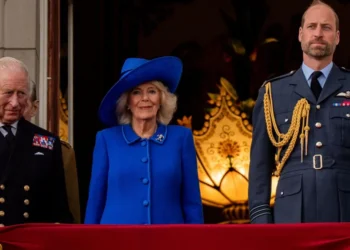 How Much Could Andrew’s Arrest Hurt the Royal Family?
 Australian PM Says Former Prince Andrew Has Suffered ‘Extraordinary Fall’ but That Won’t Prompt Republic Referendum
 Farage Chagos Islands Row Sparks Fury
 US Will Not Back Out of Tariff Deals with UK and Others, Says Trump Trade Representative
 Storm Hernando: Edinburgh Airport Flights Cancelled in US Travel Chaos
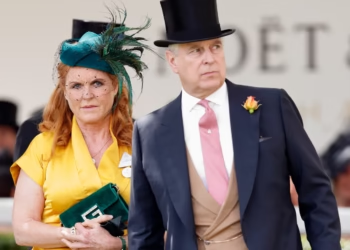 ‘We’ve been paying for happy endings for Andrew for years’: inside the royal disgrace, biographer says
 RAF Responding to Suspected Drone Strike at UK Cyprus Base
 Islanders Advised on Travel to Middle East Amid Escalation
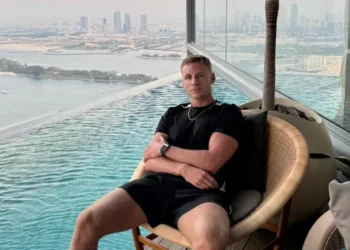 Brit ‘in Good Spirits’ Amid Dubai Missile Attacks, Stranded but Safe
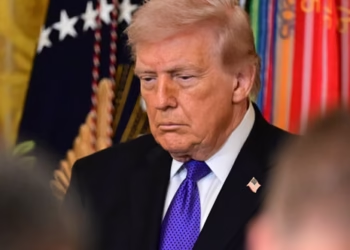 Trump rebukes Starmer over Iran strikes
 Stranger ‘On Drugs’ Stabbed Saudi Student to Death in Cambridge
 Minister Meets Crews Who Will ‘Take Out’ Iranian Drones
 ‘We Must Finish This’: Israelis Rally Behind War Effort as Iran Strikes Tel Aviv
 UK Prepares Aircraft Carrier for Middle East Crisis
 UK–US Tensions Ease as Starmer and Trump Hold First Call Since Iran Row
 Yvette Cooper: UK Must Follow Principles, Not US Pressure
 Iran War Warning: Starmer Backs Ukraine Visit
 UK Wage Growth Slows as Jobs Market Holds Firm
 Australia Imposes Sudden Travel Ban on Iranian Visitors
 UK Forces Ready to Seize Russian Shadow Fleet Vessels
 Net Closes on Lyons Clan: Partner Arrested in Dubai as Crime Boss Snared in Bali
 ‘Better Off Not Planting’: UK Farmers Face 36% Fertiliser Spike as Gulf Crisis Bites
 ‘The Final Word’: Kathleen Stock’s Polemic Against Assisted Dying Reshapes the UK Debate
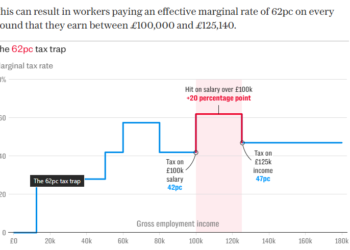 The ‘Career Ceiling’: One in Five High Earners Say £100k Tax Trap is ‘Ruining’ Their Ambition
 Open Justice Prevails as Court Rejects Bondi Gunman’s Family Anonymity Bid
 The Banbridge Rescue: 300 Sheep Saved from Massive Hay Shed Inferno
 Debt Relief or Drop in the Ocean? UK Caps Student Loan Interest at 6%
 ‘The £100,000 Hammer’: War in Iran Forces UK Businesses to Absorb Historic Fuel Hikes
 “Three-Wheeled Triumph”: Mayor of Erewash Completes 2,000-Mile European Charity Run
 The “Charles Charm” Offensive: Did the Royals Find Their Mojo in D.C.?
 The $126 Spike: Oil Hits Four-Year High as Trump Weighs “Powerful” New Iran Strikes
 “An Endurance Test for the Mind”: British Couple Sentenced to 10 Years in Tehran
 Premier League drama defines crucial weekend
 “The Cost of Conviction”: Palestine Action Activists Found Guilty Over ‘Clinical’ Factory Damage
 “The Local Gavel”: Polls Open Across Hampshire and Isle of Wight in Delayed ‘Milestone’ Vote
 “The Blue Light Intersection”: Seventeen-Year-Old Critically Injured in ‘Nasty’ Police Pursuit Crash
 “The Fractured Frontier”: Sir John Curtice Declares the ‘Sacred’ Two-Party Era Over After ‘Milestone’ Results
 The Pathogen Protocol”: Third British National Monitored for ‘Nasty’ Suspected Hantavirus
 “The Reality Reckoning”: Government Demands Accountability as Channel 4 Pulls Married at First Sight UK Over Grave Sexual Assault Allegations
 “I’ve Been Cheated”: Andrew Malkinson Lambasts the ‘Accountability Rot’ of the British Justice System Following True Perpetrator’s Conviction
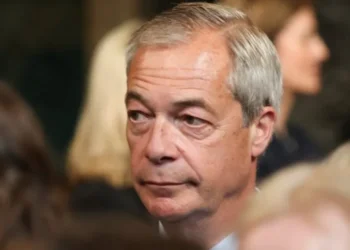 “A Thorn in the Side”: Farage Faced with Fresh Financial Scrutiny as Corporate Accounts Challenge Reality TV Defense
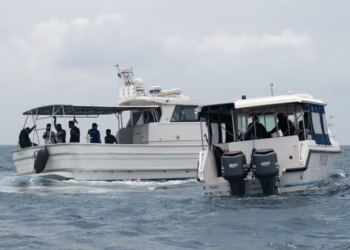 Tragedy in the Maldives: Inside the Deep Sea Rescue
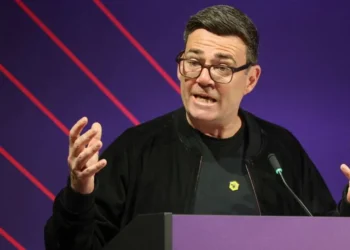 “The Iron Chancellor of the North”: Andy Burnham’s High-Stakes U-Turn to Prevent a Truss-Style Gilt Market Meltdown
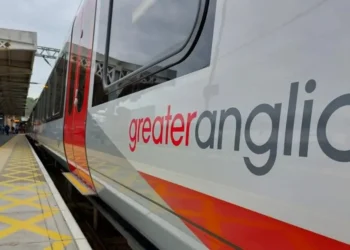 “The London Lockdown”: Tube Strikes and Engineering Works Create a Transport Perfect Storm Across the UK
 “A Historic Tumble”: Lost 1930s Film Reel Reveals the Untamed Origins of Gloucestershire’s Legendary Cheese-Rolling
 “The Pragmatic Pivot”: UK Eases Sanctions on Russian Energy Amid Escalating Global Fuel Crisis
 Farage and Reform UK Reshape British Politics
 UK Faces Most Dangerous Era, Military Chief Warns
 Son Urges Iran Prisoner Exchange for Jailed British Pair