Published: July 10, 2026 | The English Chronicle Desk | The English Chronicle Online
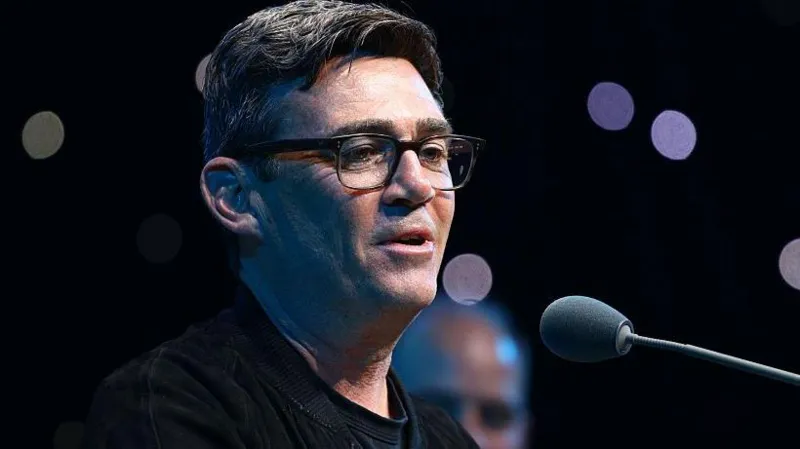
Andy Burnham has emerged as the overwhelming frontrunner to become the United Kingdom’s next prime minister after securing the backing of 322 Labour Members of Parliament in the first official tally of nominations, placing him well ahead of any potential rivals and significantly strengthening his bid to succeed the party’s outgoing leadership.
The early nomination count has fuelled expectations that Burnham is on course to take over the country’s top political office once Labour completes its leadership transition. Although the formal selection process is still underway, political analysts say the scale of parliamentary support demonstrates that Burnham has consolidated his position within the Parliamentary Labour Party and entered the next stage of the contest with a commanding advantage.
The development follows days of intense discussions among Labour MPs, party officials and senior figures as the governing party moves to elect a new leader following the resignation of the incumbent prime minister. The leadership race has attracted widespread attention both within Westminster and across the country, with the outcome expected to shape the government’s domestic and international agenda for years to come.

According to the initial nomination figures, Burnham’s support extends across a broad spectrum of Labour MPs, including members representing constituencies in England, Scotland and Wales. Senior ministers, influential backbenchers and several newly elected MPs are reported to be among those endorsing his candidacy.
Political observers say the breadth of support suggests many MPs are prioritising unity and stability after a period of political uncertainty. Several lawmakers have argued that the party needs a leader capable of maintaining public confidence while continuing to deliver on Labour’s policy programme.
Burnham, who has built a long political career through roles in Parliament, government and regional leadership, has repeatedly emphasised themes of economic growth, public service reform and national cohesion. His supporters describe him as an experienced administrator with a proven record of managing complex public institutions and responding to major challenges.
In recent statements, Burnham has thanked colleagues for their confidence while stressing that the leadership contest should remain focused on the country’s future rather than internal political divisions.
He said the government’s priority must remain improving living standards, strengthening public services, supporting economic investment and maintaining Britain’s international partnerships.
The sizeable nomination total is significant because leadership elections within parliamentary parties often depend heavily on early displays of support. A commanding lead at the nomination stage can influence undecided MPs and party members while discouraging potential challengers from entering the race.
Although other candidates remain eligible to contest the leadership, analysts say overcoming such a substantial gap would be politically difficult unless circumstances change dramatically during the campaign.
Several Labour MPs who announced their backing for Burnham described him as the candidate best positioned to unite both the parliamentary party and Labour’s wider membership.
They argued that his experience working at both national and regional levels provides a strong understanding of the economic and social issues affecting communities throughout the United Kingdom.
Some supporters also highlighted his record of advocating for investment outside London, improved transport infrastructure, healthcare reform and greater regional economic development.
Opposition parties have reacted cautiously to the emerging leadership picture.
Senior figures from rival political parties said they would judge any future prime minister based on government performance rather than leadership endorsements alone. They argued that voters remain primarily concerned about issues including the cost of living, housing, healthcare, immigration and economic growth.
Political commentators believe Burnham’s leadership style could influence Labour’s strategic direction if he becomes prime minister.
While remaining committed to many of the government’s existing priorities, observers suggest he may place increased emphasis on devolved governance, regional investment and closer cooperation with local authorities.
His previous experience as Mayor of Greater Manchester has frequently been cited by supporters as evidence of his ability to manage large public organisations while working across political and institutional boundaries.
Economists are closely monitoring the leadership transition for signals regarding future fiscal policy, business investment and public spending.
Financial markets generally value political stability, and analysts note that a clear leadership outcome could reduce uncertainty surrounding government decision-making in the months ahead.
Business organisations have meanwhile called for continuity in economic policy while encouraging the incoming leadership to prioritise productivity, infrastructure development, workforce skills and international trade.
Trade unions, many of which traditionally maintain close relationships with Labour, have welcomed the orderly nature of the nomination process.
Several union leaders expressed hope that the next party leader will continue engaging constructively with workers, employers and public sector representatives on issues affecting employment rights, wages and industrial relations.
Constitutional experts note that Britain’s parliamentary system allows the governing party to replace its leader—and therefore the prime minister—without requiring an immediate general election, provided the new leader continues to command the confidence of the House of Commons.
Once Labour formally elects its new leader, constitutional procedures would enable the transition of executive authority to proceed relatively quickly.
The nomination stage nevertheless represents only one part of the overall leadership contest.
Depending on Labour’s internal rules, eligible candidates may continue campaigning among MPs, party members and affiliated organisations before the final result is confirmed.
Party officials have pledged that the election process will remain transparent, democratic and consistent with Labour’s constitution.
As campaigning continues, Burnham is expected to outline more detailed policy priorities covering the economy, public services, housing, climate policy, national security and Britain’s international role.
Supporters believe his early lead provides a strong foundation, but they acknowledge that leadership contests require candidates to continue engaging with members and addressing questions about their vision for government.

Political analysts caution that while the first nomination tally strongly favours Burnham, formal leadership elections are not concluded until all procedural stages have been completed.
Even so, the backing of 322 Labour MPs represents one of the strongest early endorsements seen in a modern Labour leadership contest and places Burnham firmly in pole position to become the party’s next leader—and, with it, the United Kingdom’s next prime minister.
If current support levels are maintained throughout the remainder of the process, Britain could soon witness one of the smoothest leadership transitions in recent political history, with Labour seeking to project unity and continuity at a time of significant domestic and international challenges.
Related News:
 UK Must Act with Courage and Clarity on Israel-Palestine Conflict, Says Foreign Affairs Committee Report
 Radioactive Leak at UK’s Nuclear Warhead Base Sparks Outcry Over Safety and Secrecy
 Chancellor Rachel Reeves Pushes for Sweeping Changes to Environmental Protections to Accelerate Development
 Is the UK Ready to Put Boots on the Ground in Ukraine? Assessing Military Capacity and Challenges
 Police Scotland Spends £500,000 Compensating Officers Over Trump Visit
 Britain’s Migration Challenge: Rising Asylum Numbers and Hotel Pressures
 Elon Musk Sparks New Controversy by Backing Tommy Robinson Amid Farage Feud
 Urgent Action Needed on Windrush Compensation as Survivors Speak of “Waiting to Die”
 Tanni Grey-Thompson Faces Abuse Over Opposition to Assisted Dying Bill
 TfL Invites RMT to Resume Talks as London Tube Strikes End
 Nigel Farage Unveils Controversial Immigration and Welfare Plans at Reform UK Press Conference
 Ed Miliband Warns UK Government on X, Citing Elon Musk as a “Dangerous Influence”
 Kemi Badenoch Unveils ‘Golden Rule’ to Halve Spending Cuts for Deficit Reduction at Tory Conference
 UK border officers deployed to Balkans to tackle migrant smuggling
 UK MPs warn of repeat riots over online misinformation
 Army Barracks to House Migrants as Hotels Phase Out
 Trump’s UK Ambassador Urges North Sea Drilling to Strengthen US Ties
 French Taxi Driver Cleared in David Lammy Theft Case After Fare Dispute
 Millionaires group urge Reeves to introduce wealth tax to ‘lift kids out of poverty’
 Reeves rejects £1bn plea for NHS redundancy payouts
 PM Condemns Leaks, Vows Loyalty to Ministers and Stability
 Major Rent Reform Ends No-Fault Evictions in England
 Starmer Says Labour’s Economic Plan Needs Years to Deliver
 England delays four mayoral elections amid criticism
 UK Ministers Drop Foreign Student Targets for Global Education Push
 No Gas Boiler Ban as UK Warm Homes Plan Backs Heat Pumps
 Shinzo Abe’s killer receives life sentence in Japan
 Police response times face strict new national limits
 Could Manchester Lead the UK’s Economic Revival?
 Starmer Weighs Fast-Tracking Defence Boost
 Farage to Name Jenrick as Reform Chancellor Pick
 Civil Service Pay: Union Urges Ministers to End ‘Barking Mad’ Limits
 Antonia Romeo appointment sparks criticism
 Australian PM Says Former Prince Andrew Has Suffered ‘Extraordinary Fall’ but That Won’t Prompt Republic Referendum
 Farage Chagos Islands Row Sparks Fury
 Lord Mandelson Released on Bail After Arrest on Suspicion of Misconduct in Public Office
 Reform UK targets workers’ rights repeal
 Russian Trade Routed Through British Islands Exposed
 Mandelson Arrest: Met Apologises to Hoyle
 No 10 Will Have No Say on Which Mandelson Papers Are Released
 BBC Charter Reform Sparks Independence Battle
 Labour MP’s Partner Arrested on Suspicion of Spying for China
 Police Scotland Pays £8m Compensation to Staff
 Minister Meets Crews Who Will ‘Take Out’ Iranian Drones
 Thousands Protest Iran Strikes Outside US Embassy London
 UK Oil and Gas Supplies Reassured Amid Middle East Concerns
 Tommy and Gail Sheridan to Stand for New Political Party After Alba Demise
 UK Forces Ready to Seize Russian Shadow Fleet Vessels
 US Lawmaker Demands Testimony Over Sarah Ferguson’s ‘Close Epstein Ties’
 The 8 Million Dilemma: Why Britain’s Disability Safety Net is Facing a ‘2026 Reckoning’
 Is Britain Ready? Experts Warn of ‘Bizarre’ Military Delay
 Foreign Office Chief Resigns Amid Mandelson Vetting Row
 “Jobs Will Go”: Rishi Sunak Warns AI is Already Eroding Entry-Level Opportunities
 Reform UK Vetting Scrutiny Amid Candidate Scandal
 Crackdown Backfires on UK Climate Protesters
 Reality Check on Reform: Minister Says Outright Abolition of Leasehold “Impossible”
 The “Dry” Life: Teens Trialing Social Media Bans Call Initial Disconnection “Boring” and “Dry”
 “Invisible Agony”: 98-Year-Old Woman Left in “Severe Pain” for Days Amidst Care Backlog
 “An Endurance Test for the Mind”: British Couple Sentenced to 10 Years in Tehran
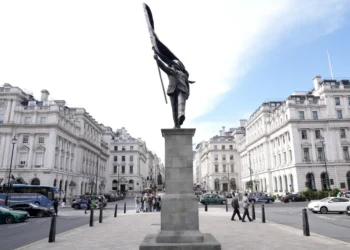 “Stealth and Scaffolding”: The Midnight Logistics Behind Banksy’s Latest London Plinth
 “The Cost of Conviction”: Palestine Action Activists Found Guilty Over ‘Clinical’ Factory Damage
 “The Local Gavel”: Polls Open Across Hampshire and Isle of Wight in Delayed ‘Milestone’ Vote
 Major test for Labour as polls open in Great Britain
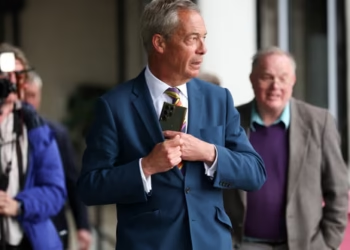 Farage Faces New Questions Over Private Helicopter Use
 NHS Drug Deal Faces Legal Threat Over US Trade Agreement
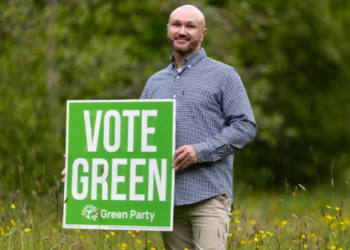 Green Party Makerfield Candidate Resigns Over Posts
 Secret Role of UK Security Services in Troubles Amnesty Law
 Labour Faces Growing Pressure Over Living Wage Delay
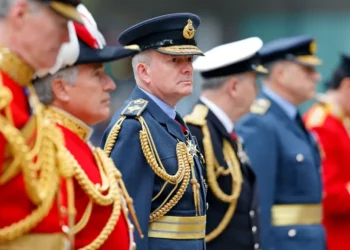 UK Faces Most Dangerous Era, Military Chief Warns
 Son Urges Iran Prisoner Exchange for Jailed British Pair
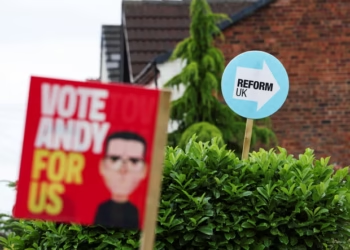 Digital Scrutiny Under the Spotlight in Makerfield
 Modernising the Military: Carns Demands Urgent Procurement Reform
 Prince George Set to Begin Studies at Eton This September
 Starmer Set to Announce Exit Plan as Burnham Eyes No 10
 Burnham Promises Relief on Cost of Living Crisis
 Police Raise Concerns Over Government’s Late Decision to Extend Pub Opening Hours for England Match
 Starmer Predicts Labour Election Win Under Burnham
 Farage Rivals Rule Out Clacton By-Election Fight
 Dover Faces Travel Crisis as EU Border System Stalls
 Labour MPs Push for Stricter Political Funding Reforms