
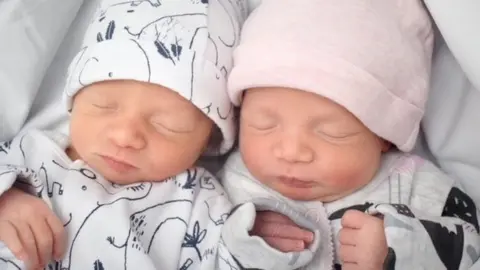
A mother whose newborn twin died following a home birth had remained determined to deliver her babies outside hospital despite repeated warnings from medical professionals, an inquest in New South Wales, Australia, has heard. The court was told that the woman had declined several medical recommendations, including specialist consultations, additional pregnancy scans and an earlier induction, because she feared the hospital environment after hearing accounts of traumatic childbirth experiences.
The case is part of an ongoing coronial inquest examining the deaths of four babies born through free births or home births in the Northern Rivers region of New South Wales between 2022 and 2024. The proceedings have raised difficult questions about the risks associated with unassisted childbirth, the responsibilities of birth attendants and the challenges medical professionals face when expectant parents refuse conventional maternity care.

Unlike the other three cases under examination, Baby B’s birth involved four midwives as part of the planned arrangements. The principal midwife continued to provide support to the mother even though medical experts considered a home birth unsuitable given the circumstances of the pregnancy.
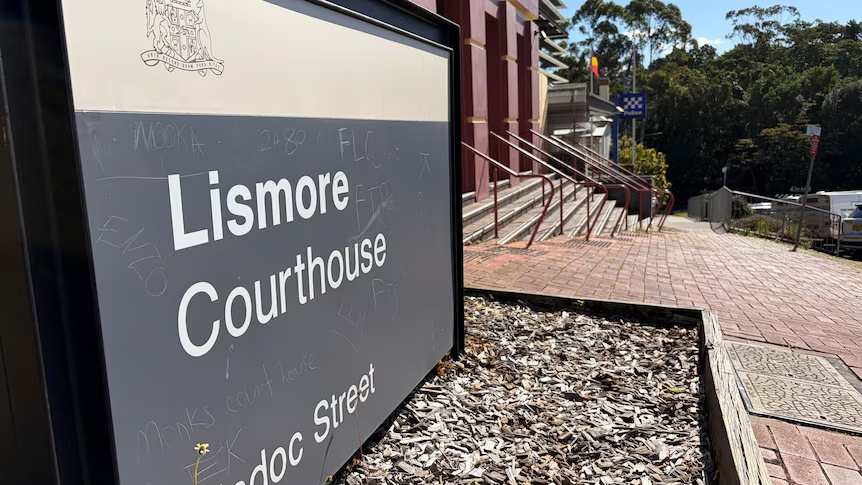
The court in Lismore heard that the mother was expecting twins, a development she had initially described as a wonderful shock. However, she had already decided that she wanted to give birth at home. Her decision was influenced by stories she had heard from other women about difficult and distressing hospital birth experiences.
In evidence presented to the inquest, the mother explained that she had conducted extensive research before choosing midwives with experience in home births. She said she had looked into the subject through books and online information and was selective when deciding whom to trust with her delivery.
She told the court that she felt sufficiently comfortable with the midwives she had selected to proceed with her plan to give birth to both babies at home.
However, the medical circumstances made the decision particularly concerning. Expert witness Professor Hannah Dahlen told the inquest that several factors meant the pregnancy was not considered suitable for a home birth. These included the fact that the mother was carrying twins, the pregnancy had continued beyond 41 weeks, and there had been no specialist review.
The family also lived a considerable distance from the hospital. Medical experts were concerned that complications could require an urgent operative delivery, while two newborn babies might simultaneously need skilled medical attention and resuscitation.
According to the evidence presented, the risks were not limited to the possibility of complications during labour. A twin delivery can require immediate and coordinated medical intervention if either baby experiences breathing difficulties or other serious problems. The distance from hospital could also reduce the time available to respond effectively to an emergency.
The mother had undergone scans at 12 and 22 weeks of pregnancy but did not pursue hospital-based antenatal care or consultations with an obstetrician. A local doctor attempted to maintain contact and follow up on her condition, although the mother indicated that she was doing well.
Her midwife recommended monthly ultrasound examinations and advised that labour should be induced between 36 and 37 weeks. The mother declined both recommendations. The midwife told the court that she had discussed the potential dangers with her at every visit.
The inquest also heard that the local medical community became increasingly concerned as the planned delivery approached. Hospital staff, obstetricians, the family’s local general practitioner and the midwife communicated about the situation and attempted to prepare for the possibility that the home birth could develop into an emergency.
The ambulance service was sufficiently concerned to arrange a second paediatric resuscitation kit, ensuring that emergency responders would have additional equipment available if both newborns required urgent treatment.
The midwife explained that continuing to support the mother was partly an attempt to prevent an even more dangerous situation. She told the court that the alternative was for the woman to give birth at home without any professional support whatsoever.
Although the midwife believed the mother would seek assistance if complications arose, the relationship between the family and the medical system became increasingly strained. The inquest heard that the mother’s distrust of healthcare services was reinforced as the pregnancy progressed.
One incident proved particularly damaging. Ambulance officers and later police attended the family’s home to conduct a welfare check. The mother reportedly became angry and distressed by their presence, believing that she was being pressured into going to hospital.
The midwife told the court that the woman felt violated because authorities had come to her home and that she viewed their actions as an attempt to coerce her into receiving hospital care.
The incident further strengthened the mother’s determination to remain outside the hospital system, making it more difficult for those involved to persuade her to reconsider her birth plan.
Eventually, labour began at home. The first twin was delivered successfully, but Baby B experienced difficulties immediately after birth. The baby initially gasped, appeared stunned and required assistance to begin breathing independently.
At first, the situation appeared relatively stable. The mother later said that she could hear the baby breathing during the following night and had not noticed any obvious deterioration in the child’s condition.
However, in the early hours of the morning, Baby B stopped breathing. Emergency services were called, and responders found the newborn pale, unresponsive and without a pulse, although the baby’s body was still warm.
The infant was taken to hospital, where medical staff continued efforts to save her life for approximately 45 minutes. Hospital records presented to the court indicated that the baby was in an extremely serious condition. Her blood sugar level and body temperature were low, and she remained unresponsive despite attempts at resuscitation.
Baby B eventually died. The inquest heard that the cause of death was a bacterial infection.
The surviving twin, a boy, was also seriously unwell. By the time medical assistance was provided, he was reportedly limp and grey. He was believed to have contracted the same infection, although his condition was less severe, and he survived.
The death had a profound effect on the midwife who supported the family. She told the court that she subsequently surrendered her professional registration, partly because of the emotional consequences of the tragedy and partly because of her experience of how the healthcare system treated her afterwards.
She also described the distress surrounding the communication of the baby’s death. According to her evidence, nobody had directly informed her that Baby B had died.
When someone from the hospital telephoned to ask about the surviving twin, the midwife initially misunderstood the purpose of the call. She believed the caller was asking about Baby B and wanted to know whether the child was being transferred to a larger hospital.
Instead, she was told: “Oh, she’ll be going to the coroner.”
The evidence concerning Baby B has highlighted an important distinction between this case and the other three deaths being investigated. The first three babies died following free births, in which no medical professionals were present. Baby B’s birth, by contrast, involved a planned arrangement with several midwives, and the court heard that expert opinion considered their treatment reasonable and appropriate.
Nevertheless, the experts maintained that the home birth itself was not appropriate under the circumstances. The distinction has become an important part of the inquest as it examines the circumstances surrounding each death rather than treating all home births as identical.
The proceedings also underline the complicated position faced by midwives when parents reject medical recommendations. Healthcare professionals have a responsibility to explain risks and encourage appropriate treatment, but they may also be confronted with situations in which families refuse hospital care. In this case, the midwife continued to support the mother because she believed that withdrawing assistance could leave her and the babies in an even more vulnerable position.
The tragedy has brought renewed attention to the importance of informed decisions during pregnancy, access to specialist maternity care and effective communication between families and healthcare providers. While personal experiences and concerns about childbirth can influence decisions, multiple pregnancies and prolonged gestation can involve complications requiring rapid access to specialist services.

The inquest is continuing, with further evidence expected to examine the circumstances surrounding the four newborn deaths. Its findings may help clarify the responsibilities of healthcare professionals, the risks associated with planned home births in complex pregnancies and the broader challenges of protecting newborn babies when expectant parents decline recommended medical care.
For the families involved, however, the proceedings are about more than professional standards and medical decisions. They are also an attempt to understand how four babies lost their lives and whether different decisions or interventions could have changed the outcomes.
Related News:
 Controversial Vaccine Trial Approved in Guinea-Bissau
 Australian Advocates Seek Subsidised Drugs for PMOS
 Elizabeth Struhs Inquest Examines Child Safety Failures
 One Nation Pledges $2,000 Baby Subsidy in Victoria
 Helen Haines Loses Both Legs After Alleged Attack
 Alan Jones Trial Paused for Melbourne Cup Viewing
 Teenager Survives Six Nights Alone in Australian Wilderness
 NSW Inquest Examines Deaths of Twins After Free Birth
 Florida Surgeon ‘Devastated’ Over Fatal Surgery Error
 Barrister Criticises Trial After Suicide Case Verdict
 NHS Breast Care Review Finds Serious Patient Harm
 OpenAI Agent Breaches Medicare Portal in Australia
 Fayed Survivors Demand Inquiry Into Medical Regulator
 Drumcree Talks Falter as Legal Challenge Deepens
 UK-France Returns Deal Faces Expiry as Talks Stall
 Banned Health Coach Faces UK Events Criticism
 Latin America women fear rollback of rights
 NSW Police Bid Delays Inquiry Into Sydney Protest
 Sam Wood Denied Bail Over Alleged Domestic Assault
 Trader Wins Unfair Dismissal Case After Overseas Work
 Three Convicted in Mexico Surfing Trip Murders
 UAE Says Co-Pilot Planned Suicide Attack on Israel
 Premier League Faces a Crisis of Trust After City Verdict
 Trump Attacks Norway After Nobel Peace Prize Snub
 Delhi Braces for Youth Protests Over Voter Roll Dispute
 ABC Reporter Faces Possible Disciplinary Action Over Opinion Piece
 Baby Boy Found Dead at Adelaide Motel: Two Charged
 Millions Face Tougher Medicaid Rules From January
 Ohio Airports Become Key Hubs for ICE Deportation Flights
 Farage Rejects Claims Reform Would Let Troops Shoot Migrants
 Camera Discovery Triggers Navy Ship Investigation
 Senegal LGBTQ+ Crackdown Drives People Into Hiding
 Gadi Eisenkot: Israel’s Anti-Netanyahu Challenger
 French Police Face Scrutiny Over Injured Teenagers
 Helen Haines Loses Leg in Alleged Targeted Attack
 Nigeria Confirms Ebola Case as Regional Outbreak Spreads
 Greens Face Leadership Test as Jordon Steele-John Misconduct Claims Leave Party in Limbo
 Former RAAF Pilot Accused of Murdering Wife
 Taylor Faces Backlash Over Response to Haines Attack
 Serbia’s Student Victory Sparks a ‘Smell of Freedom’
 Trump’s Midterm Campaign Faces Racism and Political Backlash
 McKenzie Warns MP Safety Fears Could Weaken Democracy
 Erin Patterson Faces Life in Prison After Appeal Loss
 Bedouin Women Drive Historic Arab Election Gains
 Australia Faces Growing Scrutiny Over Paraquat Risks
 Victorian Magistrate Reprimanded Over Courtroom Remarks
 WA Facial Recognition Trial Scans 1.38m Faces
 Queensland Hospital to Close Labs After Safety Probe
 Hanson Takes Racial Discrimination Case to High Court
 Lamarre-Condon Defends First Shot in Double Murder Trial
 Seven Arrested After Bonfire Night Violence in Scotland
 Stephen Miller’s Rise Puts Hardline Views at Centre of Power
 One Nation Candidate Apologises for Offensive Posts
 Teenager Found Alive After Six Days Lost in Australian Bush
 Helen Haines Leaves Hospital After Double Amputation
 European Pesticides Linked to 1,605 Brazil Poisoning Reports
 Melbourne Cup Horse Found Dumped in Sydney Skip Bin
 Australia’s Election Funding Changes Face Fresh Backlash
 Ben Roberts-Smith Denies War Crime Allegations in First Statement
 Maldives Cave Diving Tragedy Raises Safety Alarm
 Pope Meets Families in Italy Toxic Waste Zone
 New Footage Revives Peter Falconio Mystery
 Westminster Council Threatens Charing Cross Soup Kitchen
 Turkey LGBTQ Crackdown Expands With New Arrests
 US Networks Suspend Trump White House Pool Coverage
 Democrat Says ICE Restricted Detention Camp Oversight
 Republican Senator Questions Trump Ad Spending
 London Facial Recognition Trial Ends With False Alert
 UK University Strikes Spread as Financial Pressure Grows
 Badenoch Raises Prospect of 2027 UK Election
 French School Protests Escalate as 400 Schools Close
 Trump Says He Deserves Nobel Peace Prize
 British Military School Abuse Victims Denied Justice
 Former Students Raise Concerns Over School Culture
 Brazil Court Scandal Threatens Lula as Bolsonaros Rise
 India’s Voter Roll Crisis Sparks Nationwide Protests
 UK Bill Faces Warning Over Fayed Trafficking Victims
 UK Visa Refusal Threatens Baby’s Family Christmas
 Zelenskyy Sees Peace Opportunity as US Envoys Meet Putin
 Eisenkot Accuses Netanyahu of Racist Anti-Arab Campaign