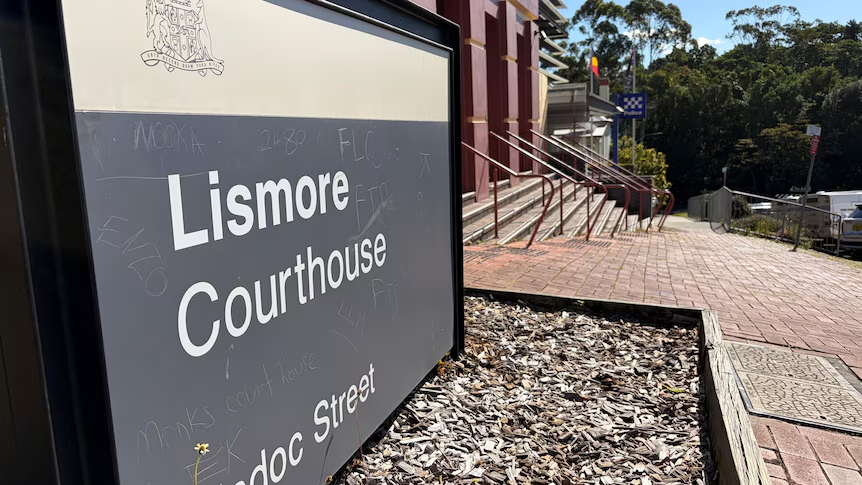
An Australian inquest has heard that a mother in New South Wales did not know she was expecting twins until she had delivered her first baby at home without medical supervision. Both newborns subsequently died, with the circumstances surrounding the birth raising serious questions about pregnancy monitoring, unregistered birth support and the risks associated with free births.
The case is part of a wider coronial investigation examining the deaths of four babies born through free births or home births in the Northern Rivers region of New South Wales between 2022 and 2024. The inquest is considering whether the care provided to the mothers and babies was reasonable in the circumstances, including the involvement of an unregistered support worker before, during and after delivery.
A free birth generally refers to a situation in which a woman gives birth without a registered healthcare professional, such as a doctor or midwife, being present. Some women choose this approach because of personal, philosophical or spiritual beliefs, while others may have concerns about conventional maternity services. However, the practice can create significant challenges if unexpected complications develop during pregnancy or labour.

The mother involved in the twin case, whose identity cannot be disclosed for legal reasons, had decided to undertake what was described as a sovereign birth. This meant she intended to deliver her baby at home without conventional medical supervision or routine pregnancy monitoring.
According to a police statement read to the court, the mother had attended three or four sessions with Sita Tara Kali, a self-described birth keeper who provided support before the delivery. The mother reportedly paid Kali $4,100 for the sessions.
The mother described the meetings as consisting mainly of bodywork and said she had not received much practical birth preparation. She told police that she had been given a few books but felt the preparation did not match the quality of support that had been offered.
The court also heard that Kali had performed a process described as body mapping during the pregnancy. However, the procedure did not identify that the mother was carrying two babies. The mother had not undergone pregnancy scans, meaning the presence of twins had remained unknown before labour.
In her statement, the mother said she had felt healthy and energetic throughout the pregnancy. She described the birth experience as amazing and said the decision to avoid conventional maternity services had been central to the family’s approach.
The situation changed dramatically after the first baby was delivered. Only then did the mother realise that another baby remained to be born. The court heard that Kali advised the family to contact emergency services immediately after the discovery.
When police arrived at the family home in 2024, one of the newborn twins had already died, while the second baby was being taken to hospital. Sergeant David Greenway told the inquest that the parents were shocked and had not known they were expecting twins.
Both babies died. One twin was stillborn and was believed to have died in the womb before delivery. The other, identified in the proceedings as Baby D, was born alive but died within approximately three hours. Because coronial courts cannot investigate the death of a stillborn baby in the same way, the inquest is examining the death of Baby D.
The precise reason for Baby D’s death remains unclear. However, the court heard that one possible explanation was blood loss following the cutting of the umbilical cord without it being clamped. The inquest will need to consider the available medical evidence before establishing what happened.
Kali was present at the home when police arrived. Sergeant Greenway recalled that she identified herself as a birth keeper who supported women choosing free births. According to his evidence, she told him she was not medically trained but believed there was a need for this kind of support because some women did not want to attend hospitals and could not afford midwives.
Greenway also recalled Kali saying that women choosing to exercise their autonomy over childbirth should be allowed to make their own decisions. She reportedly maintained that she was not doing anything illegal and understood her rights.
Kali is expected to give evidence at a later stage of the inquest. She has been involved in the care of two of the four babies whose deaths are being examined. She is not facing criminal charges in connection with the cases.
The proceedings have also heard evidence from medical specialists about the risks associated with an undiagnosed twin pregnancy. Dr Alison Teate, president of the Australian College of Midwives, told the court that twin pregnancies involving a single placenta carry a higher level of risk than pregnancies in which each baby has a separate placenta.
According to Teate, pregnancies involving twins and one placenta require significantly closer medical surveillance. She said appointments would generally take place every fortnight from around 20 weeks of pregnancy. Such monitoring can help healthcare professionals identify complications and assess whether additional intervention may be necessary.
The distinction is important because some complications associated with twin pregnancies can develop without obvious symptoms. Regular scans and specialist assessments can provide information about the babies’ growth, placental conditions and other potential risks that may not be apparent to the mother.
The inquest also heard from neonatal expert Professor Nicholas Evans, who believed that both twins would probably have survived if the pregnancy had been managed conventionally. His evidence highlights the importance of the medical questions at the centre of the proceedings, although the final findings will depend on the full examination of the evidence.
The mother’s police statement offered further insight into the family’s reasons for avoiding conventional maternity care. She said their decision not to use the medical system had been deliberate and that they wanted the birth to be as holistic and spiritual as possible. The family had therefore chosen a home birth outside the conventional healthcare system, with support from a doula.
The case has raised broader questions about the balance between personal choice in childbirth and the responsibility to ensure that mothers and babies receive appropriate medical care. Supporters of home birth often emphasise the importance of autonomy, informed decision-making and a comfortable environment. However, medical professionals stress that pregnancy can involve unexpected complications, some of which require rapid assessment and intervention.
The wider coronial inquest is examining four infant deaths across the Northern Rivers region over a two-year period. By considering the circumstances of each case, the court is expected to assess the quality of care provided, the decisions made by families and support workers, and whether existing safeguards are adequate.
A central issue is whether unregistered birth support workers can provide appropriate assistance when they are not trained or authorised to identify and manage medical complications. The court is also considering whether the care provided before, during and after delivery was reasonable and appropriate in the circumstances.
The investigation does not mean that every home birth or decision to avoid certain medical interventions will result in harm. However, the evidence presented in the twin case demonstrates how an undetected complication can create an emergency that families may not be prepared to manage without professional support.

For the parents involved, the deaths of both babies represent an immeasurable personal loss. The inquest is examining the circumstances in which the tragedy occurred, with the aim of establishing what happened and whether changes to professional practices, oversight or public awareness could help prevent similar deaths.
As the proceedings continue, evidence from Kali and other witnesses is expected to provide further information about the support offered during the pregnancy and the events surrounding the delivery. The coronial findings may also contribute to wider discussions in Australia about maternity care, informed choice, professional accountability and the protection of newborn babies.
Related News:
 Elizabeth Struhs Inquest Examines Child Safety Failures
 Florida Surgeon ‘Devastated’ Over Fatal Surgery Error
 Barrister Criticises Trial After Suicide Case Verdict
 NHS Breast Care Review Finds Serious Patient Harm
 Fayed Survivors Demand Inquiry Into Medical Regulator
 Banned Health Coach Faces UK Events Criticism
 NSW Police Bid Delays Inquiry Into Sydney Protest
 Sam Wood Denied Bail Over Alleged Domestic Assault
 Controversial Vaccine Trial Approved in Guinea-Bissau
 Australian Advocates Seek Subsidised Drugs for PMOS
 Baby Boy Found Dead at Adelaide Motel: Two Charged
 Camera Discovery Triggers Navy Ship Investigation
 Senegal LGBTQ+ Crackdown Drives People Into Hiding
 One Nation Pledges $2,000 Baby Subsidy in Victoria
 Helen Haines Loses Leg in Alleged Targeted Attack
 Helen Haines Loses Both Legs After Alleged Attack
 Former RAAF Pilot Accused of Murdering Wife
 Erin Patterson Faces Life in Prison After Appeal Loss
 Australia Faces Growing Scrutiny Over Paraquat Risks
 Victorian Magistrate Reprimanded Over Courtroom Remarks
 WA Facial Recognition Trial Scans 1.38m Faces
 Alan Jones Trial Paused for Melbourne Cup Viewing
 Queensland Hospital to Close Labs After Safety Probe
 Lamarre-Condon Defends First Shot in Double Murder Trial
 Teenager Survives Six Nights Alone in Australian Wilderness
 Melbourne Cup Horse Found Dumped in Sydney Skip Bin
 Immigration Judges Fear Pressure in Trump Era
 Westminster Council Threatens Charing Cross Soup Kitchen
 BBC Warned About Missing Clothes of Murder Victim
 Cambridge Professor Jason Arday Found Dead at Home
 Internal Exclusions Surge in England’s Schools
 Councils spend £125m on illegal children’s care
 Patriot Platform Raises Concern Across Britain
 Disabled Travellers Seek Fairer UK Care Rules
 Patrick Clancy speaks publicly about children’s deaths
 Democrat Says ICE Restricted Detention Camp Oversight
 GP List Policy Risks Cutting Off Vulnerable Patients
 OpenAI Agent Breaches Medicare Portal in Australia
 Free Speech Emerges as Key UK Election Issue
 Cornell Fraternity Assault Investigation Reopened
 London Facial Recognition Trial Ends With False Alert
 UK University Strikes Spread as Financial Pressure Grows
 Drumcree Talks Falter as Legal Challenge Deepens
 UK-France Returns Deal Faces Expiry as Talks Stall
 Drumcree Talks End Without Agreement Ahead of Appeal
 Badenoch Raises Prospect of 2027 UK Election
 New Prosecutor Takes Over Cornell Assault Case
 Latin America women fear rollback of rights
 Detective Breaks Down Recalling Double Murder Scene
 Teenager Receives UK’s First Testicular Tissue Transplant
 Trader Wins Unfair Dismissal Case After Overseas Work
 Three Convicted in Mexico Surfing Trip Murders
 UAE Says Co-Pilot Planned Suicide Attack on Israel
 British Military School Abuse Victims Denied Justice
 Former Students Raise Concerns Over School Culture
 ABC Reporter Faces Possible Disciplinary Action Over Opinion Piece
 Millions Face Tougher Medicaid Rules From January
 Ohio Airports Become Key Hubs for ICE Deportation Flights
 England and Wales Begin Second Wave of Early Prison Releases
 Gadi Eisenkot: Israel’s Anti-Netanyahu Challenger
 French Police Face Scrutiny Over Injured Teenagers
 UK Bill Faces Warning Over Fayed Trafficking Victims
 Nigeria Confirms Ebola Case as Regional Outbreak Spreads
 Greens Face Leadership Test as Jordon Steele-John Misconduct Claims Leave Party in Limbo
 Taylor Faces Backlash Over Response to Haines Attack
 Man Found Dead as Floods Batter Queensland
 Serbia’s Student Victory Sparks a ‘Smell of Freedom’
 Brisbane Pub Shooting Claims Life of 19-Year-Old Woman
 Bedouin Women Drive Historic Arab Election Gains
 Russell Brand Trial Enters Crucial Week of Evidence
 US Judge Blocks Pressure on Election Officials
 Domestic Abuse Survivor Fears Attacker Without Tag
 Cumbria Mental Health Hub Shows Early Promise
 CPS Prosecutor Cites Fictitious Case in High Court
 Henry Nowak Family Rejects Political Use of His Death
 Australia Defends Teen Social Media Ban in High Court
 One Nation Candidate Apologises for Offensive Posts
 Teenager Found Alive After Six Days Lost in Australian Bush
 Blind Nigerian Pensioner Faces 20-Year UK Settlement Wait
 Helen Haines Leaves Hospital After Double Amputation