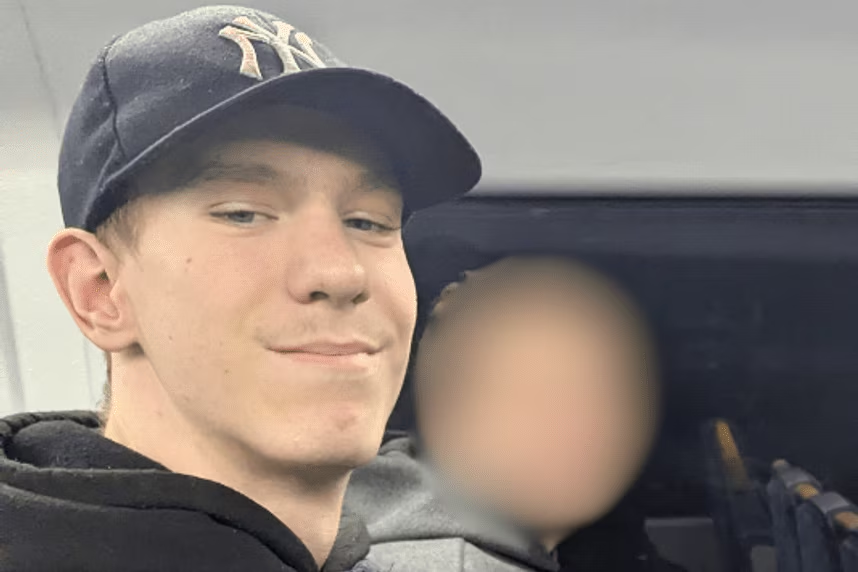
A 17-year-old teenager has been reunited with his mother after surviving almost six days alone in dense Australian bushland, bringing an emotional end to an extensive search that involved police aviation teams, emergency responders and local volunteers.
William, whose surname has not been released, was found alive on Thursday morning near Walhalla, a remote town in Victoria’s Gippsland region, approximately 185 kilometres east of Melbourne. He had been missing since last Friday after becoming separated from his camping area.
The discovery brought enormous relief to his family and those involved in the search, which had continued through difficult terrain and challenging conditions. Police AirWing officers spotted the teenager lying near a creek while conducting an aerial search of the surrounding bushland. Rescue personnel were subsequently lowered to the location by helicopter to reach him.

After being brought to safety, William was reunited with his mother, Elizabeth, in a moment that captured the emotional weight of nearly a week of uncertainty. Video footage showed the teenager sitting inside a police helicopter, wearing shorts and work boots. When his mother approached, he appeared to smile before the two embraced warmly as officers watched.
Speaking to reporters at the scene, Elizabeth expressed overwhelming relief at finding her son alive. “I am over the moon. He’s alive,” she said. Reflecting the fear and anxiety experienced during the search, she added that he would not be allowed to leave the house again.
William was taken to hospital for medical monitoring following his rescue. Although the circumstances of his disappearance had raised serious concerns, his discovery alive provided a deeply encouraging conclusion to an operation that had continued for almost a week.
The teenager had been dropped off by his mother on Friday to spend the weekend camping with a friend near Walhalla. The pair were expected to enjoy a short outdoor trip in the region, which is known for its extensive bushland and rugged natural surroundings.
According to the information provided by police, William is believed to have walked a short distance back towards the original drop-off location to collect additional camping equipment. However, he did not return shortly afterwards.
His friend became concerned and searched the immediate area, hoping to locate him nearby. Despite those efforts, there was no sign of the teenager. As time passed without any contact, the situation became increasingly worrying, eventually prompting a missing-person report and a wider search operation.
One of the most concerning aspects of the disappearance was the limited equipment William had with him. When he went missing, he was wearing only shorts and work boots. His mobile phone, food and water had reportedly been left behind, leaving him without several basic resources that would normally help someone navigate an unfamiliar outdoor environment.
Police said he was last seen near Stoney Creek Road, between Cowwarr and Walhalla, at approximately 4pm on 6 November. The surrounding area includes dense vegetation and difficult terrain, making it challenging for search teams to cover the landscape quickly.
The search operation brought together several emergency service teams, including specialist dog units and rescue personnel. Officers worked across the bushland from the ground while aerial teams examined areas that could be difficult or inaccessible to reach on foot.
The landscape presented considerable challenges. Dense vegetation can obstruct visibility from the ground and make it difficult for searchers to move through an area efficiently. Even when a missing person is relatively close to a known track or road, thick bushland can make locating them extremely difficult.
As the search continued, investigators widened their appeal for information. On Wednesday, police asked hunters, campers and landowners who might have been in the area to come forward with anything that could help establish William’s movements or provide clues about where he might be.
The appeal followed the discovery of a hunting camera in the search area. Investigators sought information from people who might have used or encountered the camera, as its location or recorded material could potentially assist the search.
The involvement of people familiar with the surrounding landscape was considered important because local hunters, campers and property owners may have knowledge of lesser-used tracks, waterways and remote sections of bushland. Information from such individuals can sometimes help search teams narrow down locations and identify areas that require further examination.
The eventual discovery by the Police AirWing demonstrated the importance of combining aerial surveillance with ground-based rescue operations. Once officers identified William near the creek, the rescue team was able to reach him directly and bring him out of the remote location.
Although authorities have not provided a complete account of how the teenager spent every day of his disappearance, his survival after nearly a week in the bushland is likely to raise questions about the challenges he faced while separated from his friend and without his usual camping supplies.
For his family, however, the immediate priority was his safe return. The reunion between William and Elizabeth reflected the relief of a mother who had endured several days without knowing whether her son would be found. The embrace inside the helicopter became a powerful moment after an operation marked by uncertainty and concern.
The incident also serves as a reminder of the risks associated with outdoor activities in remote environments. Camping and bushwalking can offer valuable opportunities to experience nature, but unfamiliar terrain, limited communication and unexpected changes in circumstances can quickly create dangerous situations.
Carrying essential supplies, keeping communication devices accessible and informing others about planned movements are among the precautions that can help reduce risks during outdoor trips. Remaining close to companions and established routes can also be important, particularly in areas where vegetation and terrain make navigation difficult.
For search-and-rescue teams, locating a missing person in dense bushland often requires patience, coordination and the ability to adapt as new information becomes available. The involvement of police aircraft, ground-based officers, specialist rescue teams and members of the local community highlighted the collective effort required to respond to such emergencies.

William’s discovery brought an end to six days of concern for his family and the wider community. While his hospital monitoring remained an important part of his recovery, the most significant outcome was that he had been found alive and returned to his mother.
For Elizabeth, the reunion was a moment of profound happiness after days of fear. Her emotional words reflected the experience of many families who face the uncertainty of a missing loved one: the overwhelming relief of knowing that someone they feared they might never see again has finally come home.
The successful rescue has also drawn attention to the dedication of the emergency personnel who continued searching through difficult conditions. Their efforts, supported by information from the public and the use of aerial resources, ultimately helped bring the teenager to safety.
Related News:
 Alan Jones Trial Paused for Melbourne Cup Viewing
 Search Intensifies for Missing Hiker on WA Bibbulmun Track
 Gaza Strike Kills Child and Paramedic
 Latin America women fear rollback of rights
 NSW Police Bid Delays Inquiry Into Sydney Protest
 Sam Wood Denied Bail Over Alleged Domestic Assault
 Three Convicted in Mexico Surfing Trip Murders
 UAE Says Co-Pilot Planned Suicide Attack on Israel
 Australian Advocates Seek Subsidised Drugs for PMOS
 Baby Boy Found Dead at Adelaide Motel: Two Charged
 Elizabeth Struhs Inquest Examines Child Safety Failures
 Camera Discovery Triggers Navy Ship Investigation
 French Police Face Scrutiny Over Injured Teenagers
 Helen Haines Loses Both Legs After Alleged Attack
 Former RAAF Pilot Accused of Murdering Wife
 Taylor Faces Backlash Over Response to Haines Attack
 Serbia’s Student Victory Sparks a ‘Smell of Freedom’
 Trump’s Midterm Campaign Faces Racism and Political Backlash
 McKenzie Warns MP Safety Fears Could Weaken Democracy
 Erin Patterson Faces Life in Prison After Appeal Loss
 Victorian Magistrate Reprimanded Over Courtroom Remarks
 Lamarre-Condon Defends First Shot in Double Murder Trial
 Seven Arrested After Bonfire Night Violence in Scotland
 Kraków Shooting Suspect Dies After Killing Six
 One Nation Candidate Apologises for Offensive Posts
 Ben Roberts-Smith Denies War Crime Allegations in First Statement
 China Fireworks Factory Blast Kills 21 in Hunan
 US ‘Narco Boat’ Strikes Draw Global Outcry
 Barrister Criticises Trial After Suicide Case Verdict
 New Footage Revives Peter Falconio Mystery
 Westminster Council Threatens Charing Cross Soup Kitchen
 BBC Warned About Missing Clothes of Murder Victim
 Ukraine Villagers Demand Answers After Deadly Arms Depot Strike
 Nepal Tunnel Rescue Offers Hope Amid Flood Devastation
 Councils spend £125m on illegal children’s care
 Man Arrested in Mississippi Woman’s Death
 Royal Crown Branded Enslaved Africans in Britain’s Slave Trade
 Israel Accused of Undermining Palestinian Life
 Fugitive Developer Rants at NSW Corruption Inquiry
 Yemen War Displaces 125,000 as Fighting Intensifies
 Lib Dems Prepare for Election Amid Reform Challenge
 Democrat Says ICE Restricted Detention Camp Oversight
 OpenAI Agent Breaches Medicare Portal in Australia
 Ukraine and Russia Escalate Long-Range Drone War
 Nepal PM calls deadly flood a global climate warning
 Cornell Fraternity Assault Investigation Reopened
 London Facial Recognition Trial Ends With False Alert
 French Student Protests Escalate Into Violent Clashes
 Drumcree Talks Falter as Legal Challenge Deepens
 Green Party faces dispute over Zionism motion
 French School Protests Escalate as 400 Schools Close
 New Prosecutor Takes Over Cornell Assault Case
 Former German Intelligence Chief Arrested Over Espionage
 Israel Promotes Film Challenging Controversial Gaza Documentary
 Gaza War Deepens India’s Strategic Ties With Israel
 Hanson Attacks Taylor as Australian Conservatives Clash
 British Military School Abuse Victims Denied Justice
 French Students Protest Poor Conditions in Paris Suburbs
 UK Greens Face Crisis Over Zionism and Extremism Row
 Former Students Raise Concerns Over School Culture
 ABC Reporter Faces Possible Disciplinary Action Over Opinion Piece
 Greta Thunberg Backs French Students in School Protests
 Millions Face Tougher Medicaid Rules From January
 Ohio Airports Become Key Hubs for ICE Deportation Flights
 Senegal LGBTQ+ Crackdown Drives People Into Hiding
 Gadi Eisenkot: Israel’s Anti-Netanyahu Challenger
 UK Bill Faces Warning Over Fayed Trafficking Victims
 Jenrick Defends Farage Amid Fresh Reform Racism Claims
 Macron Condemns Violence as France Faces 2,400 Arrests
 Milan Luxury Stores Shut as Italy Plans Troop Deployment
 Zelenskyy Says US Failed to Warn Kyiv of Russian Strikes
 Greens Face Leadership Test as Jordon Steele-John Misconduct Claims Leave Party in Limbo
 Fire Engulfs Hitler’s Eagle’s Nest Retreat
 Melting Dolomites Glaciers Reveal 250 WWI Explosives
 Brisbane Pub Shooting Claims Life of 19-Year-Old Woman
 Novaya Gazeta to Close After Russian Government Pressure
 Bedouin Women Drive Historic Arab Election Gains
 Domestic Abuse Survivor Fears Attacker Without Tag
 ANC Faces Voter Backlash in South African Elections
 Exiled Journalists Defy Putin’s Growing Media Crackdown