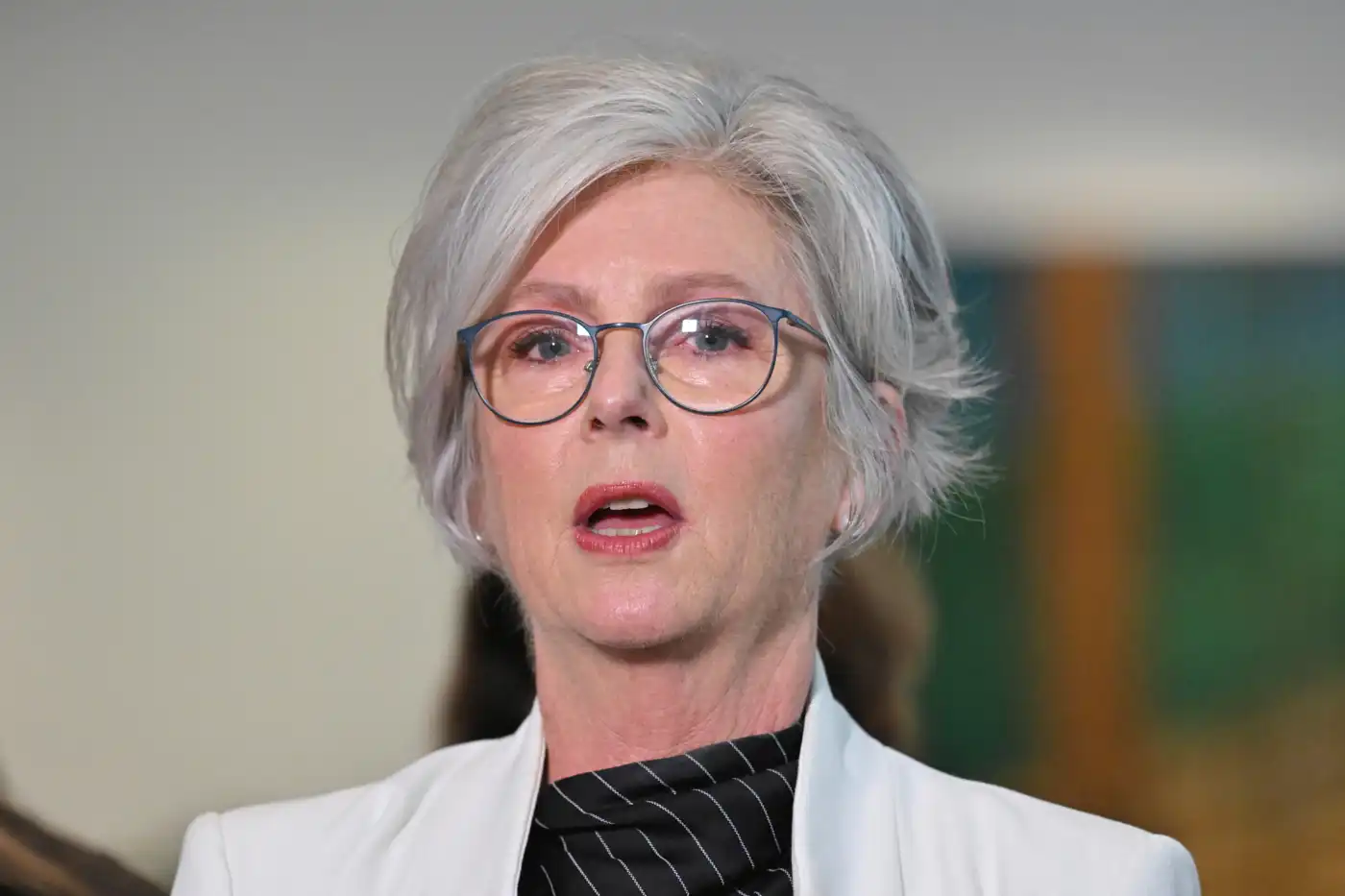
Australian independent MP Helen Haines has been discharged from hospital and begun the next stage of her recovery, four weeks after an alleged vehicle attack outside her electoral office left her requiring the amputation of both legs. Her first public statement since leaving hospital has been met with widespread support, as she expressed gratitude to medical professionals, well-wishers and thousands of Australians who contributed to a charity appeal launched in her name.
The 65-year-old federal representative for the Victorian electorate of Indi was discharged from Melbourne’s Alfred Hospital on Monday and transferred to a rehabilitation programme, where she will continue receiving medical care and support. Although her recovery remains challenging, her discharge marks an important development following weeks of intensive treatment after the incident in Wangaratta on 19 October.

In a statement released after leaving hospital, Haines described the development as a positive moment and thanked the medical teams who had supported her throughout her treatment. She praised the expertise, compassion and dedication of staff at the Alfred Hospital, adding that she was grateful for the care being provided as she entered the rehabilitation stage.
“This is a really positive moment, and I am full of gratitude for the expert and compassionate care I received at the Alfred [hospital] and am receiving in this next stage,” she said.
Haines also acknowledged the thousands of messages she had received from people across her electorate, throughout Australia and from other parts of the world. The widespread expressions of sympathy and encouragement, she said, had given her additional strength as she prepared to face the next phase of her recovery.
“I appreciate the thousands of warm wishes and supportive messages from people across Indi, throughout Australia and around the world. They are giving me strength as I focus on this next phase of healing,” she said.
Her statement has attracted particular attention because it represents her first major public message since the alleged attack that caused life-changing injuries. While her immediate priority remains rehabilitation, her words have also highlighted her determination to remain connected with the community she represents.
One of the most significant aspects of her message concerned the extraordinary public response to a fundraising appeal supporting Save the Children, an international organisation dedicated to improving children’s lives and protecting their welfare.
Following the incident, Haines’s husband, Phil Haines, appealed to the public to make charitable donations instead of sending flowers or other traditional expressions of sympathy. The request was made on her behalf during a period when she was receiving intensive medical treatment.
The response exceeded expectations, with the fundraising campaign collecting more than $1.46 million by Monday afternoon. Contributions from Australians across the country transformed an appeal initially intended as a gesture of support into a substantial charitable initiative.
Haines said she was overwhelmed by the generosity demonstrated by members of the public and expressed her intention to work with the organisation to ensure the money would help improve children’s lives.
“I am overwhelmed by the generosity of Australians in the form of donations to Save the Children and I look forward to working with them in due course on applying these funds to improve the lives of children,” she said.
The decision to direct public sympathy towards a charitable cause has become an important part of the response to the incident. Rather than focusing solely on her personal circumstances, Haines has used the opportunity to highlight the needs of vulnerable children and the importance of supporting organisations working to improve their futures.
Australian Prime Minister Anthony Albanese also welcomed her progress and said his thoughts remained with the MP, her family and those supporting her recovery. In a statement, he confirmed that the government would continue providing assistance to Haines and the people around her as she moved into rehabilitation.
“We continue to provide support to Helen, her family, community and staff as she undertakes her rehabilitation,” Albanese said.
Haines had initially been reported to be in a critical but stable condition following the incident. Her condition was downgraded to serious but stable on 24 October, offering some reassurance to her family, colleagues and supporters after the first days of uncertainty.
According to police allegations, Haines was standing near the boot of her vehicle outside her electoral office in Wangaratta when a car performed a U-turn and struck her repeatedly. The circumstances surrounding the incident have prompted a continuing criminal investigation.
A 43-year-old man, Brendan Nugent, from Tarrawingee, has been charged in connection with the incident. Police allege that the vehicle was deliberately used to strike Haines multiple times. The accused is known to her family, although the precise circumstances and motive surrounding the alleged attack remain matters for the investigation and court proceedings.
Nugent faces charges including dangerous driving causing serious injury, intentionally causing serious injury and a Commonwealth offence relating to causing harm to a Commonwealth public official. Court documents also indicate that he has been charged with two additional offences involving the cultivation and possession of cannabis.
The allegations have attracted considerable attention across Australia, particularly because the incident involved an elected federal representative outside her own electorate office. Authorities continue to investigate the circumstances, and the charges remain allegations until determined by the courts.
Haines’s hospital discharge has also prompted renewed expressions of support from senior political figures across the Australian parliament. Foreign Affairs Minister Penny Wong paid tribute to the independent MP during proceedings in the Senate on Monday, highlighting her determination and generosity despite the enormous personal challenges she is facing.
Wong said Haines’s decision to look towards helping children through the fundraising appeal demonstrated qualities that had earned her considerable respect among parliamentary colleagues.
She noted that even while confronting a difficult rehabilitation journey, Haines had chosen to acknowledge the generosity of Australians and express her intention to help improve the lives of children through the donations.
According to Wong, this response reflected the MP’s determination and the generosity of character that had attracted admiration from people across the political spectrum.
Opposition Senate leader Michaelia Cash also welcomed the news of Haines’s discharge, describing it as a positive development for parliament. She praised the MP’s courage and resilience and conveyed support on behalf of her Coalition Senate colleagues.
Independent MP Allegra Spender similarly described Haines’s progress as wonderful news. She said Haines was a remarkable person whose strength and positive attitude, particularly after such a traumatic experience, continued to inspire her.
The incident has also raised wider concerns about the safety of Australian politicians and their staff. Since the alleged attack, several parliamentarians have spoken about security threats and the personal measures they have taken to protect themselves while carrying out their public responsibilities.
The circumstances have prompted renewed discussions about the increasingly hostile environment surrounding political debate and the potential consequences of aggressive public behaviour.
During the previous parliamentary sitting, Albanese warned that growing anger was damaging public discourse and creating an atmosphere in which hostility and aggression were becoming increasingly normalised. He argued that the problem extended beyond politics and affected workers in hospitality, retail, education and healthcare, as well as police officers, paramedics and other public officials.
The prime minister also highlighted the influence of social media, suggesting that anonymity and the speed of online communication had contributed to the spread of aggressive language and public hostility.
His remarks reflected growing concern that political disagreements should not develop into intimidation, threats or violence against elected representatives and public servants.
Haines has been granted leave of absence from parliamentary duties until 26 November, which is scheduled to be the final sitting day of the year. Her immediate focus is expected to remain on rehabilitation, medical support and adapting to the significant physical changes resulting from her injuries.
Her discharge from hospital does not mean the recovery process is complete. Rehabilitation following a double amputation can involve extensive physical treatment, mobility training, psychological support and adjustments to everyday activities. The coming months are therefore likely to remain an important period for Haines and her family.

Nevertheless, her first statement after leaving hospital has offered a message of gratitude and determination. The support from colleagues, constituents and members of the wider Australian public has demonstrated the depth of concern surrounding her condition.
The more than $1.46 million raised for Save the Children has also provided a powerful example of how a traumatic incident can inspire collective generosity and public solidarity.
As Haines begins the next stage of her recovery in Melbourne, attention will remain on her rehabilitation and the continuing investigation into the alleged attack. For now, her message is one of appreciation for the people who have stood beside her and a determination to use the generosity shown by Australians to make a positive difference in the lives of children.
Related News:
 Helen Haines Loses Both Legs After Alleged Attack
 One Nation Pledges $2,000 Baby Subsidy in Victoria
 Helen Haines Loses Leg in Alleged Targeted Attack
 NHS Safety Fears as Nurses Cover Doctor Gaps
 Dreyfus Statue Finally Gets Permanent Paris Home
 Masked Protesters Bring Dover Port Traffic to Standstill
 Yemen War Displaces 125,000 as Fighting Intensifies
 King Refers Jamaica Slavery Petition to Privy Council
 Three Die in Channel Crossing Attempt Near France
 French Student Protests Escalate Into Violent Clashes
 French School Protests Escalate as 400 Schools Close
 Latin America women fear rollback of rights
 South Sudan Trauma Wards Struggle as Fighting Intensifies
 NSW Police Bid Delays Inquiry Into Sydney Protest
 France Promises 3,000 Teachers as Student Protests Grow
 Navi Pillay Wins Nobel Peace Prize for Justice
 Three Convicted in Mexico Surfing Trip Murders
 Controversial Vaccine Trial Approved in Guinea-Bissau
 Australian Advocates Seek Subsidised Drugs for PMOS
 Elizabeth Struhs Inquest Examines Child Safety Failures
 Millions Face Tougher Medicaid Rules From January
 Camera Discovery Triggers Navy Ship Investigation
 Greens Block Labor’s Health Rebate Cuts for Pensioners
 Cormann Warns Australia Against Populist Migration Caps
 Macron Condemns Violence as France Faces 2,400 Arrests
 Marseille Activist Defies France’s Powerful Drug Gangs
 Milan Luxury Stores Shut as Italy Plans Troop Deployment
 Zelenskyy Accuses US of Delaying Ukraine Missile Supplies
 Zelenskyy Says US Failed to Warn Kyiv of Russian Strikes
 Greens Face Leadership Test as Jordon Steele-John Misconduct Claims Leave Party in Limbo
 France to Deploy 70,000 Police Amid Unrest Fears
 Taylor Faces Backlash Over Response to Haines Attack
 Serbia’s Student Victory Sparks a ‘Smell of Freedom’
 Trump’s Midterm Campaign Faces Racism and Political Backlash
 McKenzie Warns MP Safety Fears Could Weaken Democracy
 Albanese Vows Swift Action on MP Safety Threats
 King Charles Faces Caribbean Slavery Apology Demands
 Campbell Urges Australia to Defend Democratic Politics
 Australia Faces Growing Scrutiny Over Paraquat Risks
 Alan Jones Trial Paused for Melbourne Cup Viewing
 Hanson Takes Racial Discrimination Case to High Court
 Victorian Labor Faces Election Crisis as Poll Slumps to 18%
 Gaza Floods Leave Thousands Homeless as Tents Await Entry
 One Nation Candidate Apologises for Offensive Posts
 Teenager Found Alive After Six Days Lost in Australian Bush
 Iran Death Row Boxer Wins Prestigious Human Rights Award
 Teenager Survives Six Nights Alone in Australian Wilderness
 Greene Pushes Epstein Files Amid Trump Fallout
 Venezuela Threatens Nobel Winner Machado with Fugitive Status
 China Fireworks Factory Blast Kills 21 in Hunan
 US ‘Narco Boat’ Strikes Draw Global Outcry
 Barrister Criticises Trial After Suicide Case Verdict
 Pope Meets Families in Italy Toxic Waste Zone
 Farage and Reform UK Reshape British Politics
 Starmer Leadership Under Pressure After Setbacks
 Ukraine Creates Long-Range Strike Command
 Ukraine Villagers Demand Answers After Deadly Arms Depot Strike
 Mahmood Warns Far Right Over Asylum Protests
 Democrat Says ICE Restricted Detention Camp Oversight
 Madrid Tent Camp Grows as Spain Housing Crisis Deepens
 Burnham Opens Door to Possible UK Return to EU
 Families Await USS Abraham Lincoln Homecoming
 Gosport Protesters Clash With Police Over Migrant Rescue
 UK Pharmacy Body Drops Teva After Ethical Concerns
 South Africa Withdraws Directive on Asylum Applications
 Hanson Attacks Taylor as Australian Conservatives Clash
 Trump Names Katie Zachariah as Next White House Press Secretary
 Senegal LGBTQ+ Crackdown Drives People Into Hiding
 Up to 20 English Maternity Units Face Possible Closure
 Lula Supporters Make Final Push Ahead of Brazil Runoff
 Fire Engulfs Hitler’s Eagle’s Nest Retreat
 Flávio Bolsonaro Reportedly Leaves Brazil After Election Defeat
 Yvette Cooper Reverses NHS Patient Watchdog Abolition Plan
 King Charles Faces Reparations Protests at Antigua Summit
 Australia Raises Interest Rates to 18-Year High
 Canada Joins Boycott of Russian Ice Hockey Teams
 Early-Release Prisoners Face Rising Risk of Homelessness
 Labor Minister Defends Chalmers Amid Budget Tensions
 Ilse Aigner Set to Make German History as First Female President
 Eisenkot Accuses Netanyahu of Racist Anti-Arab Campaign