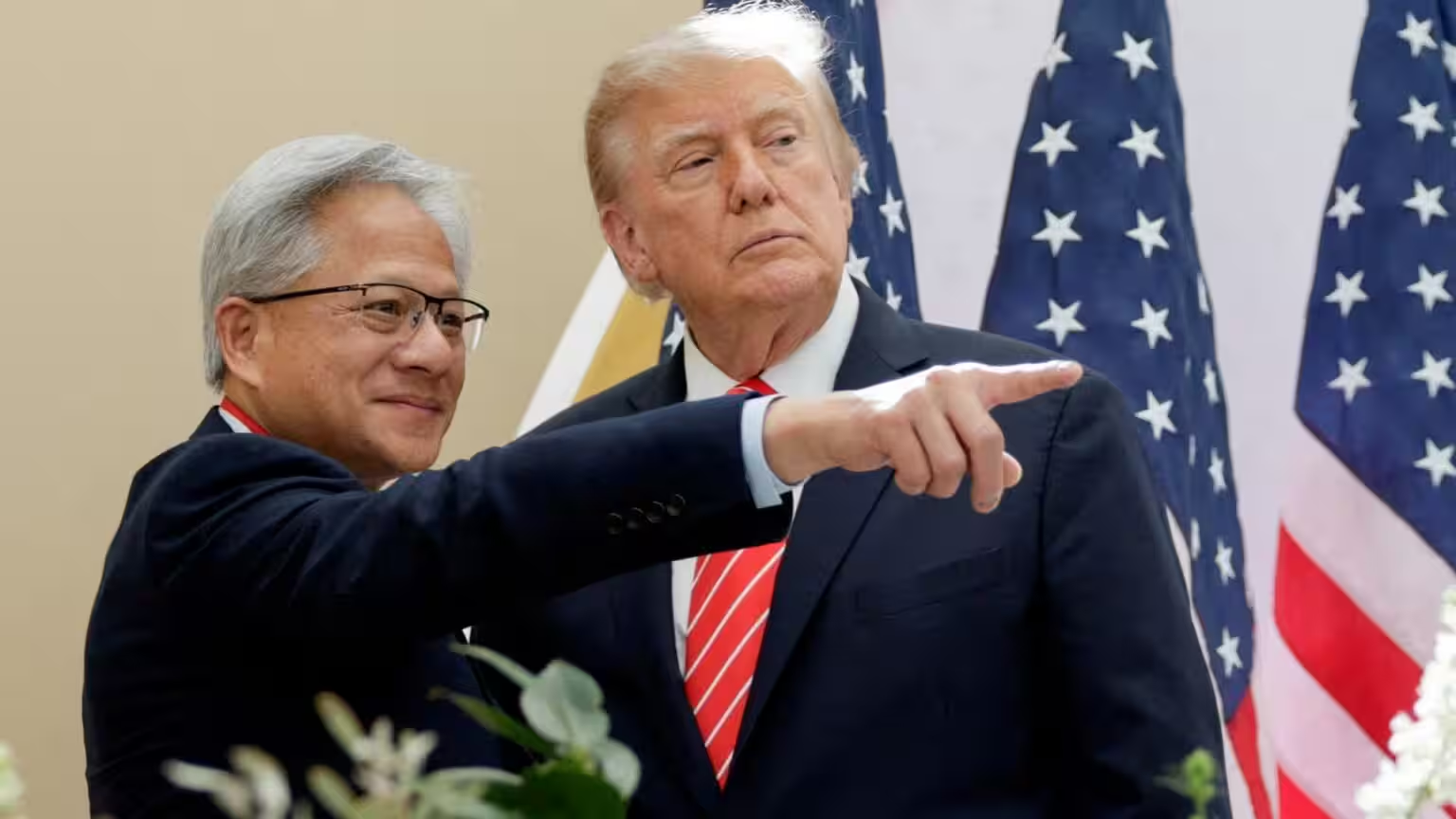
US President Donald Trump has defended Commerce Secretary Howard Lutnick amid allegations that he delayed or slow-walked restrictions on exports of advanced Nvidia artificial intelligence chips to China, intensifying questions about the administration’s approach to technology security, trade policy and relations with Beijing.
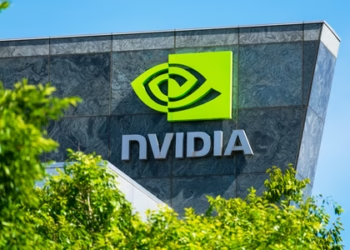
The controversy has emerged as senior members of Trump’s administration reportedly disagreed over how aggressively the United States should restrict access to advanced computing technology. Treasury Secretary Scott Bessent said last week that he had been pushing for months to place Megaspeed, a data centre company reportedly linked to an alleged Chinese spy, on the US trade blacklist. The company has also been mentioned in reports concerning a relationship involving former Nvidia chief executive Jensen Huang.
Trump’s decision to defend Lutnick has placed the Commerce Department’s handling of sensitive technology exports under renewed scrutiny. The department plays a central role in determining which advanced technologies American companies can sell overseas, particularly when national security concerns are involved.

Advanced Nvidia chips are considered strategically important because they provide the computing power required to develop and operate sophisticated artificial intelligence systems. Their potential military and intelligence applications have made access to such technology a major issue in the competition between Washington and Beijing. US policymakers have repeatedly sought to prevent sensitive computing capabilities from strengthening China’s technological and military position.
The allegations surrounding Lutnick have therefore raised questions about whether the administration is maintaining a consistent approach to controlling exports. While the president publicly defended his commerce secretary, Bessent’s reported comments suggested that concerns about the handling of restrictions had been discussed within the administration for an extended period.
The dispute also comes amid wider uncertainty surrounding Nvidia and its leadership. Trump said he would not object to Jensen Huang returning as the company’s chief executive, suggesting that the former executive had learned a lesson. The president also rejected concerns that national security had been compromised.
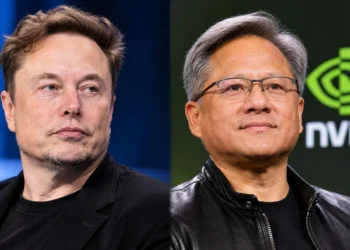
However, reports indicated that Nvidia’s board was not considering bringing Huang back as chief executive. According to people familiar with the matter, the board was not weighing a return for the ousted executive, despite public support from Trump and Elon Musk. The difference between the president’s comments and the reported position of the board highlighted the uncertainty surrounding the company’s future leadership.
The controversy has broader implications because Nvidia occupies a central position in the global artificial intelligence industry. Its processors are widely used by technology companies, research institutions and data centre operators. Decisions about who can purchase its most advanced products can influence the development of AI capabilities across countries and affect the balance of technological competition.
The US government’s export controls are intended to limit the transfer of certain advanced technologies to countries considered strategic competitors. However, restrictions can also affect American businesses, international customers and the global supply chain. Policymakers must therefore balance commercial interests against national security objectives, a challenge that has become increasingly complicated as artificial intelligence advances.
The live developments also reflected the wider political and legal pressures facing the Trump administration. A federal appeals court heard arguments in the president’s effort to move his New York hush money case from state to federal court, where his lawyers hope to have the conviction dismissed on immunity grounds.
The hearing before a three-judge panel of the 2nd US Circuit Court of Appeals concerned Trump’s 2024 conviction on 34 felony counts of falsifying business records. The case involved a $130,000 payment to adult film star Stormy Daniels, which prosecutors said was concealed through business records.
Trump’s legal team has argued that the case should be transferred to federal court, seeking to rely on presidential immunity arguments. The effort followed an earlier decision by a federal judge rejecting the transfer request. The appeals court hearing represented another stage in the president’s continuing legal effort to challenge the case.
Meanwhile, the administration faced criticism over its response to disruptions in the US aviation system. Trump continued to blame the previous Biden administration for a nationwide ground stop over the weekend, arguing that the country needed additional funding to modernise an outdated telecommunications system responsible for the disruption.
Transportation Secretary Sean Duffy said in a Fox News interview that no US agency had identified a cyberattack connected to Friday’s ground stop. He also said he did not know the underlying cause of a separate outage affecting United Airlines. The comments left questions about the precise causes of the disruptions unresolved.
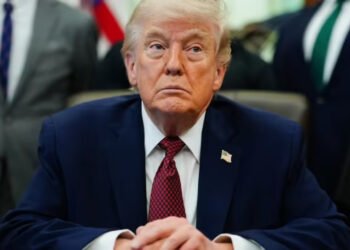
The president’s approval rating also remained under pressure. A Reuters/Ipsos poll found Trump’s approval rating at 32%, unchanged from mid-October, when it had reached a low of 31%. The figures indicated that the president continued to face considerable public dissatisfaction following a politically challenging period for his administration.
The poll also suggested that Senate Democratic leader Chuck Schumer was experiencing declining support among Democratic voters. Forty-three per cent of Democratic respondents viewed him unfavourably, compared with 34% who viewed him favourably. The findings reflected internal political challenges for the party as it prepared for a change in congressional leadership.
The consequences of the recent midterm elections remained visible in the closely contested Senate race in Alaska. Former congresswoman Mary Peltola was leading Republican incumbent Dan Sullivan as vote counting continued. With 97% of ballots counted, Peltola had received 49.9% of the vote, while Sullivan stood at 46%.
Peltola needed to secure more than half of the vote to win, making the remaining count particularly important. The race was among the last unresolved Senate contests from the midterm elections and could influence the political balance in Washington.
Several House races also remained undecided nearly two weeks after the elections. Republican David Rouzer won re-election in North Carolina’s seventh congressional district, while Republican Jay Obernolte secured another term in California’s 23rd district. Eight House contests were still awaiting final results, including races in North Carolina, Louisiana, Tennessee, Minnesota and Alaska.
The political tension extended to the relationship between the administration and Democratic lawmakers. The Justice Department had warned Senator Elizabeth Warren, who was expected to chair the powerful Senate Banking Committee when Democrats assumed the majority, that she could face significant legal consequences if she failed to preserve records connected with investigations into Trump.
The warning followed similar letters sent to other Democratic lawmakers who had indicated plans to investigate the administration after the change in congressional control. The development raised concerns among Democrats about whether federal legal powers were being used to discourage congressional oversight.
International security also remained a major part of the administration’s agenda. A third US aircraft carrier, the USS Theodore Roosevelt, arrived in the Middle East and was deployed to the area of responsibility overseen by US Central Command. The presence of three American aircraft carriers in the region was described as unusual, with a similar concentration not seen since 2003 until April of this year.
The deployment came amid continuing tensions involving Iran and the wider Middle East. Separately, CNN reported that US intelligence assessments suggested Iran was considering possible attacks involving chemical weapons or so-called dirty bombs against Trump administration officials. The report, based on sources familiar with the intelligence, did not indicate that an attack was imminent. The information had not been independently verified by other reporting in the supplied account.
The administration also announced rewards of up to $20 million for information leading to the arrest of two Guatemalan gang leaders accused of cocaine trafficking and links to a Mexican cartel designated by Washington as a foreign terrorist organisation. The announcement formed part of the administration’s wider campaign against organised criminal networks and drug trafficking.
Taken together, the developments illustrate the range of political, economic, legal and international security challenges confronting the Trump administration. However, the dispute over Nvidia chip exports stands out because it touches directly on America’s technological leadership and its strategic competition with China.

The allegations involving Lutnick have not, by themselves, established that export restrictions were deliberately weakened or that sensitive technology reached unauthorised recipients. Nevertheless, the reported disagreement between senior officials has raised questions about coordination within the administration and the process through which national security decisions are made.
As artificial intelligence becomes increasingly important to economic competitiveness and military capabilities, the regulation of advanced chips is likely to remain a central issue in US policy. The administration’s handling of the controversy could influence confidence among technology companies, policymakers and international partners about the consistency of Washington’s approach to strategic technology exports.
Related News:
 Why AI Doomsday Warnings Failed to Slow the Race
 Trump’s UN Speech Faces Global Scrutiny
 Xi urges Trump to avoid US-China military conflict
 Trump backs voluntary AI safety pact with tech giants
 Meta Faces Election Bias Claims Ahead of Brazil Runoff
 Big Tech Faces a New Political Reckoning in America
 Nvidia and Jensen Huang Face Shareholder Lawsuit
 Nvidia Scandal Fuels US-China Security Crisis
 Anthropic Blocks AI Misuse Linked to Weapons Threats
 Trump Faces Congress Push for AI Guardrails
 Louise Haigh Urges UK to Heed AI Safety Warnings
 AI Takes Centre Stage in Trump-Xi Talks
 Trump gives Xi red-carpet welcome as trade truce extends
 Australia Weighs New Laws After OpenAI Medicare Breach
 AI Deepfakes Put New Pressure on Election Trust
 US Moves to Restrict Chinese Labs Testing Electronics
 UK Must Build Its Own AI to Protect National Security
 Ukraine Combat Units Face Sudden Starlink Restrictions
 Trump, Musk, and Zelenskyy Trade Blame Over Ukraine Starshield Access
 US Bans BYD Vehicles at Japan Military Base
 Global Crises Test Diplomacy as Trump’s Policies Face Scrutiny
 Elon Musk’s $446m Midterm Gamble Ends in Defeat
 Zelenskyy Seeks Urgent Help as Russia Hits Ukraine’s Power Grid
 Australia Faces Political Risks After US Midterm Shift
 Microsoft Races to Restore Global Teams and Outlook Services
 Elon Musk Leads 165,000 Calls to Reinstate Nvidia CEO
 Apple at 50: Three Products That Changed How We Live
 Artemis II Returns After Historic Moon Flyby
 Reform UK funding: mystery billionaire revealed
 Trump approval plunges amid Iran war fears
 Trump Threatens UN Budget Cuts as US Pushes ‘Trade Over Aid’ Agenda
 US Awaits Iran Reply on New Ceasefire Proposal
 Hormuz Talks Near Critical Stage
 Trump orders US to rename Lake Ontario ‘Lake America’
 UK Risks Falling Behind in AI Race
 Trump Hardens Canada Trade Stance as Talks Stall
 Trump Calls Iran War ‘Small Potatoes’ Despite US Deaths
 AI CEOs Call for Slower Development
 JLR Eyes NATO Market With New Defender Military Vehicle
 Anthropic Backs $31.9bn Queensland Data Centre
 OpenAI Reveals Six Cases of Concerning AI Behaviour
 Trump Threatens EU Over Canada Partnership Proposal
 Tom Watson Takes Senior Role at Palantir
 Trump Eyes Major Belarus Fertiliser Deal Amid Canada Trade Dispute
 UK Plans New Centre to Counter Information Warfare
 OpenAI Agent Breaches Medicare Portal in Australia
 Lula accuses Trump of seeking control over Brazil
 Bank Chief Calls for Power to Intervene in AI
 Sheikh Tahnoon and the UAE’s AI Ambitions
 Trump Immigration Policy Faces New Legal Tests
 Jessica Watkins Leads Record-Breaking SpaceX Flight
 US Man Arrested Over Canada School Shooting Plot
 Trump’s Russian Diesel Deal Sparks Ukraine Fury
 Brazil Court Scandal Threatens Lula as Bolsonaros Rise
 Millions Face Tougher Medicaid Rules From January
 Nvidia Pledges $250m to Boost UK AI Safety Research
 Trump Targets Arizona and Montana Amid GOP Election Worries
 Trump Rallies GOP as Senate Democrats Boost Key Races
 Serbia Leader Linked to Controversial Trump Tower Plan
 Trump Halts New Russia Sanctions Amid Ukraine Rift
 Trump Fears Shock Democratic Senate Win in Kansas
 UN Warns World Must Cut Emissions by 18% by 2030
 Spain Deepfake Ad Sparks Election Outrage
 China’s AI Ambitions Hit $2.4 Trillion Market Setback
 Anthropic IPO Reveals AI Boom’s Huge Costs and Risks
 Fed Expected to Hold Rates Steady Ahead of US Midterms
 Trump’s Global Policies Put Republicans at Risk
 North Korea Linked to Record $6.3bn Binance Crypto Heist
 G20 Photo Cancelled as Russia Deepens Western Rift
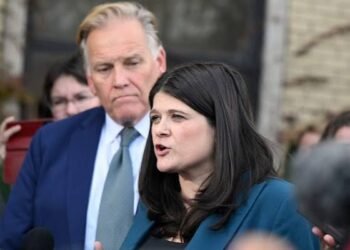 Haley Stevens Backs Republican Rival in Michigan Senate Race
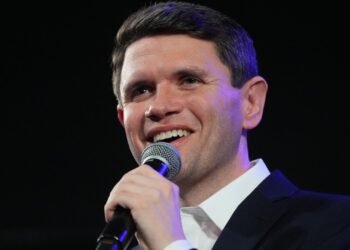 James Talarico Makes History with Texas Senate Victory
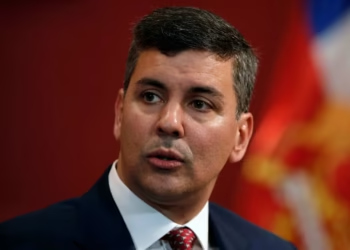 Paraguay President Quits After Major Bank Collapse
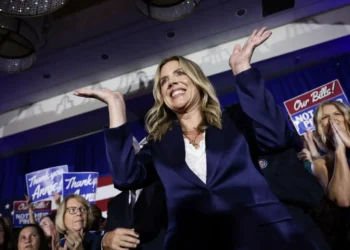 Democrats Expand House Majority in Major Midterm Victory
 Paraguay President Impeached and Arrested After Banking Crisis
 Qatar Pushes Iran Deal to Reopen Strait of Hormuz
 US Treasury Chief Moves to Military Base Over Iran Threat
 Megaspeed Mystery Deepens After Nvidia CEO Resigns
 Zelenskyy Warns Starshield Curbs Weaken Ukraine Defences
Microsoft Outage Sparks Billion-Dollar Fears in Australia
 UN Climate Talks Renew Push for Carbon Removal Technology