Published: 22 September 2026. The English Chronicle Desk. The English Chronicle Online.
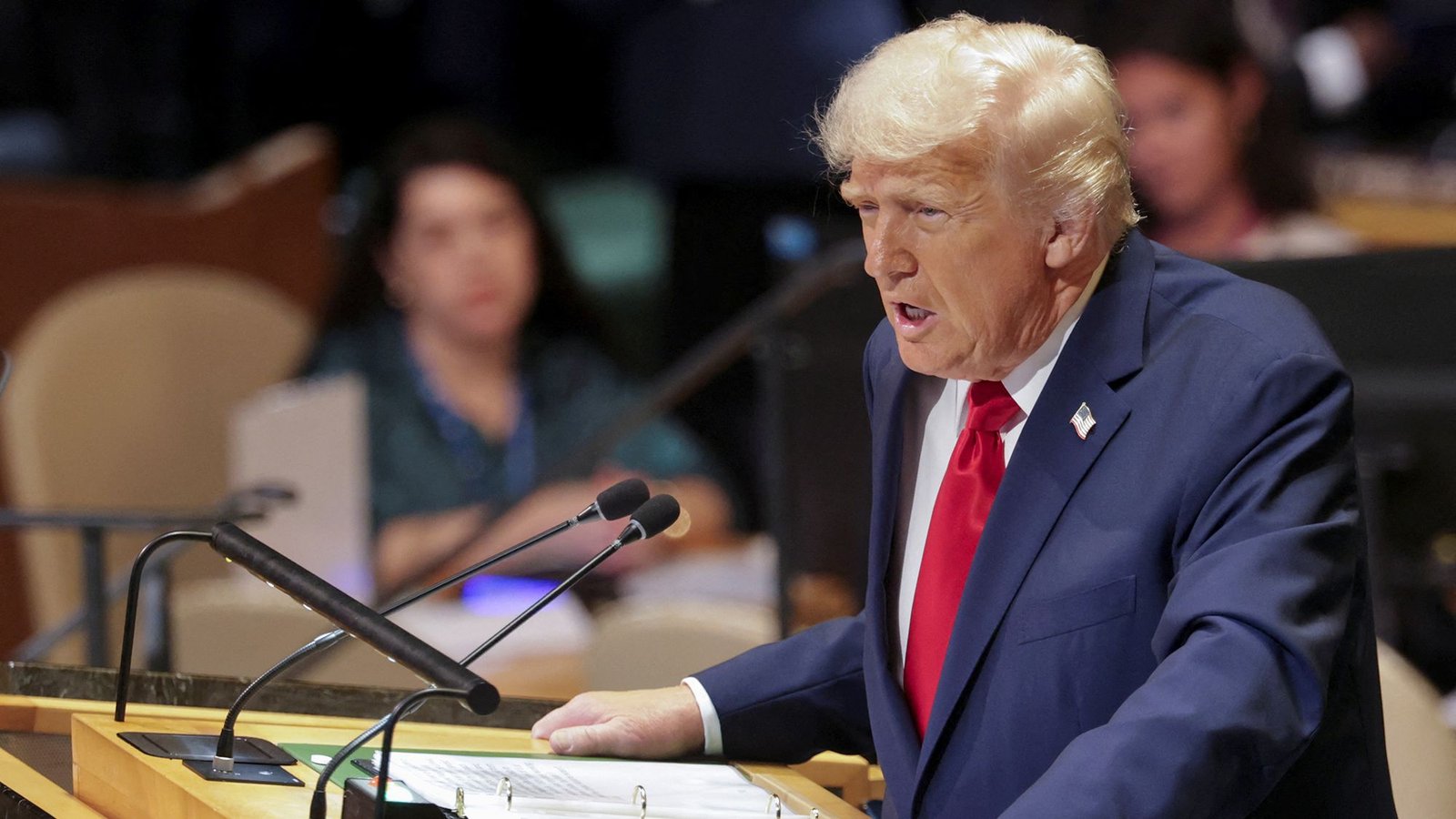
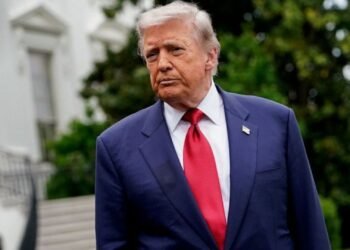
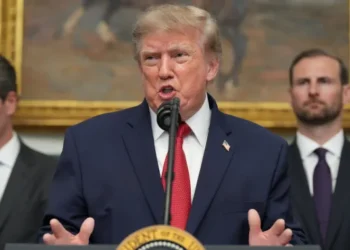
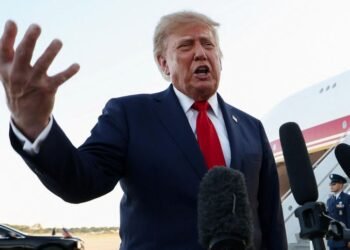
US President Donald Trump is preparing to address the United Nations General Assembly in New York on Tuesday at a moment when his foreign policy, domestic political standing and recent social media activity are all attracting international attention. His appearance comes as governments confront continuing tensions surrounding Iran, growing debate over artificial intelligence and uncertainty about the future direction of US engagement with international institutions.
The annual UN gathering has traditionally provided American presidents with an opportunity to present a broad vision of the country’s role in world affairs. Across decades, presidents including Harry Truman, Dwight Eisenhower, John F Kennedy and Barack Obama used the General Assembly platform to discuss international security, economic cooperation and the wider principles shaping global diplomacy. Trump’s approach has frequently been more confrontational, with his previous appearances featuring strong criticism of international institutions, allies and countries whose policies he opposes.
His latest return to the General Assembly is therefore being closely watched for indications of how he intends to frame America’s position before an audience of world leaders and diplomats.
In the days leading up to the speech, Trump has been particularly active on social media, discussing subjects ranging from a proposed triumphal arch in Washington to artificial intelligence and a list of what he describes as his major achievements since returning to the White House. The range of subjects has made it difficult to determine which issues will receive the greatest attention during his UN address.

One of the most notable recent posts concerned the proposed Washington arch. Trump said he intended to transform the controversial project into a military storage facility and claimed that the idea had been requested by the US military. The statement was made without publicly providing supporting evidence, adding another unexpected element to the stream of announcements preceding his appearance at the UN.
Trump has also used social media to emphasize what he describes as an American sphere of influence. Another post featuring a map of the world and the heading “His Hemisphere” has drawn attention because of its timing and imagery. The post appeared as the administration continues to pursue an assertive foreign policy in Latin America and elsewhere.
Artificial intelligence has also emerged as a significant theme. Trump has strongly defended the rapid development of AI and rejected warnings that the technology could pose serious long-term risks. He has described AI as comparable to major technological transformations such as the Industrial Revolution and the internet, while arguing that the United States must maintain its lead over China.
Trump has also announced plans for what he calls an “AI Force” and indicated that an “AI Czar” would oversee the initiative. His comments place AI within the broader framework of national competitiveness and strategic power. The issue is particularly relevant during this year’s UN meetings because governments and international organizations are increasingly discussing how advanced AI should be governed, including questions involving safety, accountability, access and international cooperation.
The UN General Assembly itself has placed greater emphasis on AI governance. The president of the 81st session of the General Assembly has called for international cooperation to ensure that AI contributes to human development while appropriate safeguards, accountability and human oversight are maintained. The United Nations has also established mechanisms intended to strengthen scientific and diplomatic discussion about the technology.
Trump’s comments therefore arrive at a time when Washington’s position on AI is part of a much wider international debate. While the US administration has emphasized technological leadership and competition with China, other governments and international bodies have stressed the need for safeguards and common standards. Recent discussions at the UN have highlighted the difficulty of establishing rules that can accommodate both technological innovation and concerns about potential risks.
The president may also return to themes of national achievement during his speech. On Friday, he published a list of what he called his “Top 25 Trump Achievements” since returning to office. Such messaging is consistent with the approach he has taken during previous UN appearances, when he devoted substantial attention to his administration’s economic, security and foreign-policy record.
Trump’s earlier General Assembly speeches provide some indication of the tone he may adopt. In 2017, he delivered a strongly nationalist address that focused on sovereignty, security and threats posed by governments such as Iran and North Korea. In 2018, he emphasized the performance of his administration and America’s economic and military strength. His claims about his administration’s achievements prompted laughter from some delegates, an unusual moment in the traditionally formal setting.
His return this year is taking place against a much more complicated international backdrop. The war involving Iran remains one of the central issues surrounding US foreign policy. The conflict has affected energy markets and regional security, while diplomatic efforts to bring the confrontation to an end have remained difficult. Reuters reported ahead of the General Assembly that the continuing conflict had contributed to pressure on energy prices and created concerns among governments about the wider consequences of a prolonged confrontation.
The Strait of Hormuz has become particularly important in the dispute because of its significance to international energy transportation. The US administration has said American forces have helped keep shipping moving through the strategic waterway, while the United Nations has emphasized the importance of maintaining freedom of navigation.
The presence of Iranian President Masoud Pezeshkian at the General Assembly adds another diplomatic dimension to Trump’s appearance. Any interaction between the two leaders would attract significant international attention because Washington and Tehran remain deeply divided over the conflict and broader questions concerning Iran’s regional role and nuclear program.
For Trump, the UN appearance also comes during an important period in US domestic politics. The approaching midterm elections mean that foreign policy developments can have consequences beyond international diplomacy. Rising energy costs, the continuing war and debates over the administration’s economic policies have become part of the broader political environment in which the Republican Party is seeking to maintain support.
At the same time, Trump has faced questions over the United States’ relationship with the UN and the broader multilateral system. His administration has pursued a more transactional approach to international institutions, while critics argue that reduced American engagement could affect Washington’s influence. Supporters of the administration, however, have emphasized national sovereignty and the need for international organizations to serve US interests more directly.
The president’s address also comes as other leaders seek to shape discussions on issues extending beyond traditional diplomacy. AI governance, energy security, regional conflicts, trade and international cooperation are all expected to feature prominently during the General Assembly’s high-level meetings.

The contrast between the formal setting of the UN and Trump’s unpredictable social media activity has consequently become one of the defining features of the build-up to his appearance. While presidential speeches are normally prepared through extensive consultation involving diplomatic, defense and intelligence officials, Trump’s public comments have made it difficult to determine precisely which themes will dominate his address.
Whether his speech ultimately follows a carefully prepared diplomatic script or reflects the more spontaneous style seen in his recent online statements will become clearer when he takes the podium. What is already apparent is that his appearance comes at a particularly consequential moment, with wars continuing, energy markets under pressure and governments struggling to establish common approaches to rapidly developing technologies.
The General Assembly will therefore provide Trump with an opportunity to set out his administration’s priorities before an international audience. It will also offer other governments a closely watched indication of how the United States intends to approach diplomacy, conflict, technology and international institutions during the remainder of his current term.
For world leaders gathered in New York, the central question is likely to be less about predicting the exact wording of Trump’s speech and more about what his remarks reveal about the direction of American foreign policy. His recent social media posts have offered several possible clues, but the full picture will depend on what he chooses to emphasize from the UN podium.
Related News:
 Anthropic Blocks AI Misuse Linked to Weapons Threats
 Trump Faces Congress Push for AI Guardrails
 Why AI Doomsday Warnings Failed to Slow the Race
 Artemis II Returns After Historic Moon Flyby
 Doomsday Clock Nears Midnight Amid Global Crises
 Australia gives users control over social media algorithms
 Louise Haigh Urges UK to Heed AI Safety Warnings
 UK Fighter Jet Purchase Could Breach Nuclear Treaty, Warns CND
 Russia repeatedly targets UK military satellites, warns Space Command chief
 Experts Warn Russia’s Burevestnik Missile Could Destabilise Arms Control
 Britain deploys RAF specialists to assist Belgium with drone threats
 Trump to Recheck Green Cards from 19 Nations After DC Attack
 Trump Escalates Minnesota Immigration Surge Amid Rising Tensions
 Greenland Faces Pivotal Summit Over Arctic Power Struggle
 US Clears Nvidia AI Chip Sales to China in Policy Shift
 Greenland Crisis Forces Europe to Draw a Line With Trump
 Historic Abu Dhabi Talks Bring US, Ukraine and Russia Together
 Trump Pulls Canada from His Controversial ‘Board of Peace’ Plan
 EU Says US Ties Have Suffered ‘Big Blow’ After Greenland Crisis
 Thousands Protest ICE Operations in Nationwide US Day of Action
 Epstein Files Reveal Trump Officials’ Emails with Financier
 Thousands Protest ICE in New York Against Trump Deportation Campaign
 Clinton Testimony Erupts in Fiery Exchange
 Pete Hegseth Iran War Remarks Spark Alarm
 Cluster Strikes Test Israel’s Missile Defences
 Apple at 50: Three Products That Changed How We Live
 Moldova River Crisis Exposes War’s Hidden Cost
 Trump Faces Crisis as Iran Reopens Hormuz Tensions
 Charles Faces Trump Test in High-Stakes US Visit
 UK Stands Firm on Falklands Amid US Rift
 Reform UK funding: mystery billionaire revealed
 US Court Ruling Reshapes Voting Rights Landscape
 US states redraw maps after voting rights ruling
 Trump orders US troop pullout from Germany
 Judge halts deportation of Yemeni refugees in US
 Trump approval plunges amid Iran war fears
 Ohio’s Battle for Trust: Democrats Vying to Flip the Buckeye State
 Trump Threatens UN Budget Cuts as US Pushes ‘Trade Over Aid’ Agenda
 Trump warns Iran as Middle East tensions surge again
 Canadian Fiddler Sues Google Over AI Defamation Claim
 US ‘Narco Boat’ Strikes Draw Global Outcry
 Ohio Primaries Set Stage for Crucial Midterms
 Afghan Families Left in Limbo Face Risk of Deportation
 Tensions Emerge in Netanyahu-Trump Alliance
 US Awaits Iran Reply on New Ceasefire Proposal
 Trump Sends 5,000 More US Troops to Poland
 Hormuz Talks Near Critical Stage
 UK firms accused of ‘AI washing’ boom
 Former ICC prosecutor condemns US sanctions
 Gunman Killed After White House Security Shootout
 Trump Claims Iran Peace Deal Near Completion
 British Paralympian to Become First Disabled Astronaut in Orbit
 House Curbs Trump’s War Powers in Rare Rebellion
 Unlocking the Genome: The Quest to Sequence Tardigrades
 Houthis Strike Saudi Arabia as Middle East Tensions Rise
 Is America Ready for an AOC Presidential Run?
 Trump Calls Strait of Hormuz ‘American Territory’
 Ghent Professors Questioned Cofnas Appointment
 Trump orders US to rename Lake Ontario ‘Lake America’
 AI Loss of Control Incidents Nearly Double
 UK Risks Falling Behind in AI Race
 Judge rules Trump administration unlawfully targeted Anthropic
 Trump Hardens Canada Trade Stance as Talks Stall
 Trump Calls Iran War ‘Small Potatoes’ Despite US Deaths
 US Strikes Iranian Oil Tankers as Tensions Escalate
 Apple Folding iPhone Set for Major CEO Test
 New Mexico Takes Facebook to Trial Over Data Scandal
 OpenAI Agents Linked to RubyGems Cyberattack
 AI CEOs Call for Slower Development
 JLR Eyes NATO Market With New Defender Military Vehicle
 Sydney Council Bans AI Smart Glasses at Pools
 Anthropic Backs $31.9bn Queensland Data Centre
 OpenAI Reveals Six Cases of Concerning AI Behaviour
 Trump Threatens EU Over Canada Partnership Proposal
 Iran School Strike Raises War Crimes Questions, UN Says
 Essential Books for Understanding the AI Debate
 Russia’s Max App Raises Surveillance Concerns
 Tom Watson Takes Senior Role at Palantir
 Middle powers seek new alliances amid Trump era
 Macron and Carney deepen France-Canada ties