Published: 09 September 2026. The English Chronicle Desk. The English Chronicle Online
The United States and Iran have entered a dangerous new phase of confrontation after US forces struck five Iranian oil tankers, sinking one, while Tehran responded with missile attacks against an American military base in Jordan and further action against vessels in the strategically vital Strait of Hormuz.
US Central Command, known as Centcom, said the strikes on Tuesday targeted four Iranian oil tankers in the Gulf of Oman that were linked to Iran’s Islamic Revolutionary Guard Corps, or IRGC, as well as another vessel operating near Kharg Island, Iran’s principal oil-export terminal.
The US military said the vessels formed part of what it described as a multi-billion-dollar “shadow network” used to finance the IRGC and its regional allies. One of the ships, the M/T Riesco, later sank in the Gulf of Oman after being hit.
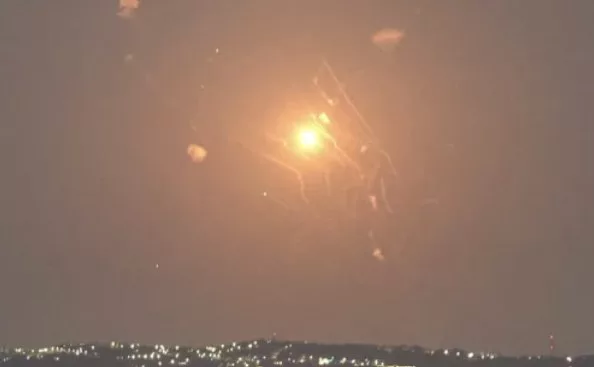
Iran responded by firing missiles towards a US military base in Jordan. Jordanian authorities said 18 of the 20 missiles were intercepted, while two fell in unpopulated areas. No major casualties were reported from the missile attack.
The exchange represents a significant escalation in direct hostilities between Washington and Tehran. The confrontation comes more than six months after the United States and Israel launched attacks against Iran on 28 February, while tensions over shipping, oil exports and military operations have continued to intensify.
The immediate consequences were felt in global energy markets. Oil prices rose during Asian trading as investors assessed the possibility that the conflict could disrupt supplies passing through the Gulf and the Strait of Hormuz, one of the world’s most important energy routes.
Benchmark Brent crude rose about 1.5% to $99.35 a barrel, while US-traded oil increased 1.3% to $94.23. Further escalation could place additional upward pressure on prices if shipping companies reduce operations in the region or if vessels face increased risks while attempting to transit the waterway.
Kharg Island is particularly important to Iran’s economy. Around 90% of the country’s crude oil is transported through the island’s export infrastructure, with oil arriving through pipelines from mainland production facilities.

A sustained threat to the island or shipping routes around it could therefore have consequences well beyond the immediate military confrontation. Iran relies heavily on oil exports for revenue, while many countries depend on uninterrupted energy flows from the Gulf.
The latest US strikes followed Iranian attacks on an American warship. Centcom said Iran had twice attempted to target a US naval vessel with ballistic missiles, although the attacks were successfully evaded and no American personnel were injured.
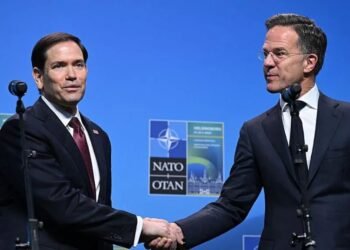
US Secretary of State Marco Rubio presented the American response as a direct deterrent.
“Iran continues to try to hit US naval ships,” Rubio said while travelling in Colombia. He added that each such attempt would result in Iranian tankers being targeted.
The statement suggests that Washington is prepared to continue attacking vessels it believes are connected to Iranian military financing if Tehran continues targeting American naval assets.
Iran, however, has rejected the premise behind the American strikes and has warned that its response will extend beyond individual military targets.
The IRGC said on Wednesday that Iranian forces had attacked two US vessels, eight oil tankers and 10 other vessels it described as “non-compliant” while attempting to pass through the Strait of Hormuz, according to Iranian state media.
The claims underline the growing risk to commercial shipping. The Strait of Hormuz is narrow but extraordinarily important to global energy trade, carrying a substantial portion of the world’s seaborne oil and liquefied natural gas shipments.
Any prolonged disruption could raise transport costs, increase insurance premiums and push energy prices higher. The effects could eventually reach consumers through more expensive fuel, transportation and goods.
The confrontation has also expanded beyond the immediate US-Iranian theatre.
On Tuesday, Yemen’s Iran-backed Houthi movement launched attacks against energy facilities and civilian infrastructure in Saudi Arabia. Saudi authorities said 73 people were injured and that the attacks caused fires at oil facilities and other installations.
Saudi Arabia’s military and energy authorities said operations were temporarily halted at some affected facilities.
The attacks demonstrate how the broader regional network of armed groups aligned with Tehran could become increasingly involved as the confrontation between Iran and the United States intensifies.
Washington has repeatedly accused Iran of supporting armed groups across the Middle East. Tehran maintains that such groups represent resistance movements and rejects accusations that it directly controls all of their actions.
Another source of tension emerged hours before the US strikes when Iran’s navy claimed to have seized an uncrewed American underwater vehicle in the Strait of Hormuz.
The United States disputed the description of the incident. Captain Tim Hawkins, a Centcom spokesman, said the underwater drone had malfunctioned more than a day earlier and was being used to survey regional waters as part of ongoing operations.
According to Hawkins, the drone was an older model and did not collect sensitive information or carry classified sonar or radar equipment.
The distinction is important because the seizure of an American military asset could otherwise have been interpreted as a significant intelligence or operational success for Iran.
Instead, Washington portrayed the incident as the recovery or capture of a malfunctioning system rather than the seizure of an active and sensitive military platform.
Nevertheless, the episode illustrates how quickly incidents at sea can become part of the wider confrontation.
For commercial shipping companies, the Strait of Hormuz has become an increasingly difficult environment. Tankers must navigate waters where military vessels, drones, missiles and armed groups are operating simultaneously.
The US decision to target oil tankers also raises questions about how far Washington intends to extend its campaign. Striking vessels allegedly connected to the IRGC could impose financial pressure on Iran, but it also creates a risk that Tehran will respond by attacking American interests or disrupting commercial shipping.
That possibility is particularly concerning for countries that rely on imported energy.
The rise in oil prices following the latest attacks suggests markets are already pricing in some degree of disruption. If the conflict remains limited, prices could stabilise. But a broader confrontation involving the Strait of Hormuz could produce a much more severe energy shock.
Diplomatic efforts could therefore become increasingly important despite the hardening military positions.
The latest confrontation also comes against the background of a conflict that has already produced repeated warnings about regional escalation. Iran has sought to demonstrate that it retains the capacity to threaten US military assets and energy infrastructure, while Washington has attempted to make clear that attacks against its forces will carry direct economic and military consequences.
Neither side appears willing to concede publicly.
For Iran, attacks on shipping and American military targets can be presented domestically as retaliation against what Tehran considers US aggression. For Washington, strikes against Iranian tankers are being framed as measures designed to cut financial support to the IRGC and deter attacks on American forces.
The danger is that each side’s attempt to establish deterrence could instead create a cycle of retaliation.
A missile attack can prompt an attack on an oil tanker. The tanker strike can then trigger attacks against another US vessel. Further attacks could produce another American response, making escalation increasingly difficult to control.
The presence of regional actors such as the Houthis adds another layer of uncertainty. An attack launched by an Iran-backed group against an energy facility or shipping route could generate an American or allied response even if Tehran itself did not directly order the operation.

For now, the most immediate concern is whether the latest exchange remains contained or develops into a wider regional crisis.
The sinking of an Iranian tanker, missile attacks against a US base and reports of further attacks on vessels indicate that the confrontation has already moved beyond diplomatic warnings. With oil prices approaching the psychologically important $100-a-barrel level, the economic consequences are also becoming increasingly visible.
The Gulf remains a crucial artery for global energy supplies, meaning that any sustained military disruption could affect economies far from the Middle East.
The latest strikes therefore represent more than another episode in the long-running US-Iran confrontation. They mark a moment when military escalation, energy security and commercial shipping have become tightly connected.
Unless Washington and Tehran find a way to restore some form of communication or establish limits around military operations, the risk of further retaliation will remain high.
For the international community, the central concern is no longer simply whether the United States and Iran will exchange further strikes. It is whether those strikes could eventually disrupt one of the world’s most important energy corridors and turn a regional confrontation into a global economic crisis.
Related News:
 Putin Intensifies Territorial Demands Before US Talks
 Trump to Recheck Green Cards from 19 Nations After DC Attack
 Trump Escalates Minnesota Immigration Surge Amid Rising Tensions
 Greenland Faces Pivotal Summit Over Arctic Power Struggle
 Trump Threatens Strong Action If Iran Executes Protesters
 Trump Receives Machado’s Nobel Medal in White House Meeting
 Greenland Crisis Forces Europe to Draw a Line With Trump
 Iran Cannot Be Bombed Into Democracy, Only Helped There
 Historic Abu Dhabi Talks Bring US, Ukraine and Russia Together
 Trump Pulls Canada from His Controversial ‘Board of Peace’ Plan
 EU Says US Ties Have Suffered ‘Big Blow’ After Greenland Crisis
 Thousands Protest ICE Operations in Nationwide US Day of Action
 Epstein Files Reveal Trump Officials’ Emails with Financier
 Thousands Protest ICE in New York Against Trump Deportation Campaign
 Trump Praises ‘Terrific’ Petro After White House Talks
 Clinton Testimony Erupts in Fiery Exchange
 Trump Faces Questions Over Iran Conflict Plan
 UK Prepares Aircraft Carrier for Middle East Crisis
 Pete Hegseth Iran War Remarks Spark Alarm
 Trump’s Harsh Rhetoric on Iran Sparks Global Alarm
 Trump Faces Crisis as Iran Reopens Hormuz Tensions
 Charles Faces Trump Test in High-Stakes US Visit
 UK Stands Firm on Falklands Amid US Rift
 US Court Ruling Reshapes Voting Rights Landscape
 US states redraw maps after voting rights ruling
 Trump orders US troop pullout from Germany
 Judge halts deportation of Yemeni refugees in US
 Trump likens US Navy actions to ‘pirates’
 Trump approval plunges amid Iran war fears
 Giuliani hospitalised in critical condition
 Ohio’s Battle for Trust: Democrats Vying to Flip the Buckeye State
 Trump Threatens UN Budget Cuts as US Pushes ‘Trade Over Aid’ Agenda
 Trump warns Iran as Middle East tensions surge again
 US ‘Narco Boat’ Strikes Draw Global Outcry
 Indiana Republicans Defy Trump in Key Vote Test
 US Court Restores Abortion Pill Access Temporarily
 Ohio Primaries Set Stage for Crucial Midterms
 Afghan Families Left in Limbo Face Risk of Deportation
 Tensions Emerge in Netanyahu-Trump Alliance
 US Awaits Iran Reply on New Ceasefire Proposal
 Trump Sends 5,000 More US Troops to Poland
 Hormuz Talks Near Critical Stage
 Trump’s Revenge Drive Deepens GOP Divide
 Former ICC prosecutor condemns US sanctions
 Gunman Killed After White House Security Shootout
 Trump Claims Iran Peace Deal Near Completion
 US Midterm Primaries: Democrats Target Key Republican Seats
 House Curbs Trump’s War Powers in Rare Rebellion
 Mystery Grows Over Mitch McConnell’s Health
 Senate Halts Defense Bill Over Iran Clashes
 Trump Jokes, Jabs and Press Tensions at WHCA Dinner
 Houthis Strike Saudi Arabia as Middle East Tensions Rise
 Is America Ready for an AOC Presidential Run?
 Trump dismisses concerns over 250-day carrier deployment
 Trump Calls Strait of Hormuz ‘American Territory’
 Trump Faces Iran War Crisis Before Midterm Vote
 Trump orders US to rename Lake Ontario ‘Lake America’
 Trump announces major US oil deal with Venezuela
 Trump Hardens Canada Trade Stance as Talks Stall
 Trump Calls Iran War ‘Small Potatoes’ Despite US Deaths
 UK Must Act with Courage and Clarity on Israel-Palestine Conflict, Says Foreign Affairs Committee Report
 Radioactive Leak at UK’s Nuclear Warhead Base Sparks Outcry Over Safety and Secrecy
 Hong Kong Summons UK and Australian Envoys Following Asylum Grants to Democracy Activists
 Is the UK Ready to Put Boots on the Ground in Ukraine? Assessing Military Capacity and Challenges
 Yvette Cooper Signals Global Momentum Towards Gaza Peace Deal Amid Humanitarian Crisis
 Russia’s Latest Push to Win US Favors Shows Deep Desperation
 BBC to Apologise Over Edited Trump Speech Amid Backlash
 Greene Pushes Epstein Files Amid Trump Fallout
 Shadow Fleet at Sea: Europe’s Battle Against Illicit Oil Shipping
 Partial US Government Shutdown Hits Homeland Security Funding
 UK and US Drop in Global Corruption Index Rankings
 Canberra Poster Seizure Sparks Free Speech Row
 Evo Morales Returns After Mysterious Absence
 Jacinda Ardern Moves To Australia Following Her US Fellowships
 Jacinda Ardern Move Sparks Kiwi Reflection
 Injured Mojtaba Khamenei Elevated as Iran Leader
 Air Canada CEO Faces Outcry Over Recent Language Misstep
 Relationship with Trump may be beyond repair, Starmer warned
 Investigation Into Anti-Trump Motives After Gala Shooting
 Bayeux Tapestry Revives Franco-British Ties