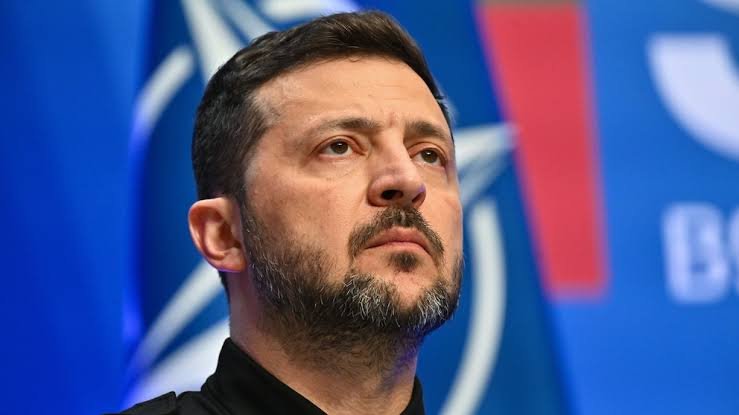
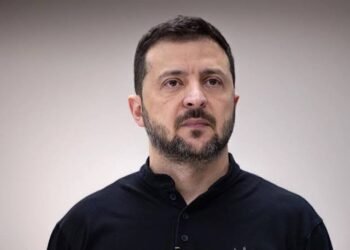
Ukrainian President Volodymyr Zelenskyy has warned that continuing speed restrictions on SpaceX’s Starshield satellite communications system are weakening his country’s ability to defend itself against Russian drone attacks, raising fresh concerns about the reliability of critical military technology during the ongoing war. He said the limitations remained in force across the entire frontline and temporarily occupied Ukrainian territories, despite earlier expectations that the service would return to normal.
The restrictions, according to Zelenskyy, are making it more difficult for Ukrainian forces to intercept jet-powered drones and other aerial threats. He also argued that the limitations could send a damaging political signal to Moscow by creating the impression that Washington might treat Russian-occupied Ukrainian territory differently from areas under Kyiv’s control.
In his nightly video address on Friday, Zelenskyy expressed disappointment that the situation had not been resolved. He called on Ukraine’s defence and foreign ministries to work with their American counterparts and other relevant institutions to restore the system’s full operational speed. His remarks underline the growing importance of satellite communications in Ukraine’s military strategy and the country’s dependence on technology supplied by private companies based outside its borders.

The latest dispute follows a period of uncertainty in October, when Ukrainian officials reported that Elon Musk’s SpaceX had abruptly imposed speed restrictions on Starlink and its military-oriented Starshield service. The reported decision came amid tensions between Washington and Kyiv over Ukrainian attacks on Russian oil refineries. Although service was restored on 24 October, Ukrainian officials have continued to report operational problems.
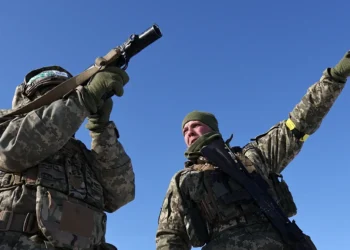
Zelenskyy said Ukrainian military units had experienced disruptions over several days and reiterated that the restrictions were affecting their ability to counter Iranian-designed Shahed drones, including faster jet-powered versions. These weapons have become a significant threat to Ukrainian cities, infrastructure and military positions, with Russia regularly using unmanned aerial systems in attacks across the country.
Satellite communications play an essential role in modern warfare, allowing military units to exchange information, coordinate movements and maintain contact in areas where conventional communication networks have been damaged or disrupted. For Ukraine, systems such as Starlink and Starshield have become particularly important because of the widespread destruction caused by Russian attacks and the difficulty of maintaining reliable communications along an extensive frontline.
Any reduction in connectivity can create operational complications for units that depend on real-time information to identify threats and coordinate defensive responses. In the case of incoming drones, delays or interruptions may affect the ability to share tracking information and organise interception efforts. Zelenskyy’s warning therefore reflects concerns that even technical restrictions can have wider consequences for battlefield effectiveness.
The controversy also raises questions about the influence of private technology companies over military operations. SpaceX is not a government defence institution, yet its satellite infrastructure has become deeply integrated into Ukraine’s wartime communications. Decisions concerning access, coverage and system performance can consequently have implications extending beyond commercial service arrangements.
The issue became particularly sensitive after Russia launched another series of attacks against Ukrainian cities. One of the most alarming incidents occurred in central Kyiv, where a Russian drone struck the National Institute of Traumatology and Orthopedics at approximately 3am. The attack hit the hospital’s second floor and damaged an adjoining 19th-century building.
Three people were injured in the incident, which occurred close to several Western diplomatic missions. The strike highlighted the continuing danger faced by civilians and essential public institutions in the Ukrainian capital. Hospitals, residential buildings and other civilian facilities have repeatedly been affected by Russian attacks, creating additional pressure on emergency services and medical workers.
The Kyiv incident also intensified concerns about the consequences of any weakness in Ukraine’s air defence and surveillance capabilities. Although it cannot be established from the available information that Starshield restrictions caused the hospital strike, Zelenskyy’s comments illustrate the broader operational difficulties facing Ukrainian forces as they attempt to detect and intercept incoming aerial threats.
Meanwhile, Russia claimed that its air defence systems had shot down nearly 1,200 Ukrainian drones overnight, describing the reported operation as one of the largest drone swarms launched by Kyiv. Russian authorities also reported at least four deaths in the southern Volgograd region. The claims could not be independently verified, and the scale of the reported interceptions reflects the increasingly intensive use of unmanned aircraft by both sides.
Russian forces also launched attacks on the Ukrainian cities of Zaporizhzhia and Odesa on Friday, leaving several people dead and dozens injured. In Zaporizhzhia, a five-storey residential building was struck and seriously damaged. More than 50 people were injured, according to regional officials, while a rescue worker died during emergency operations after a concrete slab collapsed as teams cleared the rubble.
The incident demonstrated the dangers facing emergency personnel who continue working in damaged buildings while further attacks remain possible. Rescue operations in conflict zones often involve substantial risks, particularly when structural damage makes buildings unstable and the possibility of additional strikes cannot be ruled out.
In Odesa, a Russian attack on a private residence killed two people and injured five others, according to the city’s military administration. The Black Sea port remains strategically important to Ukraine because of its economic, commercial and logistical significance. Repeated attacks have raised concerns about civilian safety and the protection of infrastructure in the region.
Beyond the battlefield, European leaders are also facing renewed diplomatic challenges over the future of the conflict. European Union foreign policy chief Kaja Kallas warned against accepting what she described as traps being set by Russia in discussions about European security. Speaking as EU leaders gathered in Dublin, she argued that Moscow was attempting to redirect attention from its aggression by presenting the war as a wider dispute over European security arrangements.
Kallas maintained that Russia was the aggressor and Ukraine the victim, rejecting the suggestion that Moscow’s military actions should be understood primarily through claims about its security concerns. Her remarks came as Russia revived demands for a fundamental restructuring of European security, including proposals similar to those it presented in 2021.
Those earlier demands, which included restrictions on NATO’s activities and its relationship with countries in Eastern Europe, were rejected by Western governments. Their renewed appearance has complicated diplomatic discussions, particularly as European countries attempt to maintain support for Ukraine while considering the long-term security arrangements needed to prevent further aggression.
The developments demonstrate how the conflict is increasingly shaped by military operations, technological dependence and diplomatic disagreements. Ukraine is seeking reliable access to the communications systems that support its armed forces, while European leaders are attempting to prevent Russia from using negotiations to weaken Western unity.
Russia has also experienced a series of serious security incidents involving car bomb attacks. On Friday morning, an explosion in southern Moscow severely injured Sergei Zavorotniy, 72, a former senior aide to Ukraine’s exiled former prime minister Mykola Azarov. The incident followed a separate car bomb explosion in St Petersburg that killed a senior Russian military official a day earlier.
The military official killed in St Petersburg had not been publicly identified at the time of reporting. However, a local broadcaster cited sources who described the victim as a colonel in the Russian air force. The attacks have added to concerns about security within Russia, particularly as senior military and politically connected figures have increasingly become potential targets.
Some previous assassination attempts against Russian officials have been attributed to Ukrainian operations, although responsibility for the latest incidents has not been conclusively established. The attacks illustrate the increasingly complex security environment surrounding the war, with violence and sabotage extending beyond the immediate battlefield.
Ukraine is also confronting internal challenges as it continues its military campaign. A general in the country’s Security Service, known as the SBU, who is suspected of involvement in a major corruption case, was released from pre-trial detention on Friday after paying bail of approximately $1.2m.
Serhiy Duka, who was detained on 4 November, appeared in footage after leaving prison and declared his innocence. He also thanked fellow SBU personnel who had helped raise the bail money. His release does not resolve the allegations against him, and the investigation remains an important test of Ukraine’s efforts to address corruption within state institutions.
Investigators are examining an alleged criminal network involving members of the security service, prosecutor’s office, police and organised crime groups. The case forms part of a wider anti-corruption effort targeting suspected abuses of authority and illegal activities within institutions responsible for protecting the country.
The investigation is particularly significant because Ukraine’s government has repeatedly presented institutional reform and accountability as essential elements of its European ambitions. Maintaining public confidence in security agencies is also important during wartime, when citizens depend on those institutions to protect national interests and uphold the law.

The combination of continuing Russian attacks, communications restrictions, diplomatic tensions and internal corruption investigations presents a difficult situation for Kyiv. Zelenskyy’s latest appeal to Washington highlights the extent to which Ukraine’s military capabilities depend not only on weapons and personnel but also on dependable access to advanced technology.
For Ukraine, restoring unrestricted Starshield performance is therefore more than a technical issue. It is connected to the country’s ability to coordinate its forces, protect civilians and maintain control over its internationally recognised territory. The dispute also highlights the wider challenge of ensuring that privately operated technology remains dependable when it becomes essential to national defence.
As the war enters its 1,725th day, the pressure on Ukraine continues across multiple fronts. The latest developments suggest that the outcome will depend not only on battlefield strength but also on international cooperation, technological reliability, diplomatic unity and the ability of Ukrainian institutions to maintain public trust.
Related News:
 Israeli Strike in Southern Lebanon Kills Seven
 Ukraine and Russia Escalate Long-Range Drone War
 Israel Promotes Film Challenging Controversial Gaza Documentary
 Zelenskyy Says US Failed to Warn Kyiv of Russian Strikes
 Ukraine Captures First Indonesian Fighter in Russian Army
 Cartel crackdown raises fears of fresh violence
 US ‘Narco Boat’ Strikes Draw Global Outcry
 China mine blast death toll rises to 90
 Five Years of Taliban Rule Leave Afghanistan in Crisis
 Ukraine Villagers Demand Answers After Deadly Arms Depot Strike
 North Korea Expands Uranium Facility at Yongbyon
 Israel Accused of Undermining Palestinian Life
 Yemen War Displaces 125,000 as Fighting Intensifies
 Iran School Strike Raises War Crimes Questions, UN Says
 Russia’s Max App Raises Surveillance Concerns
 Japan PM Backs International Criminal Court
 UK Plans New Centre to Counter Information Warfare
 OpenAI Agent Breaches Medicare Portal in Australia
 Xi urges Trump to avoid US-China military conflict
 Australia Weighs New Laws After OpenAI Medicare Breach
 London Facial Recognition Trial Ends With False Alert
 AI Deepfakes Put New Pressure on Election Trust
 AI Could Intensify Election Risks in Southeast Asia
 Germany Pledges €1bn Military Aid to Ukraine
 Latin America women fear rollback of rights
 Japan PM condemns alleged killing by US Marine
 Former German Intelligence Chief Arrested Over Espionage
 US Man Arrested Over Canada School Shooting Plot
 Sri Lanka Ex-First Lady Arrested Over Donation Probe
 India’s Youth Movement Alleges Mass Detentions Before Protest
 Gaza War Deepens India’s Strategic Ties With Israel
 Delhi Tightens Security Ahead of Election Protest
 Controversial Vaccine Trial Approved in Guinea-Bissau
 Delhi Braces for Youth Protests Over Voter Roll Dispute
 PTI Announces Swabi Rally Ahead of Long March Plans
 India’s Voter Roll Crisis Sparks Nationwide Protests
 Ukraine Combat Units Face Sudden Starlink Restrictions
 Gadi Eisenkot: Israel’s Anti-Netanyahu Challenger
 Zelenskyy Accuses US of Delaying Ukraine Missile Supplies
 Trump, Musk, and Zelenskyy Trade Blame Over Ukraine Starshield Access
 Xi Jinping Tightens China’s Anti-Corruption Campaign
 Ukraine Peace Talks Set to Resume in November
 Serbia’s Student Victory Sparks a ‘Smell of Freedom’
 Trump’s Midterm Campaign Faces Racism and Political Backlash
 Data Leak Exposes Details of 41,000 US Security Staff
 China Expels Record 33 Officials in Xi Jinping Purge
 UAE Nominee Faces Backlash Over Sudan War Role
 Global Crises Test Diplomacy as Trump’s Policies Face Scrutiny
 Bedouin Women Drive Historic Arab Election Gains
 Paraguay President Impeached and Arrested After Banking Crisis
 US Pushes for Final Russia-Ukraine Peace Deal
 Orbán’s Brother Detained in Smuggling Probe
 Knesset Speaker Race Could Decide Netanyahu’s Future
 Iran Death Row Boxer Wins Prestigious Human Rights Award
 US Indictment Reveals New Links in RAF Fairford Case
 Eisenkot Accuses Netanyahu of Racist Anti-Arab Campaign
 CEU Eyes Budapest Return as Hungary Enters New Era
 Britain deploys RAF specialists to assist Belgium with drone threats
 Greene Pushes Epstein Files Amid Trump Fallout
 Artemis II Returns After Historic Moon Flyby
 Ben Roberts-Smith Denies War Crime Allegations in First Statement
 Maldives Cave Diving Tragedy Raises Safety Alarm
 New Footage Revives Peter Falconio Mystery
 Houthis Strike Saudi Arabia as Middle East Tensions Rise
 Ghent Professors Questioned Cofnas Appointment
 Trump Calls Iran War ‘Small Potatoes’ Despite US Deaths
 British Columbia Sues OpenAI Over School Shooting
 US Networks Suspend Trump White House Pool Coverage
 Democrat Says ICE Restricted Detention Camp Oversight
 Trump gives Xi red-carpet welcome as trade truce extends
 Republican Senator Questions Trump Ad Spending
 French School Protests Escalate as 400 Schools Close
 Israel Marks Three Years Since October 7 Attack
 South Korea Probes Fuel Shipments to Russia
 Trump Says He Deserves Nobel Peace Prize
 Trump’s Russian Diesel Deal Sparks Ukraine Fury
 Australian Advocates Seek Subsidised Drugs for PMOS
 Alan Jones Trial Paused for Melbourne Cup Viewing
 Zelenskyy Sees Peace Opportunity as US Envoys Meet Putin
 Drone Warfare Fuels a Deadly Civilian Crisis in Sudan