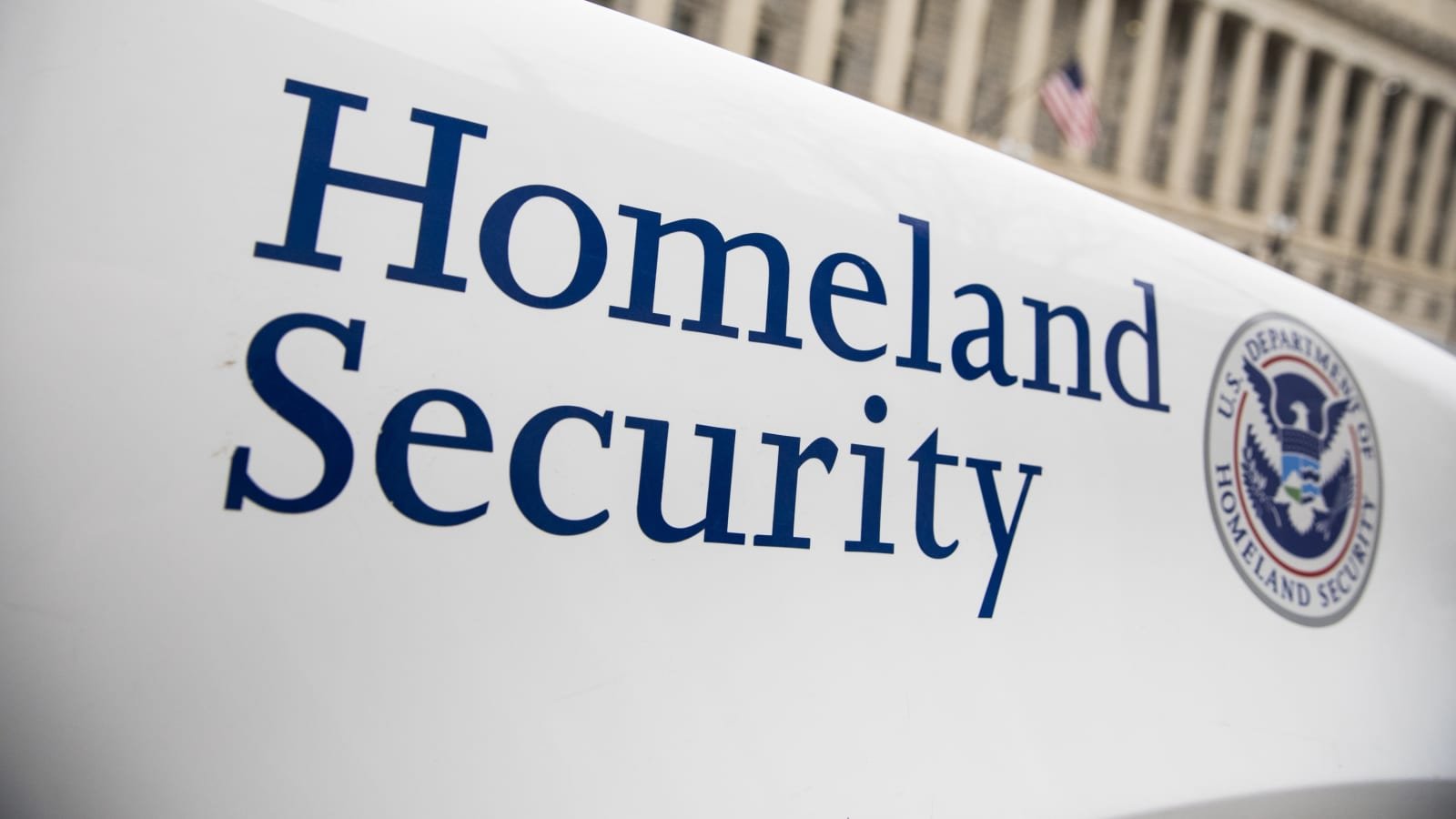
More than 41,000 employees and contractors working for the United States Department of Homeland Security (DHS) have had personal and professional information exposed in a major data leak, raising fresh concerns about government cybersecurity, employee safety and the protection of sensitive law enforcement operations.
The information was made public on Wednesday by Distributed Denial of Secrets, a nonprofit organisation known for publishing leaked data in the name of transparency. The disclosure reportedly contains names, telephone numbers, email addresses, job titles and internal organisational details relating to personnel across several agencies responsible for immigration enforcement, border security, investigations and cybersecurity.
The release represents another significant breach involving US government personnel within a short period. It comes amid growing scrutiny of the federal government’s handling of sensitive information, as well as wider debates over privacy, public accountability and the security risks faced by government employees.

The leaked records reportedly cover personnel working for Immigration and Customs Enforcement (ICE), Customs and Border Protection (CBP), Homeland Security Investigations and the Cybersecurity and Infrastructure Security Agency. Together, these organisations play important roles in immigration enforcement, border management, criminal investigations and the protection of critical digital infrastructure.
According to the information accompanying the disclosure, more than 21,000 of the individuals identified in the data work for Customs and Border Protection, while approximately 6,600 are associated with Immigration and Customs Enforcement. The remaining records relate to personnel across other parts of the department.
Beyond basic identifying information, the material reportedly contains job assignments, email distribution groups and organisational details that could provide insight into the internal structure of the department. Some records appear to identify employees associated with special operations, surveillance assignments, computer forensics and undercover activities.
Such information can create security concerns if it enables individuals to identify personnel whose duties require discretion or whose work involves sensitive investigations. The potential consequences depend on the accuracy, completeness and sensitivity of the exposed records, as well as how the information is subsequently used.
However, the authenticity of the entire collection has not been independently established. Information from individual records has reportedly been checked against other sources, but that does not confirm that every entry is accurate or that all the material originated from the systems claimed by those responsible for the disclosure.
Distributed Denial of Secrets said the data was obtained from an entity calling itself the Department of Peace. The nonprofit’s co-founder, Emma Best, said a hacktivist using the name “maia arson crimew” had developed a search tool allowing members of the public to browse the information.
Best described the tool as a means of replacing anonymity with accountability. According to her statement, the material could help journalists investigate government operations, support public-records requests and strengthen congressional oversight of federal agencies.
The stated justification for releasing the records has nevertheless prompted questions about the distinction between exposing government activities and publishing information that could put individual employees at risk. While public scrutiny of government institutions is an important element of democratic accountability, making personal contact details and sensitive assignments searchable can also create opportunities for harassment, intimidation or other forms of misuse.
The entity identifying itself as the Department of Peace offered a similar justification in a statement accompanying the data. It argued that DHS employees possessed information about others and suggested that making government personnel information public was a matter of fairness. It also said it hoped the disclosure would help limit further harm associated with the department.
Those statements represent the group’s stated rationale, rather than independently verified evidence that the disclosure will achieve its claimed objectives. The release also raises questions about whether information relating to undercover assignments and internal security operations can be made public without exposing people who are not responsible for government policy decisions.
The Department of Homeland Security did not immediately respond to a request for comment. The absence of an immediate response leaves important questions unanswered, including the extent of any confirmed compromise, whether affected employees have been notified and what steps the department may take to protect personnel and investigate the incident.
The alleged method through which the information was obtained is also under scrutiny. Emma Best said the Department of Peace had harvested the data from Okta, a sign-on service used by DHS. Reuters was unable to independently corroborate that account.
Okta rejected any suggestion that its own systems had been compromised, stating that the company was secure and that it had no evidence its data or systems had been breached. Its response does not, by itself, establish how the information was obtained or whether another part of the authentication or information-sharing process was involved.
Independent verification efforts have provided some evidence that portions of the released material correspond to real individuals. Reuters reported that it matched personal information relating to approximately six DHS employees against credit bureau records and breach information available through the dark-web intelligence platform District 4 Labs.
In three other cases, Reuters contacted DHS employees directly and confirmed their telephone numbers and other details. One employee reportedly said they had not previously been aware of the breach. Some information in the collection was also consistent with details available through employees’ LinkedIn profiles.
Other records appeared to reveal non-public information about internal organisational structures and programmes that had not previously been disclosed. These findings suggest that the material may contain information beyond what is already available through public professional profiles, although they do not establish the validity of the entire data set.
The leak is the third major government-related data disclosure to attract attention within approximately a month. In September, the hacking group ShinyHunters claimed responsibility for stealing a large collection of information from the Federal Bureau of Investigation, reportedly including sensitive employment details and medical information concerning thousands of bureau employees.
Last week, the US Department of Defense faced a class-action lawsuit following a separate breach that reportedly exposed information relating to millions of current and former military personnel. The legal action added to concerns about how government institutions safeguard the personal records of people who serve in sensitive public roles.
The Department of Peace had also claimed responsibility in March for hacking DHS and publishing documents relating to contracts with external vendors. The latest disclosure therefore follows earlier claims involving the same department, although the relationship between the incidents and the precise methods used to obtain the newly released records remain matters requiring verification.
The growing number of incidents highlights the difficulties large public institutions face in protecting extensive networks of employee records, contractor information and operational data. Government agencies often depend on interconnected digital services to manage access, communicate internally and coordinate complex activities. A compromise involving one system or collection of credentials can potentially expose information held across multiple departments, depending on the access controls and security measures in place.
For employees, the consequences of such disclosures can extend beyond the immediate loss of privacy. Exposed contact details may facilitate targeted phishing attempts, impersonation, unwanted approaches or threats. Information about job responsibilities and internal reporting structures can also help malicious actors craft convincing messages or identify individuals associated with particular investigations.
The risks may be particularly serious for personnel involved in undercover operations or surveillance, where confidentiality can be essential to protecting investigations and individuals. Nevertheless, the available information does not establish that any employee has been physically harmed or that a specific operation has been compromised as a result of this release.
The incident also raises broader questions about the balance between transparency and individual privacy. Government agencies must be accountable for their decisions, spending and conduct, but publishing personal information about employees is not necessarily equivalent to exposing wrongdoing by an institution. Effective oversight generally depends on reliable evidence, responsible reporting and mechanisms that allow misconduct to be investigated without needlessly endangering individuals.

For now, several central issues remain unresolved: the full extent of the information exposed, the method through which it was obtained, the number of records that can be independently authenticated and the steps authorities will take in response. The department’s investigation and any subsequent disclosures may provide a clearer picture of the incident’s scale and implications.
The release has placed the security of US homeland security personnel under renewed scrutiny at a time when federal agencies are confronting repeated claims of data theft and unauthorised disclosure. Establishing the facts, protecting affected employees and determining whether security failures occurred will be important in assessing the consequences of the breach.
Until the complete data set and the circumstances surrounding its publication have been independently examined, the disclosure should be treated as a serious reported security incident whose full impact remains uncertain. The challenge for authorities will be to strengthen protections for sensitive information while maintaining the transparency and accountability expected of public institutions.
Related News:
 US ‘Narco Boat’ Strikes Draw Global Outcry
 New Mexico Takes Facebook to Trial Over Data Scandal
 Democrat Says ICE Restricted Detention Camp Oversight
 AI Deepfakes Put New Pressure on Election Trust
 Food Industry Mobilises Against the MAHA Movement
 US election threat checks face federal pullback
 Musk’s DOGE Sparks Turmoil Inside US Government
 Latin America women fear rollback of rights
 US Man Arrested Over Canada School Shooting Plot
 ICE Agent Shoots Man in New York as Child Escapes Harm
 US Report Exposes Scale of Dating App Scams
 Trump’s Midterm Campaign Faces Racism and Political Backlash
 Melania Trump Epstein remarks spark survivor backlash
 US Charges Sinaloa Governor in Major Cartel Case
 Cartel crackdown raises fears of fresh violence
 US states redraw maps after voting rights ruling
 Immigration Judges Fear Pressure in Trump Era
 FDA Chaos Deepens as Trump Eyes Makary Exit
 Gunman Killed After White House Security Shootout
 DeSantis’s ‘Alligator Alcatraz’ Faces Final Shutdown
 Israeli Strike in Southern Lebanon Kills Seven
 Is America Ready for an AOC Presidential Run?
 Ukraine Villagers Demand Answers After Deadly Arms Depot Strike
 Survivor Sues Musk’s xAI Over AI Abuse Images
 Trump Calls Iran War ‘Small Potatoes’ Despite US Deaths
 Turning Point USA Faces Crisis After Kirk Killing
 Patriot Platform Raises Concern Across Britain
 Man Arrested in Mississippi Woman’s Death
 Israel Accused of Undermining Palestinian Life
 Trump’s Washington Projects Face Architectural Criticism
 Election Candidate Abuse Raises Alarm in England
 Texas Charges Seven Noncitizens in Voting Crackdown
 Iran School Strike Raises War Crimes Questions, UN Says
 US Deportation Deals Send Migrants to Unfamiliar Countries
 US Networks Suspend Trump White House Pool Coverage
 UK Unveils Centre to Counter Foreign Disinformation
 UK Plans New Centre to Counter Information Warfare
 Ukraine and Russia Escalate Long-Range Drone War
 Xi urges Trump to avoid US-China military conflict
 Lula accuses Trump of seeking control over Brazil
 Elizabeth Holmes Set for Halfway House Transfer
 Republican Senator Questions Trump Ad Spending
 Cornell Fraternity Assault Investigation Reopened
 London Facial Recognition Trial Ends With False Alert
 AI Could Intensify Election Risks in Southeast Asia
 Man Arrested Over Alleged Texas Capitol Attack Plot
 Drumcree Talks End Without Agreement Ahead of Appeal
 New Prosecutor Takes Over Cornell Assault Case
 US bombers leave RAF Fairford after terror threat
 Former German Intelligence Chief Arrested Over Espionage
 Botstein Quits Bard Amid Epstein Investigation Calls
 Royal Navy Sailor Charged With Alleged Spying
 Luton Residents Reject Claims of ‘No-Go Zones’
 Trump Says He Deserves Nobel Peace Prize
 Sri Lanka Ex-First Lady Arrested Over Donation Probe
 Israel Promotes Film Challenging Controversial Gaza Documentary
 Bolsonaro Gains Key Endorsement Ahead of Brazil Runoff
 Delhi Tightens Security Ahead of Election Protest
 US Execution Livestream Plan Sparks Global Outrage
 Controversial Vaccine Trial Approved in Guinea-Bissau
 Church of England Reparations Fund Faces Growing Backlash
 Brazil Court Scandal Threatens Lula as Bolsonaros Rise
 Millions Face Tougher Medicaid Rules From January
 Ohio Airports Become Key Hubs for ICE Deportation Flights
 England and Wales Begin Second Wave of Early Prison Releases
 Judge Blocks Trump White House Media Ban
 Ukraine Combat Units Face Sudden Starlink Restrictions
 Camera Discovery Triggers Navy Ship Investigation
 Serbia Leader Linked to Controversial Trump Tower Plan
 Oregon School Shooting Kills Three Children and Teacher
 Jenrick Defends Farage Amid Fresh Reform Racism Claims
 Trump Administration Threatens California Election Officials
 Zelenskyy Says US Failed to Warn Kyiv of Russian Strikes
 Meta Faces Election Bias Claims Ahead of Brazil Runoff
 Omar Claims US Raid on Residence Was Meant to Intimidate
 Trump, Musk, and Zelenskyy Trade Blame Over Ukraine Starshield Access
 Ramaswamy Under Fire Over Controversial Ohio Ad
 Serbia’s Student Victory Sparks a ‘Smell of Freedom’
 Flávio Bolsonaro Reportedly Leaves Brazil After Election Defeat
 Obama Mocks Trump at Georgia Rally for Democrats