Published: 23 October 2026. The English Chronicle Desk. The English Chronicle Online
A fierce diplomatic rift and public war of words have erupted between the White House, top Ukrainian leadership, and tech billionaire Elon Musk following severe restrictions placed on Ukraine’s access to Starshield, SpaceX’s specialized military-grade satellite network. The sudden throttling of satellite communications has sparked widespread confusion, hobbled Ukrainian long-range drone operations, and impaired vital air defense platforms tasked with intercepting incoming Russian strikes, driving relations between Washington and Kyiv to their lowest point since the outbreak of full-scale conflict nearly five years ago.
The controversy centers on access limitations imposed on Starshield terminal networks operating across Ukraine. Ukrainian defense officials report that restricted bandwidth and system slowdowns have directly disrupted frontline reconnaissance and deep-strike unmanned aerial vehicles, allowing Russian forces to capitalize on critical operational blind spots. As civilian casualties across major Ukrainian urban centers continue to surge, a bitter dispute has emerged among key political actors over who ultimately holds the legal and executive authority to restrict or restore the vital satellite infrastructure.

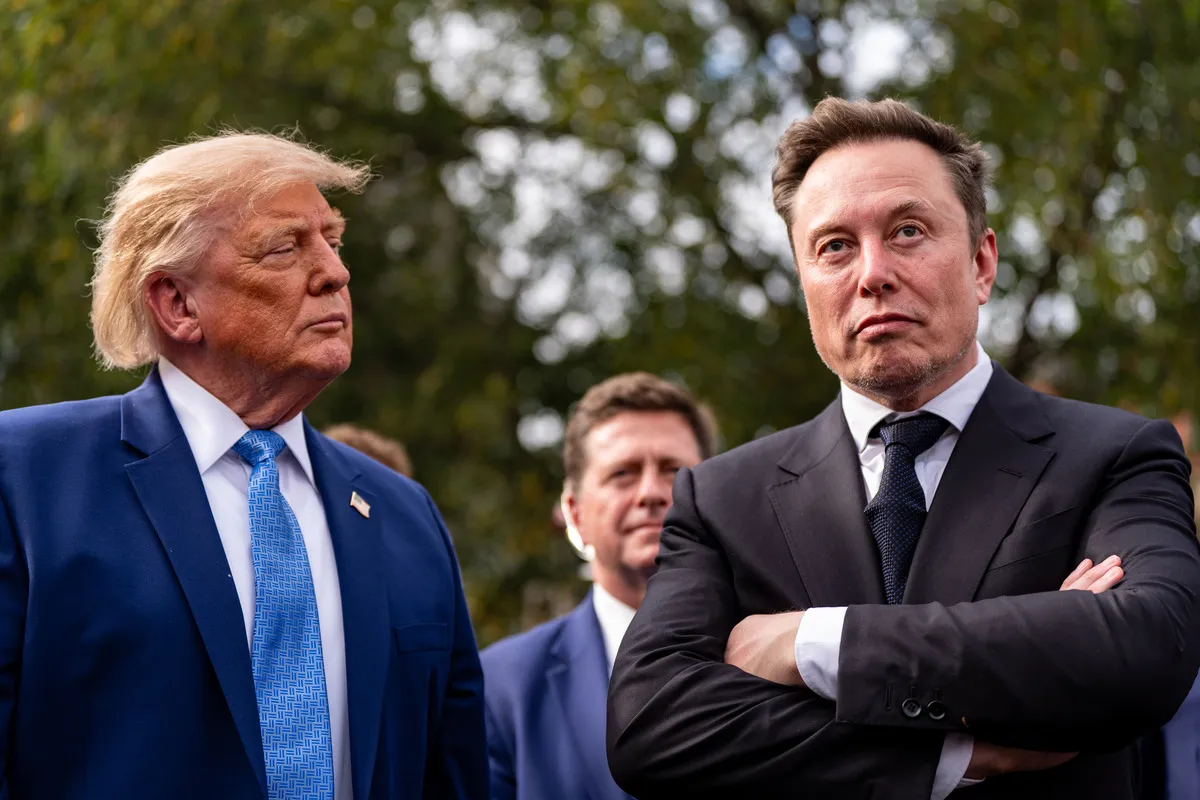
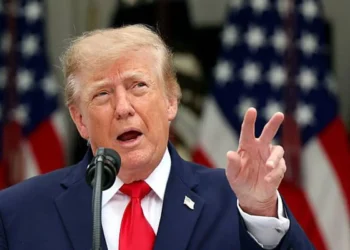
US President Donald Trump initially distanced his administration from the controversy, asserting during news briefings that he had no knowledge of or involvement in the decision to limit service capabilities. Senior White House officials quickly echoed this position, with Secretary of State Marco Rubio publicly stating that neither the president nor anyone within the United States government had instructed SpaceX or Starlink operators to alter operational protocols in Eastern Europe. Rubio emphasized that SpaceX operates as a private corporate entity, arguing that the presidency lacks direct administrative command over commercial satellite management and suggesting that decisions regarding access rested with corporate executives.
Despite initial denials from executive staff, President Trump later indicated to reporters that he had intervened directly with Elon Musk to request that Starshield performance be restored to full capacity, subsequently declaring that the system was operational again. However, contradictory accounts immediately emerged from international observers and European diplomatic sources, who reported to major press agencies that Starshield connectivity across Ukraine remained severely constrained. Outgoing US Senator John Cornyn also expressed skepticism regarding claims of corporate independence, suggesting to national media that a decision of such significant geopolitical consequence could not have occurred without at least the tacit acquiescence or implicit approval of the White House.
For his part, SpaceX Chief Executive Officer Elon Musk placed direct responsibility for the access restrictions back onto the United States government. Responding to criticisms on social media, Musk argued that military-grade Starshield systems are owned and contractually regulated by federal authorities, insisting that operational parameters, bandwidth allocations, and speed caps are fundamentally dictated by the US military and the President of the United States. While Musk maintained that his company merely executes government directives, investigative reporting from major financial publications indicated that internal orders to throttle service speeds originated directly within SpaceX leadership, leaving industry experts divided over whether the corporate action was conducted in formal alignment with White House directives or executed independently.
Vice President JD Vance stepped in to defend the billionaire industrialist, framing the dispute as a broader debate over American foreign policy rather than private corporate misconduct. Vance noted that private contractors should not be expected to navigate complex geopolitical conflict zones without explicit and formal directives from federal authorities, arguing that public debate should center squarely on defining long-term US strategic objectives in Eastern Europe. Meanwhile, political strain between Washington and Kyiv has been further exacerbated by trade disputes and economic accusations, with American officials criticizing Ukrainian strikes on foreign energy infrastructure while international energy analysts point to broader global market dynamics influencing fuel costs.
The operational impact of the Starshield slowdown was felt immediately across active combat zones. Ukrainian military commanders reported that sudden bandwidth degradation disrupted tactical communications and mid-range unmanned aerial vehicles operating along the eastern and southern frontlines. Starshield terminals installed on fast-moving platforms lost synchronization, leaving reconnaissance units temporarily blind and crippling interceptor drones deployed to shoot down incoming suicide drones and cruise missiles. As civilian casualties in Ukrainian cities surged following intensified Russian bombardments, a bitter public debate emerged regarding who ultimately possesses the executive authority to restrict or restore vital satellite assets during an active war.

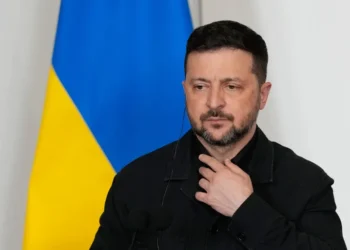
In Kyiv, Ukrainian President Volodymyr Zelenskyy forcefully condemned the operational limits, describing the disruption as a coordinated and deliberate operation that directly endangers military personnel and civilian populations. Zelenskyy initially identified both SpaceX leadership and the United States administration as joint contributors to the crisis, noting that identical Starshield terminals stationed across European Union member nations experienced no comparable bandwidth degradation. Ukrainian defense representatives subsequently clarified that while the technical implementation of the speed restrictions was physically executed by SpaceX technicians, the directive reflected broader policy signals emanating from Washington.
Despite official assurances from Washington that satellite connectivity had been successfully normalized, Ukrainian defense leaders confirmed that high-speed communication channels remained severely degraded across active battle sectors. Ukrainian leadership reiterated the urgent need for direct bilateral diplomatic talks with senior US cabinet officials to resolve technical bottlenecks and establish clear operational guarantees for crucial defense communications. As diplomatic talks continue behind closed doors, frontline units remain caught in operational uncertainty, highlighting the complex intersection of private military technology, national defense, and international statecraft in modern warfare.
Related News:
 Ukraine Combat Units Face Sudden Starlink Restrictions
 Trump’s UN Speech Faces Global Scrutiny
 Xi urges Trump to avoid US-China military conflict
 Australia Weighs New Laws After OpenAI Medicare Breach
 AI Deepfakes Put New Pressure on Election Trust
 Meta Faces Election Bias Claims Ahead of Brazil Runoff
 Britain deploys RAF specialists to assist Belgium with drone threats
 Trump Escalates Minnesota Immigration Surge Amid Rising Tensions
 Greenland Faces Pivotal Summit Over Arctic Power Struggle
 Thousands Protest ICE Operations in Nationwide US Day of Action
 Epstein Files Reveal Trump Officials’ Emails with Financier
 Thousands Protest ICE in New York Against Trump Deportation Campaign
 Clinton Testimony Erupts in Fiery Exchange
 Apple at 50: Three Products That Changed How We Live
 Artemis II Returns After Historic Moon Flyby
 Trump Faces Crisis as Iran Reopens Hormuz Tensions
 UK Stands Firm on Falklands Amid US Rift
 Trump orders US troop pullout from Germany
 Judge halts deportation of Yemeni refugees in US
 Trump approval plunges amid Iran war fears
 Ohio’s Battle for Trust: Democrats Vying to Flip the Buckeye State
 Trump Threatens UN Budget Cuts as US Pushes ‘Trade Over Aid’ Agenda
 Trump warns Iran as Middle East tensions surge again
 US ‘Narco Boat’ Strikes Draw Global Outcry
 Ohio Primaries Set Stage for Crucial Midterms
 Afghan Families Left in Limbo Face Risk of Deportation
 Tensions Emerge in Netanyahu-Trump Alliance
 US Awaits Iran Reply on New Ceasefire Proposal
 Hormuz Talks Near Critical Stage
 Former ICC prosecutor condemns US sanctions
 House Curbs Trump’s War Powers in Rare Rebellion
 Houthis Strike Saudi Arabia as Middle East Tensions Rise
 Is America Ready for an AOC Presidential Run?
 Trump Calls Strait of Hormuz ‘American Territory’
 Trump Hardens Canada Trade Stance as Talks Stall
 Trump Calls Iran War ‘Small Potatoes’ Despite US Deaths
 New Mexico Takes Facebook to Trial Over Data Scandal
 Anthropic Blocks AI Misuse Linked to Weapons Threats
 Trump Faces Congress Push for AI Guardrails
 Russia’s Max App Raises Surveillance Concerns
 Middle powers seek new alliances amid Trump era
 US Networks Suspend Trump White House Pool Coverage
 Trump Eyes Major Belarus Fertiliser Deal Amid Canada Trade Dispute
 AI Takes Centre Stage in Trump-Xi Talks
 UK Plans New Centre to Counter Information Warfare
 Trump gives Xi red-carpet welcome as trade truce extends
 OpenAI Agent Breaches Medicare Portal in Australia
 Lula accuses Trump of seeking control over Brazil
 Republican Senator Questions Trump Ad Spending
 Trump backs voluntary AI safety pact with tech giants
 Brazil Election Draws Religion Into Final Campaign
 Trump Immigration Policy Faces New Legal Tests
 Jessica Watkins Leads Record-Breaking SpaceX Flight
 Lula Warns of Bolsonaro Family Return as Brazil Votes
 Musk’s DOGE Sparks Turmoil Inside US Government
 Families Await USS Abraham Lincoln Homecoming
 Quebec separatists return to power without majority
 Canadian Veterans Condemn Trump Allies’ Military Remarks
 Argentina Protesters Resist Milei’s Land Sale Drive
 US Man Arrested Over Canada School Shooting Plot
 Vance Demands Iran Cut Nuclear Enrichment
 Trump Says He Deserves Nobel Peace Prize
 USS Lincoln Ends Record 265-Day Deployment
 Bolsonaro Gains Key Endorsement Ahead of Brazil Runoff
 Trump Rules Out Iran Attack Before US Elections
 Trump’s Russian Diesel Deal Sparks Ukraine Fury
 Trump Names Katie Zachariah as Next White House Press Secretary
 UK Must Build Its Own AI to Protect National Security
 Brazil Court Scandal Threatens Lula as Bolsonaros Rise
 Millions Face Tougher Medicaid Rules From January
 Ohio Airports Become Key Hubs for ICE Deportation Flights
 Judge Blocks Trump White House Media Ban
 Trump Rallies GOP as Senate Democrats Boost Key Races
 Talarico Faces Tough Voter Test in Texas Senate Race
 Trump’s Ambassador Picks Face Growing Controversy
 Serbia Leader Linked to Controversial Trump Tower Plan
 Trump Halts New Russia Sanctions Amid Ukraine Rift
 Zelenskyy Says US Failed to Warn Kyiv of Russian Strikes
 UN Warns World Must Cut Emissions by 18% by 2030
 Omar Claims US Raid on Residence Was Meant to Intimidate