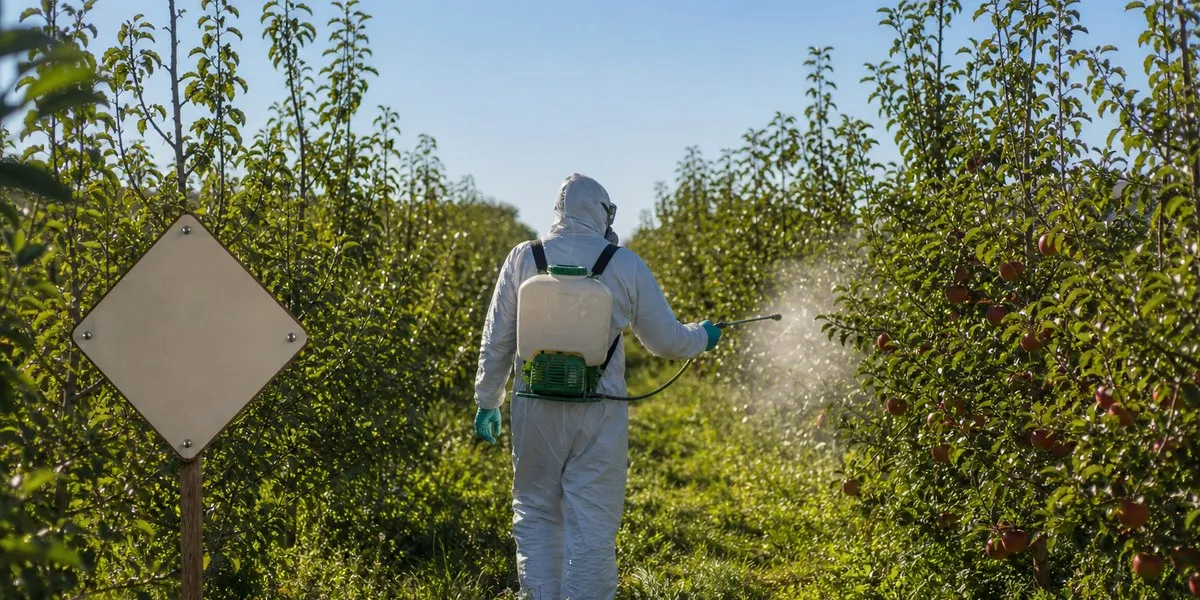
European-made agricultural pesticides were named in 1,605 poisoning reports recorded by Brazilian health authorities last year, raising renewed concerns about the international trade in chemicals that are prohibited for agricultural use in the European Union because of risks to human health and the environment.
An investigation by Unearthed and Public Eye found that approximately one-third of the identified cases involving European pesticide brands concerned products containing substances banned from use on EU farms. Although European regulations prohibit the agricultural application of certain chemicals, manufacturers can continue producing them for export to countries where their use remains legally authorised.
The findings have brought renewed attention to what campaigners describe as a double standard in the global pesticide industry: chemicals considered too hazardous for use in European agriculture can still be manufactured by European companies and supplied to farmers elsewhere.

The investigation examined Brazilian Health Ministry records covering suspected pesticide poisoning incidents in 2025. Of more than 6,700 medical reports involving agricultural pesticides, 2,857 identified a specific agricultural product. Among those reports, 1,605 named brands sold by European pesticide companies.
Of the 2,857 reports identifying a product, 1,420 were classified as confirmed poisonings. Another 1,108 were recorded as cases of exposure, while the remaining reports carried other or unknown classifications. The distinction is important because the appearance of a product’s name in a medical report does not, by itself, establish that the chemical caused a particular illness or death.
Under Brazilian law, healthcare professionals are required to submit reports of suspected pesticide poisoning to the country’s national disease notification system. Doctors and nurses who assess patients determine whether an incident should be recorded as confirmed poisoning or exposure. However, specialists say limited training, insufficient institutional support and the difficulty of obtaining laboratory evidence can make accurate diagnosis challenging.
Vanda Garibotti, a public health biologist at the State Centre for Health Surveillance in Rio Grande do Sul, said inadequate training among healthcare professionals was a major obstacle to recognising and managing pesticide-related illnesses. High staff turnover and a lack of institutional support also contributed to the limited use of laboratory tests, leaving many assessments dependent on clinical judgment.
The investigation documented accounts from Brazilian agricultural workers who described serious injuries and illnesses after coming into contact with pesticides. Their experiences included burning skin, breathing difficulties, vomiting and severe tissue damage. Some incidents involved accidental ingestion, while others were associated with deliberate consumption of agricultural chemicals.
One of the most frequently cited products was Reglone, a weedkiller containing diquat and manufactured by Swiss-headquartered Syngenta. The product is made at the company’s factory in Huddersfield, England, for export to markets where it is permitted, including Brazil. Diquat was banned for agricultural use in the European Union in 2019 and in the United Kingdom in 2020 following concerns about risks to workers, nearby residents and wildlife.
A particularly tragic case involved Nelson Castoldi, who died last year after accidentally drinking Reglone on his family’s farm in Rio Grande do Sul. His family had purchased the weedkiller in bulk to reduce costs and transferred a smaller quantity into an empty cola bottle rather than carrying a heavy container into the fields.
While working under intense sunlight, Castoldi mistook the dark chemical for a soft drink and swallowed some of it. Although he immediately spat it out, the substance caused severe damage to his kidneys and lungs. He died two days later.
His son, Ivan Castoldi, described the devastating impact of the death on the family. Their mother also died several months later after experiencing profound emotional distress, according to his account. He argued that the product should be prohibited in Brazil because of its toxicity, saying the danger extended beyond the tragedy suffered by his own family.
Brazilian health ministry records identified 75 cases involving diquat in 2025, compared with 36 cases over the five-year period between 2018 and 2022. Reglone was specifically named in 44 reports last year, including four deaths. Twenty-six of those reports were classified as confirmed poisonings, while the others were recorded under exposure, unknown or adverse-reaction categories.
Another product highlighted in the investigation was Dormex, which contains cyanamide. The chemical is manufactured in Germany by Alzchem and distributed in Brazil by BASF. Cyanamide was withdrawn from agricultural use in the EU in 2008 following concerns that exposure among agricultural workers could exceed safe levels.
Sidnei Souza de Oliveira, a 49-year-old Brazilian worker, described suffering a devastating leg injury after a container of Dormex spilled while he was transferring the chemical into a spraying tank. The handle of the container broke, allowing the substance to come into contact with his leg.
Initially, his skin became red, but he continued working. He said he spent another four days spraying before seeking medical treatment. His condition subsequently deteriorated, with the affected area turning black and pieces of damaged tissue falling away. Doctors had to remove dead tissue to prevent the injury from spreading towards the bone.
Oliveira said the protective trousers provided by his employer were too thin to prevent the chemical from reaching his skin. He also described feeling pressure to continue working because he feared losing his job if he remained away for an extended period. His account has highlighted concerns about the availability and effectiveness of protective equipment for people handling hazardous agricultural substances.
The investigation also identified Finale, a BASF product containing glufosinate, a chemical prohibited for agricultural use in the EU since 2018. Glufosinate is classified in the EU as toxic to reproduction because of its potential to harm fertility and the development of unborn children.
Glyphosate-based Roundup, manufactured by German chemical company Bayer, was also frequently named in Brazilian poisoning reports. The investigation identified reports involving 12 deaths in which Roundup was cited. Across all the reports identified as involving products sold by European companies, 32 deaths were recorded. Of these, 31 were classified as confirmed poisonings, and 26 were recorded as suicides.
The company figures included in the investigation showed that Syngenta products were cited 425 times and BASF products 179 times. These figures are not mutually exclusive because a single medical report could identify products sold by more than one manufacturer.
Campaigners said the findings demonstrated the human consequences of allowing hazardous agricultural chemicals to be manufactured in Europe for overseas markets. Nina Schrank, a senior campaigner at Greenpeace UK, described the situation as a deadly double standard and called on ministers to prevent Britain from producing pesticides considered too dangerous for domestic agricultural use.
The issue also raises wider questions about the international regulation of agricultural chemicals. European pesticide approval rules require substances to meet strict standards relating to human health, animal health and environmental protection. However, national regulatory systems elsewhere may reach different decisions based on their own assessments, agricultural conditions and pest-control requirements.
The investigation’s findings have prompted strong responses from the companies named in the reports. Syngenta challenged the way the data had been interpreted, arguing that almost half of the Brazilian cases attributed to the company were not classified as confirmed poisonings. It accused the investigation of overlooking the database’s final classifications and said it had identified other inconsistencies that raised concerns about the conclusions.
The company said every genuine poisoning incident deserved attention and maintained that Brazil operated its own regulatory system. It argued that pesticides prohibited in Europe could still be independently assessed and legally registered in other countries, where crops, growing conditions and pest pressures might differ. Syngenta also said it trained 95,000 people in Brazil in the safe use of its products during 2025, including through free online courses.
Bayer similarly questioned the reliability of the records, saying the products and circumstances involved in reported incidents had not always been independently verified. It argued that some chemicals might have been incorrectly identified and that symptoms such as headaches and skin irritation could have other causes. The company also said the name Roundup was sometimes used as a generic term for weedkillers produced by other manufacturers or counterfeit products.
Bayer maintained that its products were safe when used according to label instructions and said it provided training on safe handling, protective equipment and responsible application. Its programmes, the company said, reached more than four million people globally in 2025. It added that restrictions in one jurisdiction did not automatically establish that a product was unsafe under every country’s regulatory system.
BASF said it was deeply concerned about reports of poisoning potentially associated with its products and took such incidents seriously. The company said it had procedures to assess and investigate incidents, working with authorities and experts where appropriate. It also highlighted training initiatives in Brazil that reached more than 14,475 participants in 2025. BASF maintained that its products were safe when used in accordance with instructions and applicable regulatory requirements.
Beyond the competing claims, the investigation has drawn attention to the vulnerability of agricultural workers who may face exposure to dangerous chemicals while working with limited protective equipment, inadequate training or financial pressure to remain on the job. The cases also underline the importance of reliable medical reporting, stronger workplace safeguards and effective enforcement of pesticide regulations.

For families affected by accidental exposure, the consequences can extend far beyond the initial medical emergency. Serious injuries, long-term health problems and deaths can leave households facing emotional trauma and financial uncertainty. The debate over pesticide exports is therefore not only about differences between national regulatory systems but also about how governments and manufacturers address the risks faced by people working in agriculture.
The findings do not establish that every product named in a report caused the illness or death recorded in that case. Nevertheless, the scale of the reports, the accounts of injured workers and the presence of substances prohibited in Europe have intensified calls for greater transparency and stronger safeguards across international pesticide supply chains.
Related News:
 Millions Face Tougher Medicaid Rules From January
 UK Pharmacy Body Drops Teva After Ethical Concerns
 Controversial Vaccine Trial Approved in Guinea-Bissau
 Premier League Faces a Crisis of Trust After City Verdict
 Australian Advocates Seek Subsidised Drugs for PMOS
 Nigeria Confirms Ebola Case as Regional Outbreak Spreads
 Teenager Survives Six Nights Alone in Australian Wilderness
 Ukraine Urges UK to Seize Russian Oil Tankers
 Florida Surgeon ‘Devastated’ Over Fatal Surgery Error
 Barrister Criticises Trial After Suicide Case Verdict
 Maldives Cave Diving Tragedy Raises Safety Alarm
 Pope Meets Families in Italy Toxic Waste Zone
 Weight-Loss Drugs Offer Food Savings Mainly to High Earners
 Is America Ready for an AOC Presidential Run?
 Nepal Flood Survivors Face Unimaginable Loss
 Green Leader Targets Starmer’s Former Seat
 Trump Calls Iran War ‘Small Potatoes’ Despite US Deaths
 Nepal Tunnel Rescue Offers Hope Amid Flood Devastation
 Councils spend £125m on illegal children’s care
 Yemen War Displaces 125,000 as Fighting Intensifies
 NHS Breast Care Review Finds Serious Patient Harm
 Lib Dems Prepare for Election Amid Reform Challenge
 GP List Policy Risks Cutting Off Vulnerable Patients
 Elif Eralp Emerges as Berlin’s Next Political Force
 Lula accuses Trump of seeking control over Brazil
 Nepal PM calls deadly flood a global climate warning
 Economic growth and political strain reshape Benin
 UK University Strikes Spread as Financial Pressure Grows
 Burnham Opens Door to Possible UK Return to EU
 Drumcree Talks Falter as Legal Challenge Deepens
 UK-France Returns Deal Faces Expiry as Talks Stall
 Green Party faces dispute over Zionism motion
 Badenoch Raises Prospect of 2027 UK Election
 Experts Warn UK Food Security Is at Risk
 Latin America women fear rollback of rights
 WHO Says Russia Plague Epidemic Risk Remains Low
 Teenager Receives UK’s First Testicular Tissue Transplant
 India’s Youth Movement Alleges Mass Detentions Before Protest
 Gaza War Deepens India’s Strategic Ties With Israel
 Turkey Rules Out Troops in Saudi Arabia’s Houthi Conflict
 Bolsonaro Gains Key Endorsement Ahead of Brazil Runoff
 Trader Wins Unfair Dismissal Case After Overseas Work
 UAE Says Co-Pilot Planned Suicide Attack on Israel
 Hanson Attacks Taylor as Australian Conservatives Clash
 French Students Protest Poor Conditions in Paris Suburbs
 UK Greens Face Crisis Over Zionism and Extremism Row
 Bedbug Infestation Grounds Qantas Plane in Rome
 Elizabeth Struhs Inquest Examines Child Safety Failures
 Brazil Court Scandal Threatens Lula as Bolsonaros Rise
 Greta Thunberg Backs French Students in School Protests
 Ohio Airports Become Key Hubs for ICE Deportation Flights
 Senegal LGBTQ+ Crackdown Drives People Into Hiding
 Gadi Eisenkot: Israel’s Anti-Netanyahu Challenger
 Serbia Leader Linked to Controversial Trump Tower Plan
 French Police Face Scrutiny Over Injured Teenagers
 Climate Change Makes Tap Water Unsafe in Arctic Norway
 Milan Luxury Stores Shut as Italy Plans Troop Deployment
 Taylor Faces Backlash Over Response to Haines Attack
 Serbia’s Student Victory Sparks a ‘Smell of Freedom’
 Spain Mourns 68 Dead After High-Speed Train Crash
 Trump’s Global Policies Put Republicans at Risk
 Novaya Gazeta to Close After Russian Government Pressure
 Bedouin Women Drive Historic Arab Election Gains
 Alan Jones Trial Paused for Melbourne Cup Viewing
 Queensland Hospital to Close Labs After Safety Probe
 Australia Reviews UK Visa Rules Amid Worker Influx
 Cumbria Mental Health Hub Shows Early Promise
 ANC Faces Voter Backlash in South African Elections
 Exiled Journalists Defy Putin’s Growing Media Crackdown
 Paraguay President Impeached and Arrested After Banking Crisis
 Kraków Shooting Suspect Dies After Killing Six
 New Zealand’s Opportunity Party Challenges Populist Politics
 Pope Leo Rebukes Milei Over Argentina’s Austerity Policies
 Burnham’s Christmas Homelessness Pledge Faces Uncertainty
 One Nation Candidate Apologises for Offensive Posts
 Teenager Found Alive After Six Days Lost in Australian Bush
 Eisenkot Accuses Netanyahu of Racist Anti-Arab Campaign
 Trump, Xi and Putin Face Fears of a New Yalta
 Helen Haines Leaves Hospital After Double Amputation
 Spain Election Could Bring Far Right Back to Government