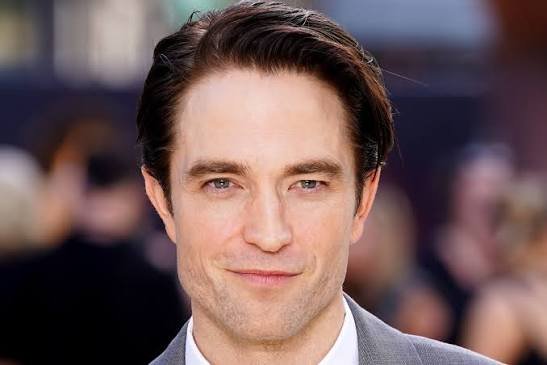
The long-running search for the next James Bond has finally reached its conclusion, with British actor Robert Pattinson officially announced as the new star of the iconic spy franchise. The casting decision marks the beginning of a new era for one of cinema’s most recognisable characters, but securing the leading actor is only the first major step in bringing the next 007 adventure to the big screen. With a screenplay still undergoing development, supporting roles yet to be filled, production arrangements to finalise and a global marketing campaign to organise, Amazon MGM now faces the enormous task of shaping the future of a franchise that has entertained audiences for more than six decades.
Pattinson’s appointment has attracted considerable attention across the international film industry. Although he was never considered a guaranteed choice, his name had increasingly emerged as a leading possibility during the final stages of the casting process. Reports that the producers had become dissatisfied with their initial shortlist and subsequently considered Pattinson alongside fellow actor Nicholas Hoult suggested that the traditional approach to selecting a relatively less established Bond actor might be changing.

Pattinson’s experience in major film franchises appears to have strengthened his position. He became internationally recognised through the Twilight series, later established himself as a major Hollywood performer and subsequently took on prominent roles in The Batman and Dune. His career also includes a range of independent and critically recognised performances, demonstrating an ability to move between commercially successful productions and more demanding dramatic projects.
That combination of international popularity and acting experience makes him an attractive choice for a franchise that needs to appeal to audiences across different generations. His appointment also signals that Amazon MGM is willing to take a different approach to the future of James Bond following its involvement in the franchise.
The announcement itself represented a departure from traditional Bond casting ceremonies. Previous actors, including George Lazenby, Roger Moore and Pierce Brosnan, were officially introduced through carefully organised press events, often held at prestigious London venues. Pattinson’s selection, by contrast, was announced through social media posts by Amazon MGM.
The decision appears to reflect the changing nature of entertainment promotion, where digital platforms allow studios to reach millions of fans immediately. Social media announcements can generate considerable engagement and encourage worldwide discussions, particularly for a franchise with such a large international following. Nevertheless, some traditional Bond enthusiasts may have preferred a more elaborate presentation that reflected the importance of the character’s legacy.
Amazon MGM could still organise a major public event to introduce Pattinson formally to the Bond audience. A fan convention or an appearance at an established James Bond supporters’ gathering could provide an opportunity to celebrate the new actor and generate further excitement before production begins.
However, the studio’s immediate priority will be getting the 26th official James Bond film, commonly referred to as Bond 26, into production. The screenplay will be one of the most important elements determining whether Pattinson’s interpretation can successfully establish a new direction for the franchise.
Steven Knight, the creator of the television series Peaky Blinders, has been appointed to write the screenplay and has reportedly completed an initial draft. His involvement has generated expectations that the next Bond adventure could combine sophisticated storytelling with the action and suspense traditionally associated with the series.
Nevertheless, completing an initial screenplay does not necessarily mean the story is ready for filming. Previous Bond productions have frequently undergone extensive revisions, with producers requesting changes and additional writers becoming involved to refine dialogue, characters and narrative structure.
The challenge is considerable. A successful Bond film must be understandable and entertaining to international audiences while maintaining a complex espionage narrative involving deception, political intrigue and unexpected developments. It must also include large-scale action sequences, memorable antagonists and the personal relationships that have traditionally formed part of the franchise.
Modern audiences also expect greater psychological depth from major action characters. Recent Bond films have explored themes including trauma, emotional vulnerability, personal relationships and the consequences of a life spent working in dangerous circumstances. The next production will need to decide how much of this modern approach should remain while preserving the character’s traditional identity.
Another important question concerns the supporting cast. Although Pattinson will occupy the central role, the success of a Bond film depends heavily on the actors surrounding him. The franchise traditionally features powerful villains, intelligence officials, allies, romantic interests and supporting characters who contribute to the wider narrative.
The producers will therefore need to identify at least one compelling antagonist capable of challenging the new Bond. Previous films have demonstrated how an effective villain can become one of the most memorable elements of a production. Casting decisions will also be important for the supporting female characters, as there is currently little indication that Amazon MGM intends to abandon the traditional Bond girl concept entirely.
Margaret Qualley has been mentioned in discussions surrounding possible casting, although no confirmed supporting cast has been announced. Until the screenplay and production requirements become clearer, speculation about additional actors is likely to continue.
The film’s director is another major figure in the project’s development. Denis Villeneuve, known for directing Dune, Blade Runner 2049 and Arrival, has been selected to lead the new Bond production. His appointment represents a significant departure from the approach traditionally favoured by the franchise’s previous producers, Barbara Broccoli and Michael G Wilson, who generally preferred directors working on a more controlled scale.
Villeneuve has established a reputation for visually ambitious filmmaking, detailed world-building and carefully constructed narratives. His experience with large-scale productions could give the next Bond film a distinctive cinematic identity. However, directing a James Bond production also involves working within an established cultural institution with a loyal international audience.
Balancing creative independence with the expectations associated with the franchise will be one of Villeneuve’s biggest responsibilities. His approach to action, visual storytelling and character development could determine how audiences perceive Pattinson’s first appearance as the famous British intelligence agent.
Production scheduling is another important consideration. Industry expectations suggest that filming could begin in 2027, with a potential theatrical release in November 2028. These dates have not been established as a final confirmed production schedule, but they provide an indication of the possible timeline.
Pattinson’s other major commitment is The Batman Part II, the sequel to his successful superhero film. The project’s recently announced delay could give him greater flexibility to prepare for the Bond role. Developments surrounding the wider DC Studios leadership and production environment may also influence his availability and future scheduling.
Commercial partnerships will form another important part of the production strategy. James Bond has traditionally maintained a close relationship with luxury brands, automobile manufacturers, watchmakers and other companies. Product placement has helped support the franchise’s financial model while giving commercial partners access to an internationally recognised entertainment property.
Amazon MGM may decide to continue this approach, potentially using Pattinson’s appearance as Bond to promote a range of products through advertising campaigns and commercial collaborations. Such arrangements could generate additional promotional exposure while helping support the financial demands of a major international production.
The marketing strategy could also be considerably different from previous Bond campaigns. As a major global entertainment company, Amazon MGM has access to extensive digital distribution and promotional platforms. Its ability to combine traditional cinema advertising with online campaigns could give the new film an enormous international marketing reach.
Music will be another important element. The Bond theme song has historically played a significant role in establishing the identity of individual films, with major international performers contributing memorable musical productions. Although no artist has been confirmed for the next instalment, the selection of a singer and the creation of an original theme could become an important part of the promotional campaign.
The film’s title is also yet to be announced. Bond productions have traditionally generated considerable speculation over their titles, with fans analysing every available clue before the official announcement. The eventual name of Bond 26 will help establish the film’s identity and provide an early indication of its storyline or central themes.
Once production is completed, Amazon MGM is expected to organise a major international promotional campaign. This could include premieres in several major cities, appearances by Pattinson and the supporting cast, interviews, television promotions and extensive digital advertising. Such a campaign would be designed to build worldwide excitement while encouraging audiences to experience the film in cinemas.
The financial expectations are particularly significant. Daniel Craig’s final three Bond films collectively generated approximately $3.57 billion at the global box office. That commercial success established an impressive benchmark for the next generation of the franchise. Although Pattinson brings considerable international recognition, the producers will still need to deliver a film capable of attracting both long-standing Bond supporters and younger audiences discovering the character for the first time.

Ultimately, announcing Robert Pattinson as James Bond has answered one of the biggest questions surrounding the future of the franchise, but it has created several new ones. The screenplay, supporting cast, production schedule, creative direction, title and promotional strategy will all influence the success of the next instalment.
For Amazon MGM, the responsibility extends beyond producing another commercially successful action film. It must preserve the cultural identity of James Bond while introducing a fresh interpretation capable of remaining relevant in a rapidly changing entertainment industry. Pattinson’s appointment provides the franchise with a new leading figure, but the real test will come when audiences finally see his interpretation of 007 on the big screen.
Related News:
 Susan Sarandon Says Palestine Stand Costs Roles
 Joni Mitchell Becomes US Citizen After 62 Years
 Hello Kitty Maker Ends Japanese Drama Partnership
 Top Christmas Books Reads: Classics to Cozy Romcoms
 Two National Guard Soldiers Critically Injured Near White House
 American Mother Extradited From UK to U.S. on Murder Charges
 US Cities Erupt in Protests Against Trump’s Venezuela Military Action
 Trump Says US Must ‘Own’ Greenland to Block Russia, China
 Thousands Protest ICE Operations in Nationwide US Day of Action
 Epstein Files Reveal Trump Officials’ Emails with Financier
 Thousands Protest ICE in New York Against Trump Deportation Campaign
 Buffalo Refugee Tragedy: Border Patrol Neglect Leads to Death
 Clinton Testimony Erupts in Fiery Exchange
 Army Probes Apache Flyover at Kid Rock’s Nashville Estate
 US Senators Slam Ticketmaster Over Sneaky New Fee Hikes
 US Airman Rescued in Daring Mission After F-15 Shot Down in Iran
 UK Stands Firm on Falklands Amid US Rift
 Trump orders US troop pullout from Germany
 Judge halts deportation of Yemeni refugees in US
 Trump approval plunges amid Iran war fears
 Ohio’s Battle for Trust: Democrats Vying to Flip the Buckeye State
 Trump warns Iran as Middle East tensions surge again
 US ‘Narco Boat’ Strikes Draw Global Outcry
 Ohio Primaries Set Stage for Crucial Midterms
 Afghan Families Left in Limbo Face Risk of Deportation
 Tensions Emerge in Netanyahu-Trump Alliance
 US Awaits Iran Reply on New Ceasefire Proposal
 Fear and Betrayal: The Chilling Case of Kouri Richins
 Hormuz Talks Near Critical Stage
 House Curbs Trump’s War Powers in Rare Rebellion
 Houthis Strike Saudi Arabia as Middle East Tensions Rise
 Trump Hardens Canada Trade Stance as Talks Stall
 Trump Calls Iran War ‘Small Potatoes’ Despite US Deaths
 US Networks Suspend Trump White House Pool Coverage
 Trump gives Xi red-carpet welcome as trade truce extends
 Xi urges Trump to avoid US-China military conflict
 Lula accuses Trump of seeking control over Brazil
 Republican Senator Questions Trump Ad Spending
 Oasis Recordings Pulled From Auction After Legal Action
 Brazil Election Draws Religion Into Final Campaign
 Lula Warns of Bolsonaro Family Return as Brazil Votes
 Families Await USS Abraham Lincoln Homecoming
 Quebec separatists return to power without majority
 Canadian Veterans Condemn Trump Allies’ Military Remarks
 Argentina Protesters Resist Milei’s Land Sale Drive
 Okinawa US Troops Face Curfew After Murder Case
 Vance Demands Iran Cut Nuclear Enrichment
 Trump Says He Deserves Nobel Peace Prize
 USS Lincoln Ends Record 265-Day Deployment
 Israel Promotes Film Challenging Controversial Gaza Documentary
 Trump Rules Out Iran Attack Before US Elections
 Trump’s Russian Diesel Deal Sparks Ukraine Fury
 Panama Hit by Powerful 7.7-Magnitude Earthquake
 Trump Names Katie Zachariah as Next White House Press Secretary
 Brazil Court Scandal Threatens Lula as Bolsonaros Rise
 Millions Face Tougher Medicaid Rules From January
 Trump Rallies GOP as Senate Democrats Boost Key Races
 Aardman Cuts Losses but Fails to Return to Profit
 Serbia Leader Linked to Controversial Trump Tower Plan
 Omar Claims US Raid on Residence Was Meant to Intimidate
 Lula Supporters Make Final Push Ahead of Brazil Runoff
 Rubio Urges Cubans to Seize Moment for Change
 US Bans BYD Vehicles at Japan Military Base
 Flávio Bolsonaro Reportedly Leaves Brazil After Election Defeat
 Fed Expected to Hold Rates Steady Ahead of US Midterms
 Trump’s Global Policies Put Republicans at Risk
 Global Crises Test Diplomacy as Trump’s Policies Face Scrutiny
 Haley Stevens Backs Republican Rival in Michigan Senate Race
 James Talarico Makes History with Texas Senate Victory
 Hegseth Faces Growing Pressure After GOP Election Defeat
 Trump-Backed Republicans Suffer Major Midterm Defeats
 Paraguay President Quits After Major Bank Collapse
 Zelenskyy Seeks Urgent Help as Russia Hits Ukraine’s Power Grid
 Democrats Expand House Majority in Major Midterm Victory
 Trump appoints Stephen Miller as White House chief of staff
 Trump Admits Deportation Policy Was Too Tough
 US Moves Aircraft From UK Base Amid Iran Threat
 US Treasury Chief Moves to Military Base Over Iran Threat
 Pentagon Claims Victory as Hegseth Impeachment Bid Stalls
 Charlotte Kirk Reclaims Control of Her Hollywood Career