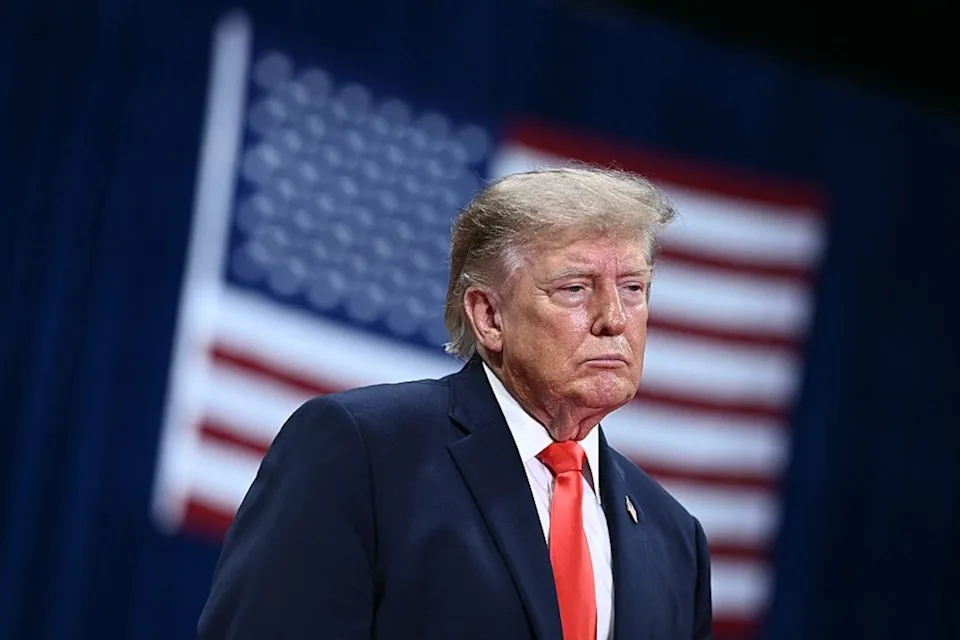
US President Donald Trump has acknowledged that his administration’s aggressive deportation policy may have gone too far, admitting that the crackdown on undocumented immigrants has become a political liability. In an unusual concession following the Republican Party’s disappointing performance in the midterm elections, Trump has also expressed willingness to negotiate an immigration agreement with Democrats that could allow some long-term undocumented residents to remain in the United States.
The president made the remarks during an interview on CBS’s renowned 60 Minutes programme, broadcast on Sunday. Speaking to correspondent Ross Douthat, Trump was asked whether his administration’s immigration enforcement strategy had become excessively harsh. His response marked a notable departure from his previous uncompromising defence of mass deportations.
“I think it was too tough,” Trump acknowledged, adding that although many Americans supported the crackdown, others believed the administration had gone too far. His comments represent one of the clearest indications that the White House is reconsidering the political consequences of a policy that has been central to Trump’s second presidency.

Immigration enforcement has remained one of Trump’s most prominent political commitments since he returned to the White House. His administration expanded operations by Immigration and Customs Enforcement (ICE), targeting workplaces, residential areas and public spaces in an effort to identify and remove undocumented immigrants. However, the increasingly aggressive operations have generated widespread controversy, particularly after reports emerged that individuals without criminal records were also being detained.
The enforcement campaign has affected immigrant families, disrupted communities and created an atmosphere of uncertainty among people living in the country without legal immigration status. Some operations have also attracted criticism following the separation of families and the detention of individuals who had established long-standing personal and professional connections in the United States.
The controversy intensified following the fatal shootings of two American citizens, Renee Good and Alex Pretti, by federal agents during immigration-related operations in Minneapolis earlier this year. The incidents raised serious questions about the conduct of federal enforcement officers and the broader consequences of the administration’s approach to immigration control.
During the interview, Trump attempted to defend the achievements of his immigration policy while acknowledging its shortcomings. He argued that the administration had received strong public support for securing the southern border and removing individuals involved in serious criminal activities. However, he conceded that the crackdown had also affected people who were working, contributing to the economy and maintaining otherwise lawful lives.
Trump said his administration had suffered politically because some people with established jobs and businesses were removed simply because they had entered the country illegally. He suggested that the public had increasingly begun distinguishing between dangerous criminals and undocumented immigrants who had spent years working and supporting their families in America.
The president indicated that people who had lived in the United States for 10 or 15 years, maintained employment and paid taxes could potentially qualify for an arrangement allowing them to remain in the country. He specifically referred to individuals working in sectors such as landscaping, suggesting that their contributions to the economy should be considered when determining their immigration status.
His proposal would maintain strict enforcement against individuals convicted of serious crimes, including murder, rape and drug trafficking, while potentially offering a different approach to long-term undocumented residents without serious criminal records.
Trump expressed confidence that such an arrangement could be negotiated with Democrats, suggesting that some members of the opposition party had already approached him about reaching an agreement. He also indicated that he would be willing to moderate his confrontational political language if doing so helped secure a compromise.
Asked whether he could avoid personal attacks and name-calling for six months to facilitate an agreement, Trump replied that he could do so very easily. The response suggested an unusual willingness to adjust his political approach following the electoral setback.
However, his remarks appeared to contrast with his decision on Friday to elevate Stephen Miller, one of the principal architects of his administration’s hardline immigration strategy, to the position of White House chief of staff. Miller has been closely associated with the administration’s aggressive deportation agenda, making his promotion particularly significant at a time when Trump is publicly acknowledging the political costs of that approach.
The apparent contradiction has raised questions about the direction of immigration policy during the remainder of Trump’s presidency. While the president appears interested in finding political common ground with Democrats, Miller’s growing influence suggests that the administration may not be prepared to abandon its central enforcement objectives.
Beyond immigration, Trump also discussed the political consequences of the Republican Party’s midterm election defeat. He acknowledged that the conflict involving Iran and rising petrol prices had contributed to the party’s poor performance. He agreed with Vice-President JD Vance’s assessment that the war had become a significant factor in the election outcome.
Trump also referred to growing public dissatisfaction with Israel, suggesting that changing attitudes towards the country had influenced the political environment. Nevertheless, he continued to defend his decision to undertake military action against Iran, insisting that preventing Tehran from obtaining nuclear weapons remained a national security priority.
Asked whether he would make the same decision again, Trump gave an emphatic affirmative response. He maintained that the military campaign had achieved its objectives and expressed confidence that Iran would eventually agree to negotiate a settlement.
At the same time, he acknowledged that the decision might not have been popular among voters in the immediate aftermath of the conflict. He suggested that its historical significance could eventually be viewed more favourably, even if the short-term political consequences had been damaging.
Trump also indicated that he did not intend to escalate the conflict following the midterm elections. His comments appeared to reflect an awareness that continued international tensions could create additional political and economic difficulties for his administration.
The economy was another major subject during the interview. Despite repeatedly highlighting employment, investment and stock market performance as evidence of economic progress, Trump admitted that his administration had failed to communicate its achievements effectively to ordinary Americans.
He described the problem as poor messaging and accepted that some responsibility might rest with him personally. The acknowledgement came as economic concerns, particularly rising fuel costs and household financial pressures, remained important issues for voters.
The president also expressed a degree of openness towards introducing safeguards for artificial intelligence. Although he had previously favoured allowing technology companies considerable freedom to regulate their own activities, he indicated that he would not oppose reasonable government oversight.
Trump said he did not object to establishing guardrails for artificial intelligence but warned against regulations that could place the United States at a disadvantage compared with international competitors. His remarks reflected the administration’s continuing effort to balance technological development, national competitiveness and public protection.
The interview also raised questions about the substantial increase in Trump’s personal wealth since his return to the White House. Correspondent Douthat referred to a Forbes estimate suggesting that the president’s net worth had increased by approximately $3 billion between the autumn of 2024 and the autumn of 2025.
Trump initially attributed the increase to broader stock market performance and said his financial affairs were managed by his son. However, questions about his family’s cryptocurrency business, World Liberty Financial, brought further attention to the issue.
The company, in which Trump is a co-owner, has attracted investment from individuals connected to the United Arab Emirates. Asked about the business and its financial activities, Trump defended his position by saying that he knew nothing about it.
Dan Alexander, a senior editor at Forbes who tracks the wealth of prominent individuals, challenged the president’s explanation. He argued that the increase in Trump’s fortune could not be attributed solely to rising stock market values.
According to Alexander’s assessment, several factors contributed to the increase, including cryptocurrency ventures that generated more than $1 billion in proceeds, the appreciation of digital tokens retained by Trump, overseas licensing agreements that increased the value of his branding business and the removal of an almost $500 million financial penalty in his New York civil fraud case.
The discussion also turned towards the future leadership of the Republican Party and the possibility of a succession contest ahead of the 2028 presidential election. Trump suggested that he might eventually endorse a candidate but had not yet decided whether to become directly involved in the process.
He praised Secretary of State Marco Rubio and described the Republican Party as having several strong potential presidential candidates. Although he recognised the considerable influence of his endorsement, he also suggested that remaining outside the contest might be a wiser decision.
Trump expressed confidence that the Make America Great Again movement could survive beyond his own political leadership. He identified strong border security and military strength as two of its central principles, suggesting that these priorities would continue to shape the Republican Party.
One of the most striking moments came towards the conclusion of the interview, when Douthat asked whether Trump could forgive political opponents, including former FBI director James Comey and former House speaker Nancy Pelosi.
The president responded that he could not forgive some of his political enemies, even when considering the prospect of divine judgment. Douthat challenged the answer, reminding Trump of the extraordinary opportunities and achievements in his life and questioning whether forgiveness should be possible after receiving so much.
Despite the appeal, Trump remained firm, saying that he hated some of his enemies and believed he always would.

Asked how he expected history to remember his presidency, Trump offered a brief but confident answer: “That I made America great again.”
His interview revealed a president attempting to defend his political record while acknowledging that several defining policies have created significant electoral challenges. The willingness to reconsider deportation measures, negotiate with Democrats and acknowledge shortcomings in economic communication may indicate a more politically cautious approach in the coming months.
However, the promotion of Stephen Miller, continued defence of military action against Iran and Trump’s uncompromising attitude towards political opponents suggest that fundamental elements of his governing philosophy remain unchanged.
Whether the proposed immigration compromise develops into a concrete agreement will depend on negotiations with Democrats and the administration’s willingness to translate Trump’s remarks into policy changes. For now, his admission that the deportation crackdown was too tough represents a significant moment in the political aftermath of the Republican midterm defeat.
Related News:
 US ‘Narco Boat’ Strikes Draw Global Outcry
 Gunman Killed After White House Security Shootout
 Latin America women fear rollback of rights
 Japan PM condemns alleged killing by US Marine
 Trump Administration Threatens California Election Officials
 Omar Claims US Raid on Residence Was Meant to Intimidate
 Trump’s Midterm Campaign Faces Racism and Political Backlash
 Flávio Bolsonaro Reportedly Leaves Brazil After Election Defeat
 Paraguay President Impeached and Arrested After Banking Crisis
 Ukraine-Russia war latest: Putin’s troops exploit bad weather to force Kyiv withdrawal from multiple towns
 Greene Pushes Epstein Files Amid Trump Fallout
 Venezuela Threatens Nobel Winner Machado with Fugitive Status
 Trump Envoy to Discuss Ukraine Peace at Kremlin
 Two National Guard Soldiers Critically Injured Near White House
 American Mother Extradited From UK to U.S. on Murder Charges
 Thousands Protest ICE Operations in Nationwide US Day of Action
 Epstein Files Reveal Trump Officials’ Emails with Financier
 Thousands Protest ICE in New York Against Trump Deportation Campaign
 Clinton Testimony Erupts in Fiery Exchange
 Melania Trump Epstein remarks spark survivor backlash
 UK Stands Firm on Falklands Amid US Rift
 Trump orders US troop pullout from Germany
 Judge halts deportation of Yemeni refugees in US
 Trump approval plunges amid Iran war fears
 Ohio’s Battle for Trust: Democrats Vying to Flip the Buckeye State
 Afghan Families Left in Limbo Face Risk of Deportation
 Tensions Emerge in Netanyahu-Trump Alliance
 US Awaits Iran Reply on New Ceasefire Proposal
 DeSantis’s ‘Alligator Alcatraz’ Faces Final Shutdown
 House Curbs Trump’s War Powers in Rare Rebellion
 Ukraine Creates Long-Range Strike Command
 Houthis Strike Saudi Arabia as Middle East Tensions Rise
 Ukraine Villagers Demand Answers After Deadly Arms Depot Strike
 Trump Hardens Canada Trade Stance as Talks Stall
 Trump Calls Iran War ‘Small Potatoes’ Despite US Deaths
 Israel Accused of Undermining Palestinian Life
 US Networks Suspend Trump White House Pool Coverage
 Democrat Says ICE Restricted Detention Camp Oversight
 Japan PM Backs International Criminal Court
 Xi urges Trump to avoid US-China military conflict
 Lula accuses Trump of seeking control over Brazil
 Republican Senator Questions Trump Ad Spending
 Brazil Election Draws Religion Into Final Campaign
 French School Protests Escalate as 400 Schools Close
 Lula Warns of Bolsonaro Family Return as Brazil Votes
 Families Await USS Abraham Lincoln Homecoming
 Quebec separatists return to power without majority
 Iran Nobel Laureate Reveals Prison Torture and Fears
 Canadian Veterans Condemn Trump Allies’ Military Remarks
 Argentina Protesters Resist Milei’s Land Sale Drive
 Former German Intelligence Chief Arrested Over Espionage
 Okinawa US Troops Face Curfew After Murder Case
 Vance Demands Iran Cut Nuclear Enrichment
 Trump Says He Deserves Nobel Peace Prize
 USS Lincoln Ends Record 265-Day Deployment
 Israel Promotes Film Challenging Controversial Gaza Documentary
 Trump Rules Out Iran Attack Before US Elections
 EU Divisions Deepen Over Israel Policy
 Trump’s Russian Diesel Deal Sparks Ukraine Fury
 US Execution Livestream Plan Sparks Global Outrage
 Trump Names Katie Zachariah as Next White House Press Secretary
 Brazil Court Scandal Threatens Lula as Bolsonaros Rise
 Millions Face Tougher Medicaid Rules From January
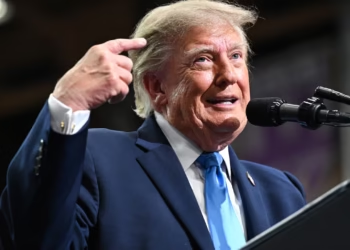 Trump Rallies GOP as Senate Democrats Boost Key Races
 Serbia Leader Linked to Controversial Trump Tower Plan
 Milan Luxury Stores Shut as Italy Plans Troop Deployment
 Zelenskyy Says US Failed to Warn Kyiv of Russian Strikes
 Lula Supporters Make Final Push Ahead of Brazil Runoff
 Rubio Urges Cubans to Seize Moment for Change
 Fed Expected to Hold Rates Steady Ahead of US Midterms
 Trump’s Global Policies Put Republicans at Risk
 Global Crises Test Diplomacy as Trump’s Policies Face Scrutiny
 Haley Stevens Backs Republican Rival in Michigan Senate Race
 James Talarico Makes History with Texas Senate Victory
 Hegseth Faces Growing Pressure After GOP Election Defeat
 Trump-Backed Republicans Suffer Major Midterm Defeats
 Paraguay President Quits After Major Bank Collapse
 Zelenskyy Seeks Urgent Help as Russia Hits Ukraine’s Power Grid
 Democrats Expand House Majority in Major Midterm Victory
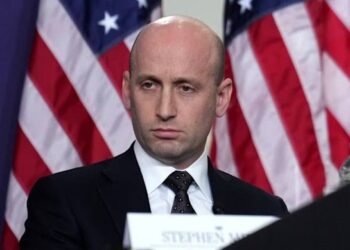 Trump appoints Stephen Miller as White House chief of staff