Published: 01 July 2026. The English Chronicle Desk. The English Chronicle Online.
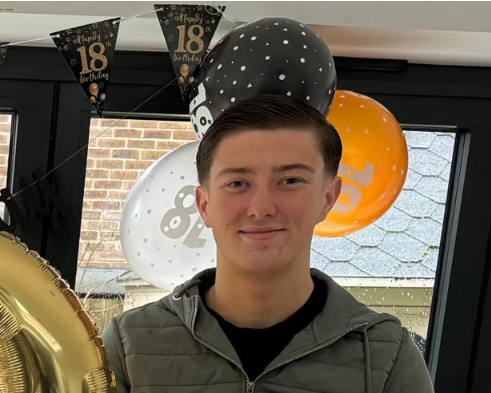
The tragic loss of a young life always leaves a profound mark on a community. In December 2025, the vibrant city of Southampton became the backdrop for a truly horrifying incident. An eighteen-year-old student named Henry Nowak was fatally stabbed during a sudden and violent confrontation. The perpetrator of this terrible crime was subsequently identified as a young man named Vickrum Digwa. This senseless act of violence immediately cut short a life filled with immense future promise. The initial shock of the murder sent ripples of grief across the entire local area. Family members and close friends were left completely devastated by the sudden, heartbreaking loss. As the community mourned, the legal system rapidly swung into motion to address the crime.
However, the tragedy did not simply end with the arrest of the violent attacker. New details began to emerge regarding the specific nature of the initial police response. It became clear that the first moments after the stabbing were fraught with confusion. When police officers arrived at the scene, they faced a highly chaotic and tense environment. Vickrum Digwa chose to fabricate a completely false narrative to protect himself from justice. He loudly claimed to the responding officers that he was the actual victim here. Specifically, he asserted that he had just survived a viciously motivated racist attack. This deliberate deception fundamentally altered how the officers initially perceived the entire critical situation. They quickly made decisions that would soon become the subject of intense public scrutiny.
Instead of receiving immediate medical aid, Henry Nowak was treated as a dangerous suspect. Officers chose to handcuff the dying teenager while he lay on the ground. This action occurred despite the fact that Nowak was visibly suffering from severe wounds. The injured student repeatedly told the officers that he had been seriously stabbed. Furthermore, he explicitly communicated to them that he was struggling to breathe properly. Despite these clear and desperate warnings, the emergency response focused heavily on restraint. The decision to prioritise handcuffs over immediate medical care shocked many external observers later. This particular choice by the officers forms the core of a growing controversy. The family of the victim expressed deep outrage over how he was treated.
The Independent Office for Police Conduct initially approached the matter with standard procedures. They began by treating the responding officers purely as witnesses to the event. This designation implied that investigators initially saw no evidence of potential officer wrongdoing. For months, this official stance remained the baseline for the ongoing independent review. However, the legal and social landscape surrounding the case began to shift significantly. The Nowak family and their legal representative refused to let the matter rest quietly. They requested formal meetings with the leadership of the police watchdog organisation. During these discussions, the family presented their profound concerns about the initial response. They subsequently filed a formal, detailed complaint regarding the actions of the officers.
Following these meetings, the independent watchdog made a pivotal decision to change its view. On Wednesday, the organisation officially escalated the status of the two responding officers. They are now facing a formal investigation for potential gross misconduct during duty. This development marks a major turning point in the quest for total accountability. The watchdog stated that new evidence required a re-examination of the initial timeline. Investigators will now look closely at the specific decisions made on that night. They want to determine why crucial medical assistance was apparently delayed so long. The shift from witness status to a misconduct investigation carries significant professional weight. It indicates that serious systemic or individual failures may have actually occurred.
A major element of this new investigation involves the potential influence of prejudice. The watchdog will explicitly examine whether race played a role in officer decisions. They need to discover if the background of either family affected the response. Investigators want to know if assumptions about community tensions guided the police actions. This aspect of the inquiry has drawn substantial attention from the wider public. The case had already triggered intense commentary across various social media platforms. Some political groups claimed the incident reflected an underlying bias within the system. These assertions added a layer of cultural tension to an already sensitive case. The official inquiry aims to separate factual evidence from politically charged public rhetoric.
According to an official statement, the two officers arrived very late that evening. They were the absolute first emergency responders to reach the active crime scene. The evidence suggests they may have breached several vital professional behaviour standards. These standards include the basic duties and responsibilities expected of all officers. There are also serious questions regarding the appropriate use of physical force here. Furthermore, the watchdog is looking into potential counts of overall discreditable conduct. These specific allegations point toward a failure to recognise urgent medical distress quickly. The officers apparently failed to act after Nowak stated he could not breathe. This sequence of events raises troubling questions about standard emergency training procedures.
There is also an indication that one officer showed a lack of respect. Reports suggest this individual appeared to dismiss Nowak’s claims of being stabbed. Such behaviour would violate the core standards of authority, respect, and courtesy. A representative from the watchdog, Derrick Campbell, spoke openly about these critical steps. He confirmed that investigators met directly with the Nowak family earlier this month. This meeting allowed for a deeply thorough discussion of the independent investigation. The dialogue occurred immediately after the primary criminal proceedings had finally concluded. Campbell emphasised that the organisation is legally obliged to review evidence constantly. When potential misconduct is discovered, the watchdog must act firmly and transparently.
The public confidence in the regional police force has clearly been harmed. Campbell acknowledged this widespread loss of trust as a major factor in reviews. The serving of misconduct notices does not guarantee that final discipline follows. It represents a formal stage where evidence is gathered under strict legal guidelines. At the conclusion of the inquiry, a final decision will be made. Officials will determine whether a full disciplinary panel is required for them. Meanwhile, the investigation will contrast the treatment of the two young men. Investigators want to know why Digwa was not immediately placed in handcuffs. This disparity in physical restraint remains a primary point of family concern.
The broader goal of the watchdog includes improving national policing policies overall. They want to identify whether force procedures require urgent updating after this. Changes to national practice could prevent similar tragedies from occurring in future. On the criminal side, Vickrum Digwa has already faced a full trial. He was rightfully convicted of murder and received a mandatory life sentence. The court dictated that he must serve a minimum of twenty-one years. However, senior government law officers believe this specific sentence is unduly lenient. They have officially launched an appeal to increase the minimum time served. This legal move shows that the case remains active on multiple fronts. The pursuit of total justice for Henry Nowak continues to move forward.
Related News:
 Peterborough Mosques Tighten Security After Attack
 Five More Prisoners Freed by Mistake in Essex Week
 Nearly 48,000 Zombie Knives Removed from UK Streets in a Year
 Afghan man charged with murder after west London knife attack
 FBI Director Kash Patel Defends Girlfriend Amid Government Jet Claims
 Trump Speaks on Prince Andrew’s Royal Scandal Fallout
 Man Charged Over Cambridgeshire Train Stabbing
 Experts Warn on Home Birth Risks, Call for Skilled Midwives
 French Taxi Driver Cleared in David Lammy Theft Case After Fare Dispute
 UK Bans Fake Numbers: Scammers Lose Their Trick
 Just Stop Oil Protesters Convicted Amid Climate Defence Row
 Met Police Culture Makes Racial Harm ‘Inevitable’
 British Grandmother to Return Home After Death Sentence in Bali
 Eleven Arrested After Pro-Palestine Protest at Villa Match
 Jailed UK climate protesters face extremist-style restrictions
 Boris Johnson accused of undermining BBC leadership
 Remaining rebel Labour MPs have whip restored
 How to get help when a child goes missing – call 999 urgently
 ‘Reckless’ cuts to victims’ services will cost more than they save
 BBC Faces Backlash as Reform UK Withdraws from Film
 Madeleine McCann Suspect Forced into Woodland Hideout After Release
 Leading doctors issue warning amid ‘bad’ flu season
 ‘Fever Pitch’ Screaming: Red Flags Before Sara Sharif’s Death
 Met Police Clarifies Scale of Grooming Gang Cases
 ‘Fake Admiral’ Sparks Outrage at Remembrance Event
 Criminal Gangs Pose as Truckers to Hijack UK Supply Chains
 Mum Calls for New Licence Rules After Teen Road Death
 UK Candidate Moved to Safe House After Election Threats
 Paralegal Fired After Exposé on Illegal Worker Scam
 Dan Wootton Rejects Catfishing Allegation in Court
 Mother Watches in Horror as Teen Daughter Dies on Tracks
 Serial Rapist and Former Cop Found Guilty Again
 Podcaster Faces Abuse Charges Over Controlling Behaviour
 Police Name Woman Who Died in Swindon as Murder Probe Continues
 Inside the Helpline Protecting Missing Children in the UK
 Most Tories Expect to Support a Farage-Led Government
 Swindon Counsellor Dies; Teen Arrested and Released
 Carer’s Allowance Chaos Draws Parallels With Post Office Scandal
 DWP to Reassess Hundreds of Thousands in Carer Allowance Scandal
 Gardener Guilty of Brutal Attack on Teacher Partner
 Ex-Classmate Accuses Farage of Dishonesty on Racism Claims
 Sudanese Family Vows to Stay After Racist Graffiti
 Russell Brand Faces New Sexual Offence Charges Including Rape
 Met Police Vetting Failures Let Serial Rapists Remain
 New Documentary Examines Teen’s Zombie Knife Murder
 Woman Jailed for Life After Killing E-Bike Rider in Tragic Mistaken Identity Case
 ‘It’s a Complete Scandal’: Aristocrat’s Fight for Prison Children
 Police response times face strict new national limits
 Wigan lottery drugs case exposes vast counterfeit empire
 School vetting failure exposed by London abuse case
 Man Arrested After University of Lancashire Student Found Dead
 Kingsbury stabbing probe led by counter-terror police
 Children to Receive Early Support After Knife Incidents
 London school stabbing: 13-year-old boy charged with attempted murder
 Epstein UK Flights Under Police Scrutiny
 Northampton Skate Park Stabbing Leaves Man Dead and Teen in Critical Condition
 Insulin Evidence in Letby Trial Under Scrutiny After Expert’s GMC Probe Emerges
 Black People Face 48 Times Higher Stop Rates in London’s Wealthiest Areas
 Arrests Made in Jewish Ambulance Arson Attack
 Men Bailed After Arson Attack on Jewish Ambulance Service
 The Hidden Highway Heist: Inside the UK’s Cargo Theft Crisis
 Derby Car Attack: Man Remanded After Seven Pedestrians Hit
 Tragedy in the Royal Park: The Heartbreak of Finbar Sullivan
 Prevent Failings Exposed After Southport Attack
 Teenagers Arrested Following North-West London Arson
 NHS Safety Fears as Nurses Cover Doctor Gaps
 Walsall Rapist Jailed After Hate-Filled Online Trail
 Two Children Die in Wolverhampton House Fire Tragedy
 Golders Green Stabbing: Community Security in Focus
 Counter-Terrorism Police Probe Stabbing Attack in London
 Barrister Criticises Trial After Suicide Case Verdict
 Victim says non-custodial rape sentence ‘rock in my face’
 Father Shakes Four-Week-Old Baby to Death After Pub Night
 Shocking Zoo Incident Sparks Attempted Murder Probe
 Man Charged With Terror Attempted Murders In Edinburgh
 Mothers Win Campaign to Close Sentencing Gap
 UK’s Largest Muslim Convention Scales Up Security Amid Rising Bigotry
 Westminster Council Threatens Charing Cross Soup Kitchen
 BBC Warned About Missing Clothes of Murder Victim
 Cambridge Professor Jason Arday Found Dead at Home