Published: 11 July 2026.The English Chronicle Desk. The English Chronicle Online.
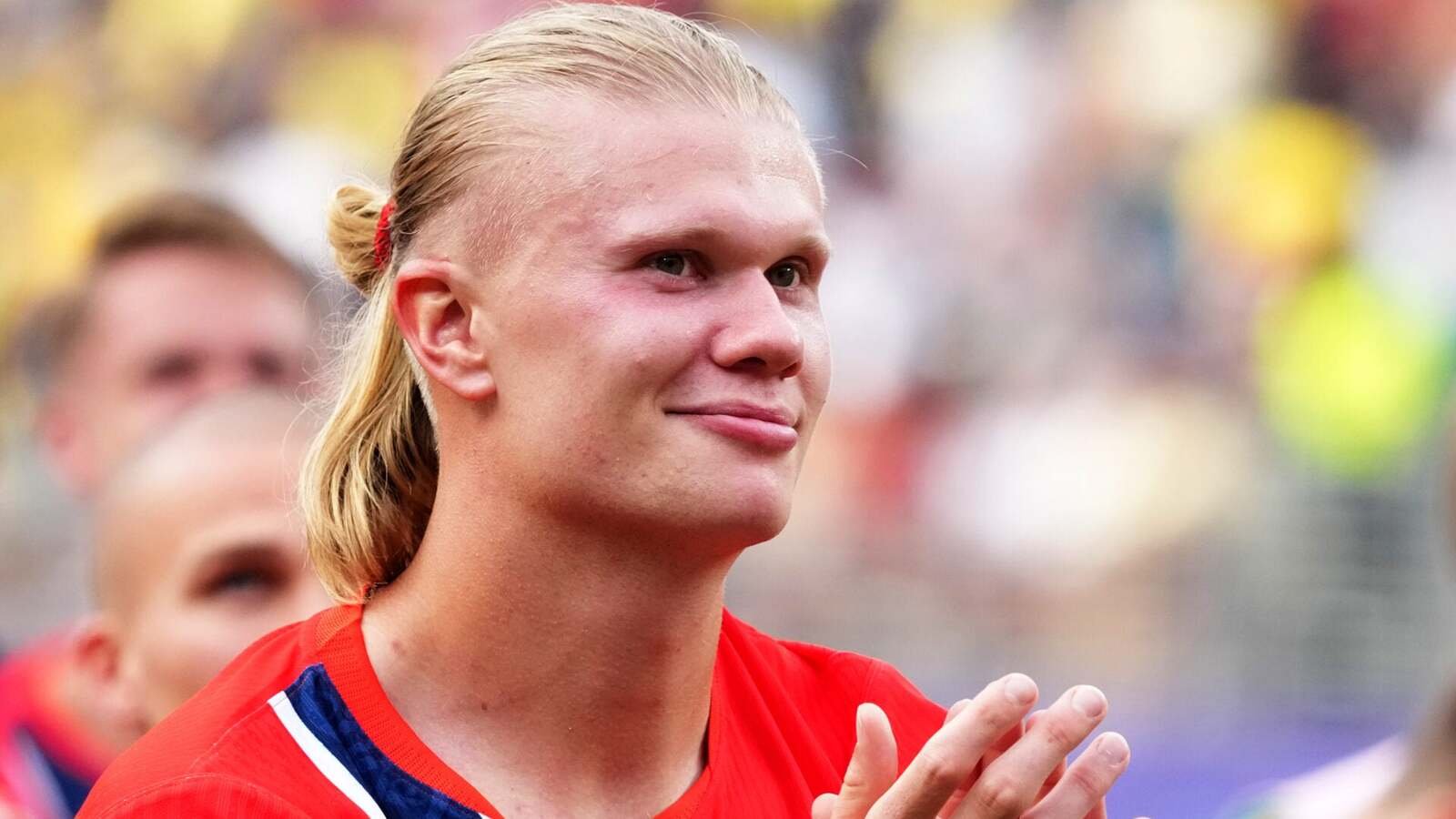
In the quiet farming town of Bryne on Norway’s southwest coast, football has become more than a game—it has become a source of identity, pride and national inspiration. As Norway prepares for a highly anticipated FIFA World Cup quarter-final against England, the community that helped shape Erling Haaland is celebrating one of its greatest sons, whose remarkable journey from local pitches to global football superstardom has transformed the town into an international destination.
Across Bryne’s central square, excitement has reached fever pitch. Residents wearing bright red Norway shirts and Haaland jerseys are preparing to gather for a giant outdoor screening of Saturday’s World Cup showdown. Shops have been flooded with customers eager to buy national team colours, while cafés, businesses and local organisations have embraced the festive atmosphere surrounding Norway’s historic World Cup campaign.
Among those welcoming visitors is local shop owner Olinda Haaland, who proudly shares the striker’s surname despite having no family connection. Her fabric and souvenir shop has become one of Bryne’s busiest locations in recent weeks, filled with Haaland-themed merchandise, Norway shirts and football memorabilia.
She described the striker’s success as a source of immense happiness for the entire town, saying residents have watched with enormous pride as the local boy became one of the world’s greatest footballers. Demand for Norway shirts has soared throughout the tournament, with retro jerseys inspired by the country’s memorable 1998 World Cup campaign selling out within days. Anything carrying Norway’s famous red colours has become highly sought after as anticipation builds ahead of the quarter-final.

Although Haaland was born in Leeds during his father Alf-Inge Haaland’s spell with Leeds United, Bryne remains the place where his football identity was truly formed. Growing up in the agricultural community near Stavanger, he developed both his football skills and the determined mentality that has since made him one of the sport’s most feared goalscorers.
Today, the Manchester City striker continues to maintain strong ties with the community. Despite his demanding club and international commitments, Haaland regularly returns to Bryne whenever possible, visiting familiar places and supporting local initiatives. He has donated football equipment to young players, organised reading competitions for children and funded cultural projects, including the acquisition of a rare 16th-century collection of Viking sagas that will soon become part of the town library.
For local leaders, Haaland’s achievements have elevated Bryne far beyond its modest population. Mayor Andreas Vollusund, who once taught Haaland during his primary school years, believes the footballer has put the town firmly on the international map.
Recalling his former pupil, the mayor described Haaland as an energetic, cheerful child who loved making jokes and participating in every sporting activity available. Even at the age of ten, he confidently told teachers that he intended to become a professional footballer. According to Vollusund, the determination visible during those early school years never faded.
The mayor believes Bryne’s distinctive culture has played a significant role in producing both Haaland’s character and competitive spirit. Surrounded by farmland and generations of hardworking families, children are encouraged to remain humble, disciplined and community-minded. Those values, combined with exceptional athletic genetics inherited from his parents, created the ideal environment for future success.
Haaland’s father enjoyed a distinguished professional football career in England and Norway, while his mother, Gry Marita Braut, was a national heptathlon champion. Their sporting backgrounds, together with Bryne’s grounded community spirit, have often been cited as important influences on the striker’s development.
Norway’s broader sporting philosophy has also received renewed international attention during this World Cup. Rather than placing excessive pressure on children from an early age, Norwegian youth sport emphasises enjoyment, participation and long-term development. Experts frequently credit this balanced approach for producing elite performers across multiple disciplines, including football, athletics, skiing, golf, handball and even chess.
Interestingly, chess remains one sport where Haaland’s talents appear less intimidating. Kjell Madland, who oversees Norway Chess—an organisation in which Haaland has invested—joked that although the football star enjoys playing the game, he has yet to display the same level of brilliance on the chessboard that he consistently demonstrates on the football pitch.
Back in Bryne, preparations for Saturday’s match have become a community-wide effort. Thousands of families are expected to attend a special alcohol-free viewing event at Bryne FK’s stadium, where children will receive free refreshments as residents come together to support the national team.
The celebration reflects more than football success. Local officials believe Haaland has become an inspirational figure whose achievements demonstrate that global dreams can begin in the smallest communities. For young people growing up in Bryne, seeing one of their own reach the pinnacle of world football has expanded their own ambitions and belief in what is possible.
Visitors have travelled from across Norway to experience the town that produced its greatest sporting icon. Families have been posing for photographs beside Haaland murals, touring Bryne FK’s facilities and exploring locations closely associated with his childhood. Local tourism has experienced a significant boost, with the striker’s global popularity drawing increasing numbers of football supporters eager to understand the environment that shaped him.
Among those sharing the excitement is Haaland’s great-uncle, Gabriel Høyland, who plans to watch the quarter-final from his farm just outside Bryne. He believes the contest against England is finely balanced and says the atmosphere surrounding Norway’s World Cup journey has surpassed anything the family has experienced before.
Former youth coach Alf Ingve Berntsen, who first trained Haaland when he was only eight years old, remembers immediately recognising an extraordinary passion for football. Even as a child, Haaland possessed an infectious enthusiasm, constantly smiling while scoring goals and displaying relentless determination during training sessions.

According to Berntsen, the qualities that now define Haaland’s professional career were already evident in those early years. Beyond his natural ability, he demonstrated an unwavering desire to improve and a genuine love for the game that inspired teammates and coaches alike.
Perhaps even more significant than Haaland’s goals has been his ability to unite Norwegians during this remarkable World Cup campaign. In an era often characterised by political disagreements and divisions amplified through social media, football has provided a rare sense of collective national optimism. Communities across Norway have gathered in town squares, homes and stadiums to support a team that has reignited memories of the country’s proud footballing past.
As Norway prepares to face England in one of the biggest matches in its football history, Bryne stands proudly behind its most famous son. For the people who watched Erling Haaland grow from an energetic schoolboy into one of the world’s finest strikers, Saturday’s quarter-final represents more than a sporting occasion. It is a celebration of community, perseverance and the extraordinary journey of a local child who carried the hopes of a small Norwegian town onto football’s biggest stage.
Related News:
 England and Norway Fans Turn Miami Into World Cup Carnival
 Peretz Targets FA Cup Upset Amid War Concerns
 Football Hopes to Outshine World Cup Drama in Mexico
 Lamine Yamal’s Birthday: Football, Fame, and France
 Tension and Turmoil at Aston Villa v Maccabi Match
 Lando Norris Dominates Brazil GP to Strengthen F1 Title Bid
 Ronaldo Confirms Final World Cup and Plans Retirement
 England Maintain Perfect World Cup Qualifying Record with Win Over Serbia
 Irish Hero Parrott Says Goal Brought First Tears in Years
 Nigeria Misses World Cup Again After Play-Off Loss
 Tiny Curacao Makes History as Smallest Nation to Reach World Cup
 Haiti Qualifies for World Cup Despite Coach Never Visiting Country
 Scotland Fans Celebrate Historic World Cup Qualification
 Barcelona Returns to Camp Nou vs Athletic Bilbao
 Mbappe Scores 4 as Real Madrid Edge Olympiakos
 Man City Lose, Champions League Risk
 Trump to attend 2026 FIFA World Cup draw in Washington
 Hindu Man’s Stand Sparks Hope in India
 India T20 World Cup Triumph Seals Historic Title Defence
 Iranian Captain Departs Australia Amid Asylum Tension
 TikTok effect draws younger crowds to Grand National
 Ukraine Urges UK to Seize Russian Oil Tankers
 Escobar’s Hippos May Be Moved to India Zoo
 Two Dead in Adelaide Airport Plane Crash Fire
 John Terry Faces Backlash Over Political Posts
 $13bn World Cup Set to Break All Revenue Records
 Premier League drama defines crucial weekend
 China Fireworks Factory Blast Kills 21 in Hunan
 RFU Backs Borthwick Despite England’s Poor Six Nations
 Miami Upgrades Shake Up F1 Title Fight
 Infantino Defends Soaring World Cup 2026 Ticket Costs
 FIFA Confirms Global Ban for Benfica Star Prestianni
 France Faces Record Presidential Crowded Race Amid Far-Right Surge
 Chasing Glory: The Quest for a New World Cup Champion
 Tuchel Boldly Reshapes England Squad for World Cup Glory
 Pope Meets Families in Italy Toxic Waste Zone
 Farage and Reform UK Reshape British Politics
 Starmer Leadership Under Pressure After Setbacks
 Nike Charges Fans Most for World Cup Replica Shirts
 Saka Playing Through Pain As England World Cup Campaign Looms
 Knicks Clinch Historic Comeback in Thrilling NBA Finals
 England Cruise Past Costa Rica as World Cup Warm-Up Sharpens Tuchel’s Vision
 Inside the Three Lions: Bellingham Reveals Euro 2024 Flaws
 Fifa Official Under Investigation Over Hand Gesture Controversy
 Erling Haaland Double Fires Norway To Victory On Debut
 Iran Files Official Fifa Complaint Over World Cup Travel
 Historic Victory for Canada as They Defeat Nine-Man Qatar
 Heartbreak for Canada as Koné Suffers Horrific Injury
 New Premier League Fixtures Set Stage for Thrilling Season
 Cape Verde Hold Uruguay in Dramatic World Cup Clash
 World Cup 2026: Reclaiming the American Dream
 Canada Secure Historic Last 16 Spot with Late Goal
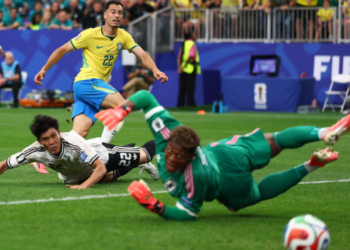 Martinelli Strikes Late as Brazil Edge Past Brave Japan
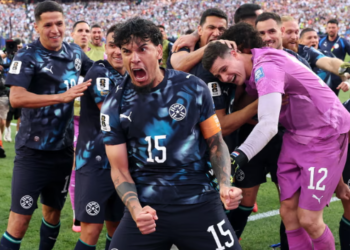 Paraguay Shock Germany in Historic Penalty Shootout
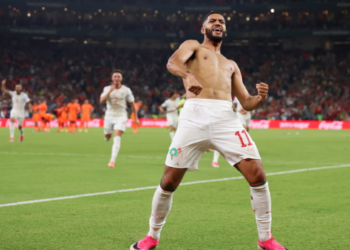 Morocco Beat Dutch in Wild World Cup Penalty Drama
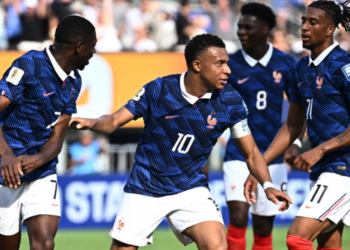 France Dominate Sweden as Deschamps’ New Era Takes Shape
 Mexico World Cup Joy Turns to Tragedy as Two Die in Crowds
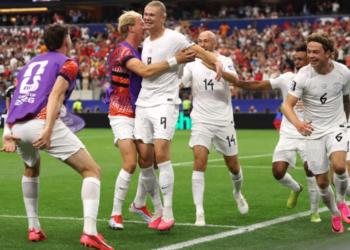 Haaland Heroics Send Norway Into Historic Last 16 Knockout
 Kane Saves Tuchel as England Survive Dramatic Exit
 Ramos Sends Portugal into the Last 16
 Spain Dominates Austria to Reach Quarter-Finals
 VAR Drama: Portugal Win in Thriller
 Taylor Swift and Travis Kelce Marry at Madison Square Garden
 England Triumph in Azteca World Cup Thriller
 Trump’s Red-Card Intervention Hurts the US World Cup
 Trump Intervenes in Fifa World Cup Balogun Ban
 USA World Cup Heartbreak: Belgium Ends Their Dream
 Spanish Late Winner Sends Ronaldo Into Final Sunset
 Belgium Thrashes USA After Red Card Controversy
 Kylian Mbappé Slams Paraguayan Senator Over Racist Attack
 Egyptian Fury After Argentina World Cup Heartbreak
 World Cup 2026 Power Rankings: England on the Rise
 Mbappé Brilliance Leads France Into Semi-Finals
 Belgium Draws Global Support Before Spain Showdown
 Le Pen’s Popularity Holds Despite Conviction
 Dreyfus Statue Finally Gets Permanent Paris Home
 Spain’s Superstar Fan: Keyne Yamal Steals the Spotlight
 Rice Poised for England Semi-Final Clash Against Argentina
 Tuchel Backs England Stars to Overcome Messi’s Argentina
 Is America Ready for an AOC Presidential Run?