Published: July 10, 2026 | The English Chronicle Desk | The English Chronicle Online
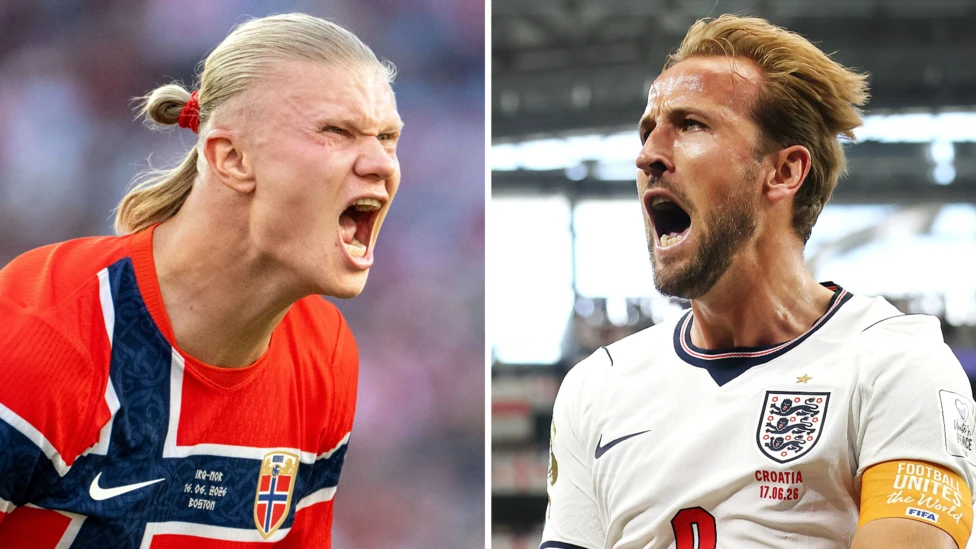
The debate over who is the better centre-forward—Harry Kane or Erling Haaland—has become one of football’s most enduring modern arguments. Both are among the world’s elite strikers, both have shattered scoring records and both have led their clubs and countries with remarkable consistency. Yet despite sharing the same position, they represent two very different interpretations of what a modern number nine should be.
As clubs continue to prioritise goals, tactical flexibility and attacking efficiency, the comparison between England captain Harry Kane and Norway’s prolific goalscorer Erling Haaland has taken on renewed significance. Coaches, analysts and supporters continue to ask the same question: if you could choose one striker to build your team around today, who would it be?
The answer depends not only on statistics but also on style, tactical philosophy and the needs of a particular team.

Harry Kane has built his reputation over more than a decade through consistency, intelligence and versatility. Beginning his career at Tottenham Hotspur before moving to Bayern Munich, Kane evolved from a traditional penalty-box striker into one of football’s most complete forwards.
His ability to score from almost every angle is well documented. Whether through powerful finishes, long-range strikes, headers or composed one-on-one opportunities, Kane has repeatedly demonstrated exceptional finishing ability.
However, what separates him from many elite goalscorers is his creativity.
Unlike many central strikers who remain close to the opposition penalty area, Kane frequently drops into midfield to receive possession, dictate attacks and create chances for teammates. His passing range often resembles that of an attacking midfielder, allowing wingers and advancing midfielders to exploit space behind opposing defences.
This tactical intelligence has enabled managers to build entire attacking systems around him.
For England, Kane has become both captain and leading scorer, consistently delivering in major tournaments while acting as a leader on and off the pitch.
Erling Haaland, meanwhile, represents perhaps the most physically dominant striker of his generation.
Standing well over six feet tall while combining extraordinary pace, strength and athleticism, the Norwegian has redefined expectations of what a modern target man can achieve.
His goal-scoring record since emerging at Red Bull Salzburg, Borussia Dortmund and later Manchester City has been extraordinary.
Haaland’s greatest strength lies inside the penalty area.
His movement between defenders is exceptionally difficult to track, while his acceleration over short distances allows him to attack crosses and through balls with devastating efficiency.
Defenders frequently find themselves unable to match either his physical power or his explosive speed.
Unlike Kane, Haaland rarely drops deep to influence build-up play.
Instead, he focuses almost entirely on occupying central defenders, stretching defensive lines and positioning himself where goals are most likely to be scored.
That approach has resulted in astonishing scoring numbers.
Few players in recent football history have maintained such remarkable goal-per-game ratios across domestic leagues and European competitions.
His finishing with both feet, aerial ability and instinctive positioning have made him one of the most feared forwards in world football.
From a tactical perspective, the differences are striking.
Managers seeking a striker capable of linking midfield and attack often favour Kane because of his passing ability and football intelligence.
His willingness to participate throughout every phase of possession allows teammates greater tactical freedom.
Wingers benefit from his vision, while attacking midfielders frequently exploit spaces created when Kane drifts deeper.
Haaland offers something entirely different.
His presence alone forces opponents to defend deeper, creating space for creative midfielders to operate.
Even when he touches the ball relatively few times during a match, his constant movement keeps defenders occupied and dramatically changes the shape of opposing defensive structures.
In terms of finishing, both players rank among football’s very best.
Kane perhaps possesses the broader finishing repertoire, comfortably scoring from outside the penalty area, free-kicks, penalties and long-distance efforts.
Haaland, however, has developed an almost unmatched efficiency inside the box, where his anticipation and movement repeatedly produce high-quality scoring opportunities.
Physical attributes naturally favour Haaland.
His combination of height, pace and strength makes him exceptionally difficult to defend against in transition or aerial situations.
Kane relies less on athletic superiority and more on timing, positioning and technical excellence.
Experience also plays a role.
Having competed in multiple European Championships, World Cups and Champions League campaigns, Kane has accumulated extensive experience under varying tactical systems and managerial philosophies.
Haaland, although younger, has already established himself as one of Europe’s most prolific scorers and continues adding major honours to his growing career.
Leadership represents another point of distinction.
Kane captains England and has consistently been praised for his professionalism, communication and influence within dressing rooms.
Haaland leads more through performance than vocal authority, inspiring teammates through relentless work ethic and extraordinary scoring consistency.
Statistics inevitably dominate discussions comparing the pair.
Both regularly finish seasons among Europe’s leading scorers while contributing assists and creating opportunities for teammates.
However, raw numbers rarely capture their differing responsibilities within team structures.
Kane frequently sacrifices scoring positions to facilitate attacks, whereas Haaland remains almost exclusively focused on converting chances.
Football analysts therefore caution against judging either player solely through goals scored.
Modern tactical systems increasingly require strikers to contribute defensively, press opponents and participate during build-up play.
Kane excels in those broader responsibilities, while Haaland delivers unmatched penalty-area efficiency.
The ideal choice therefore depends upon a team’s identity.
Possession-based sides requiring creativity from central positions may benefit more from Kane’s complete skill set.
Teams prioritising quick transitions, crosses and direct attacking football could find Haaland’s physical dominance virtually impossible to replace.
Former players and managers remain divided.
Some believe Kane’s all-round contribution makes him the more complete footballer.
Others argue that football ultimately rewards goals above everything else, making Haaland’s extraordinary finishing ability the decisive factor.
Supporters continue debating the issue across social media, television studios and football forums, with opinions often influenced by club loyalties and preferred tactical philosophies.
Perhaps the most accurate conclusion is that football currently enjoys two exceptional forwards who have mastered different interpretations of the same position.
One combines elite finishing with playmaking brilliance.

The other has become arguably the world’s most efficient pure goalscorer.
If building a team requiring creativity, leadership and tactical versatility, Harry Kane may be the ideal choice.
If constructing an attack designed to maximise goals through relentless penalty-area presence and explosive finishing, Erling Haaland remains almost impossible to overlook.
Ultimately, there may never be a universally correct answer.
The better striker depends entirely on the football a manager wants his team to play—a debate that is certain to continue for years as both players further strengthen already remarkable careers.
Related News:
 Rivalry That Changed Modern Football Forever
 Can Vinicius Win Over Brazil at Last?
 Fifa Faces Backlash Over Ticket Payment Demand
 Fans Bring Flags and Fire to World Cup Scenes
 11 EFL Stars Ready to Shine at World Cup
 Arsenal Trio Named on Player of the Year List
 Three Arsenal Stars Make Award Shortlist
 Fans Invited to Share Scotland World Cup Stories
 Iran Team Arrives in Mexico Amid US Visa Dispute
 Football Hopes to Outshine World Cup Drama in Mexico
 Police Probe Claim of Missing £1.5m in Yes Scotland Campaign
 Haaland Makes History as England Prepare for Biggest Test
 Trump Helps Clear Balogun for Belgium World Cup Clash
 Mexico’s World Cup Run Brings Joy After ICE Raids
 England’s Euro Odyssey: A Tale of Grit, Glory and the Lionesses’ Miraculous March to the Final
 Tottenham Takes On Newcastle
 FIFA Eyes Biennial Club World Cup from 2029, Plans Possible Expansion
 Serbia Humiliated 0-5 by England in World Cup Qualifier
 Dembélé and Bonmatí Shine as Ballon d’Or Winners in Glittering Paris Ceremony
 Hannah Hampton Makes History as First Winner of Women’s Yashin Trophy at Ballon d’Or Awards
 Liverpool Vs outhampton Set for Carabao Cup Clash at Anfield
 Dramatic Derby: Sorloth Strikes as Atletico and Real Madrid Share the Spoils
 ICC Women’s World Cup 2025: India to Host as Pakistan Fixtures Moved to Neutral Venues
 Bournemouth Stun Fulham with Dramatic Comeback in Premier League Thriller
 Chaos at Ibrox as Martin’s Rangers Era Comes to an End
 Arsenal Showcase Depth and Flexibility as Arteta Eyes Title Challenge
 Kane’s Double Seals England’s World Cup Qualification
 Fabio Wardley stuns Joseph Parker to earn Usyk title shot
 Tension and Turmoil at Aston Villa v Maccabi Match
 Lando Norris Dominates Brazil GP to Strengthen F1 Title Bid
 Tiny Curacao Makes History as Smallest Nation to Reach World Cup
 Haiti Qualifies for World Cup Despite Coach Never Visiting Country
 Mbappe Scores 4 as Real Madrid Edge Olympiakos
 Hilary Knight speaks out on Trump’s recent hockey remarks
 Iran, the US, and a World Cup That Starts in Three Months
 Australian GP Confident Amid Travel Disruption
 Ski Duo Named GB’s Winter Paralympics Flagbearers
 Ireland Wary but Focused Before Wales Challenge
 Alonso Fears ‘Permanent Nerve Damage’ From Aston Martin’s Disastrous Car
 India T20 World Cup Triumph Seals Historic Title Defence
 Australia Urged to Shield Iranian Team After Anthem Protest
 Iranian Footballers Escape Team Hotel to Seek Asylum
 Iranian Captain Departs Australia Amid Asylum Tension
 Iran World Cup Move Talks Raise Global Concerns
 ‘Safe Haven’: Iranian Footballers Rebuild Lives in Australia Following Asylum Bid
 ‘Words Are Not Enough’: Quinton Byfield Urges Concrete Action as Hockey Faces New Racism Row
 Beyond the Swoosh: Anta Sports Overtakes Rivals to Become Global Top Three
 “Three-Wheeled Triumph”: Mayor of Erewash Completes 2,000-Mile European Charity Run
 $13bn World Cup Set to Break All Revenue Records
 Premier League drama defines crucial weekend
 Miami Upgrades Shake Up F1 Title Fight
 Infantino Defends Soaring World Cup 2026 Ticket Costs
 Chasing Glory: The Quest for a New World Cup Champion
 Southgate Calls for Different Approach to Boys
 “My Drinking Days Are Over” — How to Enjoy an Alcohol-Free World Cup
 Scotland Branded “Unprofessional” in World Cup Fallout as England Build Momentum
 Kane Enters Ballon d’Or Debate After Bayern Form, but World Cup Seen as Decisive Factor
 Football Regulator Contacts West Ham Over “Serious Allegations” Linked to Sullivan
 Chinese Football Fans Embrace Referee as Unexpected World Cup Figure
 Referee Controversy Raises Questions Over FIFA’s Control of the World Cup
 Nike Charges Fans Most for World Cup Replica Shirts
 Saka Playing Through Pain As England World Cup Campaign Looms
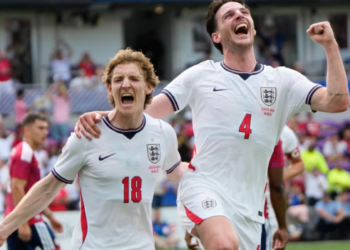 England Cruise Past Costa Rica as World Cup Warm-Up Sharpens Tuchel’s Vision
 Messi Equals World Cup Record In Masterclass Victory
 Tuchel’s England Mission Goes Beyond Football Success
 Historic Victory for Canada as They Defeat Nine-Man Qatar
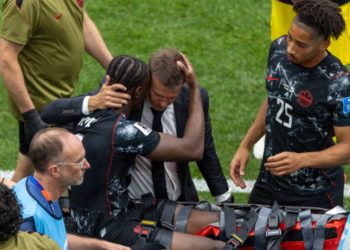 Heartbreak for Canada as Koné Suffers Horrific Injury
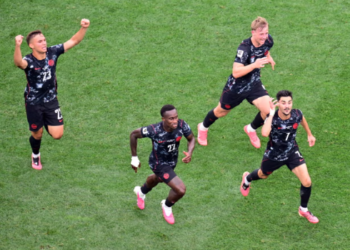 Canada Secure Historic Last 16 Spot with Late Goal
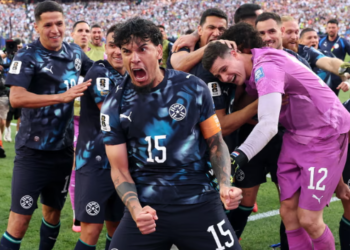 Paraguay Shock Germany in Historic Penalty Shootout
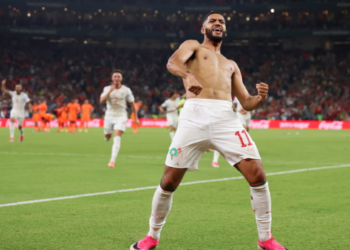 Morocco Beat Dutch in Wild World Cup Penalty Drama
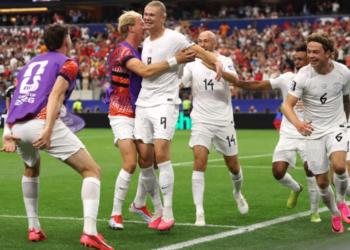 Haaland Heroics Send Norway Into Historic Last 16 Knockout
 Former Olympian Indicted Over Alleged Vandalism at Washington’s Reflecting Pool
 Paul Seixas: French Cycling’s Teenage Hope at the Tour
 Trump Helps Clear Balogun for Belgium World Cup Clash
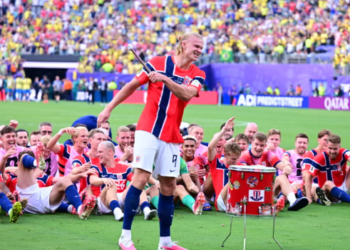 Norway’s Stunning World Cup Victory Over Brazil
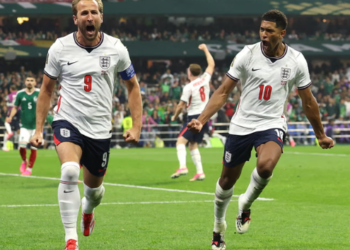 England’s 10 Men Hold Firm in World Cup Thriller
 Belgium Thrashes USA After Red Card Controversy
 Ronaldo Says Farewell to the World Cup Stage
 Balogun Drama Overshadows USA’s World Cup Exit
 Mbappé Brilliance Leads France Into Semi-Finals