Published: 7 July 2026 | The English Chronicle Desk | The English Chronicle Online
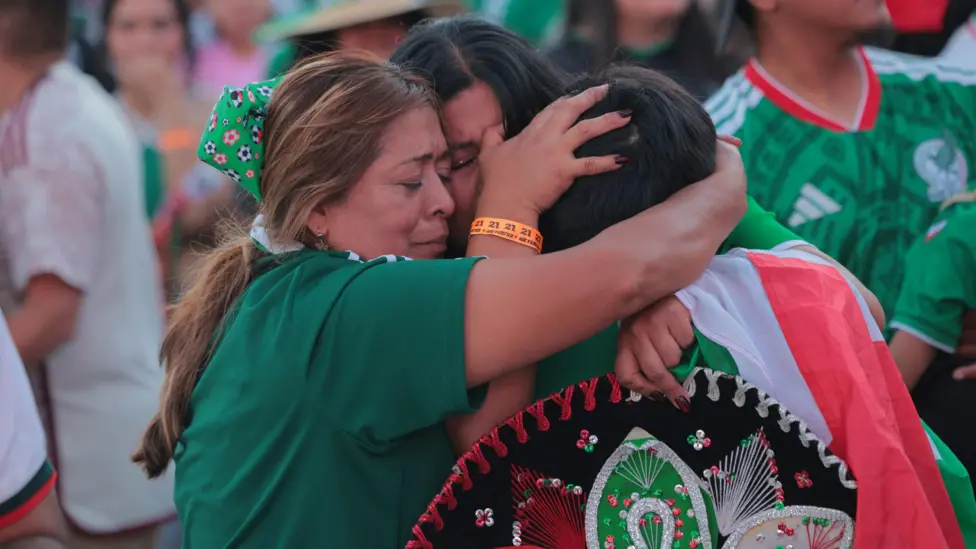
For many communities across Southern California, Mexico’s journey through the 2026 FIFA World Cup has become more than a sporting event. After a year marked by immigration enforcement operations, fear and uncertainty among many immigrant families, the national team’s performances have provided a rare opportunity for celebration, unity and collective pride.
Across cities with large Mexican and Mexican-American populations, streets, restaurants and community gathering spaces have been filled with supporters wearing green jerseys, waving flags and gathering to watch Mexico compete on football’s biggest stage.
For many fans, the tournament represents a moment of relief after months of anxiety linked to increased Immigration and Customs Enforcement (ICE) activity and wider debates over immigration policy in the United States.

Southern California has one of the largest Mexican-origin populations outside Mexico itself. From Los Angeles and Orange County to the Inland Empire and San Diego, Mexican culture is deeply connected to everyday life through language, food, music and sport.
Football, or soccer as it is widely known in the United States, has long served as a powerful cultural connection for these communities.
The World Cup has traditionally provided Mexican supporters around the world with a chance to celebrate their heritage, but this year’s tournament has carried additional emotional significance for many fans.
For some families, watching Mexico play has offered a temporary escape from worries about immigration enforcement and concerns about relatives, friends or neighbours affected by government actions.
Over the past year, immigration raids and enforcement operations have created tension in some Southern California communities. Many residents have described feelings of uncertainty, with some families changing daily routines and becoming more cautious about public activities.
Community organisations supporting immigrant families have reported increased demand for legal advice, information services and assistance as people attempt to understand their rights and responsibilities.
Against that background, Mexico’s World Cup campaign has provided a different atmosphere.
Matches have transformed ordinary spaces into celebrations of identity and belonging.
Restaurants showing games have attracted large crowds, with supporters gathering together regardless of age or background. Families have watched matches at home, while community events have brought neighbours together in shared excitement.
For many fans, supporting Mexico is about more than football.
The national team represents family history, cultural traditions and connections to a country many still consider home, even while building lives in the United States.
The emotional connection between Mexican supporters and the national team has existed for generations.
Many Mexican immigrants introduced their children to football as a way of maintaining cultural traditions, passing down memories and preserving connections with relatives and communities.
The World Cup amplifies that connection because it creates a global moment when millions of people share the same experience.
Supporters often describe watching Mexico compete as a way of feeling connected to family members both in the United States and in Mexico.
In Southern California, where communities frequently include multiple generations of Mexican heritage, the tournament has become a celebration of identity across age groups.
Young fans who were born in the United States often watch alongside parents and grandparents who grew up following Mexican football.
The shared experience creates a bridge between generations.
However, the celebrations also exist alongside complicated realities.
For some immigrant communities, the joy surrounding Mexico’s World Cup performances does not erase concerns about immigration policy or the uncertainty many families continue to face.
Advocates say that sporting celebrations can provide emotional relief, but they do not remove the broader challenges experienced by immigrant communities.
They argue that many residents continue balancing pride in their heritage with concerns about their future in the United States.
The visibility of Mexican supporters during the tournament has also highlighted the broader cultural influence of Mexican communities in American society.
From business districts decorated with national colours to social media filled with messages of support, the World Cup has demonstrated the scale of Mexico’s cultural presence across Southern California.
Sports analysts have often noted that football occupies a unique role in immigrant communities because it is both globally shared and deeply personal.
Unlike some sports that are strongly associated with specific countries or regions, football connects communities across borders.
A supporter in Los Angeles can feel the same excitement as a fan watching from Mexico City, Guadalajara or Monterrey.
This international connection is one reason the World Cup carries such importance among diaspora communities.
For Mexico supporters, every match becomes an opportunity to celebrate a shared story that crosses national boundaries.
The tournament has also created economic opportunities for local businesses.
Restaurants, sports bars and shops selling football merchandise have benefited from increased activity during major matches.
Business owners in Mexican neighbourhoods have described the World Cup as a period of increased community engagement and customer interest.
Many establishments have decorated their spaces with Mexican colours, flags and football displays to welcome supporters.
For local communities, these gatherings have become important social events.
Families and friends who may not often spend time together have found a reason to meet, celebrate and share experiences.
The emotional impact of the tournament extends beyond the results on the pitch.
For many supporters, Mexico’s World Cup run has represented resilience and hope during a difficult period.
The team’s performances have offered moments of happiness and a sense of collective achievement.
Even supporters who understand the unpredictable nature of football say the tournament itself has been valuable because it has brought people together.
In immigrant communities where questions of identity and belonging can sometimes feel complicated, football provides a simple but powerful connection.
A person can support Mexico while also considering Southern California home.
For many Mexican-Americans, those identities are not competing but connected.

The World Cup has created a public expression of that dual identity, allowing supporters to celebrate their heritage while participating fully in American life.
As Mexico’s campaign continues, fans across Southern California remain focused on the excitement of each match.
The outcome of the tournament will eventually be decided on the football field, but for many supporters, the significance of the experience has already extended far beyond results.
After months of uncertainty and concern, the World Cup has offered a moment of celebration, cultural pride and community connection.
For thousands of Mexican fans in Southern California, the tournament has provided something increasingly valuable: a chance to come together, celebrate openly and share a sense of joy.
Related News:
 Rivalry That Changed Modern Football Forever
 Can Vinicius Win Over Brazil at Last?
 Fans Bring Flags and Fire to World Cup Scenes
 Fans Invited to Share Scotland World Cup Stories
 Trump Helps Clear Balogun for Belgium World Cup Clash
 Suspect in Rhode Island Ice Hockey Shooting Killed Ex‑Wife and Son
 Inland Australia Town Turns Streets into a Beach for Volleyball Contest
 Austrian Climber Found Guilty After Girlfriend Froze to Death on Mountain
 Inside Kyiv’s resolve as conflict nears five‑year mark
 What to Watch for During Trump’s State of the Union Address
 US Partially Evacuates Beirut Embassy Amid Rising Iran Tensions
 Iran, the US, and a World Cup That Starts in Three Months
 Legendary Notre Dame College Football Coach Lou Holtz Dies at 89
 Iranian Players Get Australian Visas After Anthem Protest
 A Hero’s Shadow: Activists and Lawmakers Rethink Cesar Chavez Day Following Abuse Claims
 Peretz Targets FA Cup Upset Amid War Concerns
 ‘I Know Him in My Bones’: Melissa Gilbert Denies Being ‘Naive’ in Defense of Timothy Busfield
 ‘A Toxic Garbage Sink’: UN Expert Condemns US Waste Dumping in Mexico
 ‘Words Are Not Enough’: Quinton Byfield Urges Concrete Action as Hockey Faces New Racism Row
 “Three-Wheeled Triumph”: Mayor of Erewash Completes 2,000-Mile European Charity Run
 “The Human Limit Shattered”: Sabastian Sawe Returns to Hero’s Welcome After Historic Sub-Two-Hour Marathon
 Miami Upgrades Shake Up F1 Title Fight
 Trump’s Revenge Drive Deepens GOP Divide
 Can World Cup Hosts Overcome Deep Divisions?
 Rising World Cup Ticket Prices Spark Concern
 Southgate Calls for Different Approach to Boys
 Fifa Faces Backlash Over Ticket Payment Demand
 11 EFL Stars Ready to Shine at World Cup
 Arsenal Trio Named on Player of the Year List
 Three Arsenal Stars Make Award Shortlist
 Fans Angry Over US Visa Rules Before World Cup
 Iran Team Arrives in Mexico Amid US Visa Dispute
 “My Drinking Days Are Over” — How to Enjoy an Alcohol-Free World Cup
 Football Hopes to Outshine World Cup Drama in Mexico
 Former Olympian Indicted Over Alleged Vandalism at Washington’s Reflecting Pool
 Trump Helps Clear Balogun for Belgium World Cup Clash
 Trump Intervenes in Fifa World Cup Balogun Ban
 Police Probe Claim of Missing £1.5m in Yes Scotland Campaign
 Haaland Makes History as England Prepare for Biggest Test
 Trump Dance: How a Political Gesture Entered Sports
 Tottenham Takes On Newcastle
 Chaos at Ibrox as Martin’s Rangers Era Comes to an End
 Tiny Curacao Makes History as Smallest Nation to Reach World Cup
 Trump Weighs Response to Iran Crackdown as Tehran Says Communication Open With US
 US Clears Nvidia AI Chip Sales to China in Policy Shift
 EU Says US Ties Have Suffered ‘Big Blow’ After Greenland Crisis
 US Civil Rights Leader Jesse Jackson Dies Aged 84
 Snow and Rain Warnings as Cold Snap Continues in the UK
 Eight Skiers Found Dead After California Avalanche
 Epstein Eyed Record Label Investment to Access Women, Files Suggest
 Bill Gates ‘Took Responsibility’ Over Epstein Ties in Staff Meeting, Foundation Says
 Hilary Knight speaks out on Trump’s recent hockey remarks
 American Citizen Killed in Cuba Boat Shooting, U.S. Officials Say
 ‘Every Day Feels Like a Month’: Iranians Describe Life Under ‘Constant’ US‑Israeli Strikes
 Real Estate Brothers Convicted in Sex Trafficking Trial
 Iran War Puts Trump at Political Risk Amid Rising Prices
 Scotland World Cup Party in Boston Gets Green Light After Security Breakthrough
 Trump’s Confidence Undimmed — But Every Iran Option Carries Risk
 Chain of Fire: US Bunker Busters Strike Major Iranian Ammo Depot in Isfahan
 ‘The Cost of Living’: Asia’s Migrant Workers Debate if Gulf Jobs are Worth the Risk of War
 The Suffocating Silhouette: Why Metal’s Mask Trend is Turning Deadly
 The Fallen Icon: Ben Roberts-Smith Charged with Five War-Crime Murders
 The Changing Face of Georgia: Trump-Backed Clay Fuller Wins Election
 Moldova River Crisis Exposes War’s Hidden Cost
 Beyond the Swoosh: Anta Sports Overtakes Rivals to Become Global Top Three
 Ukraine Urges UK to Seize Russian Oil Tankers
 Tragedy in the Red Centre: Outback Search Ends in Discovery of Missing Girl’s Body
 Premier League drama defines crucial weekend
 Trump Threatens UN Budget Cuts as US Pushes ‘Trade Over Aid’ Agenda
 Florida Surgeon ‘Devastated’ Over Fatal Surgery Error
 US Awaits Iran Reply on New Ceasefire Proposal
 “The Price Persistence”: Navigating the UK’s Evolving Cost-of-Living Landscape
 Pope Meets Families in Italy Toxic Waste Zone
 Israel Strikes Iran After Missile Attack
 US Launches Strikes on Iran After Military Helicopter Downed Near Strait of Hormuz
 Saka Playing Through Pain As England World Cup Campaign Looms
 Tuchel’s England Mission Goes Beyond Football Success
 Historic Victory for Canada as They Defeat Nine-Man Qatar
 Haaland Heroics Send Norway Into Historic Last 16 Knockout
 Belgium Thrashes USA After Red Card Controversy