Published: 04 July 2026. The English Chronicle Desk. The English Chronicle Online
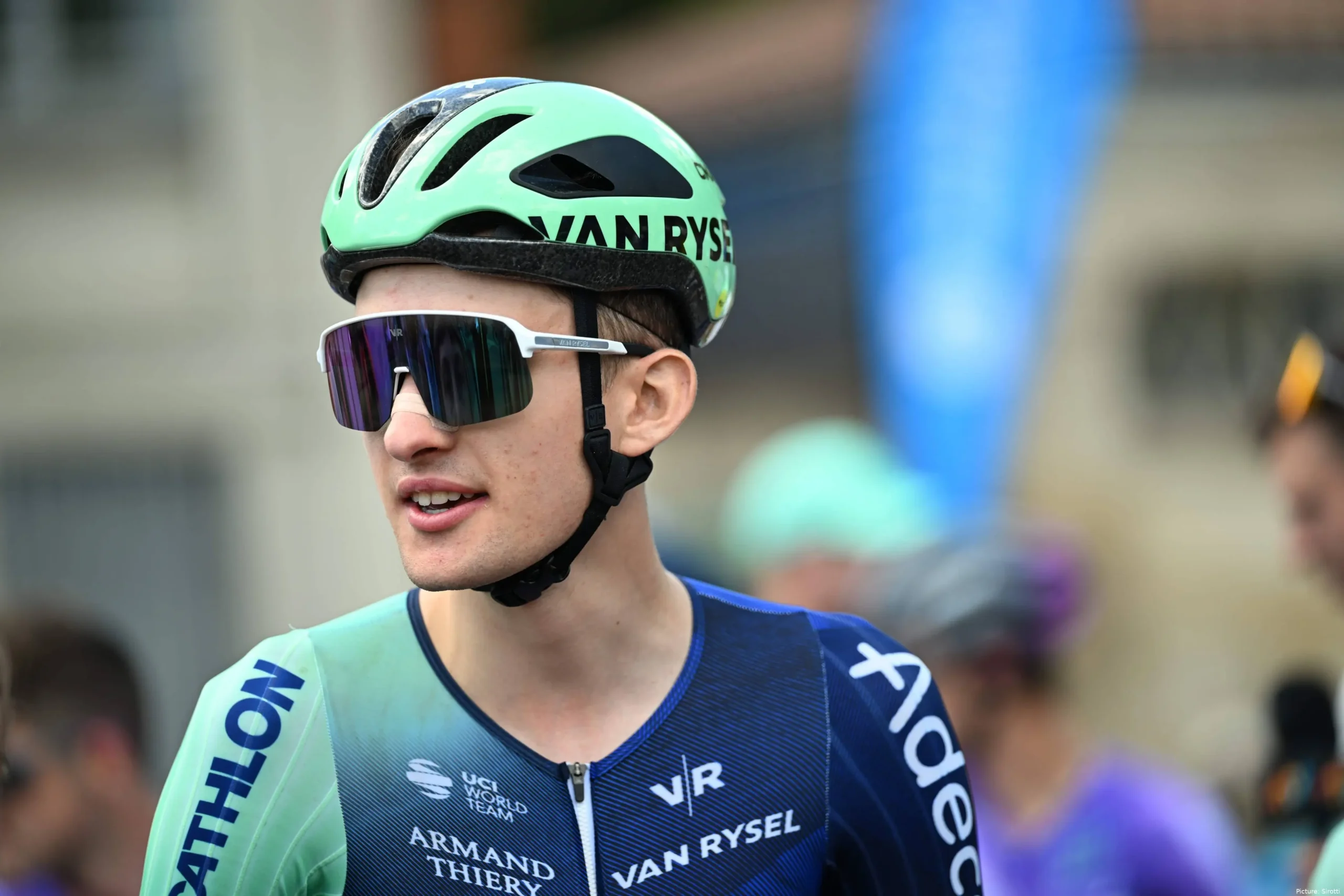
As the cycling world converges on Barcelona for the start of the 2026 Tour de France, the atmosphere is electric, largely driven by the arrival of a nineteen-year-old sensation who has captured the collective imagination of a nation. Paul Seixas, the youngest debutant to grace the Tour since 1937, arrives at the start line carrying the hopes of French cycling fans who have long awaited a homegrown successor to the sport’s most prestigious title. While comparisons to global icons like Kylian Mbappé may feel heavy, Seixas possesses a poise that seems immune to the burgeoning “Seixas fever.” Despite being thrust into a daunting contest against established titans like four-time champion Tadej Pogačar and the formidable Jonas Vingegaard, the teenager remains remarkably grounded, insisting he is ready to give everything to achieve the best result possible.
The narrative surrounding this year’s Tour is undeniably centered on the clash between the old guard and the new generation. Seixas, currently riding for Decathlon CMA CGM, has already proven his mettle this season by engaging in high-stakes duels with Pogačar, most notably at the grueling Liège–Bastogne–Liège classic in April. His aggressive, explosive climbing style—often described by observers as riding with his heart rather than just his head—has endeared him to purists who have grown weary of the data-driven monotony that has dominated professional cycling for years. Yet, Seixas is no mere romantic; he represents a modern synthesis of traditional alpine talent and the rigorous analytical preparation expected of elite contemporary athletes. Having completed extensive altitude training in the Sierra Nevada and Les Arcs, he approaches the Tour’s unknown demands with a blend of confidence and curiosity rather than trepidation.

However, the challenge ahead is immense. The Tour de France is a uniquely punishing endeavor, and even the most prodigious talents often struggle with the sustained physical and psychological toll of a three-week race. Seixas’s preparation was briefly interrupted by a high-speed crash just a month ago, a sobering reminder of the volatility inherent in his chosen path. Despite this setback, the young Frenchman has resumed his training with limited adjustments, a resilience that mirrors his fearless racing style. His team, benefiting from the tactical acumen of sports director Luke Rowe—himself a veteran of multiple Tour-winning squads—is acutely aware of the need to protect their young leader as he navigates the high-pressure environment of his debut.
Standing in his way is the reigning monarch of the peloton, Tadej Pogačar. Now twenty-seven and seemingly at the zenith of his physical and tactical powers, Pogačar has enjoyed a spectacular season, securing victories in prestigious events ranging from Milan-Sanremo to the Tour of Flanders and the Tour of Switzerland. Despite his dominance, Pogačar has been quick to praise Seixas, noting his unusual maturity and his ability to race with raw instinct. For Pogačar, the race is far from a solo endeavor; his UAE Team Emirates XRG outfit is bolstered by the presence of the equally prodigious Isaac Del Toro, a Mexican rising star who adds a layer of complexity to the tactical maneuvering the team plans to employ. Together, they form a formidable barrier that Seixas will have to navigate with surgical precision.
Beyond the “Paul and Pogi” show, the 2026 field is crowded with seasoned competitors eager to disrupt the narrative. Jonas Vingegaard, fresh from his success at the 2026 Giro d’Italia, remains a primary threat, while Remco Evenepoel is determined to prove his credentials as a contender for the general classification. The opening team time trial in Barcelona, which finishes at the historic Montjuïc Olympic park, will offer the first indication of which teams have the depth and coordination to challenge the established hierarchy. For squads like Netcompany Ineos, the stakes are equally high as they seek to recover their competitive edge after a period of transition.

As the peloton prepares to roll out, the narrative of the 2026 Tour is crystallizing into a fascinating study of generational transition. For the French fans lining the roads, the hope is not necessarily for an immediate, history-making victory—which would see Seixas become the youngest winner in the event’s history—but for the emergence of a new hero who can challenge the dominant forces of the sport. Whether Seixas is truly prepared to lead a nation through the rigors of the next three weeks remains to be seen, but one thing is certain: he is no longer just a newcomer. He is the centerpiece of a race that promises to redefine the landscape of professional cycling, signaling a future where the youth, audacity, and raw talent of riders like Paul Seixas may finally force the giants of the sport to bide their time.
Related News:
 Nike Charges Fans Most for World Cup Replica Shirts
 Safeguarding Probe Limits West Ham Owner’s Role
 Saka Playing Through Pain As England World Cup Campaign Looms
 England Cruise Past Costa Rica as World Cup Warm-Up Sharpens Tuchel’s Vision
 Football Hopes to Outshine World Cup Drama in Mexico
 Tension Grips Mexico City Ahead of World Cup Opener
 Inside the Three Lions: Bellingham Reveals Euro 2024 Flaws
 Chaos and Celebration at the Historic Azteca Stadium
 ‘We all love him’: Henderson backs Bellingham for England success
 Real Madrid Sign Marc Cucurella From Chelsea
 Why Bringing Back Jordan Henderson Is Thomas Tuchel’s Masterstroke
 Can France Escape the Ghosts of their 2002 World Cup Nightmare?
 Deschamps Shields Mbappé From Fierce Political Storm
 World Cup Fury as Iran Coach Slams Fifa and US
 Messi Equals World Cup Record In Masterclass Victory
 Erling Haaland Double Fires Norway To Victory On Debut
 Tuchel’s England Mission Goes Beyond Football Success
 Iran Files Official Fifa Complaint Over World Cup Travel
 Historic Victory for Canada as They Defeat Nine-Man Qatar
 Heartbreak for Canada as Koné Suffers Horrific Injury
 New Premier League Fixtures Set Stage for Thrilling Season
 Declan Rice Facing Burnout as Tuchel Confronts Midfield Crisis
 Rodrygo Reflects On World Cup Pressure And Social Media
 Cape Verde Hold Uruguay in Dramatic World Cup Clash
 World Cup 2026: Reclaiming the American Dream
 Martinelli Strikes Late as Brazil Edge Past Brave Japan
 Paraguay Shock Germany in Historic Penalty Shootout
 Morocco Beat Dutch in Wild World Cup Penalty Drama
 France Dominate Sweden as Deschamps’ New Era Takes Shape
 Haaland Heroics Send Norway Into Historic Last 16 Knockout
 Kane Saves Tuchel as England Survive Dramatic Exit
 Ramos Sends Portugal into the Last 16
 Spain Dominates Austria to Reach Quarter-Finals
 VAR Drama: Portugal Win in Thriller
 Swiss Star Manzambi Shines in World Cup Victory
 Taylor Swift and Travis Kelce Marry at Madison Square Garden
 Norway’s Stunning World Cup Victory Over Brazil
 England Triumph in Azteca World Cup Thriller
 Trump’s Red-Card Intervention Hurts the US World Cup
 Trump Intervenes in Fifa World Cup Balogun Ban
 England’s 10 Men Hold Firm in World Cup Thriller
 USA World Cup Heartbreak: Belgium Ends Their Dream
 Spanish Late Winner Sends Ronaldo Into Final Sunset
 Belgium Thrashes USA After Red Card Controversy
 Ronaldo Says Farewell to the World Cup Stage
 Kylian Mbappé Slams Paraguayan Senator Over Racist Attack
 Messi’s Tears and Triumph in Epic World Cup Escape
 Switzerland Advance in Penalty Thriller
 Egyptian Fury After Argentina World Cup Heartbreak
 World Cup 2026 Power Rankings: England on the Rise
 World Cup Racism Reflects Growing Abuse Patterns
 Mbappé Brilliance Leads France Into Semi-Finals
 Belgium Draws Global Support Before Spain Showdown
 Haaland and Bellingham: A Dortmund Bond Tested
 Bryne Backs Haaland Before England World Cup Clash
 World Cup Fever Set to Boost UK Economy by £500m
 England and Norway Fans Turn Miami Into World Cup Carnival
 Spain’s Superstar Fan: Keyne Yamal Steals the Spotlight
 Lamine Yamal’s Birthday: Football, Fame, and France
 Rice Poised for England Semi-Final Clash Against Argentina
 Spain Clinch Final Spot in Masterclass Victory Over France
 Tuchel Backs England Stars to Overcome Messi’s Argentina
 Saka Solidifies Role as Tuchel’s Key England Lieutenant
 Tiny Curacao Makes History as Smallest Nation to Reach World Cup
 Australia Face Big Changes as Cummins and Lyon Ruled Out of Ashes
 Aston Villa Remain Arsenal’s Key Obstacle in Title Pursuit
 Liverpool Chase Champions Glory With Stunning Qarabag Victory
 Ben Stokes injury joke after brutal ball strike
 BBC World Cup Presenting Duties Shared Among Trio
 English Cricket Faces Moral Crisis Over Indian Investment
 Scott Parker Leaves Burnley After Premier League Drop
 Arteta urges Arsenal to step up in Atlético semi-final
 RFU Backs Borthwick Despite England’s Poor Six Nations
 Infantino Defends Soaring World Cup 2026 Ticket Costs
 England Call Up Janse van Rensburg for Nations Campaign
 Guardiola to Exit Man City; Maresca Lineup Nears
 Alice Capsey Sparks England Win With Brilliant Fifty
 Man City Threaten Legal Action Over Haaland Real Madrid Shirt
 Fifa Official Under Investigation Over Hand Gesture Controversy
 Canada Secure Historic Last 16 Spot with Late Goal