Published: 03 July 2026. The English Chronicle Desk. The English Chronicle Online.
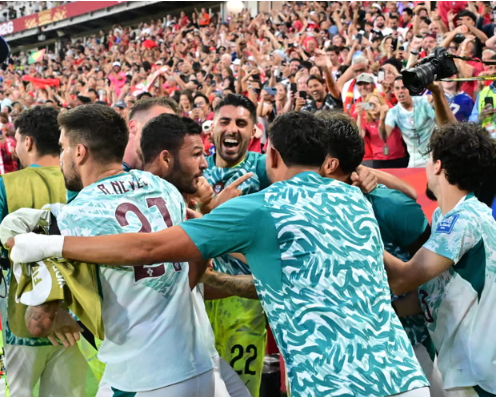
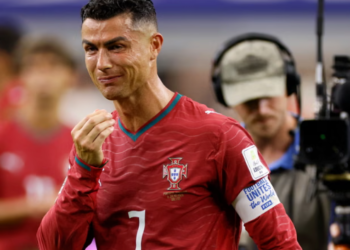
Rafael Leão dropped to his knees as the stadium erupted around him. His sharp cross had just been flicked into the net by Gonçalo Ramos. This crucial goal finally secured Portugal a place in the World Cup knockout rounds. Leão’s expression was not one of pure joy but of immense, heavy relief. Billed as the last dance for icons, this match offered a different narrative. It was Luka Modrić, at forty, who sadly left his final World Cup tournament. Cristiano Ronaldo remains in the competition after scoring in this wild, chaotic encounter. Both legends struggled for influence, yet Ronaldo was bewilderingly named the official player. Instead, this was an old-fashioned battle between two very gritty, hardened football sides. Momentum swung wildly from one end of the pitch to the other throughout play. This match was stuffed with historic incidents and four separate, agonizingly disallowed goals. One late decision ultimately denied Croatia a desperate equalizer in the very final seconds.
After a sweltering day in Toronto, the evening brought a cool, welcome breeze. The atmosphere inside the stadium remained loud and incredibly voluble throughout the entire contest. The first half was largely dominated by Portugal, who controlled much of the possession. They really should have taken a lead into the half-time break with ease. Their first clear chance came eight minutes in when Leão surged down left. He cut the ball back low to Bruno Fernandes near the penalty area. Fernandes unleashed two shots, but the first was saved by goalkeeper Dominik Livaković. The second effort was blocked quickly by a resilient and very alert Croatian defence. Pedro Neto was Portugal’s most persistent and dangerous threat during the opening period. Dominant in his duel with Perišić, Neto created plenty of space for himself. He sent a succession of whipped, dangerous crosses into the crowded Croatian penalty box. Every single delivery looked tempting, yet none found a teammate to finish them.
Livaković came out for one cross but missed, yet the ball eluded Ronaldo. Another delivery on the half-hour mark had both Ronaldo and Fernandes stretching forward. They were just too late to make any meaningful contact with the high ball. Croatia would have been happy with how the first half eventually panned out overall. They were on the back foot, but they were certainly not shaken or uncertain. They stood up confidently to the heavy waves of constant, probing Portuguese attacks. They remained robust in the middle of the park, winning many key physical challenges. Their plan of attack looked to isolate Martin Baturina against the defender João Cancelo. They tried to whip their own balls into the box for the hulking striker. It was not overly successful, perhaps due to the physical attention of Rúben Dias. He was busy wrestling Budimir to the ground during several quiet, tense moments.
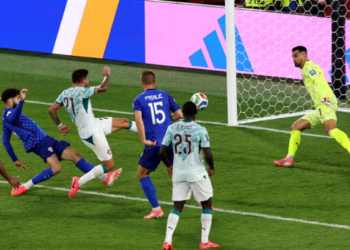
Zlatko Dalić removed his main striker at half-time for the fresh Igor Matanović. The entire mood of the game changed almost immediately after this clever tactical switch. Suddenly, it was Croatia on the front foot, while the intensity dropped from Portugal. Eight minutes into the half, Croatia took the lead from a promising area. It was from the exact wing where Portugal had caused so much trouble earlier. Josep Stanišić whipped a cross in from the right that eluded every single player. Hidden at the back post, Perišić emerged to get the ball under control. He turned quickly and drove the ball back low past the goalkeeper Diogo Costa. From there, Croatia went on a brief, intense rampage across the entire pitch. Petar Sučić found Matanović in the box and the striker fired past Costa. The stadium erupted, but the offside flag went up very late against the scorer.
In the fifty-ninth minute, Sučić nearly doubled the lead with a powerful, low strike. He cut into the box from the left side and hit a strong, rising shot. Costa saved this effort well with his legs, keeping Portugal within striking distance. In between these moments, Leão had crashed a long effort off the Croatian bar. Ronaldo had also seen a goal ruled out for a very tight offside call. All was hardly lost, but Livaković gave Portugal assistance they truly hardly needed. He looked to take a few touches after a backpass and went out. He inadvertently put it behind for a corner, gifting Portugal a dangerous set piece. The corner was sent over and cleared, but the Portuguese bench was animated. They desperately called for VAR to intervene, a move supported by the crowd. The check took place, and the referee was sent to the pitch-side monitor.
Vlašić was spotted to have had an arm wrapped around Leão during the cross. This was adjudged by the referee to be a clear penalty offence for Portugal. What happened next was what so many local fans had come to see live. Ronaldo hung away from the melee until the penalty was finally confirmed by officials. He began his slow, deliberate march to the penalty spot with great focus. He framed himself around the ball, performed his rituals, and stepped up confidently. He sat Livaković down and converted, sending the stadium into a wild, joyous explosion. He ran to the corner, performed his famous celebration, and the crowd roared back. Portugal were back in the game, but the overall dynamic had not changed. It was now Croatia who were clearly superior and should have scored again repeatedly.
Mateo Kovačić had two long-range efforts in succession saved by the busy goalkeeper. Matanović saw a smart shot at the near post saved in a scramble. Sučić had yet another goal ruled out for offside, frustrating the tiring Croatian side. Ronaldo, meanwhile, was substituted off for Rúben Neves, an almost completely unprecedented tactical act. This surely betrayed how the coach was reading the difficult, end-to-end proceedings now. The change was effective, as Portugal closed the spaces available on the counterattack. They began to dominate the ball once more in the final, dramatic knockings. Time and again, the play was directed to Leão, demanding a determining contribution. He delivered the final blow, and the celebrations for the goal were long. The referee added three minutes extra on top of the already long added time. Croatia scored again in the last second, but the goal was ruled out. Joško Gvardiol’s late header was denied for offside by the final VAR check today. An avalanche of plastic bottles were hurled onto the pitch in angry, vocal protest. This late, intense reaction could not affect the final result of the historic match.
Related News:
 Iran Files Official Fifa Complaint Over World Cup Travel
 Historic Victory for Canada as They Defeat Nine-Man Qatar
 Heartbreak for Canada as Koné Suffers Horrific Injury
 Paraguay Shock Germany in Historic Penalty Shootout
 Morocco Beat Dutch in Wild World Cup Penalty Drama
 France Dominate Sweden as Deschamps’ New Era Takes Shape
 Haaland Heroics Send Norway Into Historic Last 16 Knockout
 Swiss Star Manzambi Shines in World Cup Victory
 Norway’s Stunning World Cup Victory Over Brazil
 Spanish Late Winner Sends Ronaldo Into Final Sunset
 Belgium Thrashes USA After Red Card Controversy
 Egyptian Fury After Argentina World Cup Heartbreak
 World Cup 2026 Power Rankings: England on the Rise
 Belgium Draws Global Support Before Spain Showdown
 Haaland and Bellingham: A Dortmund Bond Tested
 Nike Charges Fans Most for World Cup Replica Shirts
 Saka Playing Through Pain As England World Cup Campaign Looms
 England Cruise Past Costa Rica as World Cup Warm-Up Sharpens Tuchel’s Vision
 Tension Grips Mexico City Ahead of World Cup Opener
 ‘We all love him’: Henderson backs Bellingham for England success
 Can France Escape the Ghosts of their 2002 World Cup Nightmare?
 Deschamps Shields Mbappé From Fierce Political Storm
 World Cup Fury as Iran Coach Slams Fifa and US
 Messi Equals World Cup Record In Masterclass Victory
 Erling Haaland Double Fires Norway To Victory On Debut
 Tuchel’s England Mission Goes Beyond Football Success
 Declan Rice Facing Burnout as Tuchel Confronts Midfield Crisis
 Rodrygo Reflects On World Cup Pressure And Social Media
 Cape Verde Hold Uruguay in Dramatic World Cup Clash
 World Cup 2026: Reclaiming the American Dream
 Martinelli Strikes Late as Brazil Edge Past Brave Japan
 Kane Saves Tuchel as England Survive Dramatic Exit
 VAR Drama: Portugal Win in Thriller
 England Triumph in Azteca World Cup Thriller
 Trump’s Red-Card Intervention Hurts the US World Cup
 Trump Intervenes in Fifa World Cup Balogun Ban
 England’s 10 Men Hold Firm in World Cup Thriller
 USA World Cup Heartbreak: Belgium Ends Their Dream
 Ronaldo Says Farewell to the World Cup Stage
 Messi’s Tears and Triumph in Epic World Cup Escape
 Switzerland Advance in Penalty Thriller
 Mbappé Brilliance Leads France Into Semi-Finals
 Rice Poised for England Semi-Final Clash Against Argentina
 Spain Clinch Final Spot in Masterclass Victory Over France
 Tuchel Backs England Stars to Overcome Messi’s Argentina
 Geopolitical football: Iran, Trump and the World Cup clash
 Infantino Faces Russia Threat and Trump Concerns at Uefa Congress
 Abramovich Chelsea Sale Cash Faces Jersey Probe
 African World Cup Fans Face $15,000 Entry Bond Fee
 Teenage Titan: Sooryavanshi Smashes IPL Records
 LA 2028: Millions of Affordable Olympic Tickets Announced
 Italy Faces Third Successive World Cup Absence After Loss
 Turkey End Kosovo Dreams to Secure World Cup Return
 Sam Konstas Dropped as Australia Unveils New Contract List
 FIFA Confirms Global Ban for Benfica Star Prestianni
 The Global Battle for Control Over the Women’s Game
 Grand Slam Pay Row Sparks Boycott Threat from Top Players
 World Cup Ticket Price Surge Leaves Many National Teams Stunned
 Ancelotti Sets High Bar for Neymar Ahead of World Cup
 Chaos at Valdebebas: Florentino Pérez Calls for Elections
 Safeguarding Probe Limits West Ham Owner’s Role
 Captain in the Spotlight: The Future of England Cricket
 Football Hopes to Outshine World Cup Drama in Mexico
 Violence Tarnish World Cup Opener Outside Azteca Stadium
 Inside the Three Lions: Bellingham Reveals Euro 2024 Flaws
 Chaos and Celebration at the Historic Azteca Stadium
 Real Madrid Sign Marc Cucurella From Chelsea
 New Premier League Fixtures Set Stage for Thrilling Season
 Canada Secure Historic Last 16 Spot with Late Goal
 The Last Stand of English Cricket’s Greatest Partners
 US Advance Past Bosnia in World Cup Thriller
 Spain Dominates Austria to Reach Quarter-Finals
 Taylor Swift and Travis Kelce Marry at Madison Square Garden
 China’s Football Dream: Can Amateur Leagues Spark Change?
 England’s Historic Win Over India
 World Cup Racism Reflects Growing Abuse Patterns
 Bryne Backs Haaland Before England World Cup Clash
 Spain’s Superstar Fan: Keyne Yamal Steals the Spotlight
 Lamine Yamal’s Birthday: Football, Fame, and France
 Tuchel: England Ready for Historic Argentina Clash