Published: 08 July 2026. The English Chronicle Desk. The English Chronicle Online.
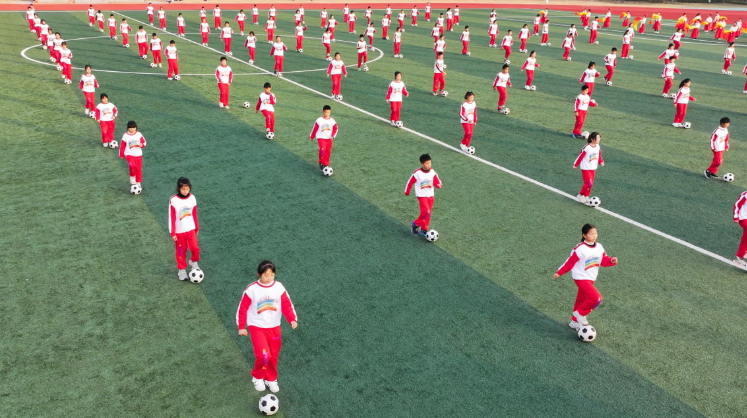
Michael Owen is not a man typically associated with highly adventurous eating habits. The former England star once famously admitted he had never even tasted tea or coffee. It was therefore quite a surprise to see him sampling local delicacies in China. He enjoyed spicy rose juice and noodle rolls during a trip to Guizhou province. The former Ballon d’Or winner was there to participate in a special match. He played for a local team in the famous Village Super League, Cun Chao. Owen managed to score twice during a thrilling but narrow four-three defeat. His presence was welcomed by thousands of enthusiastic fans gathered in the rural area. Many attendees were not familiar with his legendary status in the global game.
A local resident named May noted that many people did not know him. She explained that the older generation lacks awareness of famous figures like David Beckham. However, the community was genuinely impressed by his willingness to play with locals. Young schoolchildren had prepared for several days just to interview him in English. Owen remained remarkably patient while communicating with these eager and bright young students. The amateur tournament in Guizhou became an unexpected viral success during last year. It quickly captured the attention of tens of millions on social media platforms. Tourists soon began arriving in droves to visit the mountainous and rural community. Large crowds of over ten thousand people watched farmers and construction workers play.
Rowan Simons is an expert who founded early amateur networks in China years ago. He finds it remarkable that China is embracing amateur football after such long delays. The league has grown significantly and now features well over one hundred village teams. Its massive success has inspired local governments to replicate the model across the country. Amateur football has rapidly become a true national phenomenon with very impressive attendance. Even China’s leader, Xi Jinping, has publicly praised the movement’s vibrant community spirit. He noted that it presents a flourishing image of modern China to the world. A devoted fan named Yuming believes these leagues fill a vital social gap. He compares them to the role of college sports in the United States.
The local identity is clearly the single biggest attraction for these specific regional competitions. Supporters find it easy to connect with teams that represent their own home regions. While the passion is clear, experts remain skeptical about the long-term structural impact. Mark Dreyer is a Beijing-based expert who closely monitors the state of Chinese sports. He fears that authorities will not allow the amateur game to grow entirely organically. As these leagues become more successful, they will likely face increased state intervention. State officials often struggle to manage sports development without relying on top-down directives. Poor governance has unfortunately plagued the professional game in China for many long years.
The national football association once aimed to be a superpower by the year 2050. They envisioned millions of people participating in the sport by the early twenties. That ambitious plan was followed by an ill-fated spending spree on international stars. The strategy failed as clubs faced funding issues and various high-profile corruption scandals. Today, the men’s national team languishes near the bottom of the global football rankings. They have failed to qualify for the World Cup for many consecutive tournament cycles. Dreyer argues that this failure stems from the nation’s rigid top-down management style. Football development requires a bottom-up approach that prioritizes building a strong base foundation. China seems to prioritize elite performance over the health of the broader sporting pyramid.
The Chinese Football Association did not provide a comment regarding these serious systemic concerns. Amateur leagues like Cun Chao might initially seem like the perfect solution for growth. However, experts like Simons warn that these tournaments are not truly organic grassroots initiatives. Regional governments quickly jumped on the bandwagon to reap tourism and cultural benefits. These leagues are not connected to the professional system in any meaningful, structural way. This limits their effectiveness as a long-term pipeline for future professional football talent. For local governments, the football itself is often just a secondary part of celebrations. Match days serve as spectacles featuring food markets and local cultural shows for families.
The model is undeniably popular with the public despite these various structural limitations today. The Jiangsu Football City League is currently the most successful clone of the model. Its final match attracted over sixty thousand fans to a massive stadium venue. This figure is quite close to the record for a professional club match. Average attendance at these later rounds often exceeds that of many European leagues. Supporters hope that this exposure will inspire more children to love the game. While the transformative potential is debated, getting people involved remains a very positive development. Local residents feel a much stronger connection to these village teams than others. They see their own relatives and friends playing on the pitch every single week. This intimate bond creates an atmosphere that professional clubs simply cannot easily replicate today. The future of Chinese football remains uncertain, but the grassroots passion is undeniable.
Related News:
 Geopolitical football: Iran, Trump and the World Cup clash
 Infantino Faces Russia Threat and Trump Concerns at Uefa Congress
 Abramovich Chelsea Sale Cash Faces Jersey Probe
 African World Cup Fans Face $15,000 Entry Bond Fee
 Teenage Titan: Sooryavanshi Smashes IPL Records
 LA 2028: Millions of Affordable Olympic Tickets Announced
 Italy Faces Third Successive World Cup Absence After Loss
 Turkey End Kosovo Dreams to Secure World Cup Return
 England’s Fragile Evolution Under Thomas Tuchel at Wembley
 Sam Konstas Dropped as Australia Unveils New Contract List
 Julián Alvarez: The Silent Rise of a Global Football Icon
 England Eye Landmark 500th Game Glory in Iceland
 FIFA Confirms Global Ban for Benfica Star Prestianni
 The Global Battle for Control Over the Women’s Game
 Grand Slam Pay Row Sparks Boycott Threat from Top Players
 World Cup Ticket Price Surge Leaves Many National Teams Stunned
 Rashford Fires Barcelona to Glory in Historic El Clasico
 Ancelotti Sets High Bar for Neymar Ahead of World Cup
 Chaos at Valdebebas: Florentino Pérez Calls for Elections
 Afghan Women’s Cricket Dreams Remain Undimmed
 Captain in the Spotlight: The Future of England Cricket
 Tension Grips Mexico City Ahead of World Cup Opener
 Violence Tarnish World Cup Opener Outside Azteca Stadium
 World Cup Fury as Iran Coach Slams Fifa and US
 Tuchel’s England Mission Goes Beyond Football Success
 Iran Files Official Fifa Complaint Over World Cup Travel
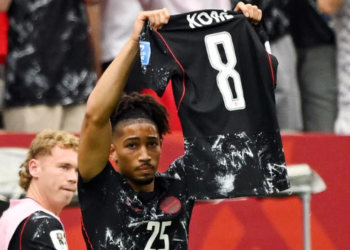 Historic Victory for Canada as They Defeat Nine-Man Qatar
 Heartbreak for Canada as Koné Suffers Horrific Injury
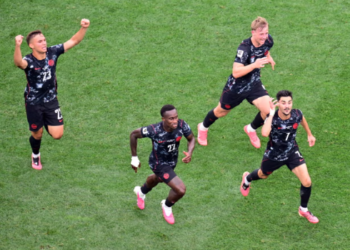 Canada Secure Historic Last 16 Spot with Late Goal
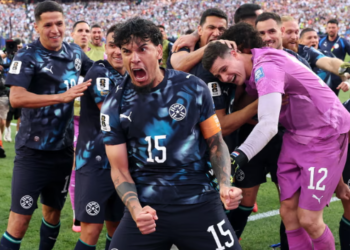 Paraguay Shock Germany in Historic Penalty Shootout
 Morocco Beat Dutch in Wild World Cup Penalty Drama
 France Dominate Sweden as Deschamps’ New Era Takes Shape
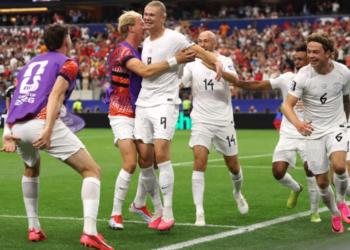 Haaland Heroics Send Norway Into Historic Last 16 Knockout
 The Last Stand of English Cricket’s Greatest Partners
 Ramos Sends Portugal into the Last 16
 VAR Drama: Portugal Win in Thriller
 Swiss Star Manzambi Shines in World Cup Victory
 Norway’s Stunning World Cup Victory Over Brazil
 Spanish Late Winner Sends Ronaldo Into Final Sunset
 Belgium Thrashes USA After Red Card Controversy
 Ronaldo Says Farewell to the World Cup Stage
 Egyptian Fury After Argentina World Cup Heartbreak
 England’s Historic Win Over India
 World Cup 2026 Power Rankings: England on the Rise
 Belgium Draws Global Support Before Spain Showdown
 Haaland and Bellingham: A Dortmund Bond Tested
 Spain Clinch Final Spot in Masterclass Victory Over France
 Saka Solidifies Role as Tuchel’s Key England Lieutenant
 Aston Villa Remain Arsenal’s Key Obstacle in Title Pursuit
 Friedman Uninvited From 2024 Adelaide Writers’ Week
 Ben Stokes injury joke after brutal ball strike
 BBC World Cup Presenting Duties Shared Among Trio
 English Cricket Faces Moral Crisis Over Indian Investment
 New Zealand Covid Response Praised Despite Lingering Scars
 Reform UK Pledges To Halt Visas Over Reparations Demands
 US and Iran Agree to Two-Week Provisional Ceasefire
 Israel Defies Ceasefire as Lebanon Operations Persist
 Islamabad Hosts Historic Peace Talks Between Iran and USA
 Trump Signals Hope for New Iran Talks as Ceasefire Fades
 Security Alert Near Israeli Embassy as Police Investigate
 US-Iran Standoff: Will Trump Deploy Ground Troops?
 Investigation Into Anti-Trump Motives After Gala Shooting
 Scott Parker Leaves Burnley After Premier League Drop
 Arteta urges Arsenal to step up in Atlético semi-final
 RFU Backs Borthwick Despite England’s Poor Six Nations
 Infantino Defends Soaring World Cup 2026 Ticket Costs
 High Stakes in Beijing as Trump and Xi Meet Amid Global Turmoil
 Fear and Betrayal: The Chilling Case of Kouri Richins
 Trump and Xi Convene in Beijing for Historic High-Stakes Summit
 Alice Capsey Sparks England Win With Brilliant Fifty
 Man City Threaten Legal Action Over Haaland Real Madrid Shirt
 Fifa Official Under Investigation Over Hand Gesture Controversy
 US Trafficking Arrest Exposes Shocking Exploitation
 Trump Signs Landmark Iran Accord in Versailles
 Grief and Devotion Amidst the Rubble of Nabatieh
 EU Slashes Steel Quotas But Grants UK Favourable Rates
 England Triumph in Azteca World Cup Thriller
 Trump Swaps Planes Amid Iran Tensions
 Yemen Accuses Iran of Violating National Sovereignty
 Houthis Strike Saudi Arabia as Middle East Tensions Rise