Published: 11 July 2026. The English Chronicle Desk. The English Chronicle Online.
England’s FIFA World Cup quarter-final against Norway is expected to deliver a major economic boost to the United Kingdom, with businesses across the retail, hospitality and entertainment sectors preparing for a surge in consumer spending worth almost half a billion pounds.
As football fever sweeps across the country, pubs, restaurants, supermarkets, cinemas, fan zones, electrical retailers and food delivery companies are reporting exceptional demand ahead of one of England’s biggest matches in recent years. Industry analysts estimate that the quarter-final alone could generate hundreds of millions of pounds in additional spending, underlining the powerful economic impact of major international sporting events.
According to new research conducted by GlobalData on behalf of VoucherCodes.co.uk, the World Cup quarter-finals are expected to inject approximately £493.6 million into the UK economy. The overwhelming majority of that figure—around £385 million—is forecast to come from England’s high-profile clash with Norway, reflecting the nation’s growing excitement as Gareth Southgate’s side continues its pursuit of World Cup glory.
Retail businesses are projected to receive approximately £280 million in additional sales, while the hospitality industry is expected to benefit by around £105 million, as millions of supporters gather in pubs, restaurants, outdoor fan parks and private homes to watch the match.

Hospitality operators believe Saturday could become one of their busiest trading days of the year.
The British Beer and Pub Association (BBPA) estimates that fans will consume an additional 5.5 million pints, generating approximately £27.5 million in extra pub sales during England’s quarter-final. Across the wider tournament, supporters are expected to drink around 9.3 million pints, highlighting the enormous commercial value of England’s progress in the competition.
Trade organisation UKHospitality reports that pub sales have already risen by approximately 77 percent on England matchdays compared with an average weekday, with operators benefiting from increased food and beverage purchases despite several fixtures being played at unusual early-morning hours.
Many venues are now preparing for record attendances.
Across London, Liverpool, Manchester and other major cities, outdoor fan zones have become some of the tournament’s biggest attractions. Thousands of supporters are expected to gather in large public viewing areas, creating an atmosphere normally associated with major football stadiums.
Among the biggest beneficiaries is entertainment company Boxpark, whose fan parks have attracted thousands of England supporters throughout the tournament.
Chief Executive Matt Snell said demand has exceeded expectations since England’s dramatic 3-2 victory over Mexico in the Round of 16.
According to Snell, around 2,000 supporters attended Boxpark Wembley during the early-morning Mexico match despite the unusual kick-off time. Tickets for Saturday’s quarter-final reportedly sold out within hours of becoming available, demonstrating the extraordinary appetite among England fans.
He estimates each World Cup match could generate approximately £500,000 through ticket sales, food and beverages.
Snell added that should England reach the World Cup final, the commercial impact would rival the company’s busiest Christmas trading period, illustrating the remarkable financial opportunity created by the national team’s success.
While England supporters dominate many fan parks, Norwegian fans are also creating a vibrant atmosphere throughout Britain.
At London’s Kenton Arms, widely recognised as a social gathering place for the Norwegian community, owner Egil Johansen expects the majority of Saturday’s crowd to support Norway.
The venue has embraced Norwegian traditions throughout the tournament, serving authentic food and beverages including Akevitt, the traditional Scandinavian spirit flavoured with herbs such as caraway and dill.
Johansen said the pub reached its maximum capacity during Norway’s previous match against Brazil, with supporters arriving well before kick-off to secure entry. The World Cup, he explained, has provided a significant commercial boost while strengthening community connections among Norwegians living in Britain.
Entertainment venues beyond traditional pubs are also experiencing increased demand.
Cinema chains including Vue and Picturehouse are screening the match on large cinema screens alongside their regular film programmes, allowing supporters to enjoy a stadium-like viewing experience.
Meanwhile, Manchester’s Co-op Live arena will host its first international football screening at the venue’s 2,000-capacity Vertu Place fan zone. Organisers confirmed tickets, priced at £10 each, sold out within forty-eight hours of release.
Retailers are similarly benefiting from football enthusiasm.
Online electrical retailer AO.com reports television sales increased by 23 percent year-on-year throughout June, with many households upgrading to larger screens before England’s knockout fixtures.
Analysts believe television purchases will continue rising should England advance to the semi-finals and potentially the final, as families prepare to host friends and relatives for home viewing parties.
Supermarkets have also experienced exceptionally strong demand.
Tesco reported significant increases in orders placed through its rapid delivery platform, Whoosh, during England’s victory over Mexico. Customer demand peaked in the hours leading up to kick-off as households stocked up on snacks, drinks and frozen food.
Sales data revealed purchases of ice cream rose by 64 percent, while large sharing bags of crisps and snacks increased 45 percent. Lager sales climbed 44 percent, prompting Tesco to extend delivery operating hours to accommodate increased customer demand.
The company described the Mexico match as one of the busiest trading days ever recorded for its rapid delivery service.
Food delivery companies have experienced similar trends.
Deliveroo reported that overnight orders during England’s last-16 victory almost doubled compared with equivalent periods the previous week.
Demand for sparkling wine and popcorn nearly tripled in the hours before kick-off, while coffee orders doubled as supporters prepared to stay awake for the early-morning fixture.
When the final whistle sounded around 4 a.m., pizza and burger orders tripled as fans celebrated England’s dramatic victory.
Mobile network operator O2 also observed dramatic changes in consumer behaviour through internet traffic patterns.
According to the company, usage of food delivery applications increased by 169 percent before kick-off, while BBC iPlayer traffic surged by an extraordinary 24,581 percent at the conclusion of the match as viewers tuned in to post-match coverage.
Ride-hailing platform Uber also experienced a 192.6 percent increase in demand immediately after the game, suggesting many supporters travelled between homes, pubs and public viewing events throughout the night.

Economists note that major sporting tournaments frequently provide short-term economic stimulus, particularly for sectors directly connected to hospitality, retail and entertainment.
Although the wider economic impact remains temporary, businesses view international football competitions as valuable opportunities to increase revenue during periods that might otherwise experience more modest consumer spending.
With favourable summer weather encouraging outdoor gatherings and England continuing to advance through the tournament, industry leaders believe Saturday’s quarter-final could become one of the biggest commercial events of the year.
Should England overcome Norway and secure a place in the World Cup semi-finals, many retailers expect consumer confidence and spending to rise even further, extending the economic benefits well beyond the football pitch.
As millions of supporters prepare to cheer on England, businesses across Britain are hoping the national team’s success will deliver another memorable victory—not only in sporting terms, but also for the UK economy.
Related News:
 Safeguarding Probe Limits West Ham Owner’s Role
 England Cruise Past Costa Rica as World Cup Warm-Up Sharpens Tuchel’s Vision
 Inside the Three Lions: Bellingham Reveals Euro 2024 Flaws
 Declan Rice Facing Burnout as Tuchel Confronts Midfield Crisis
 Morocco Beat Dutch in Wild World Cup Penalty Drama
 England’s 10 Men Hold Firm in World Cup Thriller
 Kylian Mbappé Slams Paraguayan Senator Over Racist Attack
 Reeves Faces Setback as Labour May Miss Homes Target
 Trump’s UK Ambassador Urges North Sea Drilling to Strengthen US Ties
 Granit Xhaka Rescue Earns Everton Draw at Sunderland
 M&S Profits More Than Halve After Cyber-Attack
 Tony Blair think tank warns Rachel Reeves must cut taxes if manifesto broken
 Bellingham has ‘the edge’ among England No 10s
 Man City Masterclass on Guardiola’s Milestone Day Exposes Liverpool Woes
 Millionaires group urge Reeves to introduce wealth tax to ‘lift kids out of poverty’
 VAR Must Rein Its Neck In to Save Football’s Spirit
 Mary Earps’s Manchester United Return Faces Mixed Reception
 Former Lion Heskey Warns of Shortage of England Strikers
 Global markets drop amid tech sell-off and China slowdown
 Mossmorran Plant Closure Hits Cowdenbeath Hard
 Starmer Says Labour’s Economic Plan Needs Years to Deliver
 Virgin Media Fined £23.8m Over Telecare Safety Failures
 Rising Water Bills Lift Troubled Thames Back to Profit
 Stokes urges empathy for England players amid Ashes struggles
 Starmer Faces Parliamentary Battles Over UK-EU ‘Reset’ Plan
 Phoenixism Costs UK Taxpayers Millions in Recruitment Sector
 ScottishPower Tops List of Worst UK Energy Suppliers
 City & Guilds pay surge sparks backlash amid £22m cuts
 UK Government Borrowing Drops to £11.6bn in December
 AI job losses UK: Britain faces sharper employment shock
 UK Unemployment Rate Climbs to 5.2% Peak
 UK shelves £110m border project amid trade strain
 BBC World Cup Presenting Duties Shared Among Trio
 Reeves Must Back Defence Plan or Face Dismissal, Says Unite Chief
 Switching Energy Deal Can Save £200 as Price Cap Falls
 Rachel Reeves Faces Middle East Conflict Test
 Grocery Inflation Rises Amid War Fears
 Peak Greggs fears as profits tumble sharply
 BrewDog sold Highland estate for knockdown price after abandoning reforestation plans
 Abramovich Chelsea Sale Cash Faces Jersey Probe
 UK Energy Reform Could Cut Bills by £200
 Rising Costs Force Families to Rethink Days Out
 Aegon Sells Historic UK Arm to Standard Life for £2bn
 UK Staycations Rise as Travel Fears Grow
 Scott Parker Leaves Burnley After Premier League Drop
 $13bn World Cup Set to Break All Revenue Records
 Silent Tracks: Rail Line Without Passengers
 Heathrow Chair Seeks Peace to Save Third Runway
 RFU Backs Borthwick Despite England’s Poor Six Nations
 Lotus Boss Pledges Future to Norfolk and Seeks State Support
 UK Firms Freeze Spending as Iran Conflict Bites
 Summer Shock: British Energy Bills Set for Grim July Hike
 Reeves to Fast-Track Clean Energy Amid Iran Crisis
 The Battle for Wembley Sparking Unprecedented Legal Warfare
 Tuchel Defends Tough England Squad Decisions
 Tube Strike Brings Capital to a Standstill Over Shift Disputes
 Tube Strike Brings Capital to a Standstill Over Shift Disputes
 BP Stands Firm on Amanda Blanc Amid Boardroom Storm
 UK House Prices Drop For Third Month Due To War Fears
 Top Chefs Back Andy Burnham to Save UK Hospitality Sector
 Captain in the Spotlight: The Future of England Cricket
 Saka Playing Through Pain As England World Cup Campaign Looms
 AI Scams Push UK Investment Fraud Past £220m
 Williams Sisters Reunite for Wimbledon Icon Return
 Rethinking the Blueprint for Youth Employment in Britain
 Martinelli Strikes Late as Brazil Edge Past Brave Japan
 EU Slashes Steel Quotas But Grants UK Favourable Rates
 Sainsbury’s Boss Optimistic As Grocery Inflation Eases
 UK Households Suffer Squeeze As Disposable Incomes Drop
 France Dominate Sweden as Deschamps’ New Era Takes Shape
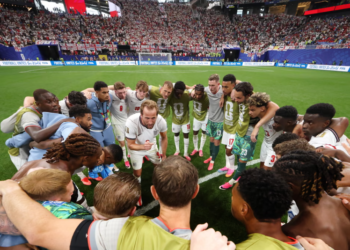 Kane Saves Tuchel as England Survive Dramatic Exit
 Taylor Swift and Travis Kelce Marry at Madison Square Garden
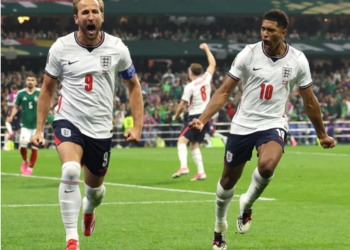 England Triumph in Azteca World Cup Thriller
 Trump’s Red-Card Intervention Hurts the US World Cup
 Trump Intervenes in Fifa World Cup Balogun Ban
 USA World Cup Heartbreak: Belgium Ends Their Dream
 Mbappé Brilliance Leads France Into Semi-Finals
 Spain’s Superstar Fan: Keyne Yamal Steals the Spotlight
 Lamine Yamal’s Birthday: Football, Fame, and France
 BBC Faces Real Jeopardy as Licence Fee Income Declines