Published: April 7, 2026. The English Chronicle Desk. The English Chronicle Online — Insightful analysis of global finance, markets, and the music industry.
The global music industry was sent into a state of high-octane speculation on Monday morning following the bombshell announcement that Bill Ackman’s hedge fund, Pershing Square Capital Management, has submitted a formal takeover offer for Universal Music Group (UMG). The move marks a dramatic escalation in Ackman’s long-standing fascination with the world’s largest music company, in which he already holds a significant 10% stake. While the exact valuation of the offer remains under a strictly guarded non-disclosure agreement, Wall Street insiders suggest the deal could value the music titan at a staggering €45 billion to €50 billion, representing a substantial premium over its current market capitalization on the Euronext Amsterdam.

The logic behind Ackman’s aggressive play is rooted in his vocal belief that music rights are “the ultimate royalty” in a digital-first economy. Since Pershing Square first invested in UMG during its 2021 spin-off from Vivendi, Ackman has consistently argued that the market underestimates the long-term compounding value of streaming and the burgeoning role of Artificial Intelligence in music monetization. By taking the company private, or moving it to a U.S.-based exchange, Ackman likely intends to restructure the company’s capital allocation and accelerate its expansion into emerging markets where streaming penetration is still in its infancy. This “takeover” is not merely a financial transaction but a strategic bet on the future of intellectual property in the age of generative AI.
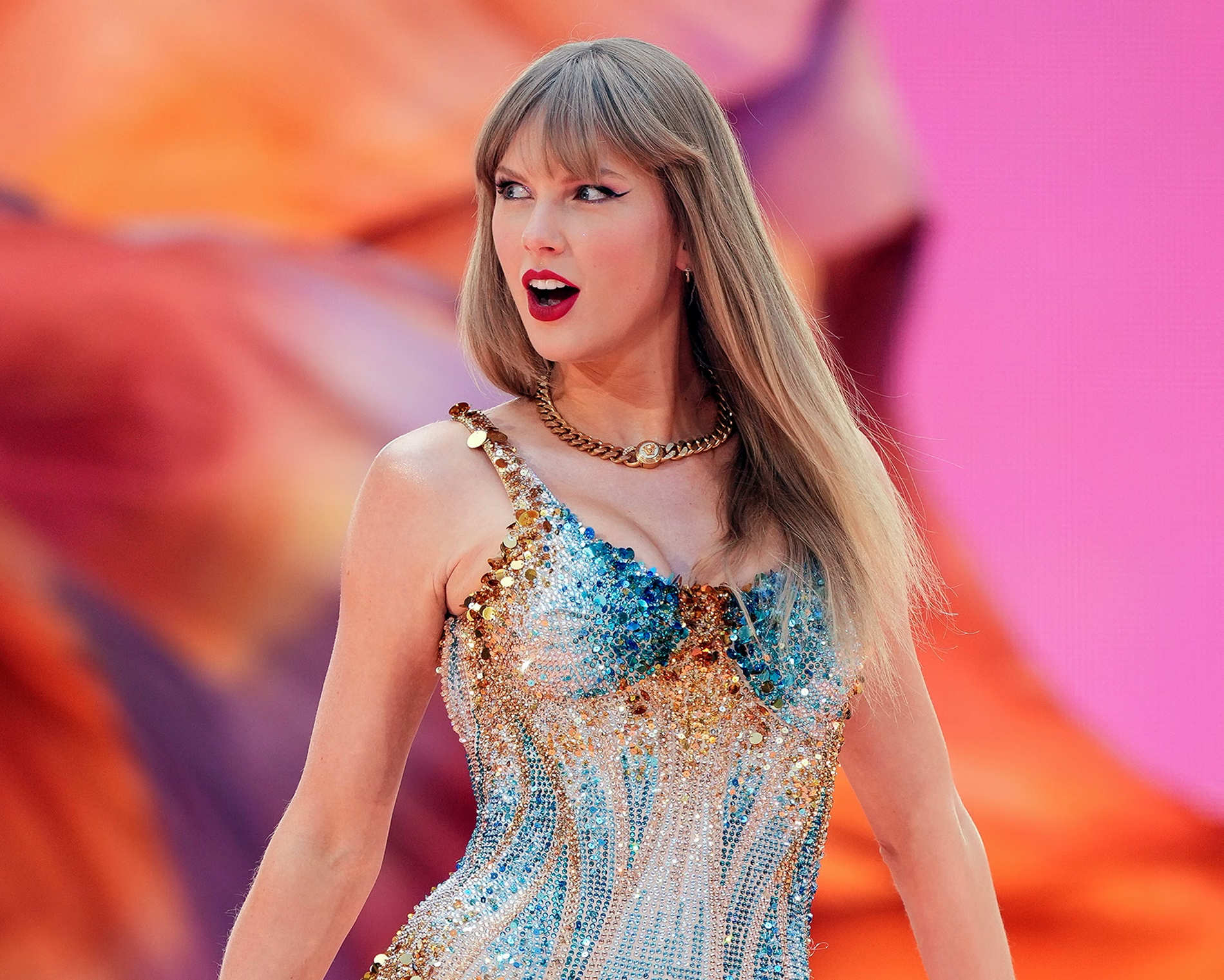
Universal Music Group, led by its legendary Chairman and CEO Sir Lucian Grainge, currently commands a roster that includes global icons such as Taylor Swift, Drake, and Billie Eilish. The company has recently reported record-breaking quarterly revenues, driven by a surge in “superfan” monetization strategies and a series of lucrative licensing deals with social media platforms. However, some institutional investors have expressed concerns over the slowing growth of traditional streaming subscriptions in North America and Europe. Ackman’s intervention is seen by some as a necessary catalyst to pivot the company toward more aggressive direct-to-consumer models and the integration of blockchain-based royalty tracking, which could theoretically eliminate “leakage” in the global payments system.
The reaction from the UMG board of directors has been characteristically measured. In a brief statement released from their Hilversum headquarters, the board confirmed receipt of the “unsolicited, non-binding expression of interest” and stated that they would evaluate the proposal in the context of the best interests of all stakeholders, including minority shareholders and the artists themselves. The news caused UMG shares to jump by over 12% in early trading, while Tencent and Vivendi—the other major shareholders in the group—have yet to publicly comment on whether they would support a total buyout or prefer to remain part of the current ownership structure.

If successful, this would represent one of the largest private equity-style takeovers in the history of the media and entertainment sector. It would also place Bill Ackman at the helm of a cultural powerhouse that dictates the listening habits of billions. For the artists, the move raises questions about the future of creative independence under a hedge fund-controlled regime, while for the financial world, it confirms that the “streaming wars” have entered a new, more predatory phase. As the due diligence process begins, the industry watches to see if Ackman can hit the right note to convince a cautious board that Pershing Square is the best custodian for the world’s most valuable music catalog.
Related News:
 Reform Plans to Keep UK’s Budget Watchdog in Office
 Tories Call for Rethink of Parliament Revamp Plans
 UK Inflation Rate Falls to 3% in Year to January
 Reeves Blocking Spending Boost for Defence
 Jenrick: I’ll Back OBR but There’ll Be No More Cosy Consensus
 Another U-turn Ahead as Labour Reconsiders Youth Minimum Wage
 Live Markets Bet on Spring Rate Cut as Inflation Falls
 City Bets on Rate Cuts as Unemployment Soars
 Global markets face turmoil as Hormuz crisis deepens
 Tim Wilson Sells Out Controversial Share Market Bet
 Fuel Price Rise Makes Profit ‘Tricky’ for Taxis
 Wealthy Britons Flee Gulf War but Avoid UK Taxes
 UniCredit’s Bold Move to Reshape European Banking
 Close Brothers to Axe 600 Jobs in £85m Cuts
 India’s $300bn Outsourcing Industry Faces AI Test
 UK Wage Growth Slows as Jobs Market Holds Firm
 Oil and Gas Prices Surge Amid Iran-Israel Attacks on Gasfields
 Estate of Late Tycoon Mike Lynch to Pay £920m
 NS&I Boss Replaced Amid Saver Delays
 FCA to Unveil Final Rules for Car Finance Redress Scheme
 Badenoch Demands Energy Tax Cuts Over ‘Benefit Street’ Bailouts
 Australia Halves Fuel Tax and Offers Free Transport Amid Crisis
 Tories Urge Three-Year VAT Scrap on Energy Bills to Combat Price Spike
 Oil Markets Surge as Investors Await Trump’s Final Iran Ultimatum
 Global Oil Markets Volatile After Trump’s Profane Threat to Iran
 Post Office Scandal Compensation Tops £1 Billion as Victims Finally See Justice
 Tensions Unfold in Market Harborough as Asylum Seeker Hotel Sparks Divisive Protests
 China’s crackdown on civil servant perks sparks economic concerns
 Chancellor Rachel Reeves Pushes for Sweeping Changes to Environmental Protections to Accelerate Development
 Inflation Latest: Cost of Living Expected to Rise Again in Key Figures Released Today
 Shein UK Faces Allegations of Shifting Majority of Profits to Singapore to Reduce UK Tax
 Big Pharma Investment Freeze Puts UK Life Sciences Sector Under Strain
 Jaguar Land Rover Extends Production Halt Following Cyber-Attack
 Great Britain’s Energy Operator Commits to Strengthening Grid to Prevent Blackouts
 UK House Price Growth Slows as Buyers Exercise Caution Ahead of Autumn Budget
 Kemi Badenoch Unveils ‘Golden Rule’ to Halve Spending Cuts for Deficit Reduction at Tory Conference
 New V-Level qualification to transform post-16 education
 Real living wage set to rise nearly 7% for UK workers in 2026
 Reeves Faces Setback as Labour May Miss Homes Target
 Virgin Trains Moves Closer to Challenging Eurostar Monopoly
 Trump’s UK Ambassador Urges North Sea Drilling to Strengthen US Ties
 Ryanair Chief UK Economy ‘Doomed’ Under Labour
 M&S Profits More Than Halve After Cyber-Attack
 Millionaires group urge Reeves to introduce wealth tax to ‘lift kids out of poverty’
 From Lego to Pokémon: How Adults Are Driving UK Toy Market Growth
 Canada Passes Carney’s First Budget in Tight Parliamentary Vote
 Starmer Says Labour’s Economic Plan Needs Years to Deliver
 Historic £100-Weekly Pension Boost Brings Relief for UK Mineworkers
 FTSE 100 Hits 10,000: UK Market Celebrates Record Year
 US Dollar Hits Four-Year Low Amid Market Turmoil
 UK New Car Discounts Near £6,000 as Prices Are Slashed
 Pound Sinks and Borrowing Costs Rise as Starmer Fights for Job
 Major UK Clothing Firm Collapses into Administration — 109 Jobs at Risk
 BT Names New Openreach Chief Amid Major Fibre Expansion
 Is Dining Out Dying Out?
 Could Manchester Lead the UK’s Economic Revival?
 Lloyds Boss Accepts Concern Over Use of Staff Data in Pay Talks
 AI Coding Firm’s ‘Pride’ at Business Award Win
 Uncertainties Loom for Businesses and Consumers After Trump’s Tariff Changes
 UK Job Vacancies Hit Five-Year Pandemic Low
 Trump’s new tariff takes effect at lower than expected rate
 UK Youth Unemployment Surges Amid Tax Changes
 Strong Rebound for UK Housing Market Sees 6% More Homes
 Bill Gates ‘Took Responsibility’ Over Epstein Ties in Staff Meeting, Foundation Says
 Burger King Rolls Out AI Headsets to Track Employee ‘Friendliness’
 Switching Energy Deal Can Save £200 as Price Cap Falls
 Oil Prices Surge Above $100 Amid Iran War
 Abramovich Chelsea Sale Cash Faces Jersey Probe
 ‘Heating Oil Suppliers Are Holding Us to Ransom’ as Prices and Cancellations Surge
 Sri Lanka Sets Weekly Shutdown to Save Fuel
 Charity Watchdog Takes Control of Learning Disability Care Home
 English Football’s Managerial Merry-Go-Round Has Become a Circus
 The 8 Million Dilemma: Why Britain’s Disability Safety Net is Facing a ‘2026 Reckoning’
 The ‘Peterborough Windfall’: Council Calculator Finds £84,800 in Unclaimed Support
 Russia: The Unforeseen Winner of the Iran Conflict
 Can Congress Stop US Sports Teams From Moving Cities?
 National Treasure: Raja Ravi Varma Masterpiece Smashes Indian Art Record with $17.9m Sale
 New UK Farm Inheritance Tax Rule Will Cause ‘Significant Challenges’, Say Accountants
 Oil and Diplomacy: Russian Refineries Burn as Zelenskyy Secures Middle East Shield
 Asian Powers Secure Energy Lifelines as Trump’s Hormuz Deadline Looms