Published: 17 April 2026. The English Chronicle Desk. The English Chronicle Online
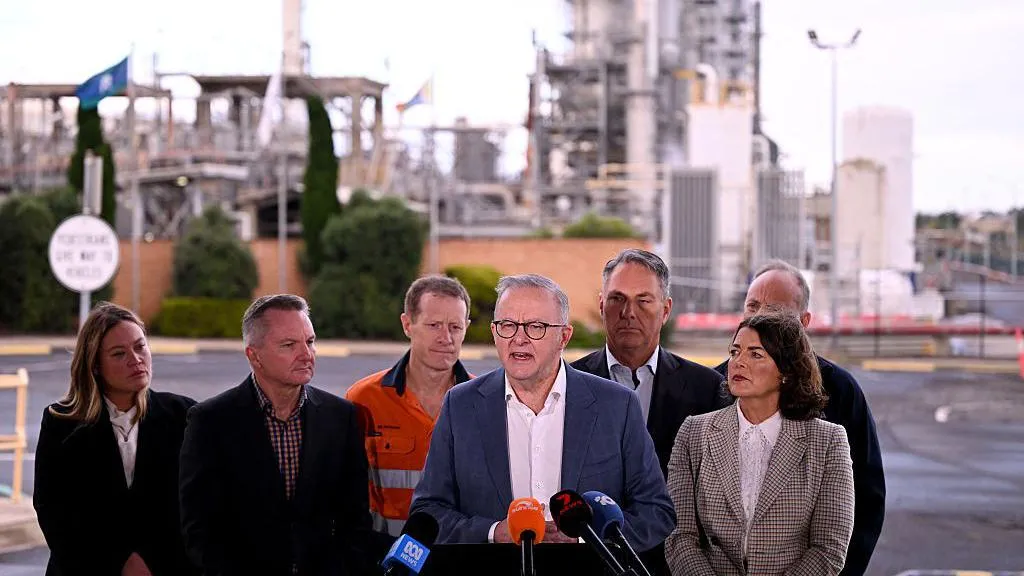
Prime Minister Anthony Albanese has delivered a firm message of stability to the Australian public, declaring that a massive fire at one of the nation’s two remaining oil refineries will not trigger fuel rationing. Speaking from the Geelong facility today after cutting short a diplomatic mission to Southeast Asia, the Prime Minister moved to quell rising anxiety over national energy security. While the blaze at Viva Energy’s Corio refinery has significantly hampered petrol production, Albanese insisted that strategic reserves and newly secured international shipments are sufficient to keep the country moving without the need for the “Stage Three” restrictions seen during previous global energy crises.

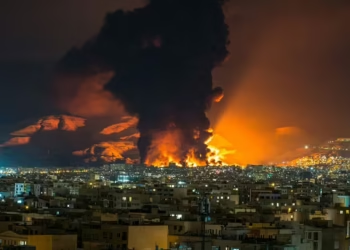
The fire, which erupted just before midnight on Wednesday, tore through the refinery’s gasoline-producing complex, sending plumes of thick, black smoke over the city of Geelong and triggering emergency warnings for local residents. Fire Rescue Victoria battled the 60-meter-high flames for over 13 hours before bringing the incident under control. While no injuries were reported, the structural damage to the “motor gasoline unit” is extensive. As of Friday morning, the refinery is operating at a fractured capacity: approximately 80% of diesel and aviation fuel production remains online, but petrol output has been slashed to just 60%, a blow to a facility that typically provides half of Victoria’s fuel and 10% of the national supply.
The timing of the disaster is particularly sensitive, as Australia is already grappling with a global oil supply crunch exacerbated by the ongoing Iran war. The Prime Minister’s visit to Brunei, Singapore, and Malaysia this week was specifically designed to shore up the “sovereign buffer.” Today, Albanese confirmed that the government’s new strategic reserve powers have already been activated, with an additional 100 million liters of diesel secured from Brunei and South Korea. “We are in a volatile period globally,” the Prime Minister told reporters against the backdrop of the charred processing towers, “but our advice today is clear: the national supply remains secure. We are not moving to rationing.”
Energy Minister Chris Bowen, who has been coordinating with industry leaders since the first explosions were reported, warned that while rationing is off the table, localized price “spikes” are almost inevitable. The Geelong refinery is one of only two active plants left in Australia—the other being Ampol’s Lytton refinery in Brisbane—highlighting what experts call a “dangerous concentration” of critical infrastructure. Industry analysts suggest that the loss of a significant portion of domestic petrol refining will force a greater reliance on imported refined products, leaving the Australian motorist even more exposed to the price swings of an unstable international market.

As Viva Energy begins the long process of assessing the damage and planning repairs, the political focus has shifted to the broader issue of national resilience. The Greens and some independent MPs have used the incident to call for a faster transition away from fossil fuel dependence, while the Coalition has questioned the government’s delay in expanding domestic refining capacity. For now, however, the government’s priority is maintaining “Stage Two” of the National Fuel Security Plan—a phase that emphasizes monitoring and voluntary conservation. For the millions of Australians watching the rising numbers at the pump, the Prime Minister’s promise is a fragile one: the lights will stay on, and the cars will keep running, but the “cheap fuel” era feels further away than ever.
Related News:
 Energy Firms Keep Fuel Price Hike ‘Under Scrutiny’
 US Eases Sanctions on Russian Oil Sales to India During Iran Conflict
 Cost of Living Crisis Returns to Centre Stage
 Gulf Oil Shock Sends Global Economic Ripples
 Iran Rejects Ceasefire, Warns Trump With Chilling Message
 Labour Plans Nuclear Investment Summit Days After Holyrood Election
 UK Fuel Tax Hike Plan to Be Kept Under Review Over Iran Conflict
 Sri Lanka Sets Weekly Shutdown to Save Fuel
 Trump to Deploy “God Squad” Over Gulf Wildlife Protections
 British Businesses Braced as National Living Wage Hits £12.71 Published: 1 April 2026
 India’s High-Growth Economy Braces for a Middle East Oil Shock
 Modi’s London Visit Seals Historic UK-India Trade Pact Amid Global Tensions
 Chancellor Rachel Reeves Pushes for Sweeping Changes to Environmental Protections to Accelerate Development
 Senior Tories Condemn Badenoch’s Vow to Repeal Climate Change Act as Catastrophic
 Kemi Badenoch Unveils ‘Golden Rule’ to Halve Spending Cuts for Deficit Reduction at Tory Conference
 Lucy Powell urged ministers to reconsider costly legal case for Labour donor’s firm
 Trump’s UK Ambassador Urges North Sea Drilling to Strengthen US Ties
 MPs Press Rachel Reeves to Hike Gambling Taxes
 Millionaires group urge Reeves to introduce wealth tax to ‘lift kids out of poverty’
 Canada Passes Carney’s First Budget in Tight Parliamentary Vote
 PM Highlights UK Business at G20 in South Africa
 India’s Labour Law Overhaul Sparks Fierce Debate
 “Enough is Enough”: Local MP Vows to Fight Rainham Quarry Plans
 Starmer Says Labour’s Economic Plan Needs Years to Deliver
 Starmer links foreign trips to tackling cost of living crisis
 China Dependence Threatens UK Energy Supply Chains and Jobs
 BP’s Influence Sparks Controversy in UK STEM Education
 MPs warn AI financial risks threaten UK stability
 MPs warn AI financial risks threaten UK stability
 No Gas Boiler Ban as UK Warm Homes Plan Backs Heat Pumps
 Labour Must Revive High Streets to Avoid Election Collapse
 UK food industry urges transition if post-Brexit rules reset
 AstraZeneca China Investment Signals Strategic Shift Abroad
 Reform UK Taps Boris Ally to Shape Party Nature Agenda
 Could Manchester Lead the UK’s Economic Revival?
 Santos Wins Landmark Greenwashing Case in Court
 Reform Plans to Keep UK’s Budget Watchdog in Office
 Jenrick: I’ll Back OBR but There’ll Be No More Cosy Consensus
 Another U-turn Ahead as Labour Reconsiders Youth Minimum Wage
 Sanders Condemns Billionaire ‘Greed’ in California Tax Debate
 UK Sees Record £30.4bn Budget Surplus, Boosting Reeves’ Position
 Ministers Urged to Ban Crypto Political Donations
 Germany Faces Backlash Over Scrapped Renewable Heating Mandate
 Reeves Must Back Defence Plan or Face Dismissal, Says Unite Chief
 Miliband Says Climate Impact of Data Centres Is Uncertain
 Labour’s Employment Shake‑Up ‘Makes Britain Worse Than France’
 Venezuela and US to Work Together on Mining Developments, Rodríguez Says
 Iran War Raises Questions Over China’s Global Plan
 Fuel and Remittances: How Iran Conflict Hits India At Home
 US Says 16 Iranian Mine Ships Destroyed in Hormuz
 US Launches Probe into Trading Partners Including EU, China, and India
 Oil Price Jumps Despite Deal to Release Record Amount of Reserves
 ‘Heating Oil Suppliers Are Holding Us to Ransom’ as Prices and Cancellations Surge
 Philippines energy emergency sparks coal power surge
 Badenoch Demands Energy Tax Cuts Over ‘Benefit Street’ Bailouts
 Tories Urge Three-Year VAT Scrap on Energy Bills to Combat Price Spike
 Starmer Launches Labour Local Election Campaign Under Shadow of ‘Bloodbath’ Predictions
 Zelensky Looks to Gulf to Protect Him from Putin
 The 8 Million Dilemma: Why Britain’s Disability Safety Net is Facing a ‘2026 Reckoning’
 The ‘Peterborough Windfall’: Council Calculator Finds £84,800 in Unclaimed Support
 Can Congress Stop US Sports Teams From Moving Cities?
 The “Citrus” Shift: Marmalade to be Legally Rebranded in Post-Brexit Food Realignment
 Fuel Duty Relief Plea Amid Middle East Oil Crisis
 Hungary Claims Plot to Target Gas Pipeline Pre-Vote
 Tax Shift Hits UK Farms: New Inheritance Rules Begin
 Oil and Diplomacy: Russian Refineries Burn as Zelenskyy Secures Middle East Shield
 “A Perfect Storm”: UK Small Businesses Face Doubling Energy Bills as Iran War Rattles Markets
 Asian Powers Secure Energy Lifelines as Trump’s Hormuz Deadline Looms
 Oil Markets Surge as Investors Await Trump’s Final Iran Ultimatum
 The $100 Billion Peace: Trump’s ‘Grand Bargain’ Ends Iran Conflict at a Staggering Cost
 UK Fossil Fuel Expansion Risks Global Climate Collapse
 The ‘Relief Rally’: Global Markets Surge as Oil Prices Tank on 14-Day Truce
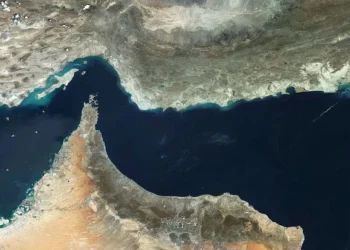 The Great Chokehold: Why the Strait of Hormuz is the Epicenter of the 2026 Crisis
 Global Commerce Crisis: Cooper Demands Immediate, Toll-Free Access to Hormuz
 The Prediction Prohibition: White House Staff Barred from Betting on Political Markets
 Relief at the Pump: Irish PM Unveils €505m Package to Stem Fuel Crisis
 Policy Stand-Off: Streeting Denies Any ‘System Update’ to Resident Doctor Pay Deal
 Diplomatic Deadlock: Lebanon Enters High-Stakes Border Talks with ‘No Cards to Play’
 Trump Slams UK Ties and Threatens To Rewrite Trade Deal
 The Great British Debate: Guns, Butter and National Safety