
Published: 1 May 2026. The English Chronicle Desk. The English Chronicle Online
As the UK enters the early May bank holiday weekend—predicted to be the busiest on the roads in a decade—millions of drivers are facing a “forecourt sting” that shows little sign of fully subsiding. While the initial “rocket-like” surge of March has softened into a “feather-like” decline, the ongoing Iran war and the closure of the Strait of Hormuz continue to keep petrol and diesel prices at levels that would have seemed unthinkable just six months ago.
Today, the average cost of filling a family car with unleaded has hit £86, while diesel drivers are facing a staggering £104 per tank—a £27 increase compared to this time last year.

Following the peak volatility of late March and early April, prices have begun a slow, agonizing crawl downward, but remain highly elevated.
The Petrol Outlook: Unleaded has dipped slightly from its early-April peak of 160p per litre to an average of 157.2p today. However, the RAC warns that because the retail-to-wholesale spread remains tight, petrol prices may actually see a 1-3p increase in the coming days.
The Diesel Divergence: Diesel has seen a more significant “pullback,” dropping from a peak of 193p to approximately 189.2p. Analysts suggest there is room for diesel to fall a further 2–4p this week, provided wholesale costs don’t spike again.
The “Hormuz” Premium: The ongoing disruption in the Middle East—responsible for 20% of global oil trade—has added what experts call a “security premium” of roughly 15-20p per litre to the base price of UK fuel.
Many motorists are asking why pump prices aren’t falling as fast as the recent (slight) dips in Brent Crude would suggest.
“Rocket and Feather” Pricing: The Competition and Markets Authority (CMA) has previously highlighted this phenomenon, where retailers are quick to hike prices when oil rises but “painfully slow” to pass on savings when wholesale costs drop.
The Jet Fuel Competition: Because the Iran war has disrupted the supply of “middle distillates,” diesel is currently competing for refinery space with aviation fuel. As air travel surges for the summer season, this competition keeps diesel prices artificially high.
The Supermarket Squeeze: Unlike previous years, the “Big Four” supermarkets (Tesco, Asda, Sainsbury’s, Morrisons) are no longer engaging in aggressive price wars. Retail margins have risen by an estimated 6p per litre compared to pre-pandemic levels.
The high cost of fuel is doing more than just draining holiday budgets; it is fueling a broader “national security emergency” of inflation.
Stagflation Risk: With inflation hitting 3.3% in March, economists warn the UK is entering a period of “stagflation”—where prices rise while the economy remains stagnant.
The Grocery Connection: As we saw with the “billions of meals at risk” warning from fertilizer bosses, the high cost of diesel for tractors and delivery lorries is directly feeding into the price of bread, milk, and eggs.
The “Dopamine Desert”: For the 19 million people planning leisure trips this weekend, fuel costs have turned a simple drive into a source of financial stress. 8% of drivers say they will drive a shorter distance this weekend specifically to save on petrol.
With the King’s Speech approaching on May 13, there is mounting pressure on the Chancellor to extend the 5p fuel duty cut, which was originally intended to be temporary.

“The government cannot talk about ‘resilience’ while the average worker is paying £100 just to get to work,” said one motoring lobbyist. “We need more than just a duty freeze; we need a transparency mandate that forces retailers to pass on wholesale drops immediately.”
As the Southbank Centre celebrates 75 years and the RHS Wisley wisteria blooms, the UK’s roads remain a mirror of the global crisis. For those heading out this bank holiday, the advice remains the same: shop around. Northern Ireland remains the cheapest place in the UK for fuel (135.5p for petrol), proving that even in a global war, local competition still has the power to shave a few pounds off the bill.
Related News:
 The Iron Horse Returns: Borders Railway Extension Business Case Set for Late 2027
 David Lammy Faces Possible Legal Challenge Over Foreign Office Secondment Scheme
 Grant Shapps Cleared to Join Defence Startup Despite Ethical Concerns
 Chancellor Rachel Reeves Pushes for Sweeping Changes to Environmental Protections to Accelerate Development
 Starmer Urged to Champion Workers’ Rights Amid Low Public Awareness
 Rachel Reeves Hosts Top UK and US Financial Executives as Trump’s State Visit Begins
 King Charles Earns Over £1 Million from Duchy Land Linked to Scrapped HS2 Project
 Gatwick Secures Approval for £2.2bn Second Runway Expansion
 Senior Tories Condemn Badenoch’s Vow to Repeal Climate Change Act as Catastrophic
 Kemi Badenoch Unveils ‘Golden Rule’ to Halve Spending Cuts for Deficit Reduction at Tory Conference
 UK Labour Market Shows Signs of Stabilising After Job Losses
 Lucy Powell urged ministers to reconsider costly legal case for Labour donor’s firm
 Miliband Promises New Nuclear Stations if SNP Ousted
 Rachel Reeves to lead UK trade push in Saudi Arabia amid rights debate
 Trump’s UK Ambassador Urges North Sea Drilling to Strengthen US Ties
 Rachel Reeves Set to Break Labour Pledge and Raise Income Tax
 MPs Press Rachel Reeves to Hike Gambling Taxes
 Cuts to home insulation funding threaten UK climate goals
 Millionaires group urge Reeves to introduce wealth tax to ‘lift kids out of poverty’
 PM Highlights UK Business at G20 in South Africa
 English Mayors Set to Introduce Tourist Taxes
 Starmer Says Labour’s Economic Plan Needs Years to Deliver
 China Dependence Threatens UK Energy Supply Chains and Jobs
 MPs warn AI financial risks threaten UK stability
 MPs warn AI financial risks threaten UK stability
 UK Government Borrowing Drops to £11.6bn in December
 Labour Must Revive High Streets to Avoid Election Collapse
 Barclays drops Global Counsel after Mandelson link scrutiny
 Could Manchester Lead the UK’s Economic Revival?
 Royal Mail Blames Poor Weather and Sickness for Delayed Deliveries
 Robert Jenrick to Be Unveiled as Reform UK’s Treasury Spokesman, Reports Say
 Reform Plans to Keep UK’s Budget Watchdog in Office
 Tories Call for Rethink of Parliament Revamp Plans
 Jet2 Hands Passengers Life Ban After Mid‑Air Brawl
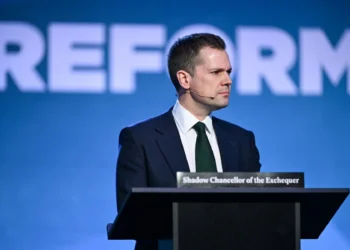 Jenrick: I’ll Back OBR but There’ll Be No More Cosy Consensus
 Another U-turn Ahead as Labour Reconsiders Youth Minimum Wage
 UK Sees Record £30.4bn Budget Surplus, Boosting Reeves’ Position
Storm Hernando: Edinburgh Airport Flights Cancelled in US Travel Chaos
UK Sees Record £30.4bn Budget Surplus, Boosting Reeves’ Position
Storm Hernando: Edinburgh Airport Flights Cancelled in US Travel Chaos
 Luxury Airbnb Cabins With Hot Tubs Must Be Demolished After Planning Ruling
 Ministers Urged to Ban Crypto Political Donations
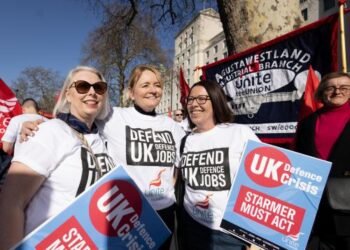 Reeves Must Back Defence Plan or Face Dismissal, Says Unite Chief
 OBR Reform Row Deepens Before Spring Forecast
 Labour’s Employment Shake‑Up ‘Makes Britain Worse Than France’
 Minister Visits Leonardo After £1bn Deal Secured
 Reeves Faces Triple Threat as Markets Reel From Global Turmoil
 Drivers Warned to Cut Journeys as Fuel Prices Surge
 Cost of Living Crisis Returns to Centre Stage
 Courier Firm Bust After 14 Years as Evri Deliveries Face ‘Temporary Disruption’
 UK Fuel Tax Hike Plan to Be Kept Under Review Over Iran Conflict
 easyJet Edinburgh Flight Diverts to Manchester After Mid‑Air Emergency
 Fuel Costs Are Rising — Drivers on the Frontline of the Price Surge
 Greater Manchester Expands Night Bus Network Across Boroughs
 Glasgow Central Set for Full Reopening After Fire
 Starmer Launches Labour Local Election Campaign Under Shadow of ‘Bloodbath’ Predictions
 The 8 Million Dilemma: Why Britain’s Disability Safety Net is Facing a ‘2026 Reckoning’
 The ‘Peterborough Windfall’: Council Calculator Finds £84,800 in Unclaimed Support
 UK Aviation Watchdog Clips Heathrow’s Fee Hike Wings
 ‘The Family Holiday Tax’: Reform UK Vows to Scrap Air Duty for Short-Haul Trips
 Fuel Duty Relief Plea Amid Middle East Oil Crisis
 EU Biometric Border Checks Delayed for UK Travellers
 ‘A Hammer to the Strategic Heart’: Manufacturers Face £940m Surge in Business Rates
 Diplomatic Sprint: Starmer Heads to the Gulf as 14-Day Truce Holds
 Global Commerce Crisis: Cooper Demands Immediate, Toll-Free Access to Hormuz
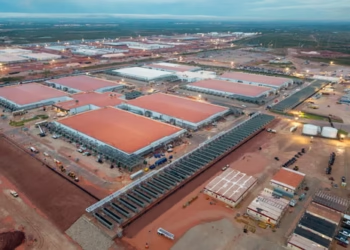 OpenAI Halts Stargate UK Project Amid Energy Crisis
 Policy Stand-Off: Streeting Denies Any ‘System Update’ to Resident Doctor Pay Deal
 Beyond the Blue Sign: Guests Expose Widespread Safety Failings Across UK Hotels
 The 190p Barrier: Why UK Diesel Prices Are Shattering Records (Again)
 ‘Unviable and Unfair’: Private Hire Drivers Warn New 2026 Rules Will Decimate Local Trade
 ‘The Flyover Returns’: A40 Westway Reopens Overnight Following Month-Long Gridlock
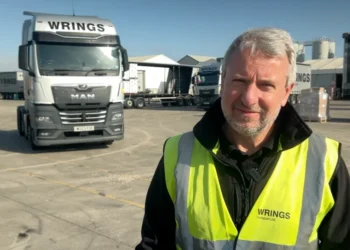 ‘The £100,000 Hammer’: War in Iran Forces UK Businesses to Absorb Historic Fuel Hikes
 “No Cause for Alarm”: Officials Defend UK Resilience Amid Supply Chain Fears
 “Jobs Will Go”: Rishi Sunak Warns AI is Already Eroding Entry-Level Opportunities
 Reform UK funding: mystery billionaire revealed
 “We Are Shielding Them”: UK Families Face £11 Billion Hit as Iran War Bills Surge
 The “Long Tail” of War: Minister Warns Economic Scarring Could Last Eight Months Post-Conflict
 “A Pint-Sized Crisis”: Publicans Warn of Industry ‘Carnage’ as Energy and Tax Hikes Loom
 High Street “Lawlessness”: Council Staff Under Attack from “Link-up” Gangs
 The “Golden Handshake”: Nigel Farage Referred to Standards Watchdog Over £5m Crypto Gift
 Reality Check on Reform: Minister Says Outright Abolition of Leasehold “Impossible”