Published: 04 September 2025 | The English Chronicle Desk
The UK government has unveiled a £338 million scheme aimed at helping thousands of sick and disabled people re-enter the workforce, as part of sweeping welfare reforms that officially became law this week. Ministers say the new initiative will provide targeted support to people facing some of the greatest barriers to employment, in an effort to reduce long-term dependency on benefits and encourage greater participation in the labour market.
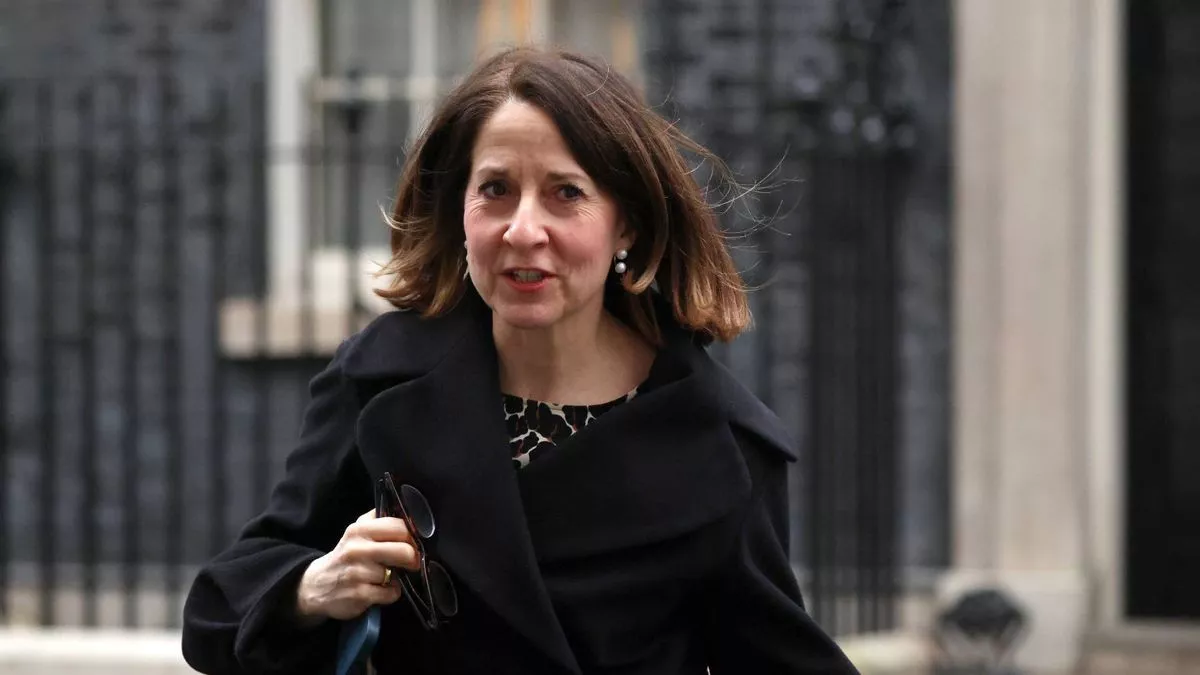
The announcement came a day after the Universal Credit Act received royal assent, marking the culmination of months of heated parliamentary debate. Work and Pensions Secretary Liz Kendall described the passage of the legislation as a “bumpy ride,” noting that some of its most controversial provisions had been diluted following a Labour backbench revolt. In particular, earlier proposals to tighten eligibility for Personal Independence Payment (Pip) were scrapped, with a review of the benefit now under way under the leadership of Disability Minister Sir Stephen Timms.

Under the new law, the universal credit standard allowance will rise at least in line with inflation until the end of the 2029/30 financial year. However, significant changes are also being introduced to the health component of the benefit. From April 2026, new claimants who do not have a severe or terminal condition will see their support reduced, and this rate will be frozen until 2030. Critics argue this will place vulnerable groups under financial strain, while the government insists it is necessary to encourage employment among those who are able to work.
The centrepiece of Thursday’s announcement is the £338 million “connect to work” programme. Designed to run across 15 regions of England, including London, South Yorkshire, and Greater Essex, it will provide personalised employment support to an estimated 85,000 people with health conditions, disabilities, or other complex barriers. The Department for Work and Pensions (DWP) said participants will receive tailored coaching from employment specialists, job-matching services, and ongoing support once in work. Referrals will be made by healthcare professionals, local authorities, voluntary organisations, or through self-referral.
Over the course of five years, the government expects the scheme to reach around 300,000 people across England and Wales. Officials argue this investment demonstrates a commitment to both reducing welfare dependency and addressing labour shortages by enabling more people to contribute to the economy.
Kendall, defending the reforms, emphasised the importance of addressing the dual challenge of poor health and unemployment. “For too long, millions of people have been denied the support they need to get back to health and back to work,” she said. “This investment will help ensure that no one is written off, and that people with the desire and ability to work have the chance to do so with the right support in place.”

The government’s move has been welcomed by some employers’ groups who see it as an opportunity to tackle staff shortages and broaden the labour pool. However, campaigners for disability rights remain cautious. While they acknowledge the benefits of tailored support, concerns persist about the impact of reduced financial assistance for those unable to work and the risk that vulnerable individuals may feel pressured into unsuitable jobs.
As the welfare reforms are rolled out, ministers face the challenge of balancing fiscal responsibility with compassion for the country’s most vulnerable. The success of the £338 million programme will be closely watched as a test of whether the government can truly deliver on its promise to provide a pathway from welfare to work.
Related News:
 George Osborne Warns UK Is Falling Behind in Global Cryptocurrency Race
 David Lammy Faces Possible Legal Challenge Over Foreign Office Secondment Scheme
 Grant Shapps Cleared to Join Defence Startup Despite Ethical Concerns
 Chancellor Rachel Reeves Pushes for Sweeping Changes to Environmental Protections to Accelerate Development
 Scotland Bans Arms Firms Supplying IDF from Receiving Financial Support
 Starmer Urged to Champion Workers’ Rights Amid Low Public Awareness
 Rachel Reeves Hosts Top UK and US Financial Executives as Trump’s State Visit Begins
 Donald Trump’s UK State Visit Kicks Off Amid Major Tech Investments and Business Engagements
 Farage’s Reform UK Receives £100,000 from Design Firm with Past Tax Issues
 Rachel Reeves Faces Criticism Over Appearance at Gambling Industry Event Amid Tax Review
 King Charles Earns Over £1 Million from Duchy Land Linked to Scrapped HS2 Project
 Gatwick Secures Approval for £2.2bn Second Runway Expansion
 Labour to Unveil Ambitious Plan for 12 New Towns to Tackle England’s Housing Crisis
 Senior Tories Condemn Badenoch’s Vow to Repeal Climate Change Act as Catastrophic
 Labour Faces Budget Dilemma as Reeves Urged to Break Manifesto Promises
 Kemi Badenoch Unveils ‘Golden Rule’ to Halve Spending Cuts for Deficit Reduction at Tory Conference
 Richard Tice’s Business Record Contrasts with His ‘Net Stupid Zero’ Criticism
 UK Labour Market Shows Signs of Stabilising After Job Losses
Rachel Reeves urged to consider welfare cuts to boost fiscal credibility
UK Labour Market Shows Signs of Stabilising After Job Losses
Rachel Reeves urged to consider welfare cuts to boost fiscal credibility
 Lucy Powell urged ministers to reconsider costly legal case for Labour donor’s firm
 Miliband Promises New Nuclear Stations if SNP Ousted
 Tories Push to Dilute Labour’s Workers’ Rights Bill
 Rachel Reeves to lead UK trade push in Saudi Arabia amid rights debate
 Trump’s UK Ambassador Urges North Sea Drilling to Strengthen US Ties
 Rachel Reeves Set to Break Labour Pledge and Raise Income Tax
 Thinktanks Urge Rachel Reeves to Reform UK Tax System
 Company linked to Michelle Mone owes £39m in tax
MPs Press Rachel Reeves to Hike Gambling Taxes
Company linked to Michelle Mone owes £39m in tax
MPs Press Rachel Reeves to Hike Gambling Taxes
 Cuts to home insulation funding threaten UK climate goals
 Millionaires group urge Reeves to introduce wealth tax to ‘lift kids out of poverty’
 PM Highlights UK Business at G20 in South Africa
 English Mayors Set to Introduce Tourist Taxes
 Starmer Says Labour’s Economic Plan Needs Years to Deliver
 UK Must Act with Courage and Clarity on Israel-Palestine Conflict, Says Foreign Affairs Committee Report
 Chancellor Faces Mounting Pressure Amid “Impossible Trilemma” Over Tax Rises
 Radioactive Leak at UK’s Nuclear Warhead Base Sparks Outcry Over Safety and Secrecy
 Mutual Inconvenience: Why Alaska Was Chosen for the Trump-Putin Summit on Ukraine
 UK Government Expands ‘Deport Now, Appeal Later’ Policy to 23 Countries
 Inflation Latest: Cost of Living Expected to Rise Again in Key Figures Released Today
 Is the UK Ready to Put Boots on the Ground in Ukraine? Assessing Military Capacity and Challenges
 Police Scotland Spends £500,000 Compensating Officers Over Trump Visit
 Britain’s Migration Challenge: Rising Asylum Numbers and Hotel Pressures
 Elon Musk Sparks New Controversy by Backing Tommy Robinson Amid Farage Feud
 Retail Sales See Uptick Amid Errors and Delays as ONS Faces Scrutiny
 UK Retail Sales Rise in August, but Tax Concerns Loom Over Festive Period
 UK Rejoining EU ‘Unlikely in My Lifetime,’ Says Starmer’s Europe Reset Negotiator
 ‘Unite the Kingdom’ Rally Sparks Fears of Far-Right Normalisation Among Minority Britons
 UK Labour Market Shows Signs of Cooling as Wage Growth Slows and Redundancies Rise
 Thousands Gather in London to Protest Donald Trump’s Second UK State Visit
 Zarah Sultana Seeks Legal Action After Bitter Clash with Jeremy Corbyn Over Party Membership Funds
 Top Andy Burnham Ally Launches Fierce Critique of Starmer Ahead of Labour Conference
 Mahmood Pledges Reform of Modern Slavery Laws After Court Blocks Deportation Appeal
 UK Government Backs Return of International Rail Travel to Kent Stations
 Ed Miliband Urges Labour to Confront Billionaire-Backed Opposition to Net Zero Goals
 A Third of EU Citizens in UK Report Discrimination by Public Bodies Post-Brexit
 Wetherspoon vows to keep prices low amid soaring energy and tax costs
 Digital ID Plans Ignite Debate Over £600m Treasury Tax Boost and Privacy Concerns
 Public Trust in SNP Hits Historic Low Amid NHS Concerns
 Yvette Cooper Backs Digital ID Plan for UK Teens
 Johnson Suggests Mandelson Linked to China Spy Controversy
 Ministry of Justice fails to file £11bn in spending receipts
Rachel Reeves signals welfare reform ahead of key budget
Ministry of Justice fails to file £11bn in spending receipts
Rachel Reeves signals welfare reform ahead of key budget
 Pizza Hut to shut 68 sites after collapsing into administration
 Reform UK candidate fined £19,000 after using AI-generated cases to challenge election
 William Steps Up Over Prince Andrew Palace Response
 Green Party Surges Past Labour in Latest UK Poll
 Celebrities and Charities Demand UK Government Act on Child Poverty
 Zarah Sultana Launches Party to Change Politics
 FBI Director Kash Patel Defends Girlfriend Amid Government Jet Claims
 Tony Blair think tank warns Rachel Reeves must cut taxes if manifesto broken
 Starmer Faces Growing Dissent as Labour MPs Weigh Leadership Challenge
 Pressure Mounts on Starmer to Sack Chief of Staff Over Briefing Row
 Peers Flood Assisted Dying Bill with 942 Amendments
 Global markets drop amid tech sell-off and China slowdown
 Mossmorran Plant Closure Hits Cowdenbeath Hard
 Most Tories Expect to Support a Farage-Led Government
 Labour MP claims devolution bill is ‘blatant discrimination’ against Cornwall
 Millions Face Higher Taxes Under Reeves New Budget
 Virgin Media Fined £23.8m Over Telecare Safety Failures
 Rising Water Bills Lift Troubled Thames Back to Profit