Published: 10 November 2025. The English Chronicle Desk. The English Chronicle Online.
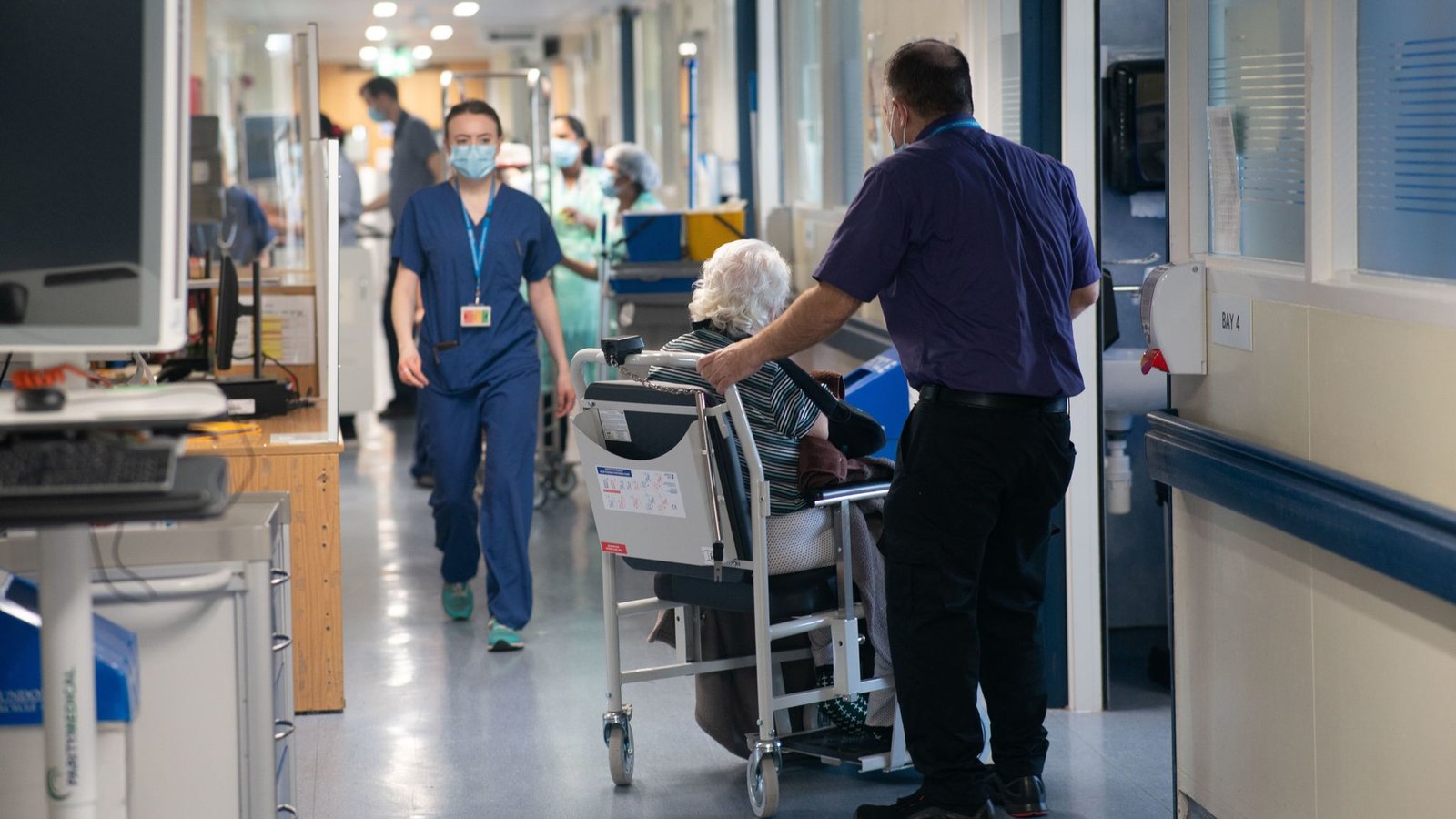
Frontline NHS staff are increasingly being forced to fill gaps in services that should be managed by skilled administrators and managers, a new report warns. Despite widespread perceptions of the health service being overrun by managers, research from the King’s Fund suggests that the number of NHS managers per staff member is now near a record low.
Analysis of hospital and community NHS data shows there are currently 33 staff members for every manager, up from 27 in 2010. Suzie Bailey, director of leadership and organisational development at the King’s Fund, said, “The narrative that there are too many managers does not survive contact with reality.”

She added that clinical professionals spend hours each week dealing with paperwork, rota management, and navigating broken administrative systems. “It is no wonder burnout rates are so high and staff satisfaction so low when clinical staff are being stretched beyond their roles, filling admin gaps on top of already excessive workloads,” Bailey said.
The research highlighted that NHS staff numbers have grown by 37 per cent from 975,298 in 2010 to 1,334,011 in 2025, while the number of managers increased by only 12 per cent during the same period, from 35,696 to 40,021.
High-quality management and effective administration, Bailey said, are “vital for patient experience,” yet the scarcity of managers forces clinicians to take on administrative tasks that prevent them from focusing on care. “Government must value NHS managers and the vital role they play in keeping frontline staff focused on patient care, not caught up in paperwork,” she added.
Health Secretary Wes Streeting is set to deliver a speech to NHS leaders this week at the NHS Providers’ conference in Manchester. The address follows his pledge to tackle “failing” managers, including denying pay rises last year.

The pressure on the system is evident in recent findings from the All-Party Parliamentary Group on Emergency Care, which revealed that 19 per cent of hospital patients are being cared for in corridors. Dr Ian Higginson, president of the Royal College of Emergency Medicine, which compiled research for the report, described corridor care as “a source of national shame,” adding that it is “distressing, undignified, and putting lives at risk.”
A spokesperson for the Department of Health stressed the importance of having “skilled managers in the right roles.” They added, “We are reforming the NHS to make it fit for the future – attracting, supporting and developing the best talent to boost productivity and divert resources back to the front line. Our introduction of NHS league tables will also drive up standards, with top-performing trusts rewarded with greater freedoms and investment, and underperforming trusts receiving targeted support.”
Related News:
 Experts Urge Legal Right to Timely Cancer Care
 North Sea oil workers must lose weight or face job loss
 No link found between paracetamol in pregnancy and autism
 New Research Explains Severe Diabetes in Children
 Working-Class Men with Prostate Cancer Left Behind by NHS
 Healthy Habits in Your 30s That Boost Life in Your 70s
 Coffins Now Too Large to Cremate Amid Rising Obesity Crisis
 Breakthrough Clinical Trial Lets 12-Year-Old Boy with Rare Skin Disorder Play Football
Expanded Access to Health Diagnostics in England Now Available Beyond Standard Hours
Breakthrough Clinical Trial Lets 12-Year-Old Boy with Rare Skin Disorder Play Football
Expanded Access to Health Diagnostics in England Now Available Beyond Standard Hours
 Shocking Rise in Children’s Exposure to Violent Online Pornography Raises Alarm
 Majority of UK Men Would Opt for Prostate Cancer Screening, Survey Finds
 UK Woman Becomes Longest Survivor of Heart-Lung Transplant
 New wearable UV detector aims to prevent sunburn
 Mother dies after black market weight loss injection
 Young Woman Missed 13 Times by GPs Before Bowel Cancer Diagnosis
 Hospice Cuts Raise Alarm Across England Amid Funding Crisis
 How Bringing Forests Into Preschools Boosts Children’s Health
 Critically Endangered Spider Rediscovered in UK After 40 Years
 UK Water Firms Ordered to Act Over ‘Forever Chemicals’ Threat
 Experts Warn on Home Birth Risks, Call for Skilled Midwives
 Patients to Test Health at Home to Ease NHS Winter Pressure
 NHS Takes Over Nuffield Hospital in ‘Windfall’ for London Care
 Crisis charity to become landlord amid UK housing emergency
 Seven Conditions That Automatically Qualify You for a Free Bus Pass
 Understanding Missing Children: Facts vs. Myths
 UK Disability Pay Gap Means Millions Work for Free From Today
 Shouting Works Best to Deter Gulls, UK Study Finds
 Tech firms to test AI safeguards against child abuse images
 Reeves rejects £1bn plea for NHS redundancy payouts
 NHS trust fined after woman takes life in mental health unit
 Leading doctors issue warning amid ‘bad’ flu season
 Senator John Fetterman Hospitalized After Fall from Heart Flare-Up, Keeps Sense of Humor
 New AI tool could cut wasted efforts in organ transplants
 New Campaign Trains Vets to Spot Farmers’ Health Risks
 From War to Wales: Teen Innovator Eyes Net Zero Future
 From Baby Teeth to Bioengineering: The Future of Self-Healing Teeth
 107-Year-Old Veteran Credits Whiskey for Longevity
 Stop Phone Habits From Sabotaging Your Relationships
 ‘Traumatic Wait’: Northern Ireland Women Face Breast Cancer Delays
 Woman Meets Boy Whose Life She Saved with Kidney
 Cardiff Shopper ‘Branded a Thief’ by Facewatch System
 Covid Doctor’s Emotional Farewell Letter to Family
 Raccoons Could Become America’s Next Pet
 Australia to Ban Social Media for Kids Under-16 Starting December
 Thinktank Urges Smaller Hospitals to End NHS ‘Permacrisis’
 David Cameron Reveals Prostate Cancer Diagnosis, Advocates Screening
 NHS paediatric leave parents waiting months for answers
 Vicki Fears Losing Motability Car
 Delhi’s Toxic Air Crisis Leaves Children Sick and Vulnerable
 Australians Angry as BOM Website Revamp Backfires
 Five-Year-Old Dies After Rare Tonsil Surgery Complication
 Fibromyalgia Patients Struggle as NHS Fails to Provide Care
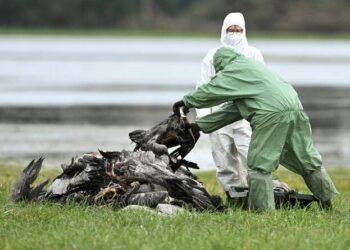 Europe, North America face early wave of bird flu
 Delhi’s Toxic Air Drives Spike in Respiratory Illnesses
 More Patients Now Contacting GPs Online, Data Shows
 The Ketamine Crisis in the UK is a Silent Epidemic Leaving Users with Lifelong Pain
 Spectacular ‘Blood Moon’ Illuminates Skies Across the Globe
 British Pilot Joins Crew Training for Year-Long Mars Simulation Mission
 One in Three GPs in England Do Not Work in NHS, Raising Concerns Over Access to Care
 Persistent Offenders Owe Over £700m in Ulez Fines as TfL Cracks Down on Evasion
 M&S and Morrisons Lead Christmas Supermarket Taste Test
 Virgin Trains Moves Closer to Challenging Eurostar Monopoly
 Army Officers Orders to Cut Ties with Men-Only Clubs
 UK Bans Fake Numbers: Scammers Lose Their Trick
 Kent village told to remove flags before Christmas lights go up
 Vibe coding’ named Collins dictionary’s word of the year
 Britain deploys RAF specialists to assist Belgium with drone threats
 UK Faces Arctic Blast as Polar Vortex Disruption Brings Heavy Snow
 Stop using ChatGPT to write speeches, AI minister tells MPs
 New laws to bolster UK’s defences against cyber attacks on NHS, transport and energy
 Son Reveals UK Couple in Iran Resort to Hunger Strike for Help
 Mum Calls for New Licence Rules After Teen Road Death
 Mother Watches in Horror as Teen Daughter Dies on Tracks
 Google Chief Urges Caution: Don’t Trust AI Blindly
 Seven Countries, One Winner: Europe’s Best Christmas Market
 Scottish Families Take Legal Action Over School CO Leak
 Labour MP claims devolution bill is ‘blatant discrimination’ against Cornwall
 Search underway for British man overboard off Tenerife
 Virgin Media Fined £23.8m Over Telecare Safety Failures
 Pavarotti statue frozen in Italian ice rink sparks backlash