Published: 07 April 2026. The English Chronicle Desk. The English Chronicle Online.
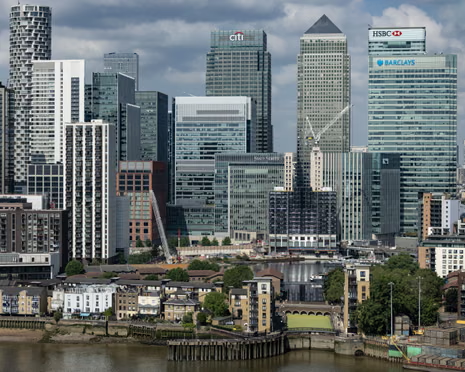
The heartbeat of the British economy is pulsing with renewed and unexpected vigor this spring. Britain’s premier financial services companies have reported a staggering recovery in activity during the opening months. This surge offers a significant boost to the government after a notably gloomy end to 2025. Major banks and insurers now describe a landscape of rapid and robust business growth. A positive balance of nearly two-thirds of firms noted an expansion in their operations. These figures emerge from a long-running survey by the Confederation of British Industry lobby group. Such optimism stands in stark contrast to the negative balance seen just last December. That previous period saw a thirty-eight percent decline as global geopolitical tensions began rising. This current shift represents the fastest turnaround in the sector’s fortunes in thirty years. Not since December 1996 has the City seen such a dramatic upward trajectory. The resilience of the UK financial sector has surprised many seasoned market analysts today. Banks and investment managers have consistently performed well throughout the most recent fiscal quarters. Strong profits have pushed bank share prices to their highest levels in nearly two decades. This peak surpasses even the levels seen before the global financial crisis began. Higher interest rates have played a pivotal role in bolstering these impressive corporate balance sheets. This success persists despite the massive eleven billion pound financial redress for car loans. Investors appear to be looking past historical liabilities toward a much brighter fiscal future. Chancellor Rachel Reeves has welcomed this stronger performance from the essential UK financial sector. She has strategically placed the industry at the very heart of national growth efforts. Reeves frequently refers to the financial services sector as the crown jewel of Britain. Her approach focuses on increasing gross domestic product through deep cooperation with the City. Banks successfully argued against significant tax increases during the budget discussions held last year. Consequently, the Chancellor has urged regulators to prioritize growth alongside traditional consumer protection duties.

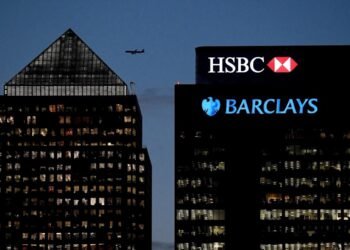
This regulatory shift aims to ensure that the UK remains a global financial powerhouse. John Cronin of SeaPoint Insights believes supply-side factors are currently driving this immense strength. He points to improved credit availability as a primary reason for the recent expansion. On the demand side, household and business financial resilience remains remarkably and stubbornly high. People and companies are managing their finances better than many experts had originally predicted. However, Cronin warns that market conditions can change with extreme and sudden volatility today. The ongoing turmoil in the Middle East could quickly dampen the improved spirits noted. Global sentiment is often fragile when faced with prolonged international conflicts and energy shifts. The CBI survey concluded on the eighteenth of March following the Iran war start. Respondents may not have fully grasped the potential duration of the conflict then. Many did not realize the war would last more than a full month. The prolonged closure of the Strait of Hormuz has sparked a global energy crisis. This situation creates a complex backdrop for the otherwise positive domestic economic data points. The Bank of England has already issued warnings regarding potential hits to mortgage rates. Higher rates could eventually dent the demand for loans among many British coastal residents. Nevertheless, the surveyed companies remain optimistic about their prospects for the next fiscal quarter. They expect business to continue growing at a rapid yet slightly more moderate pace. This suggests a stabilizing trend rather than a brief and unsustainable flash of growth. Alpesh Paleja noted that the sharp recovery helped drive a significant rebound in sentiment. He serves as the deputy chief economist for the Confederation of British Industry today. Paleja acknowledged that firms are still digesting the implications of the Middle East conflict. Financial services firms always sit at the epicentre of volatile global market movements. The economic impact of the conflict is still crystallising across various international trade routes. Despite these external pressures, the internal mechanics of the City seem exceptionally well-oiled now. The CBI survey included fifty-eight respondents from across the diverse financial services landscape. These participants represent some of the largest and most influential companies in the country. This includes the big four UK banks like Barclays, HSBC, Lloyds, and NatWest Group. Their participation lends significant weight and credibility to these latest optimistic economic findings. The lobby group has worked hard to rebuild its influence over recent years. They faced an existential crisis in 2023 following allegations of historic staff misconduct. Since then, the organization has successfully retained and regained many of its biggest members. Their data remains a crucial barometer for the health of the UK service economy. Most analysts agree that the current momentum is a testament to sector adaptability. British firms have learned to navigate through periods of intense and overlapping global crises. The ability to pivot toward growth during energy uncertainty shows remarkable corporate structural strength. Government officials hope this trend will translate into broader prosperity for all UK citizens. If the City continues to thrive, tax revenues will likely see a welcome increase. This funding is essential for public services and future infrastructure projects across the nation. For now, the mood in the Square Mile is one of cautious triumph. The data suggests that the worst of the recent downturn is finally behind us. Investors are watching the horizon closely for any further signs of global market shifts. The upcoming summer months will be a critical test for this newfound economic momentum. If growth holds steady, the UK could lead the pack in post-war economic recovery. Everyone from small savers to major hedge funds is watching these developments very closely. The narrative of the British economy is shifting from one of survival to growth. This thirty-year record turnaround marks a definitive turning point for the UK financial world. Confidence is returning to the boardrooms and the trading floors of the Great Britain. While risks remain, the current trajectory is undeniably positive for the British people today. The English Chronicle will continue to monitor these vital economic trends as they develop. For the moment, the City is leading the way toward a more prosperous future. Business volumes are high and the appetite for investment shows no signs of fading. The resilience of the pound and UK equities remains a focal point for global traders. As the year progresses, the strength of this recovery will become even more apparent. The government and the City appear to be moving in a synchronized direction now. This partnership is likely to define the economic landscape for the remainder of 2026. Domestic growth figures are already reflecting the positive impact of this renewed financial sector vigor. The UK remains a beacon of financial stability in a complex and changing world.
Related News:
 Global markets face turmoil as Hormuz crisis deepens
 Wealthy Britons Flee Gulf War but Avoid UK Taxes
 UniCredit’s Bold Move to Reshape European Banking
 UK Wage Growth Slows as Jobs Market Holds Firm
 Oil and Gas Prices Surge Amid Iran-Israel Attacks on Gasfields
 Student Loan Interest May Rise Despite 6% Cap
 Carmakers Face £3bn Gap in UK Loan Payout Scandal
 Albanese Rejects Gas Export Tax Push
 $13bn World Cup Set to Break All Revenue Records
 BBC News Faces Deep Cuts in 2,000 Job Plan
 Spirit Airlines shuts down after 34 years amid crisis
 New UK advice scheme to boost savings and investing
 City & Guilds Faces Governance Crisis Over Sale
 Reeves Fights to Keep Treasury Role Amid Labour Turmoil
 UK rejects EV charging VAT cut amid Treasury clash
 Nationwide Faces Governance Scrutiny Ahead of AGM
 Hungary Targets Oligarchs with Proposed Landmark Wealth Tax
 Severn Trent CEO Reward Package Doubled Despite Public Anger
 New Investment ‘Trump Accounts’ Launch for US Children
 Apollo Launches £5.7bn Bid for Aviation Giant easyJet
 Weight-Loss Drugs Transform Fashion Shopping Habits
 Trump Refuses to Sign Housing Bill, But Law Takes Effect
 EasyJet Takeover Sparks Fears Over Passengers’ Future
 Weight-Loss Drugs Offer Food Savings Mainly to High Earners
 Reeves Faces Setback as Labour May Miss Homes Target
 Virgin Trains Moves Closer to Challenging Eurostar Monopoly
 Trump’s UK Ambassador Urges North Sea Drilling to Strengthen US Ties
 Ryanair Chief UK Economy ‘Doomed’ Under Labour
 M&S Profits More Than Halve After Cyber-Attack
 Millionaires group urge Reeves to introduce wealth tax to ‘lift kids out of poverty’
 From Lego to Pokémon: How Adults Are Driving UK Toy Market Growth
 Canada Passes Carney’s First Budget in Tight Parliamentary Vote
 Starmer Says Labour’s Economic Plan Needs Years to Deliver
 Starmer Faces Parliamentary Battles Over UK-EU ‘Reset’ Plan
 ScottishPower Tops List of Worst UK Energy Suppliers
 Markets Slide As Gold Rally Signals Risk From Trump Greenland Tariff Plan
 City & Guilds pay surge sparks backlash amid £22m cuts
 UK Inflation Hits 3.4% in December, Ending Five-Month Decline
 Trump Fed bid heads to Supreme Court
 India-EU Free Trade Deal Marks Historic Economic Shift
 Telstra AI jobs cuts as automation drive expands
 BT Names New Openreach Chief Amid Major Fibre Expansion
 UK Banks Plot Payment Backup Amid Trump Fears
 UK Unemployment Rate Climbs to 5.2% Peak
 UK shelves £110m border project amid trade strain
 Rachel Reeves Faces Middle East Conflict Test
 Grocery Inflation Rises Amid War Fears
 BrewDog sold Highland estate for knockdown price after abandoning reforestation plans
 Farage Faces Backlash Over Crypto Cameo Endorsements
 Rising Costs Force Families to Rethink Days Out
 Oil Slides, Stocks Jump on Trump Peace Signals
 UK inflation held at 3% before global energy price hit
 Ticketmaster Fees Rise Despite Recent US Junk Fee Crackdown
 M&S Demands Urgent Action on Rising Violent Retail Crime
 New Era for Sick Pay as Millions Gain Critical Rights
 Markets Surge as Trump Agrees to Iran Ceasefire Terms
 Stefano Gabbana Resigns as Chair of Italian Luxury Giant
 Rolls-Royce SMR Secures £600m Boost for Nuclear Future
 Trump Rate Cuts Risk ‘Banana Republic’ Status, Says Yellen
 Trump approval plunges amid Iran war fears
 Tough Fiscal Realities Await Next Scottish Government
 US Awaits Iran Reply on New Ceasefire Proposal
 Aramco Surges as East-West Pipeline Counters Gulf Tensions
 High Street Crisis: Fears Grow Over Post Office Closures
 UK Firms Freeze Spending as Iran Conflict Bites
 Reeves to Fast-Track Clean Energy Amid Iran Crisis
 Oil Markets Face ‘Red Zone’ Threat Amid Iran Crisis
 Belfast Approves Pilot Extension of Sunday Trading Hours
 Tube Strike Brings Capital to a Standstill Over Shift Disputes
 BP Stands Firm on Amanda Blanc Amid Boardroom Storm
 UK House Prices Drop For Third Month Due To War Fears
 GSK Secures Landmark $10.6bn Deal for Nuvalent
 AI Scams Push UK Investment Fraud Past £220m
 Rethinking the Blueprint for Youth Employment in Britain
 Sainsbury’s Boss Optimistic As Grocery Inflation Eases
 UK Households Suffer Squeeze As Disposable Incomes Drop
 Record £28m Fine for Virgin Media Over Cancellation Woes
 Ukraine Creates Long-Range Strike Command
 BBC Faces Real Jeopardy as Licence Fee Income Declines
 Thames Water Future Remains Uncertain Amid Funding Crunch