
Published: 20 July 2026 | The English Chronicle Desk | The English Chronicle Online
Confidential court documents have reportedly revealed evidence suggesting the scale of alleged illegal sewage discharges by water companies may be significantly greater than previously understood, raising fresh concerns about environmental protection, regulatory oversight and public health.
The documents, which emerged during legal proceedings, reportedly contain information relating to wastewater management practices, internal assessments and alleged breaches of environmental regulations. Environmental campaigners say the revelations highlight the urgent need for greater transparency and tougher enforcement against pollution offences.
The allegations have intensified public debate over the performance of the water industry, which has faced increasing criticism in recent years over sewage releases into rivers, lakes and coastal waters.
According to reports, the court documents contain evidence that could indicate more widespread sewage discharges than previously disclosed publicly.

While the legal proceedings are ongoing and many of the allegations have yet to be fully tested in court, environmental groups argue that the documents raise serious questions about compliance with pollution laws.
Lawyers involved in the case are expected to examine whether companies fulfilled their legal obligations regarding wastewater management and environmental reporting.
Public concern about sewage pollution has increased steadily as reports of wastewater releases into waterways have become more frequent.
Environmental organisations warn that untreated or partially treated sewage can damage ecosystems, reduce water quality and affect wildlife habitats.
Pollution may also limit recreational use of rivers and beaches, particularly during warmer months when more people visit natural waterways.
Scientists continue monitoring the long-term effects on aquatic environments.
Campaign groups have responded to the reported court documents by calling for stronger regulatory action.
They argue that companies responsible for repeated pollution incidents should face tougher financial penalties and greater accountability.
Campaigners also want regulators to require more detailed public reporting of sewage discharges, allowing communities to better understand environmental risks.
Many organisations believe greater transparency is essential for rebuilding public trust.
The UK’s water industry has faced sustained criticism over wastewater infrastructure and environmental performance.
Several companies have invested billions of pounds in upgrading treatment works and sewer networks, arguing that much of the infrastructure dates back decades.
However, critics maintain that investment has not kept pace with growing demand, population growth and increasingly extreme weather events.
Heavy rainfall can place additional pressure on sewer systems, sometimes leading to emergency overflow discharges.
Environmental regulators continue monitoring sewage management across the country.
Authorities investigate suspected breaches of environmental permits and have the power to impose enforcement measures where violations are identified.
Officials say protecting rivers and coastal waters remains a regulatory priority.
Investigations involving court proceedings often require extensive examination of technical records, operational data and compliance reports.
Experts note that sewage pollution can present health risks depending on the circumstances.
Contaminated water may contain bacteria, viruses and other harmful microorganisms that can affect people using rivers, lakes or coastal areas.
Public health agencies regularly monitor bathing waters and issue advice when water quality deteriorates.
Officials encourage people to follow local guidance before entering affected waterways.
Industry specialists argue that long-term solutions require substantial investment in modern wastewater infrastructure.
Upgrading treatment plants, expanding sewer capacity and improving monitoring systems are viewed as essential steps toward reducing pollution incidents.
Engineers also emphasise the need to adapt infrastructure to changing climate conditions, including heavier rainfall and more frequent storms.
Many experts believe significant investment will be necessary over the coming decades.
The reported emergence of confidential court documents has intensified calls for greater openness within the water sector.
Consumer groups argue that customers have the right to understand how wastewater systems operate and how environmental performance is monitored.
Environmental organisations are also calling for easier public access to pollution data and enforcement outcomes.
Greater transparency, they argue, would strengthen accountability while encouraging improvements across the industry.

As legal proceedings continue, the reported court documents are expected to remain a focus of attention for regulators, environmental groups and the water industry.
If the allegations are substantiated, they could influence future environmental enforcement, infrastructure investment and government policy regarding wastewater management.
For communities concerned about the health of rivers and coastlines, the case represents another reminder of the challenges facing Britain’s ageing water infrastructure.
Whether through court rulings, regulatory action or increased investment, many observers believe the coming months will prove important in shaping how the country addresses sewage pollution and protects its natural waterways for future generations.
Related News:
 “Enough is Enough”: Local MP Vows to Fight Rainham Quarry Plans
 Man Escapes as Giant Hole Swallows Boats on Shropshire Canal
 Heat, Drought and Fire Push UK Nature to Breaking Point in 2025
 UK Snow Forecast Arctic Blast to Bring Up to 11 Inches of Snow
 Norfolk Coastal Graves at Risk as Erosion Deepens Family Anguish
 Record Wildfires Sweep England Amid Hottest 2025 Summer
 Winter plant bloom signals climate breakdown in UK
 Local Fish Could Boost UK Health and Economy Significantly
 World’s richest 1% consume annual emissions in just ten days
 Storm Goretti leaves Cornwall homes without power
 Robo-Vaccination Could Transform Fight Against Bovine TB
 Kent Residents Continue Facing Water Supply Disruptions
 No Gas Boiler Ban as UK Warm Homes Plan Backs Heat Pumps
 Judi Dench Champions Fight to Save London’s Green Spaces
 UK joins North Sea wind grid pact with nine European nations
 Devon hosts first high-density hydro power system
 Storm Chandra floods Somerset, triggers major incident declaration
 UK Pfas Action Plan Faces Criticism From Environmentalists
 Wigan Dump Crisis Sparks Health and Safety Alarm
 What is Groundwater Flooding and Why Dorset is Seeing ‘Historical Highs’
 Dozens of Flood Warnings in England After Days of Non-Stop Rain
 Fish disco plan could save 90% of fish at Hinkley C
 Temperatures Dip Below Freezing as Arctic Air Sweeps Across the UK
 Flooding May Worsen Before It Improves as More Rain Forecast for the UK
 Flood risk homes surge across England builds
 Deer Shooting England: New Plan to Protect Woods
 Illegal Waste Dumping: New Drone Unit Launched
 Fly-Tippers to Be Hunted by ‘Drone Squad’ in Crackdown from the Sky
 Deer Shooting to Be Facilitated in England to Protect Woodlands
Storm Hernando: Edinburgh Airport Flights Cancelled in US Travel Chaos
Deer Shooting to Be Facilitated in England to Protect Woodlands
Storm Hernando: Edinburgh Airport Flights Cancelled in US Travel Chaos
 Group Expands Legal Claim Over South West Water Pollution
 Scotland’s Climate Plans Face Scrutiny Over ‘Science Fiction’ Targets
 Police Appeal After Goshawk ‘Brutally Shot’
 Miliband Says Climate Impact of Data Centres Is Uncertain
 UK Winter Nowhere Near a Record Breaker Despite Floods and Storms
 UK Records Warmest Day of the Year as Temperatures Exceed 18 °C
 Farmers on Edge as Record Rainfall Dampens Slurry Season
 Conservation Budgets Hit by Increased Fly‑Tipping Costs
 Water Cremation Introduced in UK First
 Crowing Cockerels Must Be Silenced, Council Warns Owner
 Scotland Becomes First UK Country to Allow Water Cremations
 Wood burner legal threats spark council row
 Dramatic Rescue as Ice Shelf Detaches on Lake Huron
 Net Zero Cheaper Than One Fossil Fuel Crisis, UK Told
 Scotland Braces for 80mph Gales and ‘Intense Rain’
 London Considers New SUV Charges to Improve Road Safety
 MPs Slam Agency Over Failing Fight Against Waste Dumping
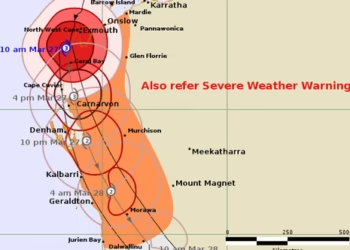 Tropical Cyclone Narelle Batters the Western Australian Coast
 The Banbridge Rescue: 300 Sheep Saved from Massive Hay Shed Inferno
 UK Records Earliest Spring as Nature Awakens Fast
 Country Diary: A Bum Note Amid the Dawn Chorus
 Country Diary: The Eagle’s Shadow Over the Lambing Shed
 High-Rise Rescue: The Dramatic Recovery of a Stranded Peregrine Falcon
 RSPB Urges Summer Bird Feeder Removal to Curb Disease
 The Lough’s Lament: Can Fiction Spark a ‘Seismic’ Rescue for Lough Neagh?
 The Rusting Grid: Renewed Calls for Abandoned Cars to Be Dealt With
 Southern Skies: High Turnout and Surprise Visitors in Birdwatch 2026
 The Lithium Inferno: Lorry Loaded with Batteries Engulfs Major Motorway
 Britain Facing Sharp Decline in Rare Butterfly Species
 Night of Fire: Thousands of Turkeys Perish in Cheshire Barn Inferno
 ‘The Wild West’ of Energy: 500 Farmers Launch High Court Battle Against Pylon ‘Intimidation’
 Heatwave Trigger: Fire Services Issue ‘Amber’ Wildfire Alert
 The “Purple Rain” of Surrey: RHS Wisley’s 100-Metre Wisteria Tunnel Reaches Peak Bloom
 “A Food Security Timebomb”: Fertilizer Boss Warns Iran War Puts Billions of Meals at Risk
 The Ethylene Enigma: Is Foil-Wrapping the Stems Truly the Secret to “Evergreen” Bananas?
 “A Canvas of Spring”: Readers Capture Scotland’s Golden Hour and New Life
 Toxic ‘Forever Chemicals’ Threaten Southern English Coast
 Toxic Flea Treatments Devastating UK Rivers and Wildlife
 Saving Our Lost Rainforests: The Battle for Dartmoor
 Whitehall Steps In: The Battle Over Thames Water Deepens
 Amber Heat Health Alerts Issued as UK Temperatures Expected to Exceed 30C
 Met Office Issues Amber Extreme Heat Warning as Temperatures Near 35C
 Temperatures Set to Fall This Week, But Forecasters Warn Heat Could Return Soon
 London Schoolchildren Rebuild Broken Toys in Bid to Reduce Waste and Promote Sustainability
 “I See Tourists Pee in Front of My House”: The Campervan Problem on the Isle of Skye
 Extreme Heat Grounds Birds of Prey Across the UK
 New Debt Limits Proposed for England’s Water Sector
 South East Water Faces £30.5m Penalty for Supply Failures
 Britain Set for ‘Bumper Year’ for Butterflies as Conservationists Predict Strong Season
 Rain Forecast to Return This Weekend as Parts of UK Edge Closer to Drought Conditions