Published: 1 May 2026. The English Chronicle Desk. The English Chronicle Online
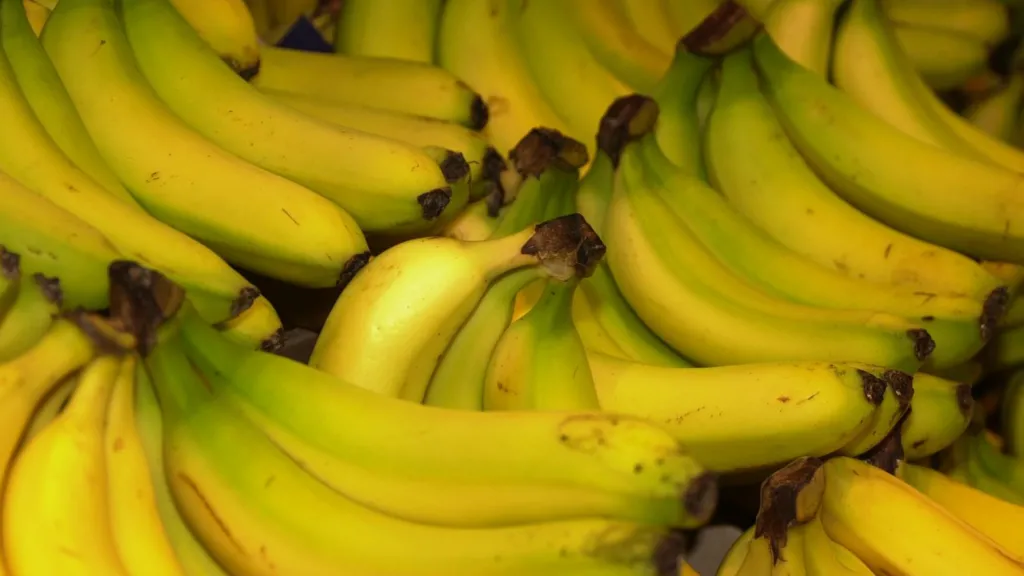
It is a familiar kitchen tragedy: you buy a perfectly yellow bunch of bananas on Monday, and by Wednesday, they have transformed into a freckled, mushy mess destined for the compost bin. However, a series of viral “food lab” experiments and TikTok hacks reaching a fever pitch this May suggest that the secret to halting the brown spot “epidemic” isn’t a high-tech gadget, but a simple roll of kitchen foil.

As the UK moves into a warmer-than-average May, the “Banana Battle” has become a surprising focal point for households looking to cut waste amidst the “billions of meals at risk” global food crisis.
The prevailing “secret,” backed by recent 2026 testing from culinary scientists, revolves around the banana’s pedicel (the stem).
The Science: Bananas release ethylene gas—the plant hormone responsible for ripening—primarily through their stems. When bananas are kept in a bunch, the gas from one stem accelerates the ripening of the others in a “dopamine loop” of decay.
The Foil Fix: Wrapping the stems tightly in aluminium foil (which performed better than plastic wrap in recent “Skills Showdowns”) traps the ethylene gas at its source.
The Result: Verified tests show that foil-wrapped stems can keep bananas at their “prime” firmness for up to six days longer than those left open on a counter.
While foil is the current “hero” hack, experts at RHS Wisley—currently busy with their own Wisteria peak bloom—suggest a multi-layered approach to fruit longevity.
“Mind the Gap”: Just as political candidates are facing threats on the doorstep, bananas face threats from their neighbors. Storing them near apples or avocados (high ethylene producers) is “botanical sabotage.”
The “Airborne” Advantage: Hanging bananas on a hook isn’t just for aesthetics; it prevents “pressure bruising” and encourages air circulation, which helps dissipate any escaped gas.
The Fridge Paradox: A common myth is that the fridge kills bananas. In reality, while the peel will turn black due to the cold, the fruit inside remains firm and fresh for much longer. The “secret” is to only refrigerate them after they have reached your preferred level of ripeness.
The fascination with “saving the banana” isn’t just about kitchen convenience. It comes at a time of significant pressure on the global supply chain.
The Genetic Breakthrough: Just this February, scientists at the University of Queensland discovered a gene in wild bananas that could protect the commercial Cavendish variety from the “deadly” Panama disease.
The Cost of Waste: With $118-a-barrel oil driving up transport costs and Whitbread cutting 3,800 jobs, the “accountability rot” of throwing away edible food has become a financial priority for British families.
Notably, a rival viral hack—wrapping stems in a wet paper towel—has been largely debunked this week. Testers found that the moisture actually encouraged mold growth at the crown, leading to “mushy neck” rather than preserved freshness.

“In the battle for the banana, foil is the undisputed heavyweight champion,” noted one food blogger. “The paper towel method is a ‘dopamine desert’ of false hope.”
As King Charles concludes his diplomatic visit and the Southbank Centre marks 75 years of culture, the humble banana hack reminds us that sometimes the most effective solutions to our modern problems are found in the most mundane household items. For those tired of “banana bread as a failure state,” the message for May is clear: separate, hang, and foil-wrap.
Related News:
 Water Cremation Introduced in UK First
 The Great Escape: ‘Challenging’ Search for Missing Capybara Enters New Phase
 ‘A Ticking Time Bomb’: Communities Sound Alarm Over ‘Catastrophic’ Battery Storage Risks
 Robo-Vaccination Could Transform Fight Against Bovine TB
 Flooding May Worsen Before It Improves as More Rain Forecast for the UK
 Why There’s No Quick Fix in Sight for the Problem of Dazzling Headlights
 Mind Launches Inquiry into AI and Mental Health After Guardian Investigation
 Deer Shooting to Be Facilitated in England to Protect Woodlands
 Why I Rinse My Recycling and Give It to My Mum
 UK Winter Nowhere Near a Record Breaker Despite Floods and Storms
 UK Records Warmest Day of the Year as Temperatures Exceed 18 °C
 ‘I Stopped Engaging’ Due to Instagram and YouTube, Woman Tells Landmark Trial
 Vegetarian Diet Linked to Lower Risk of Several Cancers
 Conservation Budgets Hit by Increased Fly‑Tipping Costs
 Crowing Cockerels Must Be Silenced, Council Warns Owner
 Should We Be Eating Three Meals a Day? Experts Rethink Traditional Meal Patterns
 ‘A Living Nightmare’: Parents of Vaccinated Teenager Speak Out After Rare Meningitis B Battle
 ‘F***, We’re Dead’: The Chilling Final Words from the Air France 447 Cockpit
 Spring Awakening: Temperatures to Hit 17°C as Britain Bathes in Sunshine
 ‘Breath-taking’ Return: Rare Bronze Age Shield Back in Scotland After 235 Years
 Digital Siege: Record Surge in Sextortion Attacks Targeting UK Schoolboys
 Country Diary: A Bum Note Amid the Dawn Chorus
 The ‘Beige’ Buffet: One Mother’s Month-Long Quest to Kill the Kids’ Menu
 ‘The Best Decision I Ever Made’: A Mother’s Viral Plea After a Near-Miss with Lung Disease
 High-Rise Rescue: The Dramatic Recovery of a Stranded Peregrine Falcon
 Paws for Peace: Frankie the Cockapoo Brings ‘Unfiltered’ Joy to MND Centre
 The Friendship Friction: Would You Call Out Your Friend’s Toxic Behaviour?
 The Silent Lifeline: Why the 2026 Digital Switchover has Millions Saying, ‘I Didn’t Realise How Much I Needed My Landline’
 The Lough’s Lament: Can Fiction Spark a ‘Seismic’ Rescue for Lough Neagh?
 The Rusting Grid: Renewed Calls for Abandoned Cars to Be Dealt With
 Southern Skies: High Turnout and Surprise Visitors in Birdwatch 2026
 The Lithium Inferno: Lorry Loaded with Batteries Engulfs Major Motorway
 The ‘Pain-Free’ Revolution: Hospital Celebrates ‘Seismic’ Hip Surgery Milestone
 Dippy’s Sacred Sojourn: ‘Landmark’ Dinosaur Cast Arrives at Cathedral
 The Green Mile: Country Lane Solar Farm Set to Power 13,000 Homes
 The Sustainable Departure: Crematorium Completes £5m ‘Green’ Transformation
 Digital Shield: Met Police Trial AI to Fast-Track Child Abuse Investigations
 The Wheels of Hope: Charity Delivers ‘Seismic’ Joy Through Specialized Bikes for Children with Cancer
 Powering the Future: Green Light for ‘Seismic’ Nuclear Project Promising 8,000 Jobs
 ‘Disconnected to Reconnect’: England to Enact Statutory Ban on School Mobile Phone Use
 ‘On Freedom’s Wings’: Final Touches for the ‘East Midlands’ Angel of the North’
 ‘The Manwatcher’s Final Chapter’: Legendary Zoologist Desmond Morris Dies Aged 98
 The ‘Analog 100’: The Groundbreaking Mission to Put 100 Women on the Moon—Without Leaving Earth
 Human Capital for AI Infrastructure: Meta Cuts 8,000 Staff to Fuel $135bn Bet
 Reform UK funding: mystery billionaire revealed
 “Don’t Ignore Us”: Bereaved Families Demand Urgent Summit as PM Meets Tech Giants
 “Don’t Ignore Us”: Bereaved Families Demand Urgent Summit as PM Meets Tech Giants
 From Prickly to Portly: “Tubby Ted” the Blind Hedgehog Begins Weight Loss Journey
 The “Dry” Life: Teens Trialing Social Media Bans Call Initial Disconnection “Boring” and “Dry”
 The “Purple Rain” of Surrey: RHS Wisley’s 100-Metre Wisteria Tunnel Reaches Peak Bloom
 UK Bans Fake Numbers: Scammers Lose Their Trick
 Patients to Test Health at Home to Ease NHS Winter Pressure
 No Gas Boiler Ban as UK Warm Homes Plan Backs Heat Pumps
 Devon hosts first high-density hydro power system
 Pornhub blocks new UK users over age checks dispute
 UK New Car Discounts Near £6,000 as Prices Are Slashed
 Labour Utterly Humiliated by Straight-Talking Mum Who Cut Through Keir Starmer’s Insanity
 What is Groundwater Flooding and Why Dorset is Seeing ‘Historical Highs’
 Renters Furious as Decent Homes Standard Delayed Until 2035
 Motorists Could Face ‘Mandatory’ Driving Ban for Road Offences Under Tougher Laws
 Snow and Rain Warnings as Cold Snap Continues in the UK
 Fly-Tippers to Be Hunted by ‘Drone Squad’ in Crackdown from the Sky
 Storm Hernando: Edinburgh Airport Flights Cancelled in US Travel Chaos
 Calls Grow to Remove Billboard Following Lyra McKee Graffiti
 US Lawmaker Demands Testimony Over Sarah Ferguson’s ‘Close Epstein Ties’
 Councils Pressed to Use Universal Parking App to Cut ‘Unfair’ Fines
 Woman Deported from China Over Manx Passport Mix-Up
 ‘My Hatred of Dogs is Ruining My Love Life’
 ‘Zoom Dysmorphia’ Explosion: BDD Patients Quadruple in Post-Pandemic UK
 ‘The Insulation Trap’: Knifeman Discovered Hiding Under Loft Padding After Six-Hour Standoff
 The Banbridge Rescue: 300 Sheep Saved from Massive Hay Shed Inferno
 Country Diary: The Eagle’s Shadow Over the Lambing Shed
 Paws on the Wheel: Driver Facing Fine After Dog Photographed on Lap
 The Miracle of Phoenix: ‘Half Dead’ Rescue Dog Defies the Odds in Worcestershire
 Moldova River Crisis Exposes War’s Hidden Cost
 GSK cancer drug shows early promise in trials
 The Waiting Ward: ‘Month of Worry’ as Doctor Strikes Trigger Seismic Surgery Delays
 ‘The Last of the Greatest’: UK’s Oldest WWII Veteran Passes Away Aged 109
 “Three-Wheeled Triumph”: Mayor of Erewash Completes 2,000-Mile European Charity Run
 Reality Check on Reform: Minister Says Outright Abolition of Leasehold “Impossible”