Published: 24 July 2026 | The English Chronicle Desk | The English Chronicle Online
Global oil prices have climbed back to the $100-a-barrel mark for the first time since May, creating fresh concerns over inflation, energy costs and the economic outlook as markets respond to rising geopolitical tensions and uncertainty over future supplies.
The sharp increase in crude oil prices has placed renewed pressure on governments, businesses and consumers already dealing with high living costs. A sustained rise in energy prices could affect everything from transport and manufacturing to household electricity and food prices.
The return of oil to the $100 level represents a significant moment for global markets. Although oil prices have experienced major fluctuations in recent years, the psychological importance of the $100 threshold remains strong because it is closely watched by investors, policymakers and energy companies.
Analysts say several factors have contributed to the latest price surge, including concerns over supply disruptions, geopolitical instability, production decisions by major oil-producing countries and uncertainty about the balance between global demand and available supplies.

Oil markets are highly sensitive to international events. Any threat to major production regions or important shipping routes can quickly influence prices as traders react to the possibility of reduced supplies.
Recent geopolitical tensions have increased concerns among investors about whether global oil production and transportation networks could face disruption. Markets often respond quickly to political developments because even the possibility of supply problems can encourage traders to push prices higher.
The increase also reflects broader concerns about the global energy market. While renewable energy investment has grown significantly, oil remains one of the world’s most important sources of energy, powering transport systems, industries and economies worldwide.
Countries that rely heavily on imported oil are particularly vulnerable to price increases. Higher crude prices can increase costs for airlines, shipping companies, manufacturers and logistics firms, which may eventually pass those expenses on to consumers.
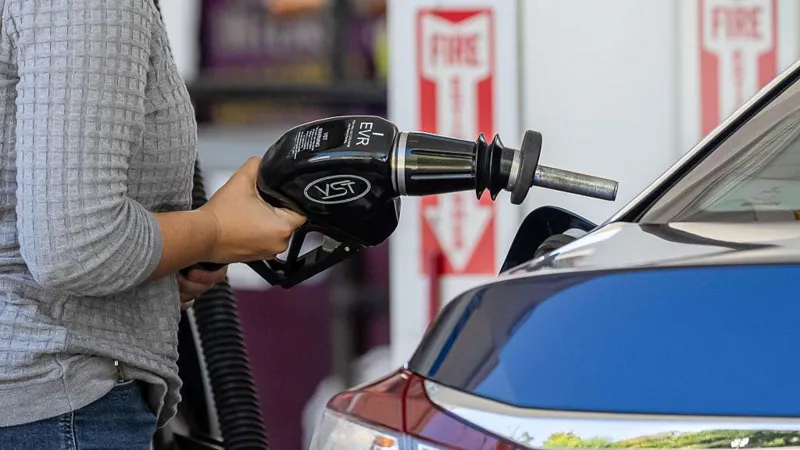
For households, rising oil prices can translate into higher petrol and diesel costs. Fuel price increases can affect daily life by making commuting, travel and the transportation of goods more expensive.
Economists warn that a prolonged period of high oil prices could slow economic growth by increasing costs for businesses and reducing consumer spending power.
Inflation has already been a major challenge for many economies in recent years. Central banks around the world have worked to control rising prices through higher interest rates and tighter monetary policies. A new surge in energy costs could make that task more difficult.
Energy prices play a major role in inflation because they affect almost every part of the economy. Higher fuel costs can increase the price of transporting goods, producing products and providing services.
However, the impact of oil prices reaching $100 will depend on how long the increase lasts.
Short-term price rises may have limited effects if markets stabilise quickly. But if prices remain elevated for months, businesses and consumers could face greater financial pressure.
Oil-producing countries are closely monitoring the situation. Members of the Organization of the Petroleum Exporting Countries and their partners have historically played a major role in influencing global supply levels through production decisions.
When producers reduce output, prices can rise because less oil is available on international markets. When production increases, additional supply can help reduce pressure on prices.
The relationship between supply and demand remains one of the most important factors affecting crude oil markets.
Demand for oil has continued to recover in many parts of the world following previous economic disruptions, although the pace of growth varies between regions. Emerging economies continue to rely heavily on oil for industrial development, while wealthier countries are gradually increasing investment in alternative energy sources.
The long-term future of oil markets remains uncertain as governments attempt to balance energy security with climate commitments.
Many countries have set targets to reduce dependence on fossil fuels and increase renewable energy use. However, experts say oil will likely remain a major part of the global energy system for many years, particularly in sectors where alternatives remain difficult to implement.
The latest price increase has renewed debate about energy independence and the need for countries to diversify their energy supplies.
Governments facing high oil import costs may accelerate efforts to expand renewable energy, improve efficiency and develop alternative sources of power. However, such transitions require significant investment and time.
Financial markets have also reacted to the oil price increase. Energy companies may benefit from higher crude prices because their revenues often increase when oil becomes more valuable. However, industries that rely heavily on energy may face higher operating costs.
Investors are closely watching whether the price increase represents a temporary market reaction or the beginning of a longer period of expensive energy.
Some analysts believe prices could remain under pressure if geopolitical risks continue and supply concerns persist. Others argue that high prices may eventually encourage additional production, which could help restore balance in the market.
The oil market has experienced several periods of extreme volatility in recent years. Prices have fallen sharply during periods of weak demand and risen rapidly during supply concerns.
The return to $100 highlights how vulnerable global energy markets remain to international developments.
For consumers, the immediate concern is how higher oil prices will affect everyday expenses. Fuel costs are one of the most visible impacts, but the effects can spread across the economy through higher production and transportation expenses.
Businesses may face difficult decisions about whether to absorb higher costs or increase prices for customers.
Governments may also face pressure to respond. Some countries have previously introduced fuel subsidies or tax reductions to protect consumers from sudden energy price increases. However, such measures can be expensive and may create challenges for public finances.

Energy analysts say the latest increase demonstrates the importance of preparing for future market uncertainty. A combination of energy diversification, strategic reserves and improved efficiency could help reduce the impact of sudden price shocks.
The $100 oil milestone is therefore not only a market event but also a reminder of the continuing importance of energy in global politics and economics.
As countries navigate economic recovery, climate challenges and geopolitical uncertainty, oil remains a key factor influencing decisions made by governments, businesses and consumers.
Whether prices remain at this level or fall again will depend on how global supply, demand and political developments evolve in the coming months.
For now, the return of $100 oil has placed energy costs back at the centre of international economic discussions, with the world watching closely for the next move in the global oil market.
Related News:
 Banks Accused of Steering Customers Away From Basic Accounts
 China’s Economic Growth Slows, Missing Official Target
 Live Markets Bet on Spring Rate Cut as Inflation Falls
 City Bets on Rate Cuts as Unemployment Soars
 Trump Announces Global Tariffs to Rise to 15%
 China Sets Lowest Economic Growth Target Since 1991
 Stock Markets and Oil Prices Still Volatile Over Fears Iran War May Drag On
 Could Trump Threaten London’s £50bn Insurance Giant?
 Fuel Price Rise Makes Profit ‘Tricky’ for Taxis
 Wealthy Britons Flee Gulf War but Avoid UK Taxes
 Close Brothers to Axe 600 Jobs in £85m Cuts
 UK Wage Growth Slows as Jobs Market Holds Firm
 Oil Markets Surge as Investors Await Trump’s Final Iran Ultimatum
 Global Oil Markets Volatile After Trump’s Profane Threat to Iran
 The Crown Jewel Sparkles: UK City Firms Report Historic Turnaround
 The ‘Relief Rally’: Global Markets Surge as Oil Prices Tank on 14-Day Truce
 Albanese Rejects Gas Export Tax Push
 BBC News Faces Deep Cuts in 2,000 Job Plan
 Spirit Airlines shuts down after 34 years amid crisis
 New UK advice scheme to boost savings and investing
 “The Iron Chancellor of the North”: Andy Burnham’s High-Stakes U-Turn to Prevent a Truss-Style Gilt Market Meltdown
 “A Fragile Lull”: UK Inflation Dips to 2.8% Amid Warnings of a Renewed Climb
 Reeves Fights to Keep Treasury Role Amid Labour Turmoil
 UK rejects EV charging VAT cut amid Treasury clash
 Can Ordinary Investors Buy SpaceX Shares?
 Severn Trent CEO Reward Package Doubled Despite Public Anger
 EasyJet Agrees in Principle to £5.2bn Takeover Deal
 Weight-Loss Drugs Transform Fashion Shopping Habits
 EasyJet Takeover Sparks Fears Over Passengers’ Future
 US Unveils Fresh Tariffs on Global Trading Partners
 US Eyes Frozen Iran Funds for Shipping Damage
 Tech Billionaire Faces $644m Divorce Settlement
 Reform Plans to Keep UK’s Budget Watchdog in Office
 Jenrick: I’ll Back OBR but There’ll Be No More Cosy Consensus
 Another U-turn Ahead as Labour Reconsiders Youth Minimum Wage
 Uncertainties Loom for Businesses and Consumers After Trump’s Tariff Changes
 Canada Eyes Trade Talks After US Supreme Court Tosses Trump Tariffs
 Ukraine war briefing: Russia exporting more oil now than before war despite sanctions – report
 Canada’s Finance Minister Says US Unlikely to Lift Tariffs
 Tim Wilson Sells Out Controversial Share Market Bet
 US Trade Court Orders Tariff Refunds in Setback for Trump Administration
 Irish economy grew strongly in 2025
 Reeves Faces Triple Threat as Markets Reel From Global Turmoil
 Gulf Oil Shock Sends Global Economic Ripples
 Iran War Costs to Be Passed to Consumers, Shipping Boss Warns
 ‘Chippies Will Die Unless We Eat Cheaper Fish’
 US Launches Probe into Trading Partners Including EU, China, and India
 Oil Price Jumps Despite Deal to Release Record Amount of Reserves
 UniCredit’s Bold Move to Reshape European Banking
 India’s $300bn Outsourcing Industry Faces AI Test
 Estate of Late Tycoon Mike Lynch to Pay £920m
 UK Forecast to See Biggest Growth Hit from Iran War
 Badenoch Demands Energy Tax Cuts Over ‘Benefit Street’ Bailouts
 Tories Urge Three-Year VAT Scrap on Energy Bills to Combat Price Spike
 The Bitter Aftertaste: Iran War Threatens to Spike Prices for Indian Beer and Bottled Water
 Asian Powers Secure Energy Lifelines as Trump’s Hormuz Deadline Looms
 Universal Music Group Receives Historic Takeover Bid from Bill Ackman’s Pershing Square
 Europe EV Demand Surges as Fuel Prices Rise
 Evergrande Founder Pleads Guilty to Historic Fraud
 Carmakers Face £3bn Gap in UK Loan Payout Scandal
 Fuel Crisis Drives UK Inflation to Highest Level Since December
 $13bn World Cup Set to Break All Revenue Records
 “The Breaking Point”: Hospitality Leaders Warn of a ‘Sinking’ Industry Amidst Rising Operational Costs
 US Awaits Iran Reply on New Ceasefire Proposal
 UK Pushes for New EU Goods Trade Deal
 Albanese Defends Tax Reforms Amid Emotional Speech
 Victoria Labor Launches Apprenticeship Expansion Plan
 UK firms accused of ‘AI washing’ boom
 Nationwide Faces Governance Scrutiny Ahead of AGM
 Gen Z Graduates Face Economic Uncertainty
 Hungary Targets Oligarchs with Proposed Landmark Wealth Tax
 Trump Approves $700m Coal Industry Investment
 UK Employers Turning to Temporary Staff Over Permanent Hires, Recruiters Warn
 SpaceX Market “Blast-Off” Could Mark Elon Musk’s Biggest Financial Gamble Yet
 Trump Reportedly Earned More Than $1 Billion from Cryptocurrency Ventures in First Year Back in Office
 Vietnam Intensifies Crackdown on Fake Luxury Trade
 Healey Says Treasury Undervalues Defence Spending
 Labour MPs Urge Burnham to Revive UK Aid Target
 Trump Refuses to Sign Housing Bill, But Law Takes Effect
 China Criticises UK Decision to Nationalise British Steel, Warning Against Politicising Trade