Published: 1 July 2026
The English Chronicle Desk
The English Chronicle Online
Former President Donald Trump has reportedly generated more than $1 billion through cryptocurrency-related ventures during his first year back in the White House, according to financial disclosures and industry estimates that have intensified debate about the growing relationship between politics and digital finance.
The figure, if confirmed, would represent one of the most significant financial gains linked to a serving political leader in modern American history and underscores the remarkable rise of cryptocurrency as both an investment vehicle and a political issue.
Trump, who was once openly sceptical of digital currencies, has increasingly embraced the sector in recent years. His evolving stance has mirrored broader changes within the cryptocurrency industry, which has sought greater political influence and regulatory clarity as digital assets become more integrated into mainstream financial markets.

The reported earnings are said to come from a combination of cryptocurrency investments, licensing agreements, digital asset projects and business ventures connected to the rapidly expanding crypto economy.
The development has attracted attention from financial analysts, ethics experts and political opponents, many of whom argue that the scale of the reported earnings raises important questions about transparency, conflicts of interest and the relationship between public office and private wealth.
Supporters of the president, however, contend that the gains reflect legitimate business activity and demonstrate confidence in a sector that has become increasingly important to the global economy.
Cryptocurrency has undergone a dramatic transformation over the past decade.
Originally viewed as a niche financial experiment, digital assets have evolved into a market worth trillions of dollars worldwide. Major financial institutions, investment firms and technology companies now participate in the sector, while governments continue to debate how best to regulate it.
The industry’s growth has created significant wealth for early investors and entrepreneurs.
Trump’s reported success within the sector highlights how political figures have also become increasingly involved in digital finance.
Several prominent politicians around the world have expressed support for blockchain technology and cryptocurrency innovation, viewing the sector as a potential driver of economic growth and technological development.
The president’s supporters argue that his involvement reflects a broader effort to position the United States as a global leader in digital assets.
They point to policy initiatives designed to encourage investment, attract technology firms and reduce regulatory uncertainty.
According to advocates, fostering a favourable environment for cryptocurrency businesses could strengthen America’s competitiveness in emerging financial technologies.
Critics take a different view.
Ethics experts have raised concerns about the potential overlap between government policy and personal financial interests.
They argue that when elected officials maintain significant business holdings in industries affected by government decisions, questions inevitably arise regarding impartiality and public trust.
Some opposition lawmakers have called for greater disclosure regarding the sources of the reported earnings and the specific ventures involved.
They argue that voters deserve a clear understanding of how public officials generate income while serving in office.
The issue has also sparked debate among financial regulators and governance specialists.
Many countries maintain strict rules governing the financial interests of senior political figures, although the exact requirements vary significantly between jurisdictions.
Transparency advocates say the rapid growth of digital assets has created new challenges for existing oversight systems.
Unlike traditional investments, cryptocurrency holdings can involve complex structures, decentralised platforms and international transactions that are sometimes difficult to monitor.
As a result, regulators around the world are continuing to adapt their frameworks to address emerging risks.
The reported earnings have generated considerable interest within the cryptocurrency community itself.
Some industry participants view the development as evidence of the sector’s growing legitimacy and influence.
They argue that the involvement of high-profile political figures demonstrates how far cryptocurrency has progressed from its early years on the margins of the financial system.
Others caution that close associations between politics and digital assets could create reputational risks if conflicts of interest become a recurring concern.
Market analysts note that cryptocurrency remains highly volatile despite its increasing popularity.
Prices can fluctuate dramatically in response to economic developments, regulatory announcements and shifts in investor sentiment.
As a result, substantial gains are often accompanied by equally significant risks.
The broader political implications of the reported earnings may prove just as significant as the financial ones.
Cryptocurrency has become an increasingly prominent issue in policy debates, with discussions focusing on consumer protection, taxation, innovation and financial stability.
Political leaders are under growing pressure to establish clear rules governing digital assets while balancing economic opportunity against potential risks.
Trump’s reported involvement in the sector places him at the centre of those debates.
Supporters see his success as evidence that the United States should embrace financial innovation and maintain a competitive edge in emerging technologies.
Critics argue that personal financial interests must not influence public policy decisions.
For voters, the controversy reflects a wider question about the role of wealth, business and private enterprise in modern politics.
As digital assets continue to reshape global finance, policymakers are increasingly being asked to navigate complex ethical and regulatory challenges.
Whether the reported $1 billion figure ultimately withstands scrutiny or is revised through further disclosures, it has already highlighted the growing intersection between political power and the cryptocurrency economy.
The story is likely to fuel continued debate in Washington and beyond as governments seek to determine how emerging financial technologies should be regulated and how public officials should manage their personal interests in an era of rapidly evolving digital wealth.
Related News:
 Reform Plans to Keep UK’s Budget Watchdog in Office
 Tories Call for Rethink of Parliament Revamp Plans
 Reeves Blocking Spending Boost for Defence
 Jenrick: I’ll Back OBR but There’ll Be No More Cosy Consensus
 Another U-turn Ahead as Labour Reconsiders Youth Minimum Wage
 Badenoch Demands Energy Tax Cuts Over ‘Benefit Street’ Bailouts
 Tories Urge Three-Year VAT Scrap on Energy Bills to Combat Price Spike
 Oil Markets Surge as Investors Await Trump’s Final Iran Ultimatum
 Global Oil Markets Volatile After Trump’s Profane Threat to Iran
 The ‘Relief Rally’: Global Markets Surge as Oil Prices Tank on 14-Day Truce
 BBC News Faces Deep Cuts in 2,000 Job Plan
 Reeves Fights to Keep Treasury Role Amid Labour Turmoil
 Nationwide Faces Governance Scrutiny Ahead of AGM
 Hungary Targets Oligarchs with Proposed Landmark Wealth Tax
 Trump Approves $700m Coal Industry Investment
 Modi’s London Visit Seals Historic UK-India Trade Pact Amid Global Tensions
 Chancellor Rachel Reeves Pushes for Sweeping Changes to Environmental Protections to Accelerate Development
 Senior Tories Condemn Badenoch’s Vow to Repeal Climate Change Act as Catastrophic
 Kemi Badenoch Unveils ‘Golden Rule’ to Halve Spending Cuts for Deficit Reduction at Tory Conference
 Trump’s UK Ambassador Urges North Sea Drilling to Strengthen US Ties
 Millionaires group urge Reeves to introduce wealth tax to ‘lift kids out of poverty’
 Canada Passes Carney’s First Budget in Tight Parliamentary Vote
 Starmer Says Labour’s Economic Plan Needs Years to Deliver
 MPs warn AI financial risks threaten UK stability
 MPs warn AI financial risks threaten UK stability
 Could Manchester Lead the UK’s Economic Revival?
 Live Markets Bet on Spring Rate Cut as Inflation Falls
 City Bets on Rate Cuts as Unemployment Soars
 Reeves Must Back Defence Plan or Face Dismissal, Says Unite Chief
 Labour’s Employment Shake‑Up ‘Makes Britain Worse Than France’
 Venezuela and US to Work Together on Mining Developments, Rodríguez Says
 US Launches Probe into Trading Partners Including EU, China, and India
 UK Fuel Tax Hike Plan to Be Kept Under Review Over Iran Conflict
 UniCredit’s Bold Move to Reshape European Banking
 Sri Lanka Sets Weekly Shutdown to Save Fuel
 India’s $300bn Outsourcing Industry Faces AI Test
 UK Wage Growth Slows as Jobs Market Holds Firm
 Starmer Launches Labour Local Election Campaign Under Shadow of ‘Bloodbath’ Predictions
 The 8 Million Dilemma: Why Britain’s Disability Safety Net is Facing a ‘2026 Reckoning’
 The ‘Peterborough Windfall’: Council Calculator Finds £84,800 in Unclaimed Support
 Can Congress Stop US Sports Teams From Moving Cities?
 British Businesses Braced as National Living Wage Hits £12.71 Published: 1 April 2026
 Tax Shift Hits UK Farms: New Inheritance Rules Begin
 Oil and Diplomacy: Russian Refineries Burn as Zelenskyy Secures Middle East Shield
 “A Perfect Storm”: UK Small Businesses Face Doubling Energy Bills as Iran War Rattles Markets
 Asian Powers Secure Energy Lifelines as Trump’s Hormuz Deadline Looms
 The $100 Billion Peace: Trump’s ‘Grand Bargain’ Ends Iran Conflict at a Staggering Cost
 The Great Chokehold: Why the Strait of Hormuz is the Epicenter of the 2026 Crisis
 The Prediction Prohibition: White House Staff Barred from Betting on Political Markets
 Relief at the Pump: Irish PM Unveils €505m Package to Stem Fuel Crisis
 Policy Stand-Off: Streeting Denies Any ‘System Update’ to Resident Doctor Pay Deal
 Diplomatic Deadlock: Lebanon Enters High-Stakes Border Talks with ‘No Cards to Play’
 Evergrande Founder Pleads Guilty to Historic Fraud
 Harry and Meghan’s Australia Visit Sparks Debate
 Carmakers Face £3bn Gap in UK Loan Payout Scandal
 The Shadow of the Ticker: Insider Trading Allegations Cloud Trump’s Economic Agenda
 The Fog of War and the Ticker Tape: Suspicious Trades Rile Washington
 Brinkmanship in Islamabad: Tehran Vows ‘New Battlefield Cards’ as Ceasefire Wanes
 “Jobs Will Go”: Rishi Sunak Warns AI is Already Eroding Entry-Level Opportunities
 Red Lines in Ottawa: PM Carney Insists US “Won’t Dictate Terms” of Trade Review
 “Industrial-Scale Extraction”: White House Memo Accuses China of Mass AI Theft
 Return of the “Skiffs”: Threat Level Raised as Somali Pirates Seize Second Vessel in a Week
 The Sinking Ledger: How Climate Change Is Dismantling the Pacific’s Economic Backbone
 Southeast Asia Turns to Russia Amid Energy Crisis
 US Calls Australia Media Law “Foreign Extortion”
 Capitalism ‘Suicidal’, Warns Petro at Climate Summit
 “Grounded”: Beijing Implements Total Ban on Drone Sales Citing Capital Security
 $13bn World Cup Set to Break All Revenue Records
 Reality Check on Reform: Minister Says Outright Abolition of Leasehold “Impossible”
 The $126 Spike: Oil Hits Four-Year High as Trump Weighs “Powerful” New Iran Strikes
 “A Royal Dram”: Trump Scraps Whisky Tariffs in Historic Gesture to Departing King
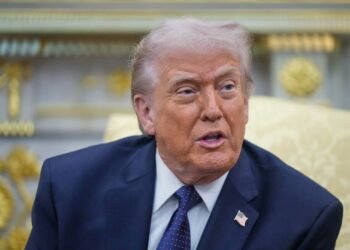 Trump Threatens UN Budget Cuts as US Pushes ‘Trade Over Aid’ Agenda
 Tough Fiscal Realities Await Next Scottish Government
 US Awaits Iran Reply on New Ceasefire Proposal
 UK Inflation and Global Conflict Drive Up April Borrowing
 Hormuz Talks Near Critical Stage
 Albanese Defends Tax Reforms Amid Emotional Speech
 Victoria Labor Launches Apprenticeship Expansion Plan
 Drone Attacks Overshadow Russia Economic Forum
 Extra £174m Set Aside as Costs Rise on Lower Thames Crossing Project