Published: 17 July 2026 | The English Chronicle Desk | The English Chronicle Online
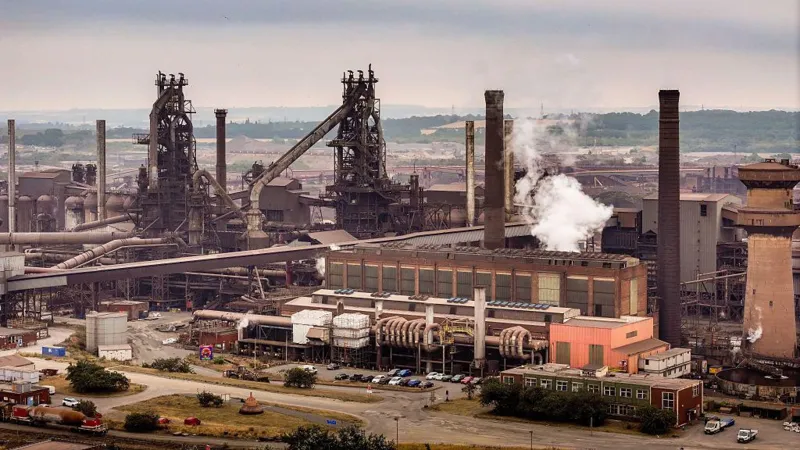
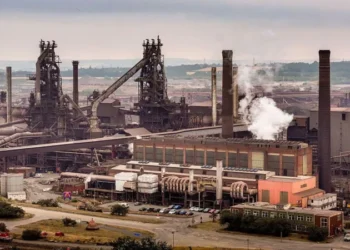
China has criticised the United Kingdom’s decision to bring British Steel into public ownership, arguing that the move risks undermining confidence in international investment and sending an unfavourable signal to foreign businesses operating in Britain.
The remarks come after the UK government announced that British Steel would be taken into public ownership to safeguard domestic steel production, protect thousands of jobs and strengthen the country’s industrial resilience. British ministers have described the decision as necessary to preserve a strategically important industry, while Beijing has urged London to maintain a fair and predictable business environment for overseas investors.
The exchange highlights the growing economic and political tensions between the two countries as governments increasingly seek to balance national security concerns with the benefits of foreign investment.
China’s Foreign Ministry said it opposed what it described as the politicisation of economic and commercial issues, stressing that companies operating internationally should be treated fairly regardless of their country of origin.

Chinese officials urged Britain to respect market principles and provide equal treatment for foreign-owned businesses.
They argued that predictable investment rules are essential for maintaining international business confidence and supporting long-term economic cooperation.
Although officials stopped short of announcing any retaliatory measures, they warned against policies that could discourage overseas investment.
The UK government has defended the nationalisation of British Steel as a strategic necessity rather than a move directed at any particular country.
Ministers said domestic steel production is critical for national infrastructure, defence projects, transportation, renewable energy and advanced manufacturing.
Officials argued that maintaining domestic production capacity would reduce Britain’s dependence on imported steel while strengthening supply chain resilience during periods of global uncertainty.
The government also cited concerns about protecting thousands of jobs and preserving industrial expertise built over generations.
According to ministers, the decision reflects broader efforts to secure industries considered essential to national economic security.
Steel remains one of the world’s most important industrial materials.
It is used extensively in construction, railways, shipbuilding, energy infrastructure, defence manufacturing and automotive production.
Following recent disruptions to global supply chains, many governments have reassessed the importance of maintaining domestic manufacturing capacity for critical industries.
Several countries have introduced policies designed to strengthen local production, support strategic sectors and reduce dependence on overseas suppliers.
Britain’s decision to nationalise British Steel fits within this wider international trend toward industrial resilience.
China has long been one of Britain’s largest trading partners and a significant source of foreign investment.
Chinese companies have invested in sectors ranging from infrastructure and energy to real estate, manufacturing and technology.
However, economic relations between London and Beijing have become increasingly complicated in recent years as security concerns, geopolitical tensions and changing industrial policies have influenced government decision-making.
Both governments continue to emphasise the importance of maintaining commercial ties while managing political differences.
The British Steel decision reflects a broader shift in how governments evaluate foreign investment in strategically important industries.
Countries across Europe, North America and Asia have strengthened investment screening mechanisms aimed at protecting sectors considered vital to national security.
These sectors often include defence, telecommunications, energy, artificial intelligence, semiconductor manufacturing and critical infrastructure.
Supporters argue that greater oversight helps protect national interests.
Critics, however, caution that excessive restrictions may discourage investment and reduce economic competitiveness.
Business organisations have responded cautiously to the growing disagreement.
Some manufacturers support the government’s intervention, arguing that preserving domestic steel production is essential for Britain’s industrial future.
Others stress the importance of maintaining open international markets and avoiding unnecessary political tensions that could affect global trade.
Economists note that attracting foreign investment while protecting strategic industries requires carefully balanced policymaking.
Several analysts believe governments will increasingly face similar decisions as geopolitical competition reshapes international commerce.
Trade specialists say the dispute illustrates the growing overlap between economic policy and national security.
While countries continue promoting international investment, they are also placing greater emphasis on protecting industries viewed as strategically important.
Experts argue that this shift has become more pronounced following supply chain disruptions experienced during recent global crises.
They suggest future trade relationships may involve greater government involvement in sectors considered essential to economic resilience.
Although the disagreement centres on British Steel, observers believe it reflects broader differences in how London and Beijing view economic policy.
British officials continue emphasising supply chain security and industrial resilience, while Chinese leaders argue that international markets function best when commercial decisions remain separate from political considerations.
Diplomats from both countries are expected to continue discussions through existing economic and diplomatic channels.
Neither government has indicated any immediate changes to broader trade cooperation.
The future of British Steel under public ownership will depend on the government’s ability to modernise operations, improve competitiveness and support long-term financial sustainability.

At the same time, Britain will continue seeking to maintain productive economic relationships with major international trading partners, including China.
For Beijing, the nationalisation raises broader questions about the treatment of foreign investment in strategic industries.
For London, it reflects a growing belief that protecting key manufacturing capabilities is essential to long-term economic resilience.
As governments around the world increasingly prioritise industrial security alongside economic growth, disputes like this are likely to become more common.
The challenge for policymakers will be finding the right balance between safeguarding national interests and preserving the openness that has long underpinned global trade and investment.
Related News:
 Canada’s Finance Minister Says US Unlikely to Lift Tariffs
 Canada-China trade gains momentum in new strategic partnership
 India-EU Free Trade Deal Marks Historic Economic Shift
 UK Experts Raise Alarm Over Machinery Export to Armenian Firm
 US Trade Deficit Hits Fresh High Despite Trump’s Tariffs
 Uncertainties Loom for Businesses and Consumers After Trump’s Tariff Changes
 Trump Announces Global Tariffs to Rise to 15%
 Ukraine war briefing: Russia exporting more oil now than before war despite sanctions – report
 Trump’s new tariff takes effect at lower than expected rate
 German Chancellor Lands in Beijing for Inaugural China Trip
 Shein’s Elusive Boss Hails Chinese Roots in Rare Public Appearance
 Canada Says U.S. Unlikely to Lift Tariffs Amid Ongoing Trade Tensions
 Why Asian Firms Are Not Cheering Trump Tariff Ruling
 Why Asian Firms Are Not Cheering Trump Tariff Ruling
 India and Canada Seal Series of Deals as Carney and Modi Reset Ties
 Tim Wilson Sells Out Controversial Share Market Bet
 China Sets Lowest Economic Growth Target Since 1991
 US Trade Court Orders Tariff Refunds in Setback for Trump Administration
 Stock Markets and Oil Prices Still Volatile Over Fears Iran War May Drag On
 Could Trump Threaten London’s £50bn Insurance Giant?
 Irish economy grew strongly in 2025
 Caffè Nero Warns Coffee Prices May Rise Again
 Abramovich Chelsea Sale Cash Faces Jersey Probe
 Wealthy Britons Flee Gulf War but Avoid UK Taxes
 UK Wage Growth Slows as Jobs Market Holds Firm
 UK Doubles Steel Tariffs to 50% to Protect Domestic Plants
 Stocks rise as Trump offers Iran peace plan
 The ‘Squeezed Middle’: India’s Educated Class Faces a 2026 Financial Triage
 IMF Predicts Global Economic Crisis Due to Gulf Unrest
 Beyond ‘Halfway’: Netanyahu Signals Progress as Iranian Drone Strikes Tanker in Dubai
 ‘Emergency Management’: Korean Air Slashes Costs as Jet Fuel Prices Double
 ‘Floating Inferno’: Iran Attacks Fully Loaded Oil Tanker Off Dubai Coast
 ‘Strategic Reserve’: Italy Defers Coal Phase-Out to 2038 Amid Energy Crisis
 ‘Lego Drones’: Ukraine Hits Back at German Arms Giant Over ‘Housewife’ Slurs
 Trump Slams Europe as Transatlantic Tensions Boil Over
 ‘The 42-Day Rally’: Asian Markets Surge as Trump Signals ‘Rapid’ Iran Exit
 ‘The Arch of Anxiety’: How the $116 Oil Price and the Iran War are Reshaping Life in Asia
 One Year of the “Trump Tariffs”: A Global Economic Shift
 Trump Issues Stark Warning After Strike On Iran’s Largest Bridge
 The Bitter Aftertaste: Iran War Threatens to Spike Prices for Indian Beer and Bottled Water
 Middle East Conflict Sparks Global Food Price Surge
 Albanese Flies to Singapore to Bolster Fuel Security
 US and Iran Agree to Two-Week Provisional Ceasefire
 From Fields to Foundations: The Farmer Who Swapped His Tractor for a Dumper Truck
 Ian Katz to Step Down as Channel 4 Content Chief
 Middle East Conflict Risks UK Food Supply Chains This Summer
 Fuel Crisis Drives UK Inflation to Highest Level Since December
 BP Profits Surge Amidst Middle East Conflict Crisis
 Ukraine Urges UK to Seize Russian Oil Tankers
 US Calls Australia Media Law “Foreign Extortion”
 BBC News Faces Deep Cuts in 2,000 Job Plan
 New UK advice scheme to boost savings and investing
 Middle East Crisis Escalates as Oil Routes Shake Markets
 “The Breaking Point”: Hospitality Leaders Warn of a ‘Sinking’ Industry Amidst Rising Operational Costs
 Trump Offers EU Independence Day Deadline For Trade Deal
 US Cities See 42% Drop in Canadian Visits Under Trump 2.0
 Big Tobacco Under Fire Over Controversial New Ad Campaign
 “A Fragile Lull”: UK Inflation Dips to 2.8% Amid Warnings of a Renewed Climb
 UK Pushes for New EU Goods Trade Deal
 Reeves Fights to Keep Treasury Role Amid Labour Turmoil
 Albanese Defends Tax Reforms Amid Emotional Speech
 UK Urged to Build EU Rejoin Consensus, Says Miliband
 UK rejects EV charging VAT cut amid Treasury clash
 Discontent grows around Putin amid war strain
 Gen Z Graduates Face Economic Uncertainty
 Cash Registers Stall Japan’s Promised Food Tax Relief
 Trump Floats Fresh Tariffs on 60 Nations Over Forced Labour
 Japan Suffers Plastic Shortage Due to Middle East Crisis
 Steel Tensions Rise Between United Kingdom and European Union
 New York Consumer Watchdog Tackles Corporate Lawbreaking
 Protests in Albania Over Kushner-Linked Development Spark Wider European Debate
 BYD Aims for Global Car Supremacy Within Five Years
 Trump Signs Historic Iran Peace Plan to Avert Depression
 Gas Prices Fall Below $4 Following US-Iran Peace Deal
 Remote Mine Sites Face Deep Culture Crisis
 Banks Accused of Steering Customers Away From Basic Accounts
 Healey Says Treasury Undervalues Defence Spending
 Inflation Eases to 3.5% Amid Fragile US-Iran Tensions
 China’s Economic Growth Slows, Missing Official Target
 China Hits Out at British Steel Nationalisation