Published: 15 July 2026. The English Chronicle Desk. The English Chronicle Online.
The latest economic data reveals that inflation cooled to an annual rate of 3.5% throughout June. This modest relief followed a brief ceasefire between the United States and Iran last month. That diplomatic pause temporarily pushed down global energy prices, providing much needed respite for many consumers. The figures from the Bureau of Labor Statistics show a significant shift in current market dynamics. The consumer price index serves as a primary measure for a wide basket of essential goods. This specific index has remained consistently elevated since the outbreak of the regional war recently. Energy costs have played a central role in driving these inflationary pressures higher during recent months.
The index mostly stayed under 3% since the middle of the calendar year of 2024. However, it reached a concerning three-year high of 4.2% during the month of May this year. This figure represented a sharp climb from the 2.4% rate recorded back in February of 2026. Looking at the data on a month-over-month basis, the consumer price index fell 0.8% in June. This change marks the largest one-month decrease since the notable downturn observed in April of 2020. Declines within the energy index were clearly the largest contributor to this overall cooling of prices. These gains successfully offset persistent increases in other major sectors like food, utilities, and local shelter.
Gasoline prices dropped 9.7% between the month of May and the end of June this year. Fuel oil, which covers various forms of diesel and kerosene, was down 9.2% for the month. The cost of apparel also ticked down 0.6% as consumer demand showed signs of shifting once again. When analysts strip out volatile energy and food prices, they identify the underlying core inflation rate. The Federal Reserve watches this core metric closely to measure the true health of the economy today. Core inflation decreased slightly to 2.6% on a yearly basis, remaining flat from the previous month.
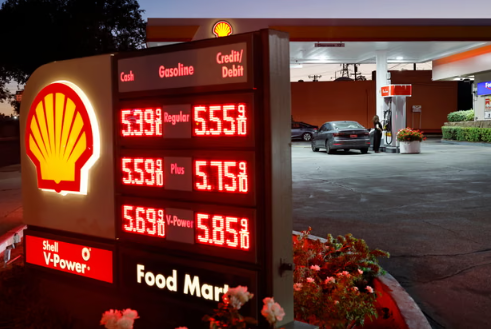
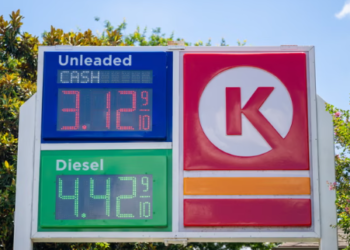
Although the US-Iran peace agreement brought temporary relief, recent strikes have sent global oil prices climbing. Donald Trump stated on Monday that the strategic Strait of Hormuz will remain open regardless of Iran. He also claimed that the United States will proceed to reinstate its blockade of all Iranian ports. In response, Brent crude oil hit $80 on Monday after reaching a low of $67 earlier July. Prices at the pump have also climbed significantly for drivers across the entire United States recently. The national average price for a regular gallon of gas increased to $3.87 during the last week. This represents an increase of $0.70 per gallon when compared to the prices from one year ago.
These higher energy prices have trickled down into rising costs within many other vital service industries. Travel companies are currently struggling with the burden of these sudden and volatile fuel price increases today. Delta reported in its quarterly earnings last week that it expected high airfares to remain quite persistent. The airline has already passed on 60% of its extra fuel costs directly to its weary consumers. While Trump mentioned last month that he was not worried about the high figures, polls differ greatly. Surveys have shown that many Americans strongly disapprove of his specific handling of the ongoing regional war.
A recent Harris-Guardian poll found that a majority of Americans believe the economy is getting worse now. That same poll indicated that 95% of the public believes the country is in an affordability crisis. Despite the heightened inflation over the past few months, the American job market has remained relatively steady. The average number of jobs added to the economy from April through June was about 111,000 positions. This figure indicates that the labor market remains resilient despite the significant economic uncertainty facing the nation now. The US Federal Reserve will weigh both rising prices and labor stats in their meeting later.
That upcoming board meeting is currently scheduled to take place on 28 and 29 July this month. Last month, the central bank voted unanimously to maintain current rates and focus on its primary goal. The institution emphasized its overarching desire to deliver consistent price stability across the broad American national economy. Inflation currently remains well above the central bank’s stated long-term target of 2% for the year. During testimony in Congress before the House financial services committee on Tuesday, there was a new focus. Kevin Warsh, the new Fed chair, addressed the committee regarding the current state of national fiscal policy.
He vowed that the intense inflation surge of the last five years will soon be a thing. Warsh also claimed that it was the central bank’s duty to take a fresh look at practices. He wants to make sure the bank is serving its primary objectives as effectively as possible today. Warsh did not expand on any specific future rate-setting decisions during his time in the hearing room. He emphasized the Fed’s strong commitment to achieving true price stability for all of the American people. He defined this as a change in prices where households do not have to worry about them.
Businesses should also not have to think about fluctuating prices when planning their own future growth strategies. Warsh also acknowledged the rapid rise of artificial intelligence as a significant change in the modern economy. He called it perhaps the most important development in the economy during his own adult lifetime so far. While he said it wasn’t the bank’s job to predict consequences, he was optimistic about AI. He firmly believes that the United States will emerge as a clear winner in developing this new technology.
He suggested that there is a material improvement in productivity which should improve wages for all workers. Ultimately, he believes this development will improve the strength of the economy for many years to come. He cautioned that the long-term impact might take a while to fully manifest for the average worker. Therefore, the bank must monitor things on a month-by-month and quarter-by-quarter basis as the future arrives. Careful observation remains the best way to handle the complexities of the current global economic landscape today. Policymakers must remain vigilant as they navigate these difficult waters and strive for a period of stability.
Related News:
 Canada-China trade gains momentum in new strategic partnership
 India-EU Free Trade Deal Marks Historic Economic Shift
 Keir Starmer meets Xi to strengthen UK-China economic relations
 UK Experts Raise Alarm Over Machinery Export to Armenian Firm
 Caffè Nero Warns Coffee Prices May Rise Again
 Abramovich Chelsea Sale Cash Faces Jersey Probe
 Stocks rise as Trump offers Iran peace plan
 US Military Weighs Perilous Moves to Reopen Hormuz
 IMF Predicts Global Economic Crisis Due to Gulf Unrest
 Manila Transport Crisis: Fuel Costs Hit Breaking Point
 Trump Slams Europe as Transatlantic Tensions Boil Over
 Trump Issues Stark Warning After Strike On Iran’s Largest Bridge
 Middle East Conflict Sparks Global Food Price Surge
 Albanese Flies to Singapore to Bolster Fuel Security
 US and Iran Agree to Two-Week Provisional Ceasefire
 Norwegian Group Eyes South Yorkshire Steel Revival
 Ian Katz to Step Down as Channel 4 Content Chief
 Middle East Conflict Risks UK Food Supply Chains This Summer
 Cost of Conflict: UN Warns of Lost Lives in Iran War
 BP Profits Surge Amidst Middle East Conflict Crisis
 Ukraine Urges UK to Seize Russian Oil Tankers
 US Calls Australia Media Law “Foreign Extortion”
 Oil Prices Surge Above $120 Amid Iran Blockade Fears
 Europe’s AI Sector Faces Sovereignty Crisis Over US Deals
 Trump Offers EU Independence Day Deadline For Trade Deal
 US Cities See 42% Drop in Canadian Visits Under Trump 2.0
 High Stakes in Beijing as Trump and Xi Meet Amid Global Turmoil
 Trump and Xi Convene in Beijing for Historic High-Stakes Summit
 Big Tobacco Under Fire Over Controversial New Ad Campaign
 Rubles and Resilience: How Russia-China Border Towns Thrive
 UK Urged to Build EU Rejoin Consensus, Says Miliband
 Cash Registers Stall Japan’s Promised Food Tax Relief
 Trump Floats Fresh Tariffs on 60 Nations Over Forced Labour
 The Exploding Australian Black Market For Nicotine
 Japan Suffers Plastic Shortage Due to Middle East Crisis
 Steel Tensions Rise Between United Kingdom and European Union
 New York Consumer Watchdog Tackles Corporate Lawbreaking
 Levi’s Sues Globe Over Infringing Pocket Tabs
 BYD Aims for Global Car Supremacy Within Five Years
 Trump Signs Historic Iran Peace Plan to Avert Depression
 Gas Prices Fall Below $4 Following US-Iran Peace Deal
 Remote Mine Sites Face Deep Culture Crisis
 EU Slashes Steel Quotas But Grants UK Favourable Rates
 Reeves Faces Setback as Labour May Miss Homes Target
 Trump’s UK Ambassador Urges North Sea Drilling to Strengthen US Ties
 Millionaires group urge Reeves to introduce wealth tax to ‘lift kids out of poverty’
 Starmer Says Labour’s Economic Plan Needs Years to Deliver
 US Senate rejects resolution limiting Trump military powers
 US Dollar Hits Four-Year Low Amid Market Turmoil
 UK Job Vacancies Hit Five-Year Pandemic Low
 UK Youth Unemployment Surges Amid Tax Changes
 Charity Watchdog Takes Control of Learning Disability Care Home
 Spain Faces Backlash Over Xenophobic Chants in Egypt Draw
 Starmer visits Gulf as US and Iran agree ceasefire
 Green Light for Britain’s Electric Future in Somerset
 Prominent Voices Challenge Palestine Action Ban
 Lords Demand Larger Fiscal Buffers for UK
 US to Escort Trapped Ships Through the Strait of Hormuz
 UK Electric Car Sales Surge Amid Rising Iran Conflict Fears
 US Awaits Iran Reply on New Ceasefire Proposal
 Putin Signals War End as Russian Momentum Stalls
 Romania’s Judicial Crisis: A System Under Siege
 Philippine Senator Flees After Days Under Senate Siege
 High Street Crisis: Fears Grow Over Post Office Closures
 ICC Arrest Warrant Threat Sparks West Bank Retaliation
 Tony Abbott Returns as New Liberal Party President
 Ukraine Turning the Tide: Zelenskyy Reclaims the Initiative Against Isolated Russia
 UK Economy Suffers a Sharp Downturn as Iran Conflict Bites
 Firearm Fine for Missing Boy’s Grandmother
 Tuchel’s England Mission Goes Beyond Football Success
 UK Job Vacancies Hit Five-Year Low as Wage Pressures Persist
 Historic Victory for Canada as They Defeat Nine-Man Qatar
 Trump’s Iran Legacy Hangs on Tehran Deal
 Elizabeth Warren Warns Corporate Mergers Could Be Reversed
 UK Households Suffer Squeeze As Disposable Incomes Drop
 UK Property Prices Stagnate Amid Growing Fears of Summer Slump
 Burnham Promises Relief on Cost of Living Crisis
 China’s Pacific Missile Test Sparks Regional Alarm
 Belgium Thrashes USA After Red Card Controversy
 Creditors Eye Thames Water Even Under Nationalisation