Published: 07 July 2026. The English Chronicle Desk. The English Chronicle Online.
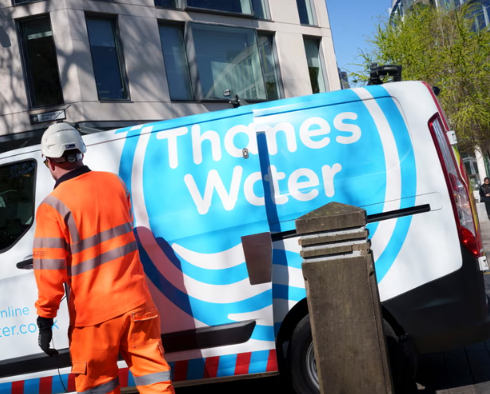
The future of Britain’s largest water provider remains deeply uncertain as complex negotiations unfold behind closed doors. Thames Water finds itself at the centre of a dramatic financial struggle involving massive debt obligations. A determined group of institutional creditors continues to pursue a rescue plan despite political headwinds today. These lenders remain willing to bid for the company even if the government pursues nationalisation. The probable next prime minister, Andy Burnham, has signalled that temporary state intervention is possible soon. This group of one hundred investors holds approximately fourteen billion pounds of the company’s senior debt. They have actively engaged in high-level discussions with officials from the industry regulator, Ofwat, recently. These intense meetings have occurred frequently over the last several days to find a viable path. The primary goal involves pushing forward a ten billion pound rescue proposal to stabilise operations. However, the environment secretary, Emma Reynolds, raised significant objections to this plan back in June. She argued that the proposal would place an undue burden on hard-pressed household water consumers. Such resistance has pushed the utility closer towards a special administration regime, known as an SAR. This form of temporary nationalisation would fundamentally alter the current ownership structure of the firm. Creditors clearly wish to purchase Thames Water out of any potential state-run administration process quickly. They view temporary nationalisation as a brief procedural step rather than a permanent structural solution. Sources close to the negotiations suggest this intent was first revealed by the Financial Times recently. Andy Burnham has explicitly called for greater public control over the struggling water utility giant. He recently suggested to the Guardian that formal nationalisation remains a very real policy option. The future of this company serves sixteen million customers across London and the Thames Valley region. It is currently buckling under a staggering seventeen point six billion pounds of accrued debt. This massive financial hole has built up over the decades following the initial industry privatisation. The issue will undoubtedly be one of the most pressing items on the new government’s agenda. Mr. Burnham is widely expected to enter Downing Street within the next two weeks at most. The lending group features some of the world’s most powerful and influential financial investment firms. These include the prominent US hedge fund Elliott Investment Management, led by billionaire Paul Singer. Other key participants in the creditor group include Apollo Global Management and also Silver Point Capital. Additional major investors involved in these complex negotiations are BlackRock and the firm M&G. They have been trying to take full ownership of the utility without triggering an SAR process. Their efforts intensified after previous management failed to sell the company to KKR last year. Thames Water has spent nearly three years desperately trying to stave off a total financial collapse. Current projections indicate that the company could potentially run out of cash by this October. The creditor group, known as London and Valley Water, has presented strong arguments against nationalisation. They claim that an SAR would require billions of pounds from the already stretched public purse. Furthermore, nobody currently knows how long such a complex administration process might actually need to last. The investors suggest that this uncertainty would harm eight thousand workers and the broader supply chain. Their rescue proposal focuses on injecting three point three five billion pounds of new equity capital. It also provides three point two five billion pounds of fresh debt to fund vital operations. A controversial aspect of this plan includes asking for a reprieve from certain environmental fines. The creditors suggest Thames should be spared penalties for river and sea pollution for four years. Other potential bidders have publicly called for the company to be placed into an SAR instead. This includes the Hong Kong based firm CK Infrastructure Holdings, which owns Northumbrian Water today. Castle Water, which manages billing for business clients, has also signalled interest in bidding soon. The government has historical experience with these types of complex, failing private sector utility providers. Four years ago, ministers managed to recover almost the entire cost of the Bulb energy rescue. They successfully sold that business to the rival firm Octopus for three billion pounds total. Under an SAR, Thames Water would be managed by an independent insolvency expert for the state. This expert would act on behalf of taxpayers to ensure services are maintained for everyone. The primary duty would involve keeping the taps running before eventually finding a new private buyer. Company debt and interest payments could also be temporarily frozen during this specific legal process. However, the government would have a legal duty to seek maximum value for the existing creditors. A spokesperson for Thames Water stated they continue to work with all parties to reach agreement. The company aims to support long-term financial stability and ensure the delivery of critical infrastructure. They are currently managing the biggest infrastructure upgrade project in the last one hundred and fifty years. The firm remains committed to meeting the daily needs of their sixteen million water customers everywhere. The creditor group itself has officially declined to comment on the ongoing and delicate financial negotiations. Representatives from the current government and the regulator Ofwat have been contacted for official comment. All eyes remain on the evolving situation as the new political administration prepares to take office.
 The outcome will surely impact the future of water utility management across the United Kingdom permanently. Citizens await a resolution that prioritises both financial responsibility and the protection of local water resources. Any decision made in the coming weeks will have lasting consequences for the entire national economy. The balance between private investment and public service remains a difficult challenge for the new government. Observers will continue to monitor these developments closely as the clock ticks towards the October deadline. It is clear that the status quo is simply no longer sustainable for such a vital company. The path forward remains narrow, requiring careful coordination between the government, the regulator, and private lenders. Whether through a private rescue or state-led administration, the company must find a sustainable future path. Public interest in this matter remains exceptionally high given the essential nature of the provided services. The coming weeks will provide much needed clarity on the ownership and future of Thames Water. For now, the negotiations continue behind closed doors as all participants weigh their next critical moves. The stakes could not be higher for the millions of people who rely on this system. Ensuring long-term reliability and environmental accountability will be the ultimate measure of any final, successful deal.
Related News:
 Reeves Faces Setback as Labour May Miss Homes Target
 Virgin Trains Moves Closer to Challenging Eurostar Monopoly
 Trump’s UK Ambassador Urges North Sea Drilling to Strengthen US Ties
 Ryanair Chief UK Economy ‘Doomed’ Under Labour
 M&S Profits More Than Halve After Cyber-Attack
 Millionaires group urge Reeves to introduce wealth tax to ‘lift kids out of poverty’
 From Lego to Pokémon: How Adults Are Driving UK Toy Market Growth
 Canada Passes Carney’s First Budget in Tight Parliamentary Vote
 Starmer Says Labour’s Economic Plan Needs Years to Deliver
 Virgin Media Fined £23.8m Over Telecare Safety Failures
 Starmer Faces Parliamentary Battles Over UK-EU ‘Reset’ Plan
 Reeves Pub Business Rates U-Turn Calms Labour Revolt
 ScottishPower Tops List of Worst UK Energy Suppliers
 Markets Slide As Gold Rally Signals Risk From Trump Greenland Tariff Plan
 UK Eyes Global Investment with Visa Fee Refunds
 City & Guilds pay surge sparks backlash amid £22m cuts
 UK Inflation Hits 3.4% in December, Ending Five-Month Decline
 Trump Fed bid heads to Supreme Court
 ‘Black Tax’: Burden, Pride and Survival for African Workers
 AI job losses UK: Britain faces sharper employment shock
 India-EU Free Trade Deal Marks Historic Economic Shift
 EU Signals Open Mind on UK Customs Union Talks
 Telstra AI jobs cuts as automation drive expands
 BT Names New Openreach Chief Amid Major Fibre Expansion
 UK Banks Plot Payment Backup Amid Trump Fears
 UK Unemployment Rate Climbs to 5.2% Peak
 UK shelves £110m border project amid trade strain
 Aston Martin Cuts 20% Jobs Amid £363m Loss
 Switching Energy Deal Can Save £200 as Price Cap Falls
 Rachel Reeves Faces Middle East Conflict Test
 Grocery Inflation Rises Amid War Fears
 BrewDog sold Highland estate for knockdown price after abandoning reforestation plans
 UK Energy Reform Could Cut Bills by £200
 Rising Costs Force Families to Rethink Days Out
 Oil Slides, Stocks Jump on Trump Peace Signals
 UK inflation held at 3% before global energy price hit
 Ticketmaster Fees Rise Despite Recent US Junk Fee Crackdown
 M&S Demands Urgent Action on Rising Violent Retail Crime
 New Era for Sick Pay as Millions Gain Critical Rights
 US and Iran Agree to Two-Week Provisional Ceasefire
 Stefano Gabbana Resigns as Chair of Italian Luxury Giant
 Rolls-Royce SMR Secures £600m Boost for Nuclear Future
 Aegon Sells Historic UK Arm to Standard Life for £2bn
 Central Bank Chiefs Hold Crisis Simulation in Washington
 UK Staycations Rise as Travel Fears Grow
 Former Brexit Chief Calls for Rejoining the EU
 Albanese Rejects Gas Export Tax Push
 Oil Prices Surge Above $120 Amid Iran Blockade Fears
 Silent Tracks: Rail Line Without Passengers
 Tough Fiscal Realities Await Next Scottish Government
 DeepMind Staff Vote to Unionize Over US Military Contract
 Global Conflict Hits Home As Bullock Warns Of Economic Pain
 STV Election Coverage Disrupted Amid Bitter Pay Dispute
 Aramco Surges as East-West Pipeline Counters Gulf Tensions
 High Stakes in Beijing as Trump and Xi Meet Amid Global Turmoil
 Lotus Boss Pledges Future to Norfolk and Seeks State Support
 Trump and Xi Convene in Beijing for Historic High-Stakes Summit
 UK Firms Freeze Spending as Iran Conflict Bites
 Rubles and Resilience: How Russia-China Border Towns Thrive
 UK Eases Russian Oil Sanctions as Fuel Costs Soar
 Reeves to Fast-Track Clean Energy Amid Iran Crisis
 Kevin Warsh sworn in as Fed chair amid economic backlash
 Mid-Year Surge to Push Average Annual Bills Beyond £1,900
 Tube Strike Brings Capital to a Standstill Over Shift Disputes
 Tube Strike Brings Capital to a Standstill Over Shift Disputes
 BP Stands Firm on Amanda Blanc Amid Boardroom Storm
 UK House Prices Drop For Third Month Due To War Fears
 No Brutal EV Price War For British Motorists
 Gas Prices Fall Below $4 Following US-Iran Peace Deal
 Is JD Vance the Ultimate Fall Guy for Trump’s Shaky Iran Deal?
 EU Slashes Steel Quotas But Grants UK Favourable Rates
 Sainsbury’s Boss Optimistic As Grocery Inflation Eases
 Trump Faces Backlash Over $2bn Earnings Since Return
 Starling Bank Trims Jobs for AI Future
 Accessible Travel Could Unlock £176bn for UK Economy
 Record £28m Fine for Virgin Media Over Cancellation Woes
 Jet2 Sees Summer Surge Despite Global Tensions
 Ukraine Creates Long-Range Strike Command
 BBC Faces Real Jeopardy as Licence Fee Income Declines
 Thames Water Future Remains Uncertain Amid Funding Crunch