Published: July 8, 2026 | The English Chronicle Desk | The English Chronicle Online
Scientists have warned that parts of the United Kingdom are expected to experience an “extreme” marine heatwave in the coming weeks, with sea temperatures forecast to rise well above seasonal averages. Researchers say the unusual warming of coastal waters could have significant consequences for marine ecosystems, fisheries, wildlife and even weather patterns affecting the UK.
The warning comes as Britain continues to experience an extended spell of exceptionally warm weather on land, with meteorologists already forecasting one of the country’s longest-lasting heatwaves in decades. Marine experts say the warming of surrounding seas is now becoming an equally important concern, as prolonged increases in ocean temperatures can trigger environmental changes that last well beyond the summer season.
According to climate researchers, a marine heatwave occurs when sea surface temperatures remain substantially above normal for several consecutive days or weeks. While such events have become more common globally over recent years, scientists believe the latest conditions around parts of the UK could rank among the strongest recorded in nearby waters.

Experts explain that unlike heatwaves on land, marine heatwaves are often less visible to the public but can have equally significant environmental impacts. Because oceans store vast amounts of heat, elevated temperatures may persist for extended periods, affecting marine life long after air temperatures begin to fall.
Researchers monitoring sea surface temperatures say the current warming has been driven by a combination of persistent high atmospheric pressure, prolonged sunshine, relatively calm winds and warmer-than-average ocean conditions already present across parts of the North Atlantic.
These factors have reduced the natural mixing of cooler deeper water with warmer surface layers, allowing temperatures near the sea surface to continue rising.
Marine biologists warn that many species inhabiting British waters are highly sensitive to even relatively small changes in ocean temperature. Fish, shellfish, seabirds, marine mammals and underwater vegetation may all be affected as ecosystems respond to the unusual conditions.
Species adapted to cooler waters may move northward or into deeper areas in search of lower temperatures, while warmer-water species could begin appearing more frequently around British coastlines. Scientists say such shifts have already been observed in recent years as ocean temperatures gradually increase.
One particular concern involves oxygen levels in seawater. Warmer water naturally holds less dissolved oxygen than cooler water, creating additional stress for fish and other marine organisms. Combined with increased biological activity during summer, reduced oxygen availability can sometimes contribute to fish mortality events or changes in species distribution.
Coral-like habitats, seagrass meadows and kelp forests found around the UK coastline may also experience increased pressure during prolonged marine heatwaves.
Kelp forests are especially important because they provide shelter and feeding grounds for numerous marine species while helping absorb carbon dioxide from the atmosphere. Scientists caution that sustained high water temperatures can weaken kelp growth, potentially affecting wider marine biodiversity.
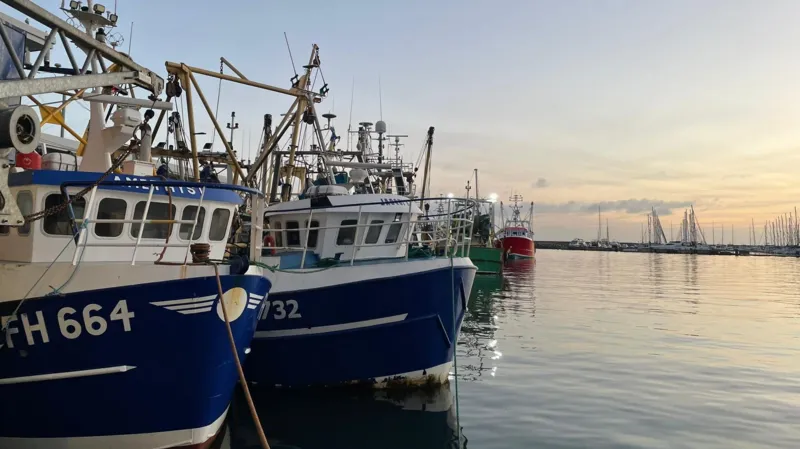
Commercial fisheries are also monitoring developments closely.
Fishing organisations note that changing sea temperatures can alter migration patterns of commercially valuable species such as mackerel, cod, haddock and shellfish. If fish move beyond traditional fishing grounds, coastal communities dependent on the industry may experience economic consequences alongside ecological changes.
Aquaculture operators are similarly paying close attention to water conditions. Fish farms can face increased disease risks during warmer periods, while shellfish production may also be affected if elevated temperatures encourage harmful algal blooms.
Marine scientists say harmful algae can multiply rapidly under favourable conditions, occasionally producing toxins that threaten marine life and require temporary harvesting restrictions for shellfish producers.
Environmental groups have described the forecast as another reminder of the growing challenges associated with climate change.
Although no single marine heatwave can be attributed entirely to global warming, climate researchers consistently find that rising global temperatures are increasing both the frequency and intensity of unusually warm ocean conditions worldwide.
Recent years have seen record-breaking marine heatwaves affecting regions including the Mediterranean, the Pacific Ocean, the Atlantic and waters surrounding Australia, North America and Europe.
The UK has not been immune to these broader changes.
Researchers note that Britain’s surrounding seas have warmed steadily over recent decades, with long-term monitoring showing noticeable increases in average sea surface temperatures compared with historical records.
Warmer seas may also influence weather conditions over land.
Meteorologists explain that elevated sea temperatures increase evaporation, placing more moisture into the atmosphere. Under suitable weather conditions, this additional moisture can contribute to heavier rainfall events, thunderstorms or changes in local weather patterns later in the season.
However, predicting exactly how marine heatwaves influence individual weather systems remains a complex area of ongoing scientific research.
Conservation organisations are encouraging increased monitoring of marine wildlife throughout the summer. Volunteers, coastal communities and researchers are being asked to report unusual fish movements, stranded marine animals or signs of environmental stress that may help scientists understand the heatwave’s impact.
Government agencies responsible for marine conservation are also expected to continue tracking water temperatures using satellite observations, research vessels and ocean monitoring stations positioned around the British coastline.
Experts stress that while marine ecosystems possess some capacity to adapt to natural environmental variation, repeated or prolonged heatwaves may place increasing pressure on species already facing challenges from pollution, overfishing and habitat degradation.
The combination of multiple environmental stresses can reduce resilience and make recovery more difficult after extreme events.
Despite the concerns, scientists emphasise that continued monitoring provides valuable information that can improve understanding of marine ecosystems and support more effective conservation strategies.
Advances in satellite technology, underwater sensors and climate modelling have significantly improved researchers’ ability to identify developing marine heatwaves and assess their likely impacts before the most severe effects occur.

As Britain continues experiencing unusually warm summer conditions both on land and at sea, experts say the coming weeks will provide important insights into how marine ecosystems respond to increasingly frequent periods of extreme ocean warming.
For coastal communities, fishermen, conservationists and policymakers alike, the forecast serves as another reminder that climate-related changes are affecting not only the atmosphere but also the waters surrounding the United Kingdom—bringing new environmental, economic and ecological challenges that may shape Britain’s marine environment for years to come.
Related News:
 Dozens of Flood Warnings in England After Days of Non-Stop Rain
 UK’s First Geothermal Plant Powers 10,000 Homes
 UK Winter Nowhere Near a Record Breaker Despite Floods and Storms
 UK Records Warmest Day of the Year as Temperatures Exceed 18 °C
 Spring Awakening: Temperatures to Hit 17°C as Britain Bathes in Sunshine
 Heavier SUVs Accelerate Britain’s Pothole Crisis
 UK rejects EV charging VAT cut amid Treasury clash
 Temperatures Set to Fall This Week, But Forecasters Warn Heat Could Return Soon
 Sydney Records Hottest June Since 1859 as Expert Warns New High a ‘Signature’ of Global Warming
 UK Braces for Prolonged Heatwave as Amber Alerts Issued
 How to Exit Your Broadband Contract Without Paying Exit Fees
 Unseen Killers of the Deep Inside the UK Lab Uncovering the Silent Deaths of Sea Creatures
 Shocking Rise in Children’s Exposure to Violent Online Pornography Raises Alarm
 Jaguar Land Rover Extends Production Halt Following Cyber-Attack
 Persistent Offenders Owe Over £700m in Ulez Fines as TfL Cracks Down on Evasion
 British AI Startup Outshines Human Forecasters in Global Prediction Contest
 UK Fighter Jet Purchase Could Breach Nuclear Treaty, Warns CND
 Millions in the UK at Risk of Cyber-Attacks as Microsoft Ends Windows 10 Updates, Warns Which?
 Cooper Unveils £4m Cyber Plan Against Russian Hackers
 Yvette Cooper Backs Digital ID Plan for UK Teens
 Genetic Tests May Predict Return of Blood Cancer
 Reform UK candidate fined £19,000 after using AI-generated cases to challenge election
 Harry and Meghan join global AI leaders urging superintelligence ban
 UK Campaigners Launch Bill to Grant Legal Rights to Nature
 UK Bans Fake Numbers: Scammers Lose Their Trick
 Patients to Test Health at Home to Ease NHS Winter Pressure
 Northern Lights may illuminate UK skies this week
 Valve Opens the Door for Android Games on Steam
 Coffins Now Too Large to Cremate Amid Rising Obesity Crisis
 Amazon Milton Keynes closure sparks concern for UK warehouse workforce
 Robo-Vaccination Could Transform Fight Against Bovine TB
 MPs warn AI financial risks threaten UK stability
 MPs warn AI financial risks threaten UK stability
 Pornhub blocks new UK users over age checks dispute
 UK New Car Discounts Near £6,000 as Prices Are Slashed
 Draft Severe Weather Plan Following Storm Flooding
 What is Groundwater Flooding and Why Dorset is Seeing ‘Historical Highs’
 BRRRITAIN: Met Office Issues Yellow Weather Warning for More Snow
 Temperatures Dip Below Freezing as Arctic Air Sweeps Across the UK
 Snow and Rain Warnings as Cold Snap Continues in the UK
 Flooding May Worsen Before It Improves as More Rain Forecast for the UK
 Bumper Ski Season but Avalanches Threaten Scotland’s Snowy Hills
 How Do You Modernise Mango Farming? India’s Growers Urged to Innovate as Climate Change Hits
Storm Hernando: Edinburgh Airport Flights Cancelled in US Travel Chaos
How Do You Modernise Mango Farming? India’s Growers Urged to Innovate as Climate Change Hits
Storm Hernando: Edinburgh Airport Flights Cancelled in US Travel Chaos
 Facial Recognition Error Leads to Wrongful Arrest in Milton Keynes
 Study Says Only Two Nations May Survive Nuclear War
 Streeting Criticises SNP Over NHS App Dispute
 Community farm appeal to cover thousands in repairs
 Ministers Urged to Act Faster on Deepfakes Threat
 Travel Chaos on M8 and M74 Amid 70 mph Gales as Trains Also Cancelled
 Charity Watchdog Warns Alan Turing Institute Over Conduct
 Councils Pressed to Use Universal Parking App to Cut ‘Unfair’ Fines
 ‘Zoom Dysmorphia’ Explosion: BDD Patients Quadruple in Post-Pandemic UK
 ‘The Insulation Trap’: Knifeman Discovered Hiding Under Loft Padding After Six-Hour Standoff
 Storm Dave Disrupts Road and Rail Travel as Conditions Begin to Ease
 ‘The Best Decision I Ever Made’: A Mother’s Viral Plea After a Near-Miss with Lung Disease
 The Silicon Emerald: How Irish Engineers are Cashing In on the AI Boom
 Southern Skies: High Turnout and Surprise Visitors in Birdwatch 2026
 Moldova River Crisis Exposes War’s Hidden Cost
 GSK cancer drug shows early promise in trials
 Digital Shield: Met Police Trial AI to Fast-Track Child Abuse Investigations
 ‘Maritime Drones and Steel’: £50m Defence Deals Set to Spark Job Boom in Plymouth and South Yorkshire
 Human Capital for AI Infrastructure: Meta Cuts 8,000 Staff to Fuel $135bn Bet
 Crackdown Backfires on UK Climate Protesters
 Older Than Dinosaurs: Secrets of Mayfly Dance Revealed
 The “Dry” Life: Teens Trialing Social Media Bans Call Initial Disconnection “Boring” and “Dry”
 Tatooine Dreams: 27 New Worlds Found With Double Suns
 The Pathogen Protocol”: Third British National Monitored for ‘Nasty’ Suspected Hantavirus
 Tractor Breakdown Tests Lincolnshire Farmers
 Cambridge South Signals New Era for British Rail Travel
 UN Issues Urgent Warning: Imminent Return of El Niño
 NHS Approves Landmark Ovarian Cancer Drug
 Tech Trends and the Battle Against Exam Hall Cheating
 Emergency Caesareans Rise Across England
 Family Says Heatwave Drownings Reopen Grief
 Woman Warns of Lifelong Damage From Ketamine
 Airline Leaders Warn 2050 Net Zero Target May No Longer Be Achievable
 Man Praised for Saving Neighbours After Lightning Strike Sparks House Fire
 Why Extreme Heat Can Cause Trees to Collapse and What Experts Say Can Be Done