
Published: 17 July 2026 | The English Chronicle Desk | The English Chronicle Online
The United Kingdom’s prolonged spell of hot weather is approaching the two-week mark, with forecasters warning that temperatures are expected to remain well above seasonal averages across much of the country. The extended heatwave has increased pressure on health services, transport networks, water resources and emergency responders, while raising concerns about the growing risk of wildfires and heat-related illnesses.
Meteorologists say the current period of sustained high temperatures is among the longest experienced in recent years, with little immediate sign of a significant nationwide cooldown.
Authorities have urged residents to remain cautious, particularly vulnerable groups such as older adults, young children and people with underlying health conditions.
Large parts of England, Wales and portions of Scotland have recorded daily temperatures significantly higher than what is typical for mid-summer.

Several regions have experienced consecutive days of unusually hot conditions, while warm nights have offered little relief, making it more difficult for homes and buildings to cool down.
Weather experts explain that prolonged periods of elevated daytime and nighttime temperatures can have a greater impact on health than isolated hot days.
The persistent warmth has also increased demand for electricity as households rely more heavily on fans and cooling systems.
Public health authorities continue advising people to take precautions against heat-related illnesses.
Medical experts recommend drinking plenty of water, avoiding strenuous outdoor activity during the hottest part of the day and staying in shaded or air-conditioned environments whenever possible.
Older adults, infants, pregnant women and individuals with chronic medical conditions are considered particularly vulnerable to heat exhaustion and heatstroke.
Healthcare providers are also encouraging neighbours, relatives and carers to check regularly on people who may be at greater risk during extended periods of extreme heat.
Hospitals and ambulance services have reported increased demand linked to dehydration and other heat-related conditions in some areas.
The prolonged dry weather has significantly increased wildfire risks across several parts of the UK.
Fire and rescue services have responded to numerous grass, heathland and woodland fires in recent days, with emergency crews warning that even small sparks can rapidly develop into large blazes under current conditions.
Authorities are urging the public not to light barbecues in vulnerable areas, discard cigarettes carelessly or leave glass bottles that could concentrate sunlight.
Many local councils have introduced temporary restrictions in parks and open countryside to reduce fire risks.
Emergency planners say preventing accidental fires remains a key priority while dry conditions persist.
Water companies continue monitoring reservoir levels and consumer demand as households use more water during the hot spell.
Higher temperatures typically lead to increased water consumption for gardening, cooling, washing and other domestic activities.
Several suppliers have encouraged customers to use water responsibly by avoiding unnecessary outdoor use during peak demand periods.
Although no widespread national shortages have been reported, experts warn that prolonged dry weather could place additional pressure on water resources if rainfall remains limited.
Environmental specialists also note that rivers and wetlands may experience lower water levels if the heatwave continues.
The sustained heat has created operational challenges across parts of the transport network.
Rail operators have introduced speed restrictions on some routes to reduce the risk of track damage caused by expanding steel rails.
Road surfaces in certain areas have also experienced heat-related deterioration, prompting maintenance work and occasional traffic disruption.
Airports have largely continued operating normally, although airlines continue monitoring runway temperatures and weather conditions.
Transport authorities advise passengers to check travel updates before setting out, particularly during periods of peak afternoon temperatures.
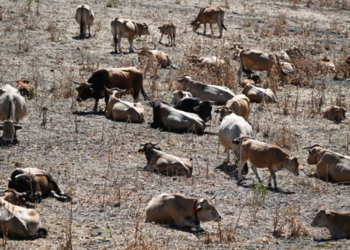
Farmers are closely monitoring crops and livestock as hot, dry weather continues.
Extended periods without significant rainfall can reduce soil moisture, affecting crop development and increasing irrigation requirements.
Livestock producers have taken additional measures to ensure animals have adequate shade and access to fresh drinking water.
Agricultural organisations say weather conditions over the coming weeks will play an important role in determining harvest quality for several crops.
While sunshine has benefited some produce, prolonged heat combined with limited rainfall may reduce yields in areas experiencing drought conditions.
Although individual heatwaves occur naturally, climate scientists say rising global temperatures are increasing the likelihood of longer, more intense and more frequent extreme heat events.
Research suggests that climate change is altering weather patterns, making prolonged periods of unusually hot weather increasingly common across Europe, including the United Kingdom.
Scientists caution that no single weather event can be attributed solely to climate change, but broader warming trends are influencing the frequency and severity of extreme temperatures.
Experts argue that adaptation measures—including improved urban planning, resilient infrastructure and enhanced public health preparedness—will become increasingly important.
Across the country, many people have sought relief by visiting beaches, parks, lakes and public swimming facilities.
Retailers have reported increased demand for fans, portable air conditioners, bottled water, sunscreen and cooling products.
Employers have also adjusted some working practices, with greater emphasis on flexible hours, additional breaks and workplace hydration for employees working outdoors.

Schools, care homes and community organisations continue following heat-health guidance to protect students and vulnerable residents.
Meteorologists say temperatures are expected to remain above average for several more days, although some regions could experience isolated showers or thunderstorms.
Any rainfall is expected to be localised and may provide only temporary relief from the ongoing heat.
Weather experts will continue monitoring atmospheric conditions to determine whether cooler air will eventually move across the country.
Until then, officials are encouraging the public to remain alert, stay hydrated and follow health advice as Britain approaches two consecutive weeks of exceptionally hot summer weather.
With climate experts warning that prolonged heatwaves may become increasingly common in the future, the current conditions serve as another reminder of the importance of strengthening public preparedness, protecting vulnerable communities and adapting infrastructure to cope with rising temperatures.
Related News:
 UK Braces for Prolonged Heatwave as Amber Alerts Issued
 UK Heatwaves May Have Claimed Thousands of Lives
 Dozens of Flood Warnings in England After Days of Non-Stop Rain
 UK Winter Nowhere Near a Record Breaker Despite Floods and Storms
 UK Records Warmest Day of the Year as Temperatures Exceed 18 °C
 Family Says Heatwave Drownings Reopen Grief
 Deadly Earthquake Hits Philippines
 Amber Heat Health Alerts Issued as UK Temperatures Expected to Exceed 30C
 Met Office Issues Amber Extreme Heat Warning as Temperatures Near 35C
 Temperatures Set to Fall This Week, But Forecasters Warn Heat Could Return Soon
 ‘Extreme’ Marine Heatwave Forecast for UK Waters
 Hospital Urges Public Never to Leave Dogs in Hot Cars
 UK Schools Struggle as Classrooms Top 40C
 London Tube Heat Reaches Dangerous Levels
 Concerns Mount Over Accuracy of At-Home Health Tests as Study Calls for Stricter Regulation
 The Ketamine Crisis in the UK is a Silent Epidemic Leaving Users with Lifelong Pain
 Why E-Bikes and E-Scooters Are Making Streets a ‘Nightmare’ for Blind People
 Millions in the UK at Higher Risk of Heart Failure and Stroke Due to Air Pollution, Study Warns
 Systemic Racism in Maternity Care Continues to Endanger Black Women in England, MPs Warn
 One in Three GPs in England Do Not Work in NHS, Raising Concerns Over Access to Care
 Questions Remain as Rugby Legend Lewis Moody Faces Motor Neurone Disease Diagnosis
 M&S and Morrisons Lead Christmas Supermarket Taste Test
 New Prostate Cancer Drug Set to Halve Death Risk in England
 Hospice Cuts Raise Alarm Across England Amid Funding Crisis
 Patients to Test Health at Home to Ease NHS Winter Pressure
 Shouting Works Best to Deter Gulls, UK Study Finds
 Reeves rejects £1bn plea for NHS redundancy payouts
 Stroke Patient Mistaken for Drunk, Care Delayed
 ‘Traumatic Wait’: Northern Ireland Women Face Breast Cancer Delays
 Five-Year-Old Dies After Rare Tonsil Surgery Complication
 Fibromyalgia Patients Struggle as NHS Fails to Provide Care
 More Patients Now Contacting GPs Online, Data Shows
 Children to Receive Home Vaccines as England Acts
 Local Fish Could Boost UK Health and Economy Significantly
 NHS Violence Crisis: Staff Face Daily Assaults
 Celebrity Campaign Highlights SMA Screening Failures
 UK Glaucoma Rise Signals Looming Eye Health Crisis by 2060
 Pneumonia Surge Pushes England Emergency Cases Higher
 Draft Severe Weather Plan Following Storm Flooding
 What is Groundwater Flooding and Why Dorset is Seeing ‘Historical Highs’
 Snow and Rain Warnings as Cold Snap Continues in the UK
 UK MPs Demand Ban on Brazilian Butt Lifts
 NHS Urges Nine Million People to Get Therapy
 Storm Hernando: Edinburgh Airport Flights Cancelled in US Travel Chaos
 Half of Britons Avoid GP When Ill, Survey Reveals Growing Concern
 UK’s First Geothermal Plant Powers 10,000 Homes
 ‘I Almost Died After a Touch‑and‑Go C‑Section’
 50,000 People Waited Over 24 Hours in A&E Corridor Care
 New Infection Risk Alert at Glasgow’s Flagship Hospital
 Father Dies by Suicide Weeks After Wedding in Clitheroe
 ‘We can’t go back’: mother of six-year-old cancer survivor fears UK visa changes
 Palantir NHS Contract Sparks Fears Over Data Power
 UK Patients Face Long Journeys as Pharmacies Cut Hours
 Charity Watchdog Takes Control of Learning Disability Care Home
 The High Cost of Survival: How the 2026 Fiscal Outlook is Redefining British Life
Fuel Famine: How African Nations are Rationing Power and ‘Diluting’ Petrol to Survive
The High Cost of Survival: How the 2026 Fiscal Outlook is Redefining British Life
Fuel Famine: How African Nations are Rationing Power and ‘Diluting’ Petrol to Survive
 ‘Zoom Dysmorphia’ Explosion: BDD Patients Quadruple in Post-Pandemic UK
 ‘It’s Heartbreaking’: NHS Training Freeze Leaves Resident Doctors in Limbo
 The Miracle of Phoenix: ‘Half Dead’ Rescue Dog Defies the Odds in Worcestershire
 GSK cancer drug shows early promise in trials
 Toxic Trail: Dog Owners Warned Over ‘Vile’ Poisoned Meat Found in Parks
 The Waiting Ward: ‘Month of Worry’ as Doctor Strikes Trigger Seismic Surgery Delays
 Policy Stand-Off: Streeting Denies Any ‘System Update’ to Resident Doctor Pay Deal
 Crackdown Backfires on UK Climate Protesters
 The “Cancer Commute”: Patient Warns of Breaking Point Over 40-Mile Treatment Trek
 New Scan Offers Hope for Faster Endometriosis Diagnosis
 “Invisible Agony”: 98-Year-Old Woman Left in “Severe Pain” for Days Amidst Care Backlog
 “A Medicine Desert”: Why the Battle for Basic Prescriptions is About to Intensify
 The Pathogen Protocol”: Third British National Monitored for ‘Nasty’ Suspected Hantavirus
 NHS Drug Deal Faces Legal Threat Over US Trade Agreement
 Pope Meets Families in Italy Toxic Waste Zone
 Record Spending Highlights Growing Crisis In National Health Service
 NHS Approves Landmark Ovarian Cancer Drug
 Man Praised for Saving Neighbours After Lightning Strike Sparks House Fire
 Nursing Workforce Crisis Leaves Disabled Patients at Risk
 The Hidden Revival of a Fatal Infection on British Soil
 Why Extreme Heat Can Cause Trees to Collapse and What Experts Say Can Be Done
 Parents Fundraise to Cool Overheated School Classrooms
 Europe Scorched as Record Heatwaves Grip the Continent
 Stricter Rules Proposed to Shield Children from Vaping